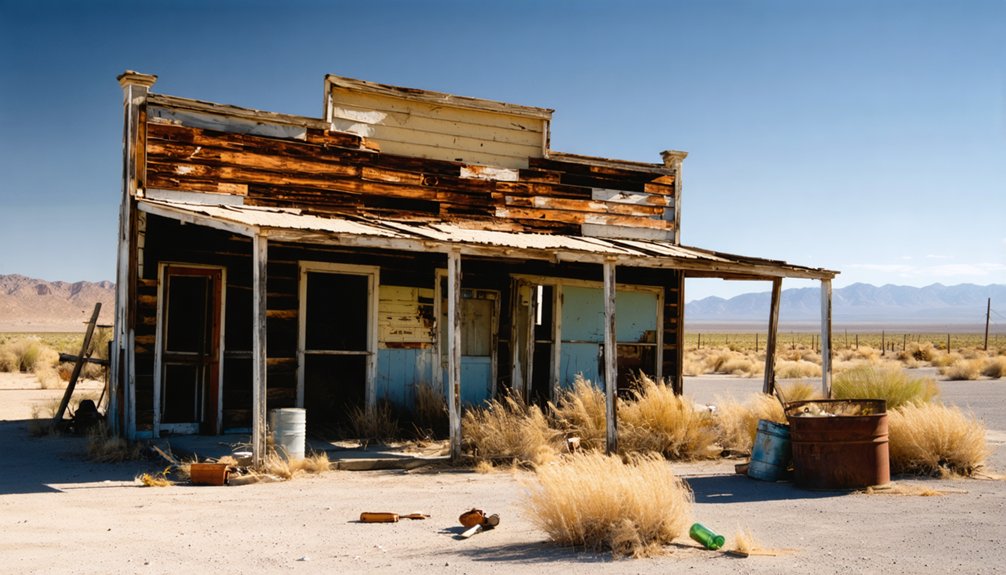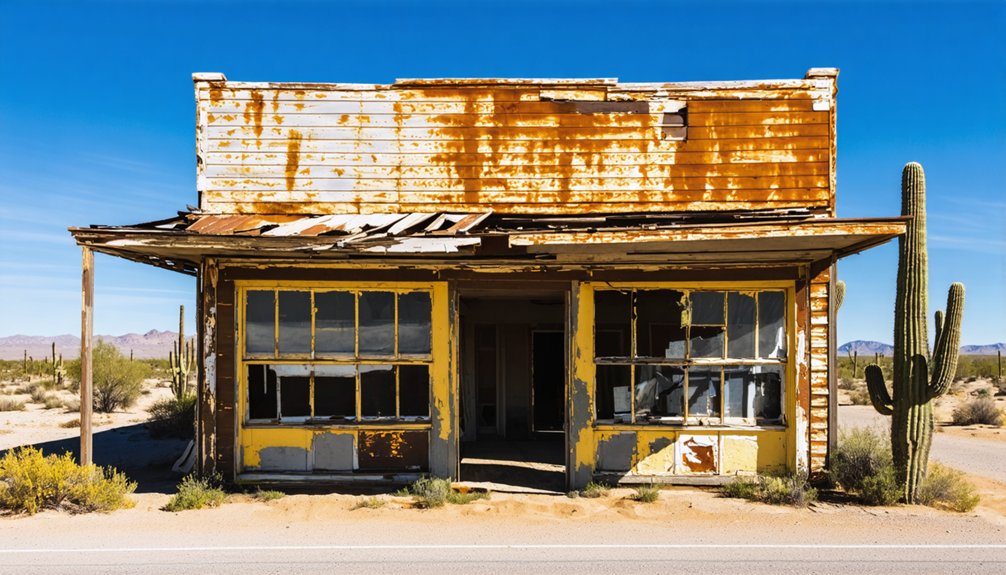
Planning a ghost town road trip to Wilford, Arizona takes you back to 1883, when Mormon settlers built a thriving community that collapsed by 1889. You’ll find the site 7 miles south of Heber-Overgaard along Black Canyon Road in Navajo County. Overgrazing, flooding, and anti-polygamy legislation drove its abandonment, leaving only scattered rock foundations behind. Pack water, sturdy boots, and sun protection before you go — there’s much more to this forgotten desert story worth uncovering.
Key Takeaways
- Wilford is located 7 miles south of Heber-Overgaard along Black Canyon Road in Navajo County, Arizona.
- The site is undeveloped with no paved roads, requiring foot travel to explore scattered rock foundations.
- Bring water, sturdy boots, and sun protection, as no water, shade, or shelter is available onsite.
- Check road conditions before visiting and plan for a slow, unhurried pace to fully appreciate the site.
- Capture foundations during golden hour for dramatic lighting, and stay alert for desert wildlife like reptiles and birds.
What Was Wilford, Arizona?
Once a thriving Mormon settlement in Navajo County, Arizona, Wilford started its life in April 1883 under the name Adam’s Valley, founded by Latter-day Saints who’d abandoned the failed Brigham City community. Bishop Hans Hansen led this determined group, carving out a new beginning in the high desert.
Their freedom didn’t last long, though. The 1885 Edmunds Anti-Polygamy Act drove nearly half the population into exile in Mexico. Floods, poor soil, overgrazing, and an 1887 earthquake finished what legislation started.
By 1889, the town had effectively collapsed, with scattered ranchers lingering until 1926.
Today, you’ll find only community remnants — loose rock foundations scattered across barren terrain. No historical artifacts have survived intact, but those stone foundations tell a powerful story of resilience, hardship, and ultimate abandonment.
Why Wilford Was Abandoned by 1889
When you look out over Wilford’s barren landscape today, you’re seeing the direct result of multiple forces that collapsed the community within just six years of its founding.
Overgrazing stripped the land of grass, floods and poor soil made farming nearly impossible, and the 1885 Edmunds Anti-Polygamy Act drove nearly half the population to flee to Mexico.
Overgrazing Depleted The Land
Though the Mormon settlers of Wilford worked hard to build a lasting community, their cattle ultimately destroyed any chance of long-term survival. Too many cattle grazed the land relentlessly, stripping every blade of grass from the soil. Without vegetation, the earth lost its ability to sustain farming techniques the settlers had relied upon since arriving in 1883.
When you walk the barren landscape today, you’re seeing the direct consequence of that overgrazing. The loose rock foundations scattered across the site are all that remain after the land gave out completely.
Unlike ancient artifacts that preserve a civilization’s ingenuity, these ruins reflect a community undone by environmental mismanagement. The depleted soil, combined with devastating floods and poor conditions, made Wilford’s collapse inevitable long before the last resident departed in 1926.
Floods And Poor Soil
Overgrazing wasn’t Wilford’s only enemy—the land itself fought back through floods and stubborn, infertile soil. Even if settlers had managed their cattle wisely, the environment made long-term survival nearly impossible. You can still feel that harsh reality walking the barren grounds today.
The land delivered repeated blows that stripped away any hope of permanence:
- Poor soil quality made growing crops consistently unreliable
- Devastating floods washed away whatever progress settlers built
- The degraded wildlife habitat collapsed, removing natural food sources
- Environmental failure erased the cultural significance settlers worked hard to establish
These compounding challenges accelerated Wilford’s collapse toward its 1889 abandonment. When you visit those scattered rock foundations, you’re standing where determined people lost a battle against unforgiving Arizona terrain.
Edmunds Act Forces Exodus
Beyond environmental collapse, a federal law delivered the blow that fractured Wilford’s community beyond recovery. The Edmunds Anti-Polygamy Act of 1885 targeted Mormon polygamous households directly, stripping residents of their freedom to live by deeply held religious principles.
You’d have watched nearly half the population flee to Mexico almost overnight, abandoning homes, fields, and futures they’d built since 1883.
That mass exodus carries enormous cultural significance — it reveals how federal policy could erase entire communities from the map.
When you walk Wilford’s ruins today, archaeological findings like scattered stone foundations tell that story silently but powerfully.
Where Wilford Is Located and How to Reach It
You’ll find Wilford tucked into Navajo County, Arizona, roughly 7 miles south of Heber-Overgaard along Black Canyon Rd. Once you reach the area, don’t expect a paved path leading you straight to history — the site is entirely undeveloped, meaning you’ll need to continue on foot.
As you navigate the barren desert terrain, loose rock foundations scattered across the landscape are all that mark where this once-active Mormon settlement stood.
Wilford’s Arizona Desert Location
Tucked into the high desert of Navajo County, Arizona, Wilford sits roughly 7 miles south of Heber-Overgaard along Black Canyon Road. You’ll find no paved roads welcoming you here — just open terrain, scattered rock foundations, and silence.
Cattle overgrazing stripped the land bare over generations, and earthquake damage accelerated the town’s collapse. What remains tells an honest story of survival and failure.
Before heading out, keep these essentials in mind:
- No paved access exists — foot travel is required on-site
- Expect barren desert terrain with no water or shelter
- Loose rock foundations are the only visible remnants
- Check Navajo County road conditions before you leave
This is raw, unfiltered history waiting for you to explore on your own terms.
Reaching Wilford By Foot
Getting to Wilford means leaving pavement behind entirely. Once you’ve driven roughly 7 miles south of Heber-Overgaard along Black Canyon Rd, you’ll swap your vehicle for foot travel across an undeveloped, rugged landscape. There’s no marked trail guiding you in, so you’re orienting yourself on your own terms — exactly the kind of raw freedom this trip promises.
The desert terrain is loose and rocky, scattered with stone foundations that whisper local legends of Mormon settlers who once built lives here. These aren’t manicured historical artifacts behind velvet ropes; they’re exposed ruins sitting under an open sky.
Bring water, wear sturdy boots, and check Navajo County road conditions before heading out. Wilford rewards the self-sufficient traveler willing to work for the experience.
What You’ll Actually See at the Wilford Site
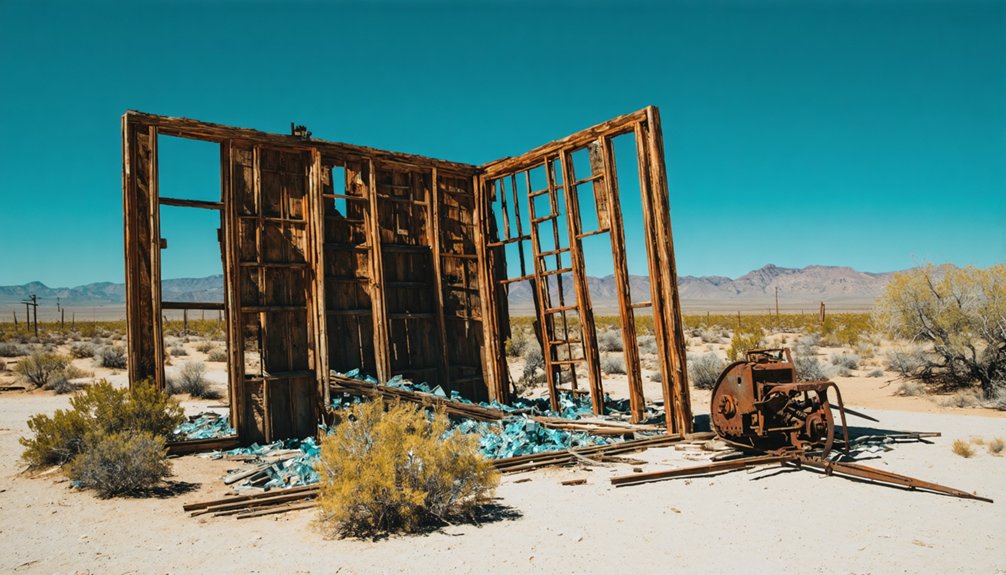
Once you make your way to the Wilford site, don’t expect standing walls or dramatic ruins — what’s left are scattered loose rock foundations spread across a barren desert landscape. It’s raw, unfiltered history beneath your feet.
Here’s what you’ll encounter:
- Stone foundations marking where homes and structures once stood
- Local flora reclaiming the land, weaving through crumbled rock
- Open desert terrain stretching in every direction with no shade or shelter
- Historic artifacts potentially visible among the loose rock and soil
There’s something powerful about standing in a place where a community lived, struggled, and ultimately disappeared. No interpretive signs or fences exist here — just open land and your imagination connecting the dots between 1883 and today.
What to Bring Before You Drive Out to Wilford
Since Wilford offers no water, shade, or shelter, what you pack before leaving home can make or break your visit. Carry more water than you think you’ll need, sturdy boots for traversing loose rock foundations, and sun protection for the exposed desert terrain.
Bring a camera with a wide-angle lens to capture the scattered stone ruins against the open landscape — natural light in the morning hours delivers the strongest photography tips results. A polarizing filter helps reduce glare off pale rock surfaces.
Leave historical artifacts exactly where you find them. Removing anything disrupts the site’s integrity and robs future visitors of the same raw experience.
Pack a map of Black Canyon Rd, check Navajo County road conditions beforehand, and give yourself enough daylight to explore comfortably on foot.
How to Make the Most of Your Wilford Visit

Arriving prepared sets the foundation, but knowing how to move through the site turns a simple desert walk into a meaningful historical encounter. Walk slowly, read the landscape, and let the rock foundations tell their story.
Slow your pace, read the landscape, and let the rock foundations tell their story.
- Photograph strategically — shoot foundations during golden hour for dramatic shadows that highlight the settlement’s scale
- Watch for wildlife encounters — desert reptiles and birds frequently move through the ruins, so stay alert and respectful
- Orient yourself historically — picture where Bishop Hans Hansen’s community once functioned before floods and overgrazing emptied the valley
- Move freely but carefully — loose rock foundations shift underfoot, so wear sturdy footwear and explore at your own pace
You’re walking through 1883 Mormon history. Treat every stone as evidence worth understanding.
Frequently Asked Questions
What Was Wilford’s Original Name Before It Became Commonly Known?
You’ll love knowing Wilford’s original name was Adam’s Valley, a historical landmark founded in 1883. It’s perfect for ghost town photography, where you can capture the raw, free-spirited essence of Mormon pioneer heritage.
Who Specifically Led the Founding Group That Established Wilford?
Bishop Hans Hansen led the founding group you’d admire for their resilience. He guided Latter-day Saints settlers in 1883, creating historic landmarks worth exploring today, making Wilford’s ghost town preservation a tribute to their courageous, freedom-seeking spirit.
Which Prior Failed Settlement Did Wilford’s Original Residents Come From?
Like a phoenix rising from ashes, Wilford’s founders fled Brigham City’s collapse. You’ll discover these resilient settlers shaped abandoned settlements and ghost town tourism history when they reestablished life in Adam’s Valley during 1883.
Did the 1887 Earthquake Affect Other Nearby Mormon Settlements Similarly?
The knowledge doesn’t confirm whether the 1887 earthquake’s seismic impact and geological effects hit other Mormon settlements similarly, but you’ll find it did accelerate Wilford’s decline alongside overgrazing, floods, and the Edmunds Act’s devastating population exodus.
When Did Scattered Ranchers Finally Leave Wilford for Good?
Like a dying ember fading to ash, scattered ranchers finally let go of Wilford for good in 1926. You’ll find that ghost town tourism and historic preservation efforts now keep this freedom-seekers’ story alive.
References
- https://en.wikipedia.org/wiki/Wilford
- https://kids.kiddle.co/Wilford
- https://www.routeyou.com/en-us/location/view/51565552
- https://en.wikipedia.org/wiki/Woodruff