Planning a ghost town road trip to Acme, Texas means experiencing something rare — a town that’s faded but hasn’t fully disappeared. Established in 1898, Acme once buzzed with West Texas settler life before population decline hollowed it out. Today, a working Georgia-Pacific gypsum plant still pulses beside the remnants. You’ll find it easily off U.S. Highway 287, just four miles from Quanah’s restaurants and fuel. Stick around to uncover everything this unique stop has to offer.
Key Takeaways
- Acme, Texas, sits off U.S. Highway 287, making it an easily accessible road trip stop, though no services are available within the town.
- Unlike typical ghost towns, Acme features an operational Georgia-Pacific gypsum plant, giving visitors a unique mix of abandonment and active industry.
- Visit during daylight hours to best photograph the stark contrast between ghost town remnants and the surrounding West Texas landscape.
- Quanah, just four miles east, provides fuel, dining, and local attractions like the Quanah Parker Trail, making it an ideal base stop.
- Use Acme as mile marker zero to explore the broader ghost town corridor along U.S. Highway 287, connecting additional forgotten settlements nearby.
How Acme Went From Boom Settlement to Near-Ghost Town
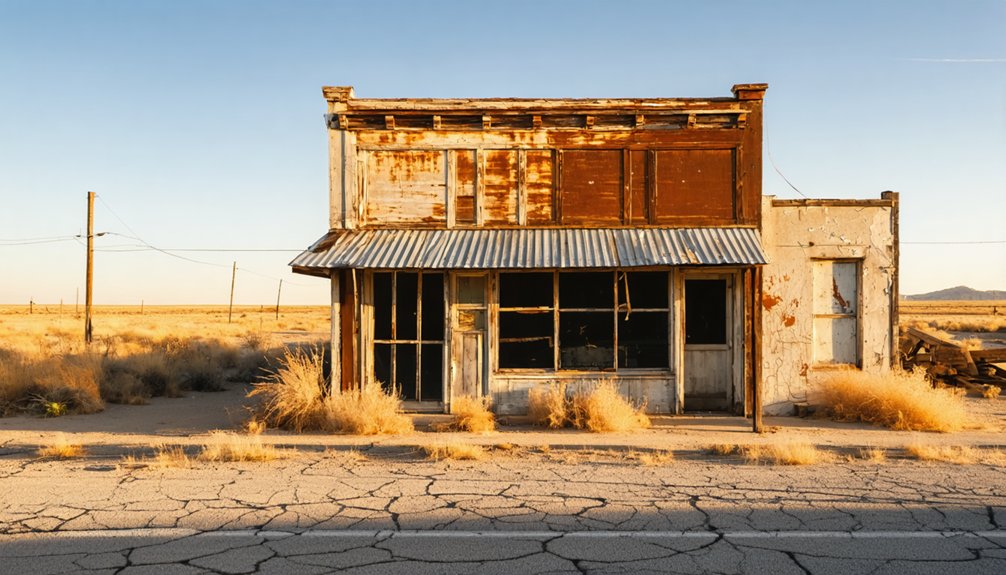
When Acme first took shape in 1898, it carried the unmistakable energy of a West Texas settlement with somewhere to go. Late-19th-century settlement patterns pushed communities like this one across the Texas Panhandle, each riding waves of optimism and economic promise.
Acme history follows a familiar arc. Residents built lives, businesses opened, and the town hummed with purpose. Then the momentum faded. Population drifted away, commercial activity dried up, and the structures that once defined daily life slowly disappeared.
Towns like Acme bloom, hum, and hollow out — leaving silence where storefronts and sidewalk conversations once lived.
What makes Acme different from a typical ghost town is what stayed behind. A Georgia-Pacific gypsum plant still operates at the townsite, keeping the location alive in a limited industrial sense.
You’re not looking at pure ruins here — you’re looking at a place caught between its past and a stripped-down present.
Why Acme Stands Out as a Ghost Town That Never Fully Died
When you pull off U.S. Highway 287 and roll through what’s left of Acme, you’ll notice something most ghost towns can’t claim: it’s still working.
The Georgia-Pacific gypsum plant continues operating at the townsite, keeping industrial life alive even as the homes, shops, and community that once defined the settlement have long since faded.
That rare combination of population decline and surviving industry makes Acme less a ruin and more a ghost town with a pulse.
Industrial Roots Still Active
Most ghost towns greet you with silence—crumbling foundations, hollow storefronts, and the kind of stillness that confirms a place has been fully surrendered to time.
Acme breaks that pattern. When you roll through on U.S. Highway 287, you’ll notice the Georgia-Pacific gypsum plant still running at the townsite, a working operation that keeps Acme from slipping completely into the past.
That industrial legacy is what separates Acme from a typical Texas ruin. The town lost its residential and commercial identity decades ago, but the economic resilience of its industrial side held on.
For road trippers who crave something more layered than empty streets, Acme delivers a rare contradiction—a ghost town that never fully clocked out.
Population Decline, Industry Survives
Acme’s story follows a familiar Texas Panhandle arc—settlers arrive, a town takes shape, and then the population quietly drains away until the residential and commercial bones of the place collapse into memory.
What separates Acme from a purely abandoned site is its industrial resilience. While population patterns shifted and residents moved on, the Georgia-Pacific gypsum plant kept operating, giving the townsite a pulse that most ghost towns never retain.
You won’t find a bustling main street here, but you’ll find something rarer—a place where industry outlasted community. That contrast makes Acme worth your time.
It challenges the standard ghost-town narrative and reminds you that economic survival doesn’t always wear a human face. Sometimes it hums quietly inside a working plant off Highway 287.
Ghost Town With Purpose
Few ghost towns earn that label while still punching the clock. Acme does. That’s exactly what makes it worth pulling off Highway 287 for a look.
You’re not chasing ruins here — you’re stepping into a rare overlap of ghost town culture and working industry, where the past and present share the same dusty address.
The Georgia-Pacific gypsum plant keeps operating where a full town once thrived, giving Acme a layer of industrial nostalgia that most abandoned sites simply can’t offer.
You’ll feel the tension between what disappeared and what survived. That contrast tells a more honest story than crumbling storefronts ever could.
Acme didn’t fully die — it just transformed. For road trippers who crave authenticity over aesthetics, that distinction matters.
What You’ll Actually See at the Acme Townsite?
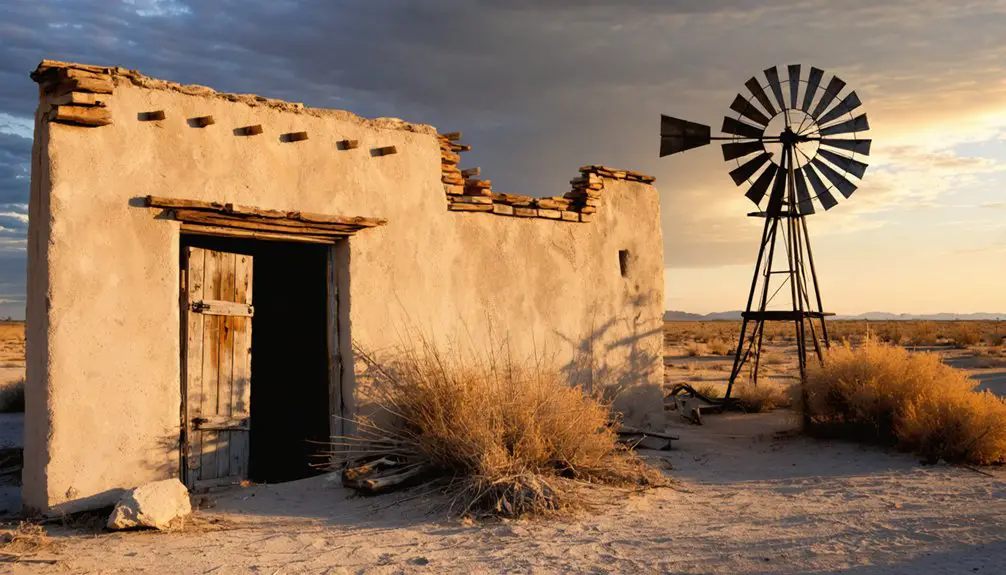
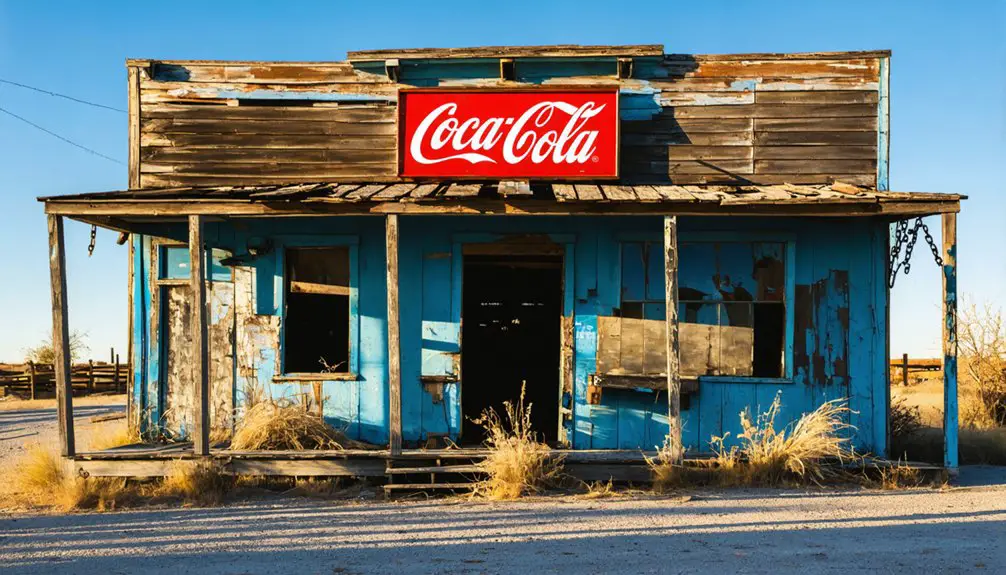
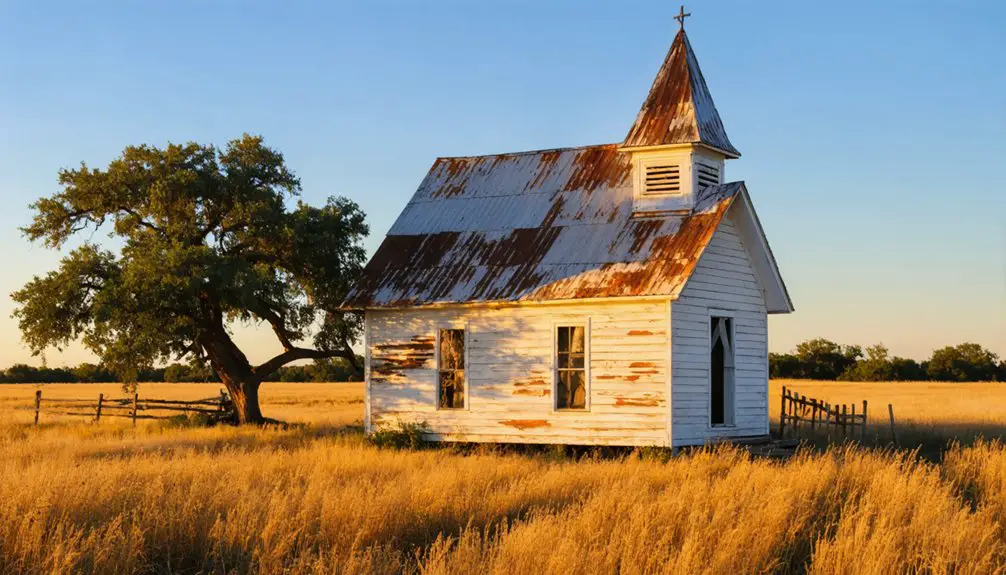
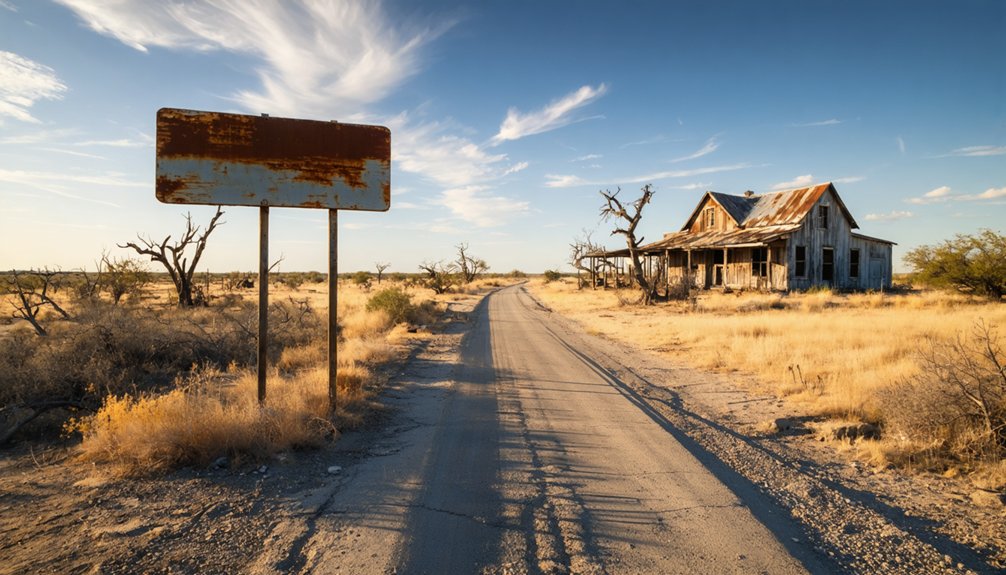
When you pull off U.S. Highway 287, Acme’s landscape tells a quiet story. You won’t find a restored Main Street or a tourist welcome sign. Instead, ghost town remnants greet you in the form of sparse surroundings and the industrial silhouette of Georgia-Pacific’s gypsum plant still humming with activity. That contrast defines Acme history better than any marker could.
You’ll see a site where a working-class settlement once stood, now stripped down to its industrial core. There aren’t many original structures surviving, but the open terrain and roadside setting give you a clear sense of what was lost.
It’s raw, honest, and surprisingly compelling. Bring your camera, take a few minutes to absorb the scene, and let the emptiness speak for itself.
How to Reach the Acme Ghost Town on U.S. Highway 287
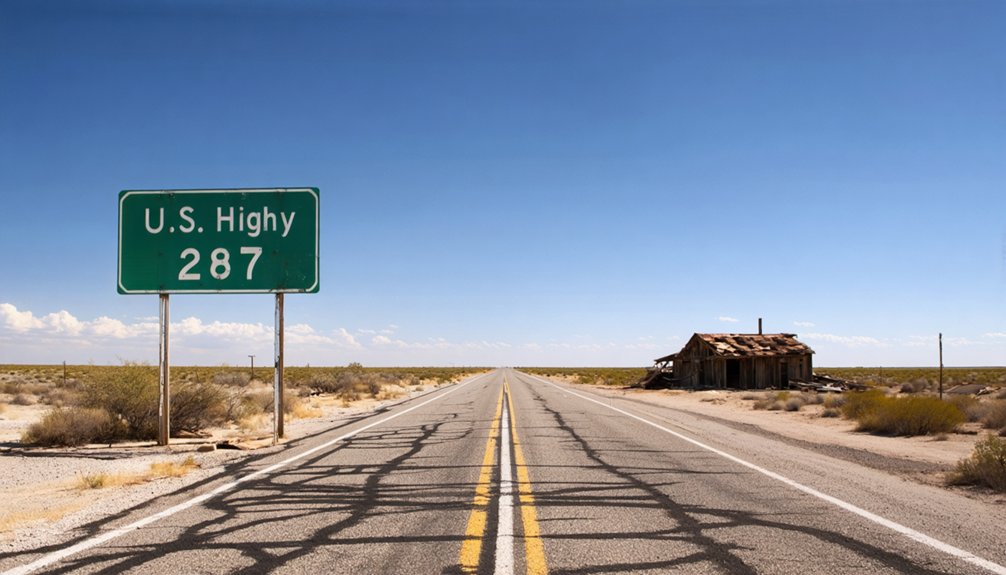
Getting to Acme is straightforward, and that ease of access is part of what makes it such a practical ghost town stop. Head west on U.S. Highway 287 from Quanah, and you’ll reach the townsite in about four miles. No detours, no dirt roads — just open Panhandle highway.
Here are a few road trip tips to keep your route efficient:
- Stock up in Quanah before heading out, since Acme has no services
- Travel during daylight to fully absorb the ghost town history and industrial landscape
- Combine your stop with other Hardeman County sites to build a complete Panhandle route
You’re not hunting for a hidden location here. Acme sits right off a major federal highway, making it one of Texas’s most accessible ghost towns.
Pair Acme With Quanah and Other Hardeman County Stops
Once you’ve taken in Acme’s industrial ghost-town landscape, you’re already perfectly positioned to explore the broader Hardeman County area.
Just four miles east on U.S. Highway 287, Quanah offers restaurants, fuel, and local attractions that round out your stop, including historical sites tied to the region’s fascinating past.
From there, you can build a fuller Panhandle route by connecting nearby historical landmarks, turning a quick roadside detour into a genuinely rewarding day trip through one of Texas’s most historically layered corners.
Quanah’s Nearby Attractions
Quanah, just four miles east of Acme on U.S. Highway 287, gives you a solid base for exploring Hardeman County’s history and local attractions.
It’s a working town with real character, and it pairs perfectly with your Acme stop.
While you’re there, dig into Quanah History and check out what the area offers:
- Quanah Parker Trail – honors the legendary Comanche chief and his lasting legacy in the region
- Medicine Mounds – four sacred dolomite hills visible from the highway, significant to Native American history
- Local dining and fuel stops – practical amenities that make extending your road trip easier
You’re not just passing through a ghost town corridor here.
You’re moving through land with deep, layered stories worth your time.
Hardeman County Historical Sites
Hardeman County rewards the curious traveler who takes time to look beyond the highway. Pair your Acme stop with a deeper exploration into the region’s Hardeman heritage, and you’ll uncover a layered past worth exploring.
Quanah anchors the county with accessible historical landmarks, including sites tied to the legendary Comanche chief Quanah Parker, the town’s namesake. The county courthouse and local museums offer solid context for understanding how this corner of the Texas Panhandle developed from open range to settled community.
Each stop builds on the last, turning a simple ghost-town detour into a richer regional story. You don’t need a full itinerary to appreciate what Hardeman County offers — just a willingness to slow down and look around.
Building Your Panhandle Route
Knowing what Hardeman County holds historically makes it easier to string together a route worth driving. Acme fits naturally into a half-day loop that busts ghost town myths about abandoned landscapes being completely lifeless. Its industrial heritage proves that some towns evolve rather than simply disappear.
Build your route around these anchor stops:
- Acme – Quick roadside pull-off to view the Georgia-Pacific gypsum plant and absorb the semi-abandoned atmosphere
- Quanah – Grab fuel, food, and context at the county seat just four miles east on U.S. Highway 287
- Hardeman County historical markers – Scattered reference points that deepen your understanding of regional settlement patterns
You’re not chasing ruins here. You’re tracing a living, complicated history across open Panhandle roads.
Use Acme as Your Starting Point for a Panhandle Ghost Town Route
Once you’ve made the quick stop at Acme, you’re already positioned perfectly to push deeper into the Texas Panhandle’s ghost town corridor. Acme’s history and ghost town significance make it a natural launching point rather than a final destination.
You’re already on U.S. Highway 287, which threads through Hardeman County and connects you to additional forgotten settlements scattered across the region. Head west or north and you’ll find more roadside stops worth exploring.
Quanah sits just four miles east if you need fuel, food, or a quick rest before continuing. Treat Acme as mile marker zero for your broader Panhandle route.
The open highway ahead is yours, and the next overlooked town is probably closer than you think.
Frequently Asked Questions
Is There an Admission Fee to Visit the Acme Ghost Town?
You don’t need to pay any admission fees to explore Acme’s ghost town history! It’s freely accessible from U.S. Highway 287, so you’re free to enjoy this unique site without worrying about admission policies.
Are There Restrooms or Facilities Available at the Acme Townsite?
Don’t expect ghost town amenities or restrooms at Acme’s townsite—visitor expectations should stay minimal here. You’ll want to stop in nearby Quanah before heading out, where you’ll find full facilities and travel conveniences.
What Is the Best Time of Year to Visit Acme, Texas?
Spring and fall deliver the best weather for your Acme adventure, offering gloriously mild temperatures that make exploring this ghost town pure bliss. You’ll enjoy seasonal activities and open roads without brutal Texas heat crushing your free-spirited journey.
Is the Georgia-Pacific Gypsum Plant Open for Public Tours?
The Georgia-Pacific gypsum plant doesn’t offer public tours, but you can still soak in the rich gypsum history from the roadside. You’ll witness active plant operations firsthand, making Acme’s industrial legacy a fascinating, freedom-fueling stop.
Are Pets Allowed When Exploring the Acme Ghost Town Area?
When in doubt, leash up! No official pet-friendly policies govern Acme’s open roadside area, so you’re free to bring your dog. Just follow basic ghost town etiquette — keep pets controlled and respect the surroundings.
References
- https://www.facebook.com/The29thState/posts/busti-a-ghost-town-north-of-elma-wasnt-much-to-see-but-acme-still-has-at-least-a/427106813323548/
- https://texashillcountry.com/hill-country-ghost-town-road-trip/
- https://www.youtube.com/watch?v=jPR2_2il31w
- https://mix941kmxj.com/texas-ghost-town-visit/
- https://www.traveltexas.com/articles/post/spooky-roadtrip/
- https://texashighways.com/travel/the-quest-to-resurrect-a-ghost-town/
- https://en.wikipedia.org/wiki/List_of_ghost_towns_in_Texas
- https://www.texasescapes.com/TexasTowns/Acme-Texas.htm
- https://www.youtube.com/watch?v=pkVqlAWCUcY
- https://www.facebook.com/route66roadrelics/videos/discover-the-route-66-ghost-town-of-glenrio-texasroute66-texas/676649241687538/