Planning a ghost town road trip to East Krotz Springs means chasing a place that’s more memory than map. You’ll head about 12 miles west of Livonia through quiet Pointe Coupee Parish back roads, arriving at land the Atchafalaya River has claimed as its own. There’s no marker, no ruin, no sign — just water, wildlife, and silence where a lumber town once stood. Stick around, and you’ll uncover why this vanished community still pulls explorers in.
Key Takeaways
- East Krotz Springs, once called Latania, was abandoned after devastating 1912–1913 floods and is now part of the Atchafalaya National Wildlife Refuge.
- The townsite lies approximately 12 miles west of Livonia via back roads, with no destination markers since the area is intentionally unmarked.
- Visit between July and October when flood risks are lowest, avoiding March through June peak discharge cycles for safer exploration.
- Always check the U.S. Army Corps of Engineers’ Morganza Spillway gate status before visiting, as open gates can flood the entire area.
- No physical ruins remain, so explorers must respect refuge boundaries and read the landscape to appreciate the site’s historical significance.
What Was East Krotz Springs, Louisiana?
Deep in the heart of Louisiana’s Pointe Coupee Parish, on the east bank of the Atchafalaya River, East Krotz Springs was once a thriving lumber town that’s since vanished without a trace.
Originally called Latania, then Latanier, the community built its identity around a robust lumber legacy — sawmills humming, workers bustling, timber shaping everyday life. It sat directly across from Krotz Springs, a natural landmark you’d have recognized instantly from the river.
But the town’s flood history proved merciless. The Atchafalaya River broke its levees in 1912 and 1913, drowning the settlement repeatedly until residents simply walked away.
Today, it’s absorbed into the Atchafalaya National Wildlife Refuge, submerged when floodgates open — a quiet, invisible reminder that nature ultimately decides what stays and what disappears.
How Floods Turned a Lumber Town Into a Ghost Town
When you imagine East Krotz Springs at its peak, you picture a buzzing lumber town full of sawdust and ambition — then the Atchafalaya River broke its levees in 1912 and 1913, and floodwaters swallowed everything whole.
Those back-to-back floods didn’t just damage the community; they erased it, driving residents away and leaving the land to the river’s mercy.
Today, the Morganza Spillway guarantees that legacy holds, periodically submerging whatever memories remain beneath a deliberate wall of water.
Atchafalaya River Flooding
The Atchafalaya River didn’t give East Krotz Springs much warning. In 1912 and again in 1913, levees broke, and floodwaters swallowed southern Pointe Coupee Parish whole. Families who’d built lives around the sawmill watched their town disappear beneath the rising river.
What you’re looking at today is a river ecosystem that reclaimed what once belonged to it. The Atchafalaya doesn’t negotiate. Flood management efforts eventually absorbed the entire area into the Morganza Spillway system, sealing East Krotz Springs’ fate permanently.
When those spillway gates open, the town vanishes underwater — just like it did over a century ago. Nature drew the boundary here, and frankly, it held the stronger hand. The river always does.
Morganza Spillway’s Lasting Impact
Built to tame one of America’s most unruly river systems, the Morganza Spillway finished what those 1912 and 1913 floods started. Understanding Morganza history means understanding East Krotz Springs’ fate — once those floodgates open, everything downstream surrenders to the river.
The spillway mechanics are brutally simple: open the gates, redirect Atchafalaya overflow, and sacrifice the floodplain so populated areas survive. East Krotz Springs sits directly in that sacrifice zone.
When you stand near the old townsite today, you’re standing where families once built lives around a thriving sawmill.
Now it’s swallowed by the Atchafalaya National Wildlife Refuge, periodically submerged whenever river managers make their call.
The town didn’t just flood — it was permanently erased, absorbed into a system designed to protect everyone else.
Why Nothing Remains of East Krotz Springs Today
Why does nothing remain of East Krotz Springs today? The abandonment reasons trace back to devastating levee breaks in 1912 and 1913, which swallowed the town whole. Floodwaters repeatedly reclaimed the land, driving residents away and erasing every structure that once stood there.
Levee breaks in 1912 and 1913 swallowed East Krotz Springs whole, erasing every structure and driving residents away forever.
Its historical significance lies in what it represents — a thriving lumber community that simply couldn’t survive nature’s relentless assault. When the Morganza Spillway later incorporated the area into its flood control system, East Krotz Springs lost any chance of recovery.
Today, you’re visiting a place that exists only in old records and faded memories. When those spillway gates open, the entire area submerges completely.
There’s no marker, no foundation, no remnant — just water, wildlife, and silence where a community once lived.
How to Get to East Krotz Springs From Livonia
Reaching East Krotz Springs from Livonia takes roughly 12 miles of westward driving through Pointe Coupee Parish‘s quiet back roads — the kind of route where you half-expect to spot a roadside diner that closed decades ago.
These roads carry hidden histories and local legends if you’re paying attention.
Keep these navigation pointers in mind:
- Head west from Livonia along parish roads toward the Atchafalaya River
- Use Krotz Springs as your landmark — you’re headed directly across from it on the east bank
- Cross near the railroad bridge running south of the old settlement’s footprint
- Reference the Atchafalaya National Wildlife Refuge signage once you’re closing in
You won’t find a destination marker.
That’s exactly the point — you’re chasing something that refused to stay on the map.
When Is the Best Time to Visit East Krotz Springs?
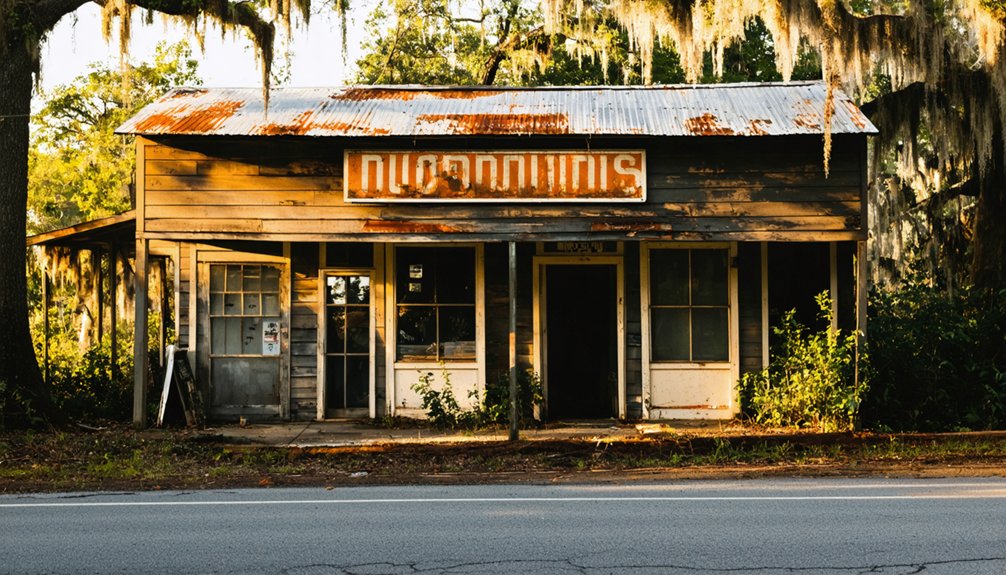
You’ll want to plan your road trip to East Krotz Springs between late summer and early fall, when flood risks are lowest and the Atchafalaya’s water levels have receded enough to reveal the ghostly landscape beneath.
Keep a close eye on the Morganza Spillway gates, because once they open, the entire site slips beneath the floodwaters, swallowing whatever remains of Latania’s forgotten past.
The Atchafalaya National Wildlife Refuge also maintains specific access windows, so checking with refuge managers before you head out can save you a wasted three-hour drive.
Optimal Visiting Seasons
Since East Krotz Springs spends a good chunk of the year submerged beneath floodwaters, timing your visit makes all the difference.
Fall and early spring offer ideal weather, drier conditions, and stunning seasonal wildlife along the Atchafalaya basin.
Plan your road trip around these perfect windows:
- October through November: Cooler temperatures, lower water levels, and migrating birds create unforgettable scenery
- March through April: Wildflowers reclaim the refuge lands before summer humidity settles in
- Avoid summer: Heat and mosquitoes make exploration genuinely miserable
- Watch Morganza Spillway updates: When those floodgates open, East Krotz Springs disappears entirely underwater
You’re chasing a place that exists on its own terms, not yours.
Check river conditions before you load up the car and hit the road.
Flood Risk Timing
Flood risk at East Krotz Springs isn’t just a footnote — it’s the whole story. The town didn’t slowly fade; it drowned, repeatedly, until nobody came back.
Before you go, check flood prediction reports from the Army Corps of Engineers — they control the Morganza Spillway gates that can submerge this entire area within hours.
Historical records show the worst flooding hits between March and June, mirroring the Atchafalaya River’s peak discharge cycles. The 1912 and 1913 levee breaks happened in that same window, swallowing the community whole.
Your freedom to roam this land depends entirely on water levels upstream.
Dry summer months — July through October — give you the best odds of standing on ground that was once someone’s home.
Wildlife Refuge Access Windows
Timing your visit to East Krotz Springs means working around two gatekeepers: the Morganza Spillway and the Atchafalaya National Wildlife Refuge‘s seasonal access rules. Hit the sweet spot, and you’ll find yourself wandering forgotten land where a lumber town once hummed with life.
Plan around these access windows:
- Late spring through early summer offers prime wildlife observation after floodwaters recede.
- Fall months align with seasonal migrations, drawing waterfowl across the Atchafalaya basin.
- Dry years mean spillway gates stay closed, keeping the townsite accessible longer.
- Winter visits reward patient explorers with quieter refuge trails and clearer sightlines.
Check the U.S. Army Corps of Engineers’ spillway status before leaving home — that single call saves wasted miles.
What Other Ghost Towns Can You Explore Near East Krotz Springs?
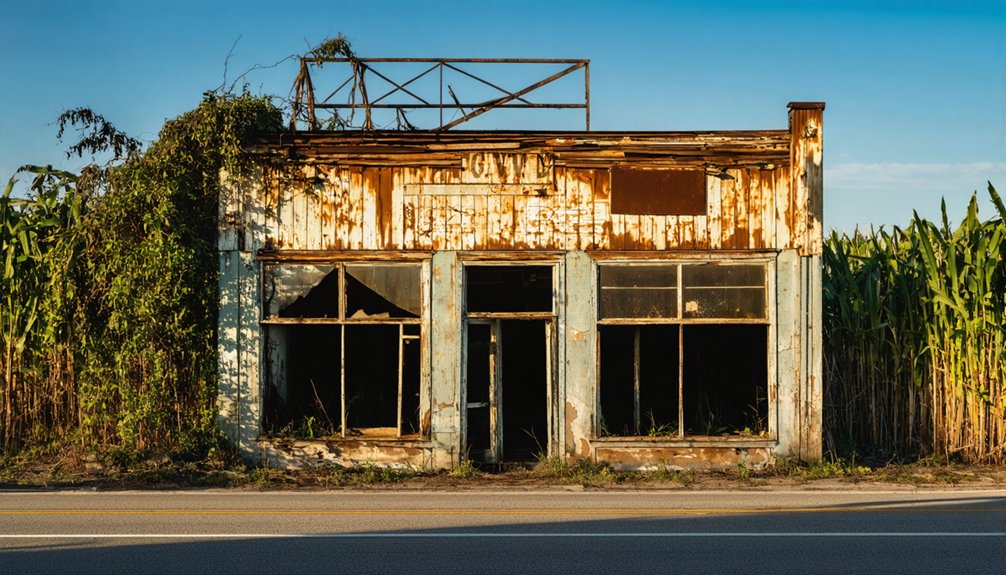
While you’re exploring the haunted silence of East Krotz Springs, Pointe Coupee Parish has more forgotten communities waiting to pull you deeper into Louisiana’s layered past.
Elliot City stands out among nearby attractions worth adding to your ghost town exploration itinerary. Like East Krotz Springs, it surrendered to flood, time, and shifting river patterns, leaving behind nothing but memory pressed into the landscape.
These vanished places share a common story — ambitious settlers, thriving industries, then water claiming everything.
Krotz Springs itself, just across the river, carries echoes of its old health resort identity, giving you a living contrast to the silence surrounding it.
String these stops together, and you’ll experience Louisiana history the way it actually happened — raw, unfiltered, and beautifully unresolved.
Can You Still Access East Krotz Springs Safely Today?
Getting to East Krotz Springs today means accepting a landscape that doesn’t want to be easily found. This ghost town‘s historical significance lives beneath floodwaters and refuge boundaries now.
You’re entering wild territory, so come prepared:
- Check whether Morganza Spillway gates are open before visiting — the site floods completely when they operate
- Access runs west from Livonia through Pointe Coupee Parish back roads
- The Atchafalaya National Wildlife Refuge manages this land, so respect posted boundaries
- Use Krotz Springs directly across the river as your navigational anchor
Ghost towns like this one reward patient explorers willing to read the landscape instead of expecting ruins.
There’s nothing left standing, but standing there still means something. Freedom feels like that sometimes — finding significance in empty spaces.
Frequently Asked Questions
What Was the Population of East Krotz Springs at Its Peak?
Unfortunately, you won’t find exact peak population figures for East Krotz Springs. Its historical significance shines through population trends tied to the thriving lumber mill era, when this lively community buzzed with workers chasing freedom along the Atchafalaya’s wild banks.
Are Permits Required to Visit the Atchafalaya National Wildlife Refuge?
You don’t need permits for most visits, but wildlife conservation rules apply. The refuge’s historical significance whispers through its waters — explore freely, yet respect nature’s boundaries as you uncover East Krotz Springs’ haunting, submerged secrets.
What Wildlife Species Now Inhabit the Former East Krotz Springs Area?
While the knowledge base doesn’t specify exact species, you’ll discover thriving wildlife observation opportunities where East Krotz Springs once stood. Nature’s reclaimed this forgotten town through remarkable ecosystem restoration, welcoming birds, fish, and countless creatures you’d never expect calling a ghost town home.
How Often Does the Morganza Spillway Open and Flood the Area?
Like a sleeping giant, the Morganza Spillway rarely awakens — it’s opened only a handful of times since 1954. When flood management demands it, you’ll witness environmental impact transform East Krotz Springs into a watery grave once more.
Were Any Historical Artifacts Recovered Before East Krotz Springs Was Abandoned?
There’s no record of archaeological findings or recovered artifacts tied to East Krotz Springs’ historical significance. You’d imagine folks grabbed what they could before the floods swallowed their homes, leaving memories underwater forever.
References
- https://en.wikipedia.org/wiki/East_Krotz_Springs
- https://kids.kiddle.co/East_Krotz_Springs
- http://wikimapia.org/37768839/East-Krotz-Springs-Latania-Louisiana-Ghost-Town
- https://k945.com/these-3-louisiana-ghost-towns-are-just-a-road-trip-away/
- https://973thedawg.com/louisiana-ghost-towns/
- https://en.wikipedia.org/wiki/Category:Ghost_towns_in_Pointe_Coupee_Parish
- https://www.ezhomesearch.com/blog/ghost-towns-in-louisiana/
- https://krotzsprings.org/town-history