Planning a ghost town road trip to Floral, South Dakota means heading to the northern part of the state with reliable GPS, paper maps, and plenty of supplies since services are scarce out there. Founded in 1880, Floral once thrived as both a mining hub and trading center, giving it a richer story than most forgotten towns. Check road conditions before you go, visit in late spring or early fall, and stick around to uncover everything this overlooked destination has to offer.
Key Takeaways
- Floral is in northern South Dakota, best reached from larger nearby cities using state highways and reliable GPS due to limited cell service.
- Founded in 1880, Floral served as both a mining hub and trading center, giving it a richer history than most ghost towns.
- Weathered structures, crumbling foundations, and nature-reclaimed buildings create an eerie, authentic atmosphere ideal for exploration and photography.
- Pack water, food, and fuel before departing, as services near Floral are extremely scarce throughout the surrounding rural area.
- Visit during late spring or early fall for the best weather, and always check road conditions before heading out.
Where Is Floral, South Dakota and How Do You Get There?
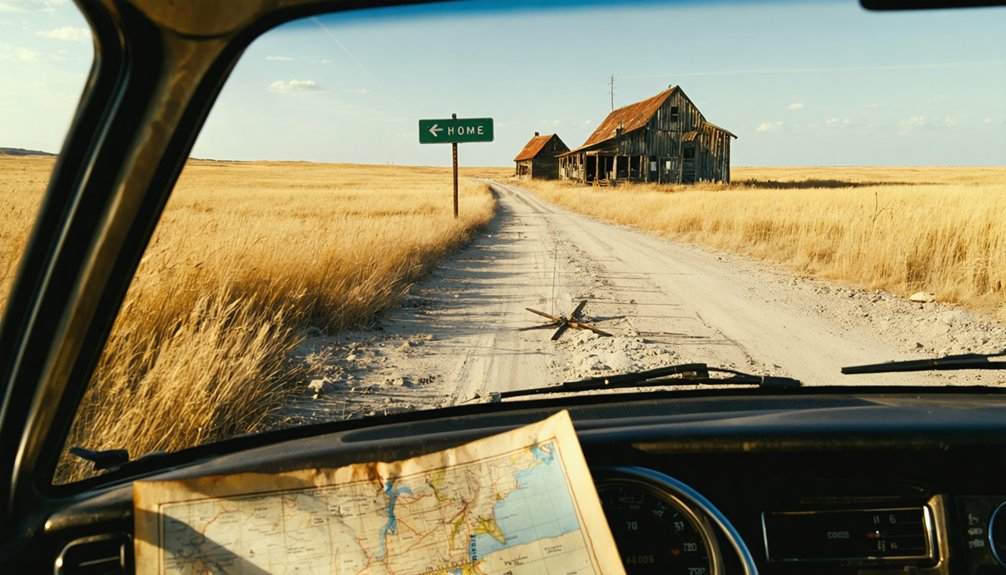
Tucked away in the northern reaches of South Dakota, Floral is a ghost town that’ll reward the curious traveler willing to seek it out. Understanding Floral geography is your first step toward planning a successful visit.
Floral rewards the curious traveler — but only those willing to seek out its remote northern South Dakota secrets.
The town sits in the northern part of the state, making it accessible from several major highways cutting through the region.
When mapping your travel routes, consider starting from larger nearby cities and heading north, using state highways that weave through South Dakota’s open landscape.
You’ll want a reliable GPS and a detailed paper map as backup, since remote destinations like Floral don’t always have strong cell service.
Fill your gas tank before you head out — services get sparse the deeper into the northern plains you drive.
Why Floral Stands Out Among South Dakota Ghost Towns
Once you’ve sorted out how to reach Floral, you’ll naturally start wondering what makes it worth the drive in the first place. Floral significance runs deeper than its abandoned buildings suggest. Founded in 1880, it served as both a mining hub and trading center — a rare dual role that shaped the surrounding region’s early economy.
That combination gives Floral a richer story than many comparable sites. Ghost town culture thrives in places where real history collides with silence, and Floral delivers exactly that.
You’re not just walking through empty structures; you’re stepping into a northern South Dakota settlement that once had genuine purpose and momentum.
For travelers who crave authentic, undiscovered destinations over crowded tourist stops, Floral rewards curiosity with something most roadside attractions simply can’t offer.
Floral South Dakota’s History as a Mining and Trading Hub
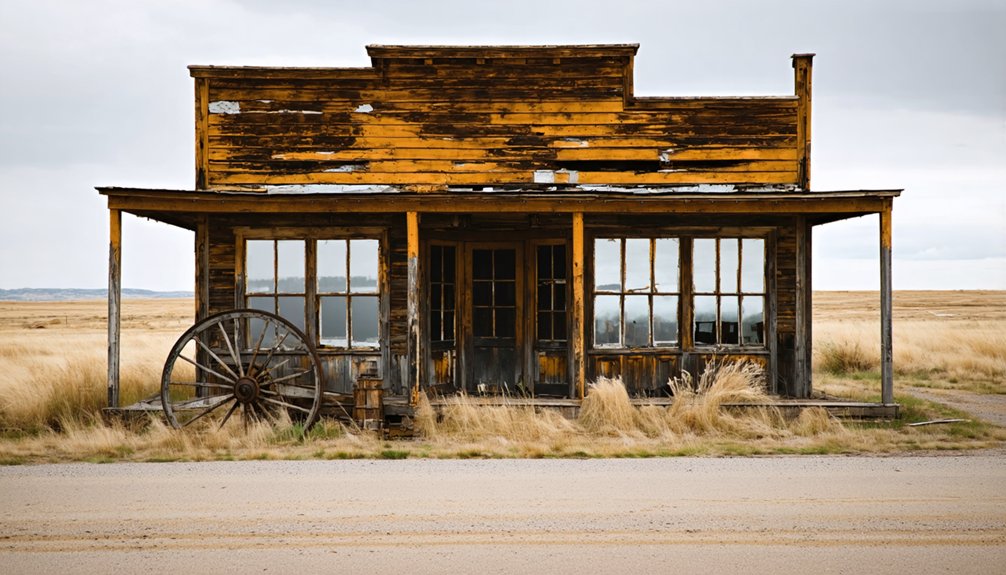
Floral’s founding in 1880 wasn’t accidental — it emerged at the intersection of two economic forces that rarely converged in northern South Dakota. Its mining significance drew prospectors seeking fortune beneath the region’s rugged terrain, creating immediate demand for supplies, services, and commerce.
That demand fueled Floral’s trading practices, transforming the settlement into a practical exchange point where miners, ranchers, and travelers conducted business. You can picture the energy — goods moving in, extracted resources moving out, and a community briefly thriving on that productive tension.
When you visit today, you’re walking ground that once hummed with genuine economic purpose. Understanding that dual identity — mine and marketplace — gives you a richer lens for appreciating what Floral was before silence eventually claimed it.
What Remains Standing in Floral Today
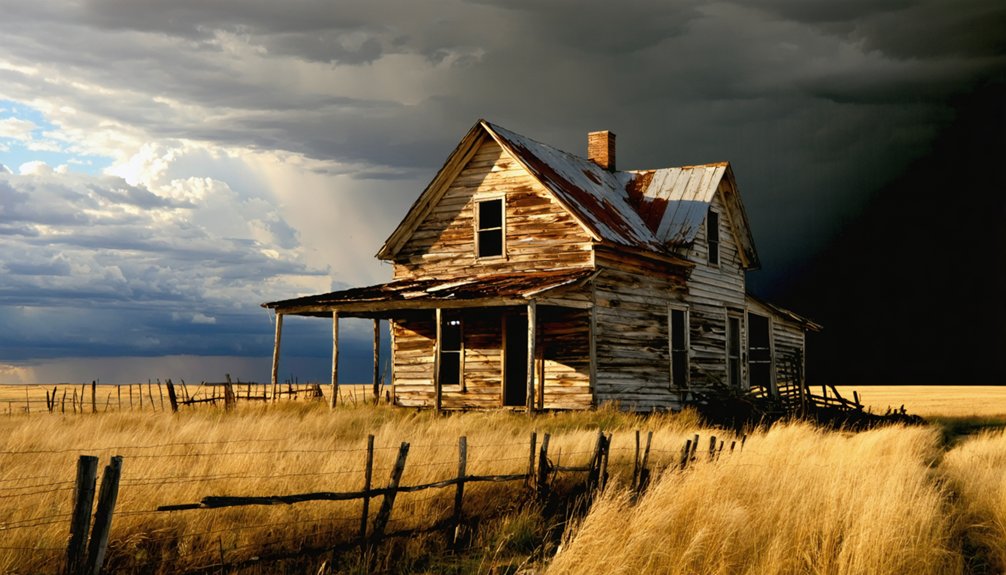
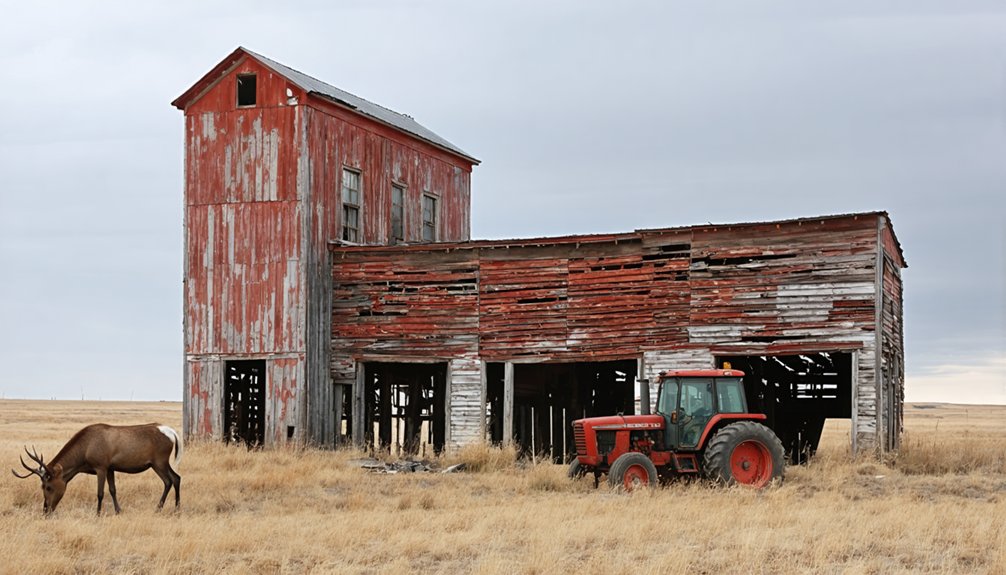
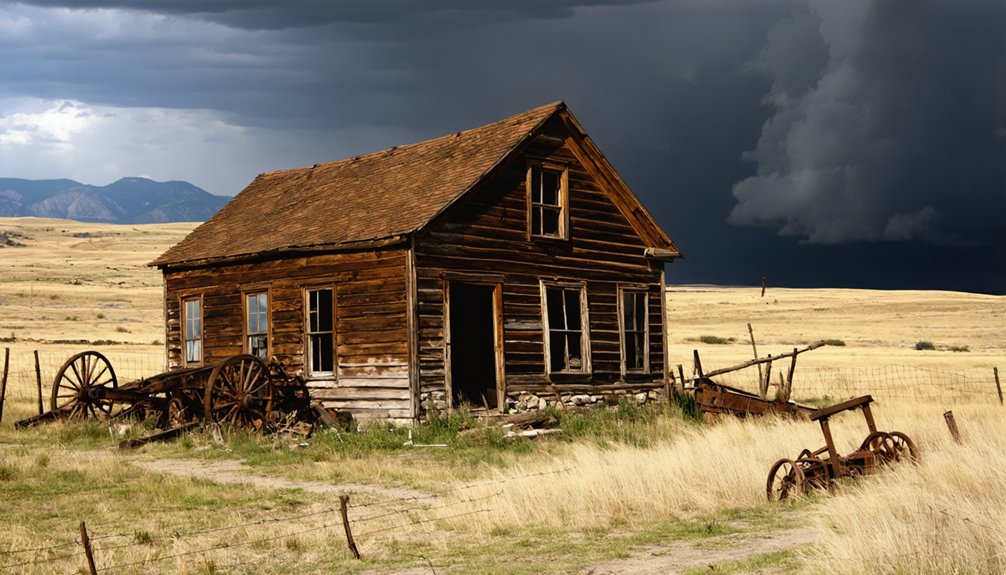
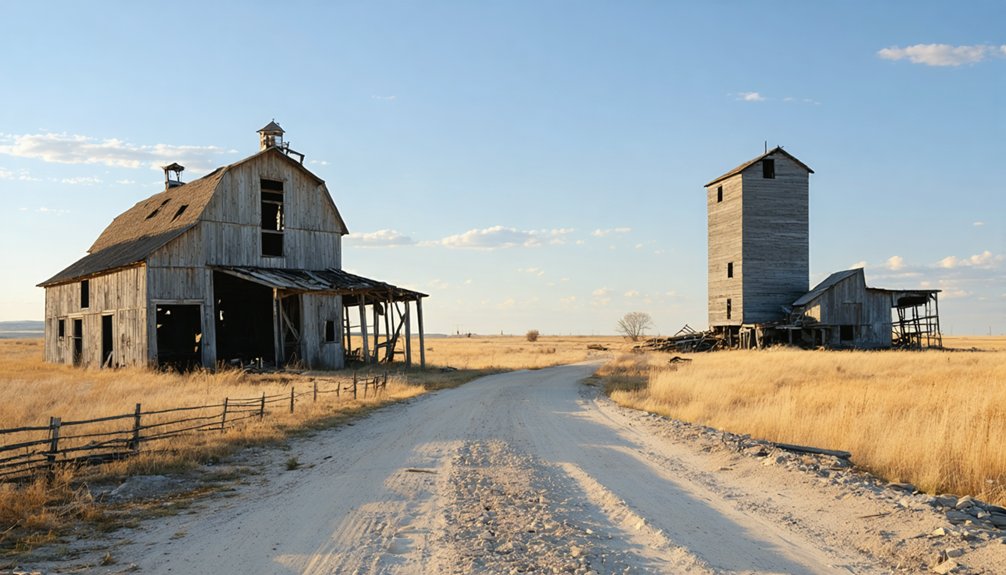
What greets you in Floral today is mostly silence and scattered remnants — weathered wood, crumbling foundations, and structural outlines that hint at what once stood. The abandoned structures that survive tell a fragmented story of the town’s mining and trading past, though nature has steadily reclaimed much of what settlers built.
Walking through Floral, you’ll notice how quickly the land erases human ambition. A few deteriorating walls and collapsed rooflines mark where commerce and community once thrived. Local folklore suggests that certain buildings served dual purposes during Floral’s peak years, though verifying those stories proves difficult without solid documentation.
What you’re really exploring here is atmosphere — the kind that only a genuinely forgotten place delivers. Floral rewards the curious traveler who appreciates raw, unpolished history.
How to Plan Your Visit to Floral, South Dakota
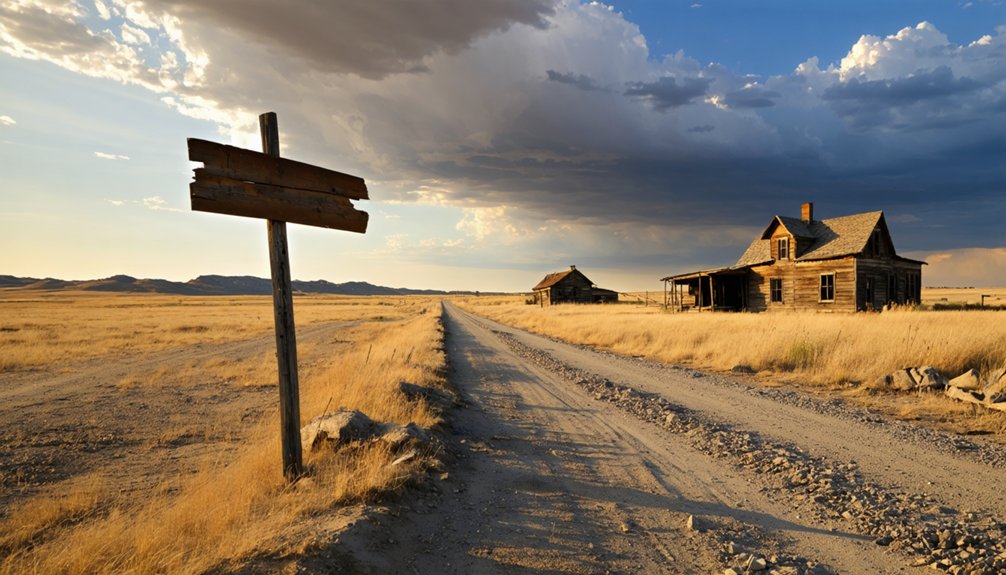
Taking in Floral’s haunting stillness is one thing — getting there without a solid plan is another. Located in northern South Dakota, this ghost town rewards visitors who prepare smart.
Use these visiting tips to make the most of your trip to Floral’s attractions:
- Check road conditions before you leave — rural northern South Dakota roads can be unpredictable.
- Bring your own water, food, and fuel since services are scarce nearby.
- Visit during late spring or early fall for the most comfortable weather.
- Pack a camera to document the abandoned settlement’s eerie character.
- Respect the site by leaving everything as you find it.
You’ve got the freedom to explore on your own terms — just make sure you’re ready before you roll out.
Frequently Asked Questions
What Is the Best Time of Year to Visit Floral?
Like Steinbeck’s open road calling, you’ll want to visit Floral in summer. It’s the ideal season to explore Floral history, enjoy mild weather, and experience any seasonal events tied to South Dakota’s northern ghost town charm.
Are There Any Guided Tours Available for Floral Ghost Town?
You won’t find official guided tours at Floral, but you can embrace independent guided exploration of its historical significance. Pack your curiosity, research the town’s 1880s mining roots, and you’ll uncover fascinating stories on your own adventure!
Is It Legal to Take Artifacts or Souvenirs From Floral?
You shouldn’t take artifacts from Floral, as artifact preservation laws protect items of historical significance. Respecting these rules guarantees future explorers enjoy the same experience, keeping the ghost town’s intriguing story alive for everyone’s freedom to discover.
What Nearby Accommodations Are Available When Visiting Floral?
You’ll find it’s no coincidence that nearby towns offer cozy accommodation options just when you need rest after exploring Floral. You can discover charming local dining and comfortable lodging within short driving distances of this hauntingly beautiful ghost town.
Are There Any Safety Concerns Visitors Should Know About Floral?
When exploring Floral, you’ll want to stay alert to wildlife encounters and unpredictable weather conditions. Abandoned structures can be unstable, so watch your step carefully. You’re embracing true freedom out here, but smart preparation keeps your adventure safe!
References
- https://en.wikipedia.org/wiki/List_of_ghost_towns_in_South_Dakota
- https://www.youtube.com/watch?v=uZWYRDLR0iU
- https://www.ghosttowns.com/states/sd/sd.html
- https://deutsch.wikibrief.org/wiki/List_of_ghost_towns_in_South_Dakota
- https://www.legendsofamerica.com/south-dakota-ghost-towns/
- https://www.atlasobscura.com/things-to-do/south-dakota/ghost-towns
- https://www.facebook.com/groups/593649794978720/posts/1096557371354624/
- https://openprairie.sdstate.edu/etd/4061/
- https://www.travelsouthdakota.com/trip-ideas/abandoned-beauty-ghost-towns-structures-south-dakota
- https://en.wikipedia.org/wiki/Category:Ghost_towns_in_South_Dakota