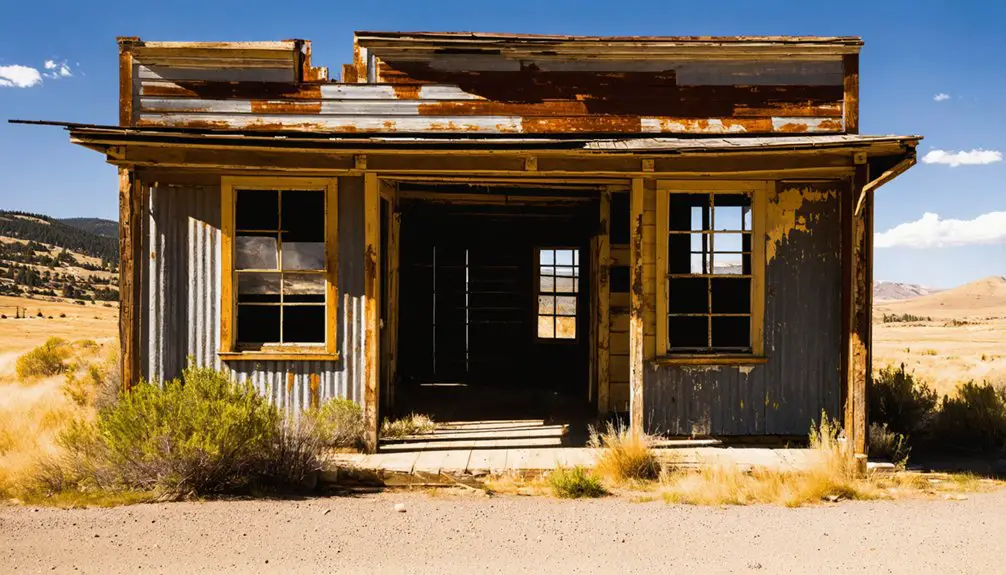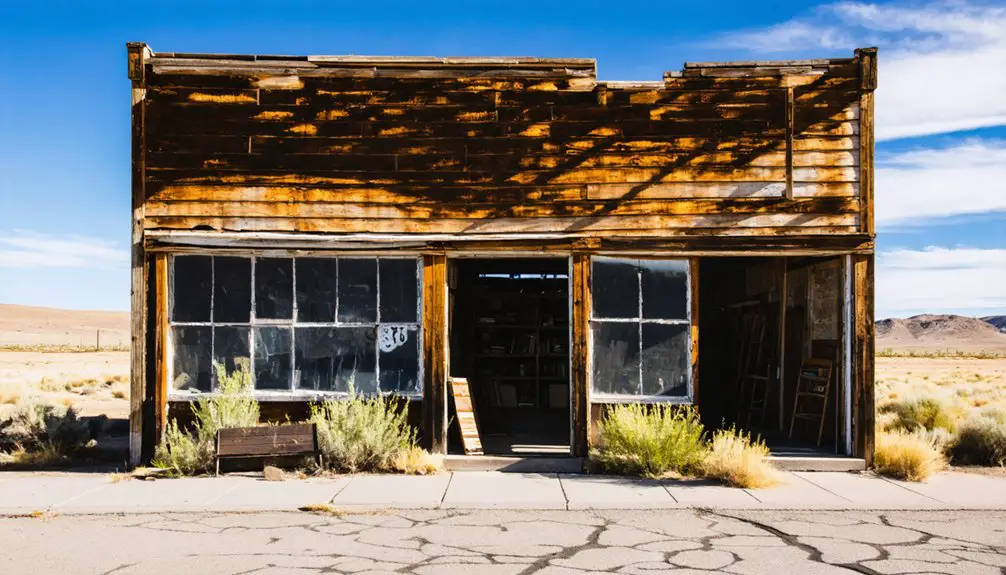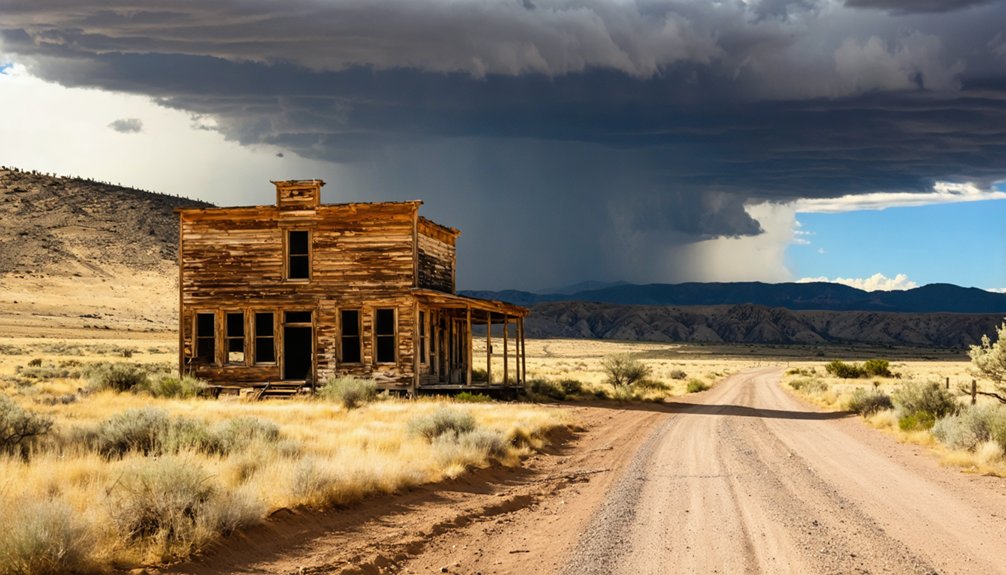
Granite, Oregon isn’t your typical ghost town — it’s still alive, with roughly two dozen residents holding the line against history. Tucked in northeastern Oregon at 4,695 feet, it’s 45 miles west of Baker City along Highway 410. You’ll find crumbling storefronts, old mines, and trails threading through wild forest. Pair it with nearby Sumpter, Greenhorn, and Susanville for a full ghost town circuit. There’s far more to this story than first appears.
Key Takeaways
- Granite, Oregon, sits 45 miles west of Baker City via Highway 410, crossing Blue Springs Summit at 5,864 feet elevation.
- The town currently houses roughly two dozen residents, making it a living ghost town rather than an abandoned historical site.
- Nearby ghost towns Sumpter, Greenhorn, and Susanville can be combined into one extended road trip along Highway 410.
- Visitors can explore the Cougar-Independence Mine, Fremont Powerhouse, and trails along the North Fork John Day River.
- Limited cell service, winter road conditions, and remote terrain require advance planning before visiting Granite and surrounding areas.
What Is Granite, Oregon: and Why Is It Still Standing?
Tucked into the forested hills of northeastern Oregon at 4,695 feet, Granite is one of those rare ghost towns that refused to die. Its Granite history begins July 4, 1862, when miners struck gold along a creek they fittingly named Independence.
Within a decade, 5,000 people had arrived chasing fortune, building saloons, hotels, and newspapers from raw wilderness.
That mining legacy eventually faded, hollowed out by war, depression, and isolation. By 1960, only two residents remained.
Yet Granite never fully surrendered. Today, roughly two dozen people still call it home, keeping the community breathing where others collapsed entirely into silence.
When you roll into town, you’re entering a living relic — a place where history isn’t preserved behind glass. It’s still standing in the streets around you.
What Makes Granite, Oregon Worth the Drive?
But knowing Granite survived is one thing — understanding why it’s worth your time to get there is another.
Granite isn’t a polished museum or a curated experience. It’s raw, unfiltered Gold Rush history still standing in the open air.
Granite isn’t preserved behind velvet ropes — it’s raw, breathing Gold Rush history still standing where it fell.
You’ll walk streets where fortune seekers, European immigrants, and Chinese laborers once carved a community from granite bedrock. The Mining Heritage here isn’t behind glass — it surrounds you.
Collapsed storefronts, weathered cemeteries, and silent mines tell stories no exhibit could replicate.
Beyond the town itself, trails branch into forests along the North Fork John Day River, and nearby ghost towns like Sumpter and Greenhorn extend your journey deeper into Oregon’s forgotten past.
Granite rewards the curious traveler willing to leave the pavement behind.
How to Get to Granite From Baker City
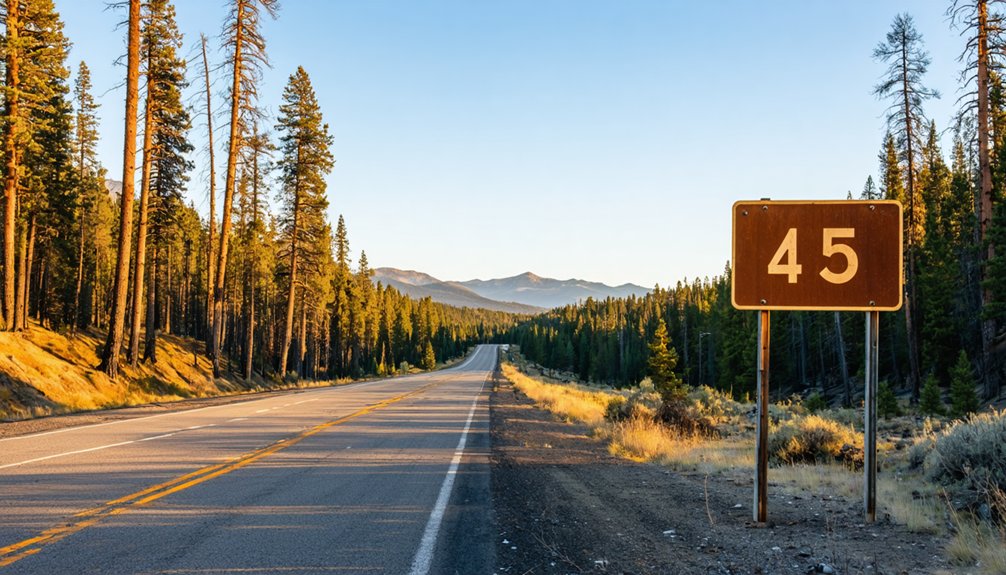
Getting to Granite means driving 45 miles west of Baker City into the forested hills of Northeastern Oregon — a journey that feels intentional, almost earned.
Follow Highway 410 west from Sumpter, then turn north onto Granite Hill Road, climbing over Blue Springs Summit at 5,864 feet. The paved road stretches 16 miles through one of Oregon’s most rewarding scenic routes, where towering pines replace cell service and local legends seem to drift through the tree line.
Enter town via W Center Street on your right. Winter months keep Highway 410 accessible, though the elevation — 4,695 feet in Grant County — demands respect.
You’re not just traversing geography here; you’re tracing the same remote corridors that once drew fortune seekers, European immigrants, and Chinese miners chasing gold.
Top Trails, Mines, and Historical Sites Near Granite
Once you’ve rolled into Granite, the surrounding landscape opens up into something worth exploring on foot, by trail, and through the remnants of what was once a booming mining district.
The Cougar-Independence Mine sits a short drive away, grounding you in the region’s mining history with striking immediacy.
The Cougar-Independence Mine waits just down the road — a hard, immediate reminder of what this country was built on.
Trail highlights include the North Fork John Day River, Olive Lake perimeter, Lake Creek, Granite Creek, and Mount Ireland routes — each cutting through forested terrain that feels genuinely untamed.
The Fremont Powerhouse and Olive Lake add historical and scenic depth to any route you choose.
Nearby ghost towns like Greenhorn and Susanville extend the story further if you’re willing to push deeper into Oregon’s forgotten corners.
There’s real ground here to cover, and it rewards the curious.
Nearby Ghost Towns to Pair With Your Granite Visit
Granite doesn’t stand alone out here — Greenhorn and Susanville sit nearby, each carrying their own chapter of Oregon’s mining collapse.
Pair your visit with these neighboring remnants:
- Sumpter — Sumpter history runs deep; walk its dredge site and feel the scale of industrial gold extraction firsthand.
- Greenhorn — One of Oregon’s highest towns, Greenhorn legends whisper through collapsed walls and empty lots.
- Susanville — Nearly swallowed by forest, this ghost town barely left traces behind.
- The Open Road Between — Highway 410 connects these sites naturally, letting you move freely through layers of boom-and-bust Oregon.
Each stop adds context.
Together, they paint a region that burned bright, collapsed hard, and left the landscape to reclaim what men abandoned.
Frequently Asked Questions
What Services and Amenities Are Currently Available for Visitors in Granite?
You’ll find the Granite Outback general store, gasoline, and The Lodge at Granite awaiting you. These services complement the town’s historical significance, letting you explore local attractions while experiencing this resilient community’s enduring, freedom-filled spirit.
What Is the Best Time of Year to Visit Granite, Oregon?
Summer’s your best bet for exploring Granite’s weathered streets. Seasonal activities peak when weather patterns ease, letting you freely roam trails, historic sites, and ghost town remnants without battling the brutal winters that once challenged early miners.
Are There Any Lodging Options Available for Overnight Stays in Granite?
Like pioneers chasing gold, you’ll find lodging options at The Lodge at Granite awaiting your arrival. Camping facilities dot the surrounding forested trails, letting you freely explore this historically rich, nearly forgotten corner of northeastern Oregon.
How Did Granite, Oregon Get Its Name Changed From Independence?
You’ll find the Name Origins rooted in 1878, when abundant igneous rock prompted the Historical Significance of renaming Independence to Granite, distinguishing it from another existing Independence town while honoring the region’s geological character.
What Is the Current Population of Granite, Oregon Today?
Don’t let the tiny numbers fool you — Granite’s current population sits around 24, but its ghost town history and local attractions make it a surprisingly vibrant destination you’ll love exploring.
References
- https://cabinfeverchronicles.com/2016/08/31/granite-or-an-almost-ghost-town/
- https://www.youtube.com/watch?v=vcUSHNMGLDU
- https://www.islands.com/1931526/hidden-oregon-smallest-city-abandoned-mining-town-outdoor-activities/
- https://www.historicsumpter.com/granite-oregon-ghost-town/
- https://westernmininghistory.com/towns/oregon/granite/
- https://www.treasurenet.com/threads/granite-oregon-ghost-town.40034/
- https://offbeatoregon.com/2409a0905d_granite-665.024.html