Silver City Ghost Town in Bodfish, California puts you face-to-face with more than twenty authentic Gold Rush-era buildings rescued from demolition and reassembled into a single, walkable frontier settlement. You’ll explore weathered saloons, an old jail, and staged period scenes that make the 1855 Kern Valley mining era feel startlingly close. It’s located at 3829 Lake Isabella Blvd, with admission around $7.50. Everything you need to plan your trip is just ahead.
Key Takeaways
- Silver City Ghost Town is located at 3829 Lake Isabella Blvd, Bodfish, CA 93205, best visited between 10:00 a.m. and 4:00 p.m.
- Admission costs approximately $7.50 per person; children under six enter free, so bring cash for entry.
- The site features over twenty historic Gold Rush-era structures, including a jail, saloons, and weathered storefronts arranged around a central courtyard.
- Enhance your road trip by taking scenic Highway 178, stopping at nearby Lake Isabella for fishing or the Kern River for rafting.
- Wear comfortable shoes for dusty paths, bring a camera for photography, and confirm seasonal hours before departing.
What Is Silver City Ghost Town in Bodfish?
Tucked just south of Lake Isabella in the Kern River Valley, Silver City Ghost Town isn’t your typical abandoned settlement left to crumble on its own. Instead, you’re stepping into a carefully preserved composite of over twenty historic structures relocated from actual Gold Rush-era mining camps across the Kern Valley.
The Dave and Arvilla Mills family started moving these buildings here in the late 1960s, rescuing them from demolition. Former settlements like Keyesville, Whiskey Flat, and Claraville all contributed pieces to what you see today.
The Corlew family later restored the site, reopening it in 1992.
After years of dormancy, the Corlew family breathed new life into Silver City, restoring and reopening it in 1992.
Beyond the history, ghost town myths and reported paranormal experiences have given Silver City a distinctly eerie reputation, making it compelling for anyone craving both authentic frontier heritage and something a little harder to explain.
What You’ll Actually See When You Visit Silver City Ghost Town
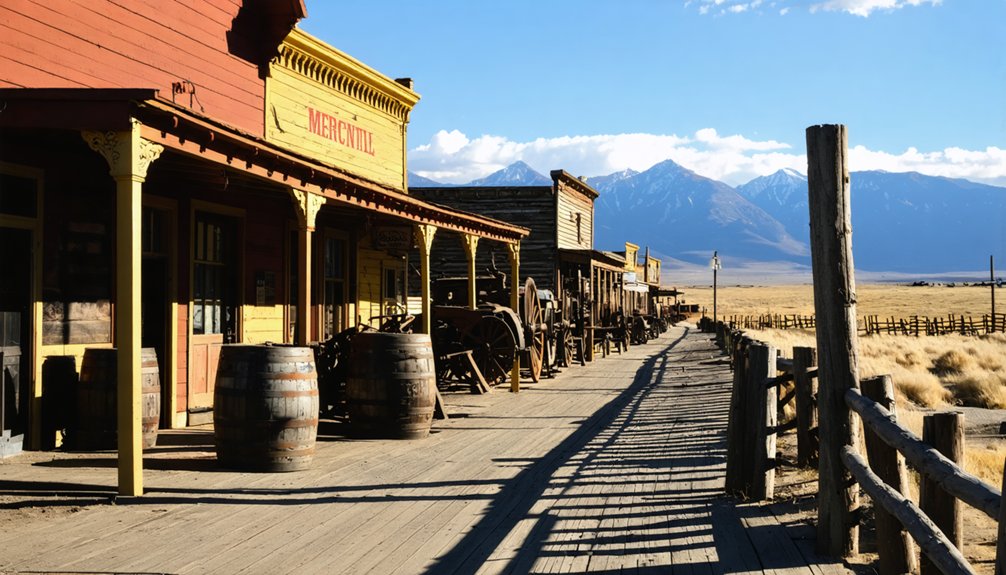
When you step through the entrance at Silver City Ghost Town, you’ll find more than twenty historic structures relocated from Gold Rush-era camps like Keyesville, Whiskey Flat, and Claraville, each arranged around a sprawling frontier-style courtyard.
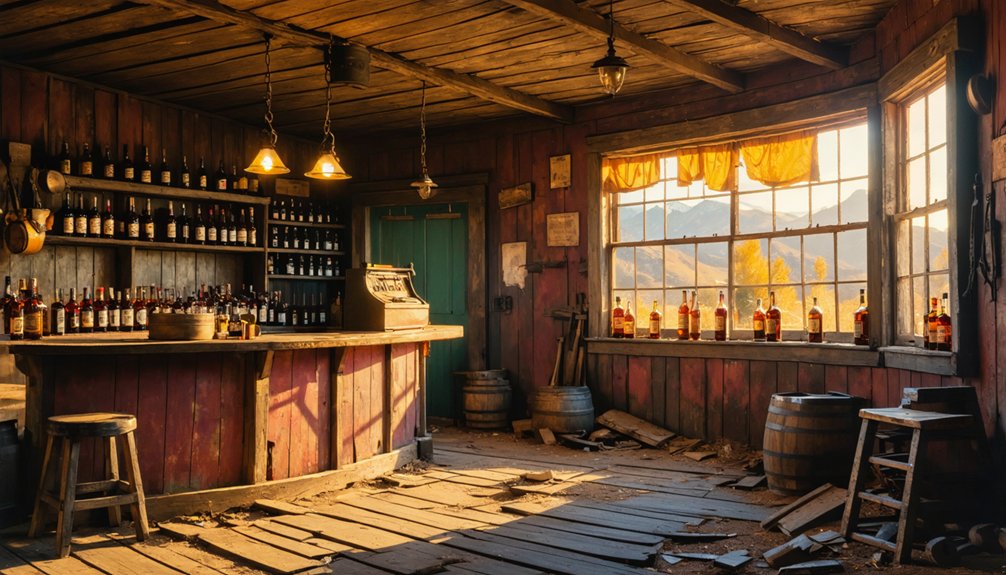
You’ll move through a town jail, weathered storefronts, and old saloons filled with artifacts, staged period displays, and mannequin figures frozen mid-story in another century.
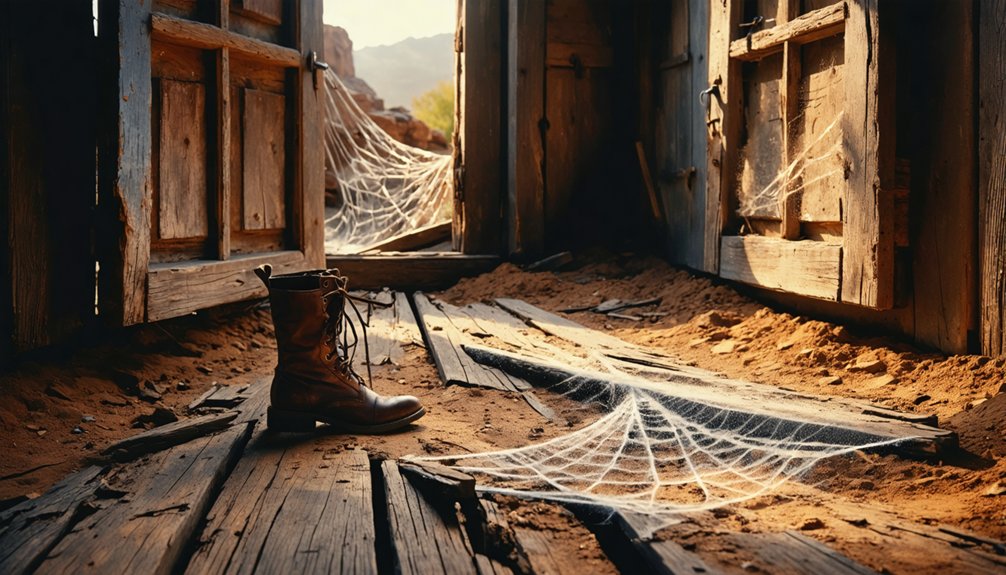
The layout reads less like a museum and more like a frontier settlement caught in arrested decay, making it one of the more visually striking and photography-friendly stops in the Kern River Valley.
Historic Buildings And Structures
Spread across a large courtyard in the quiet community of Bodfish, Silver City Ghost Town‘s collection of more than twenty historic structures pulls you straight into the rough-and-tumble world of California’s Gold Rush frontier.
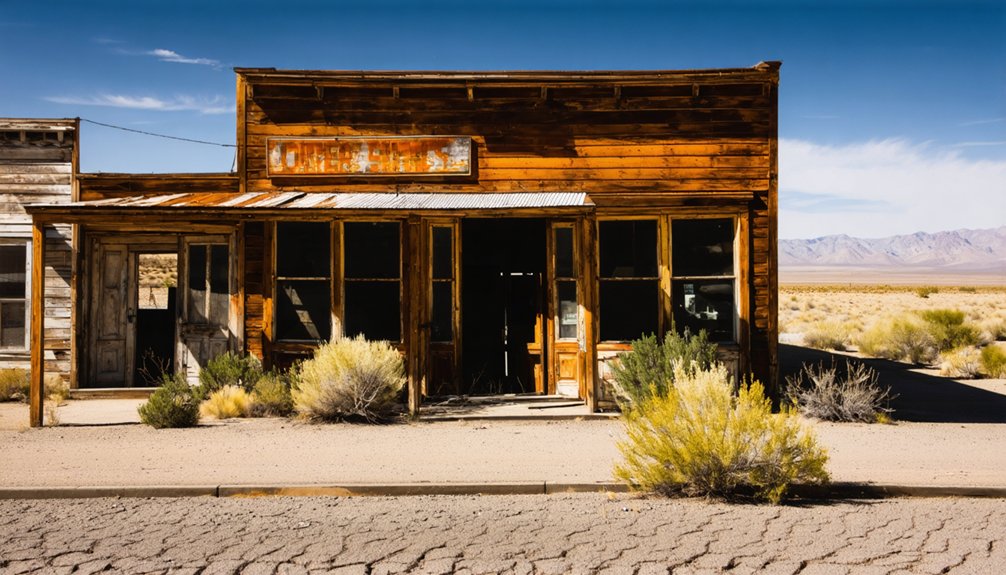
Each building showcases historic architecture rescued from vanishing mining camps like Keyesville, Whiskey Flat, and Claraville. Thoughtful preservation techniques kept these weathered walls standing for future generations to explore freely.
Three standout experiences await you:
- Step inside the town jail, where frontier justice once played out in cramped, unforgiving quarters.
- Examine staged artifact displays, featuring mannequins and period tools that breathe life into abandoned stories.
- Read interpretive notices detailing each building’s original settlement and relocation history.
You’re not just sightseeing here — you’re walking through rescued history.
Artifacts And Period Displays
Step through any doorway at Silver City Ghost Town and the past greets you in tangible form — mannequin figures posed mid-task, hand tools rusted from decades of disuse, and period furnishings arranged as though their owners simply stepped out.
Each room carries artifacts significance beyond mere decoration; these objects represent real lives from Kern Valley’s 1855 gold rush era. The period displays don’t sanitize history — they preserve its rough texture.
You’ll encounter staged scenes inside structures relocated from Keyesville, Whiskey Flat, and Claraville, each telling a distinct story. Interpretive notices throughout the grounds give context without overwhelming you.
It’s hands-on history without velvet ropes, letting you move freely through spaces that once housed miners, merchants, and frontier families chasing something worth risking everything for.
Frontier Town Layout
Those artifacts don’t exist in isolation — they live inside a carefully arranged frontier layout that shapes how you experience everything around you. The ghost town architecture surrounds a large central courtyard, pulling you through decades of historical preservation without a single guided prompt.
Here’s what anchors the experience:
- The courtyard spine — buildings face inward, creating an immersive, walkable frontier street you explore at your own pace.
- The town jail — weathered and compact, it hits differently when you’re standing inside it alone.
- Interpretive notices — posted on structures, they trace each building back to its original settlement.
You’re not observing history from behind glass. You’re walking through it, breathing it in, free to linger wherever the past grabs your attention.
Why Silver City’s Buildings Were Moved Here in the First Place
When Kern Valley’s gold deposits played out after the 1855 rush, entire communities simply emptied, leaving behind structures with nowhere left to belong.
Rather than watch those buildings collapse or fall to demolition crews, the Mills family began relocating them to this Bodfish site in the late 1960s and early 1970s.
What you’re walking through today is fundamentally a rescue operation — a concentrated archive of ghost towns that would otherwise exist only in old photographs.
Saving History From Demolition
By the mid-twentieth century, the old mining settlements scattered across the Kern River Valley were disappearing fast — not from neglect alone, but from active demolition as California’s rural landscape modernized.
The Dave and Arvilla Mills family recognized what was being lost and acted. Their mission focused on three urgent realities:
- Gold Rush-era structures from camps like Keyesville and Whiskey Flat faced permanent destruction.
- No formal historical preservation effort existed to protect Kern Valley’s cultural heritage.
- Relocating the buildings to a single site offered the only realistic path to saving them.
Starting in the late 1960s, they physically moved these structures to Bodfish.
You’re not looking at recreations when you visit — you’re standing inside authentic frontier buildings rescued from erasure.
Declining Mines Emptied Towns
Gold’s discovery in the Kern Valley in 1855 sparked the kind of frantic settlement that built towns overnight — general stores, saloons, jails, and boardinghouses rising from raw Sierra foothills within months of a single strike.
Keyesville, Whiskey Flat, Claraville, and a dozen other camps roared to life as miners chased the ore seams deeper into the mountains.
Then mining decline hit. When the deposits thinned, the population simply vanished, leaving behind empty storefronts and crumbling structures with no one left to maintain them.
Town abandonment followed naturally — buildings rotted, collapsed, or faced demolition as modern development crept forward.
What you see at Silver City exists precisely because someone intervened before those structures disappeared entirely, rescuing them from erasure and reassembling them into a single, walkable piece of Kern Valley history.
How to Reach Silver City Ghost Town From Bakersfield and Los Angeles
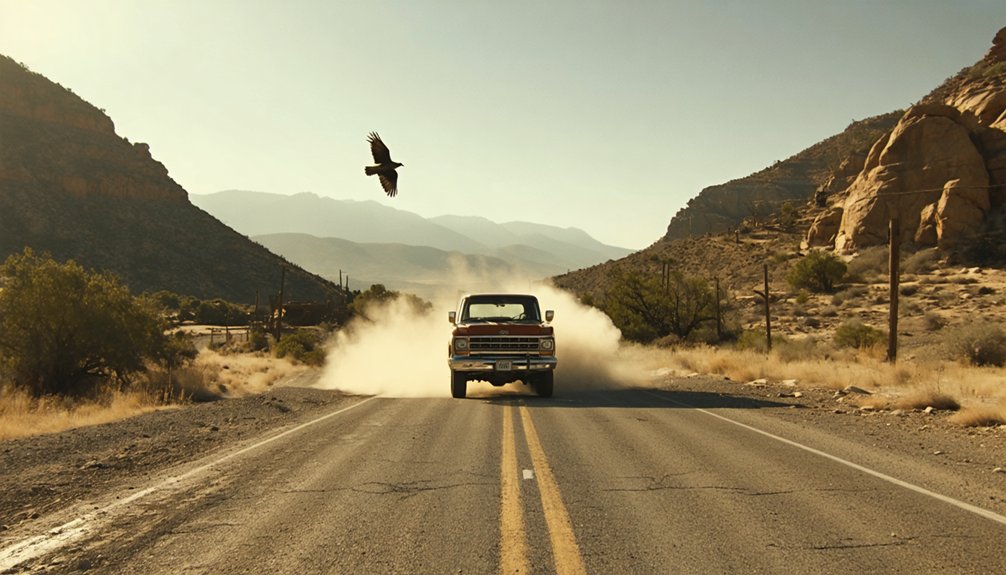
Getting to Silver City Ghost Town is straightforward from either Bakersfield or Los Angeles, and both routes carry you through scenery that sets the mood long before you arrive.
The drive to Silver City Ghost Town is half the adventure — both routes deliver scenery that builds anticipation mile by mile.
Travel tips for both scenic routes:
- From Bakersfield: Head east on Highway 178 roughly 40 miles into the Kern River Valley — about one hour through canyon walls and high desert.
- From Los Angeles: Drive approximately two hours north, connecting to Highway 178 through Bakersfield toward Lake Isabella, then turning south into Bodfish.
- Final approach: Follow Lake Isabella Boulevard to 3829 Lake Isabella Blvd, Bodfish, CA 93205 — you’ll spot the weathered storefronts easily.
Arrive between 10:00 a.m. and 4:00 p.m. to explore freely, and consider pairing the stop with Lake Isabella or the Kern River corridor.
Silver City Ghost Town Admission, Hours, and What to Know Before You Go
Once you’ve plotted your route, knowing what to expect at the gate makes the visit run smoother. Admission prices run around $7.50 per person, though older sources list $5.50 for adults and $4.50 for children ages 6–12. Kids under six get in free.
Seasonal hours shift with weather and ownership schedules, so confirm before you leave home. Standard operating hours fall between 10:00 a.m. and 4:00 p.m. daily, giving you a solid window to explore the grounds without rushing.
The address is 3829 Lake Isabella Blvd, Bodfish, CA 93205. Bring cash, wear comfortable shoes, and expect dusty paths between weathered structures. A camera is essential here — the light hitting these old Gold Rush-era buildings rewards patience and a good eye.
What to Do Near Silver City Ghost Town on the Same Trip
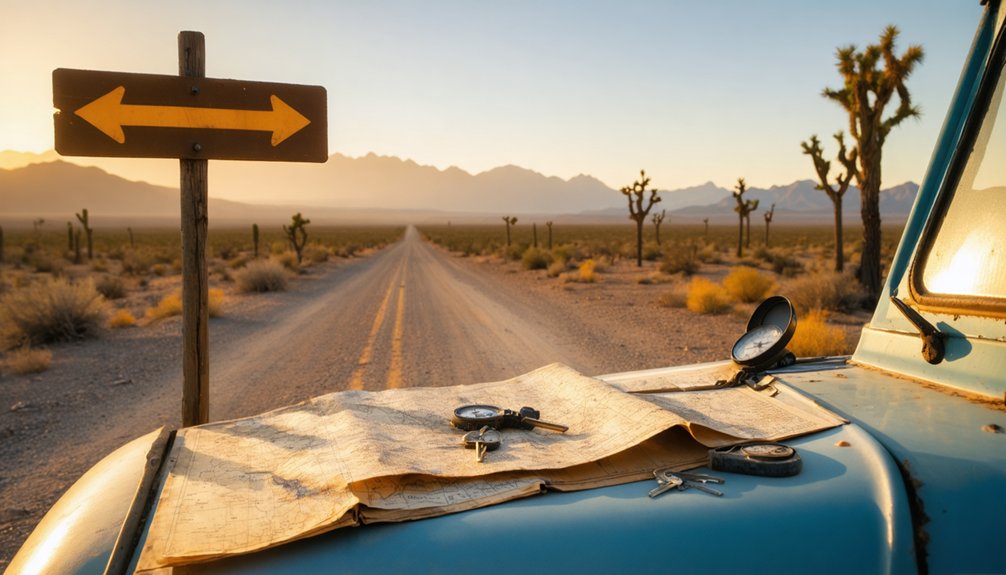
Everything around Silver City Ghost Town adds something worth stopping for. The Kern River Valley rewards travelers who linger, and the local attractions here run deeper than most expect along these scenic routes.
- Lake Isabella sits just north of Bodfish, offering fishing, boating, and wide desert-mountain views that feel genuinely untamed.
- Kern River draws white-water rafters and hikers through rugged canyon terrain carved over centuries of raw geology.
- Kernville delivers a charming frontier-flavored main street with restaurants, shops, and cold drinks after a long road day.
Highway 178 threads everything together beautifully.
Highway 178 doesn’t just connect these stops — it ties the whole valley into one unhurried, rewarding drive.
You’re not just visiting a ghost town — you’re dropping into a full valley with its own rhythm, history, and breathing room that reminds you why open roads still matter.
Frequently Asked Questions
Is Silver City Ghost Town Suitable for Young Children to Visit?
Dusty boardwalks and weathered walls spark wonder for little ones. You’ll find child friendly activities and educational opportunities woven through every artifact, making Silver City a nostalgic, living classroom your whole family will treasure.
Can Silver City Ghost Town Be Rented for Private Events or Film Shoots?
Silver City’s weathered streets have welcomed film crews before—you’ll want to contact the Corlew family directly about film permits and event rentals, as this living relic of Gold Rush freedom doesn’t advertise those arrangements publicly.
Are Pets Allowed on the Silver City Ghost Town Grounds?
The available details on Silver City’s pet policies aren’t confirmed, so you’ll want to call ahead before bringing your furry companion to explore these remarkable ghost town attractions steeped in Gold Rush nostalgia.
Is Silver City Ghost Town Accessible for Visitors With Mobility Limitations?
Specific accessibility features and mobility options aren’t confirmed in available records. You’ll want to call ahead, as the historic grounds’ uneven terrain may present challenges, but the pioneering spirit of Silver City awaits your exploration.
Does Silver City Ghost Town Have Restrooms or Food Available Onsite?
Spanning 20+ historic structures, Silver City’s restroom and food details aren’t confirmed onsite, so you’ll want to plan ahead. Pack your own provisions to fully embrace the historical significance and enrich your visitor experiences authentically.
References
- https://www.youtube.com/watch?v=u6ui-RCuSXA
- https://www.tripadvisor.com/Attraction_Review-g32092-d1049785-Reviews-Silver_City_Ghost_Town-Bodfish_California.html
- https://www.visitbakersfield.com/directory/silver-city-ghost-town/
- https://www.roadsideamerica.com/tip/22978
- https://www.islands.com/2189770/silver-city-ghost-town-bodfish-outside-bakersfield-california-museum-looks-like-western-movie/
- https://www.atlasobscura.com/places/silver-city-ghost-town
- https://www.youtube.com/watch?v=LGZchcEeXX4
- https://californiawanderland.com/silver-city-ghost-town-bodfish-california/
- https://www.facebook.com/JohnBartellNews/videos/silver-city-ghost-town/1838255773426587/
- https://www.yelp.com/biz/silver-city-ghost-town-and-antique-village-bodfish