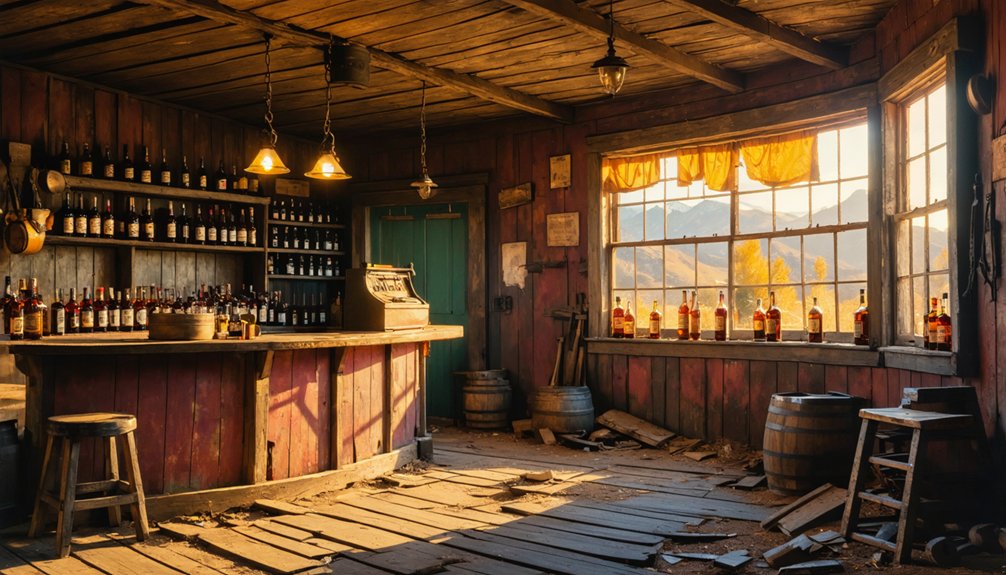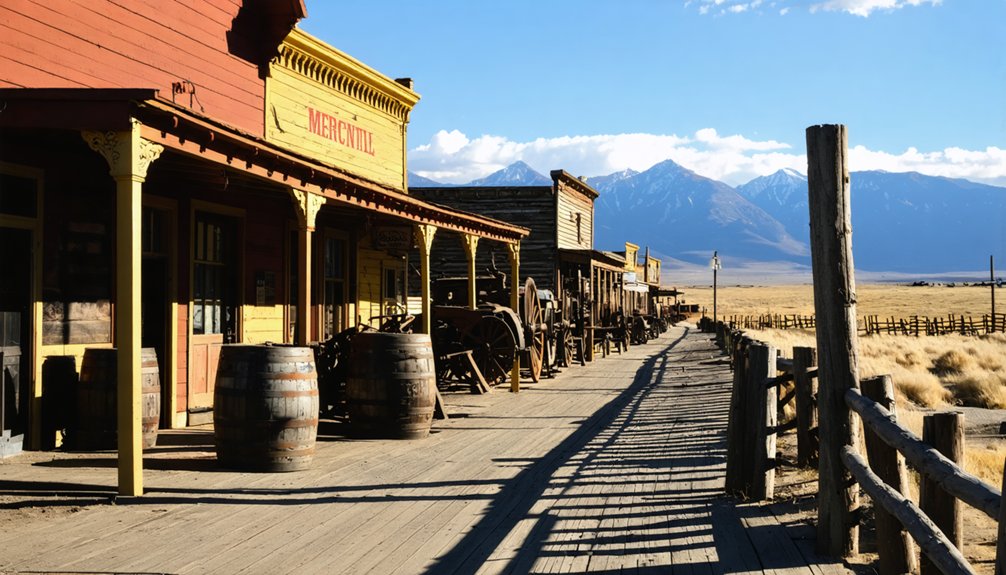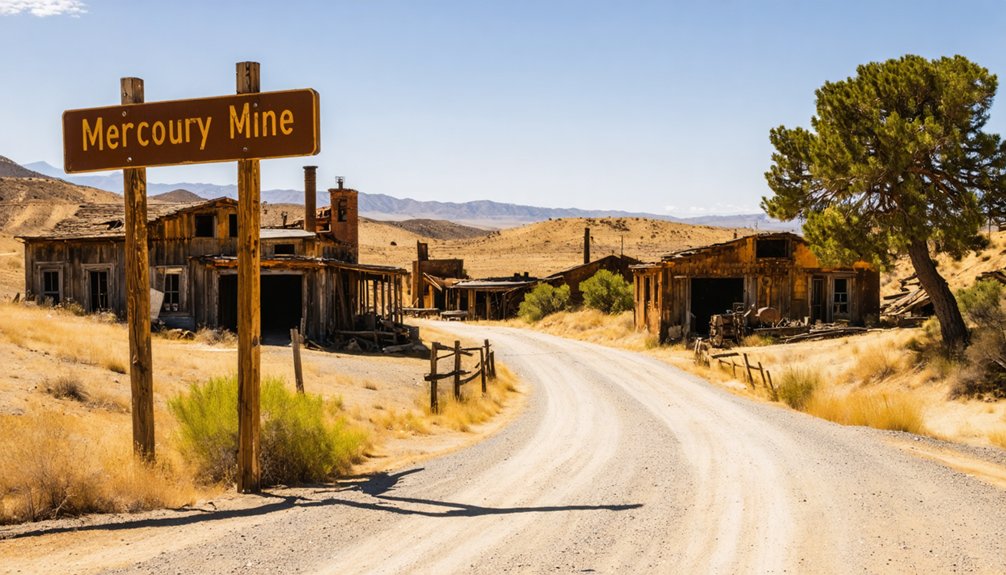
Plan your New Almaden road trip just 12 miles south of San Jose, where California’s first mining town sits preserved inside Almaden Quicksilver County Park. You’ll hike past tunnel openings, crumbling foundations, and mercury-stained tailings that fueled the Gold Rush era. Visit the museum inside Casa Grande on weekends to see miners’ tools and historical photographs. There’s more to this ghost town’s layered story than you’d expect.
Key Takeaways
- New Almaden, located 11-12 miles from San Jose, is California’s first mining settlement, accessible via Almaden Road off Highway 85.
- The park features mine ruins, tunnel openings, and scattered stonework, offering a genuine ghost town exploration experience year-round.
- Visit Casa Grande’s mining museum Friday through Sunday, 10 a.m. to 4 p.m., to view historical artifacts and miners’ tools.
- Pack two liters of water, sturdy footwear, sun protection, and a trail map, as cell service is unreliable on trails.
- Once a Superfund site, the park now safely preserves mercury mining history, including unmarked cemeteries and remnant foundations throughout the grounds.
What Made New Almaden California’s First Mining Town?
When you trace California’s mining history back to its roots, you arrive not at the Gold Rush camps of the Sierra Nevada, but at a cluster of hills south of San Jose.
New Almaden’s historical significance runs deep — mercury ore was identified here in 1845, making it California’s first mining settlement and its most consequential early operation.
New Almaden didn’t just make history — it made California’s mining history, starting in 1845.
The mercury mining that followed wasn’t incidental to the Gold Rush; it powered it. Mercury was essential for extracting gold from raw ore, and New Almaden supplied that critical material to miners across the state.
Named after the legendary Almadén mines of Spain, this site became the largest mercury producer in California for over 50 years.
You’re standing at the foundation of California’s entire mining era.
What the Mining Ruins, Museum, and Trails Look Like Today
When you arrive at Almaden Quicksilver County Park today, you’ll find a layered landscape where foundations, mine tailings, and tunnel openings surface along the trails like geological scars.
Inside Casa Grande, the New Almaden Quicksilver Mining Museum fills the old mansion with artifacts, photographs, and exhibits that put the mercury operation into human scale.
The park’s trails carry you through all of it on foot or by bike, tracing the outlines of a company town that once housed thousands.
Mining Ruins Still Standing
Though the mine itself closed long ago, New Almaden still wears its industrial past openly.
Walking the trails through Almaden Quicksilver County Park, you’ll encounter foundations, ore tailings, and tunnel openings that hint at the mining techniques that once drove one of California’s most productive operations.
These remnants carry real historical significance — this ground supplied mercury that processed Gold Rush ore across the state, quietly powering California’s transformation.
The Civilian Conservation Corps cleared many structures in the 1930s, but what remains feels honest rather than curated.
Scattered stonework and scarred earth tell the story plainly.
You’re not walking through a reconstructed exhibit.
You’re standing on the actual landscape where thousands once lived and worked, and that difference matters.
Inside The Museum
Casa Grande anchors the historic district like a landmark you can actually enter. The New Almaden Quicksilver Mining Museum fills this restored mansion with museum exhibits and historical artifacts that make the town’s story impossible to ignore. It’s open Friday through Sunday, 10:00 a.m. to 4:00 p.m.
Inside, you’ll encounter:
- Miners’ tools handled by real hands that carved tunnels beneath your feet
- Photographs showing 3,000 people building lives in a company town
- Mercury processing equipment that fueled California’s entire Gold Rush
- Community records documenting schools, churches, and hospitals long since gone
You’re not just reading history here — you’re standing inside it. Casa Grande gives context to every foundation and trail you’ll explore across the surrounding parkland.
Trails Through History
Step outside Casa Grande and the trail system pulls you directly into the layered remnants of a working industrial town. You’ll find foundations half-swallowed by hillside brush, scattered tailings that mark where ore once moved by the ton, and tunnel openings threading beneath the ridgelines.
Trail exploration here isn’t passive — you’re reading a landscape that mercury built. The historical significance runs deep: these hills supplied an essential gold-processing material during the California Gold Rush, making New Almaden vital to the state’s economic rise.
Trails are open year-round from 8:00 a.m. until sunset, welcoming hikers, cyclists, and equestrians. No car accesses the mine area, so your legs carry you through it. That friction is the point — you earn the history by moving through it.
How to Get to New Almaden From San Jose?
Getting to New Almaden from downtown San Jose takes just 11 to 12 miles and requires no off-road capability — standard 2WD is all you’ll need.
Follow these steps to reach New Almaden access and its rich mining heritage:
- Head south on Highway 85 from downtown San Jose.
- Take the Almaden Expressway exit and drive south.
- Continue to Almaden Road, following it into the Capitancillos Hills.
- Arrive at 21350 Almaden Road, San Jose, CA 95120 — your gateway to history.
Once you park, the car stays behind.
You’ll explore on foot, by bike, or on horseback, moving through landscapes that once drove California’s Gold Rush.
That freedom of movement makes the experience feel earned.
Hours, Parking, and What to Know Before You Go
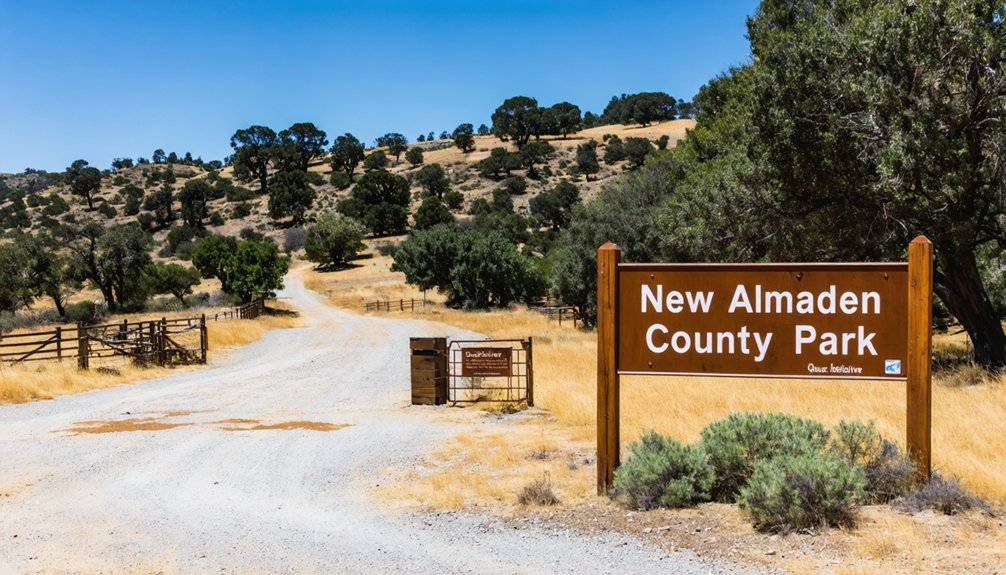
Once you’ve parked and stepped out of the car, a little planning goes a long way. The park opens daily at 8:00 a.m. and closes at sunset, giving you solid daylight hours to explore.
The museum inside Casa Grande runs Friday through Sunday, 10:00 a.m. to 4:00 p.m., so time your visit accordingly if you want the full historical context.
Parking options are available near Casa Grande, and that lot also serves as the starting point for guided history walks. Check ahead, since some events require reservations.
Follow visitor guidelines closely — you’re entering trails, not driving through ruins. Come on foot, by bike, or on horseback. Wear sturdy shoes, bring water, and expect a genuine hike through layered California history.
What to Pack for a Day at Almaden Quicksilver Park
A few key items will make the difference between a comfortable hike and a miserable one. The trails are rugged, the sun is relentless, and the park offers no services once you’re past the trailhead.
Pack your packing essentials before this day trip:
Pack smart before you head out — the trail won’t wait, and neither will the desert heat.
- Water — Carry at least two liters; there’s no potable water on the trails.
- Sturdy footwear — Loose gravel and uneven terrain will punish casual sneakers fast.
- Sun protection — A hat, sunscreen, and sunglasses are non-negotiable under open California skies.
- Snacks and a trail map — Cell service is unreliable, and hunger hits harder when you’re miles from your car.
Pack smart, move freely, and let the history unfold around you.
Why This Former Superfund Site Is Now a Road Trip Highlight
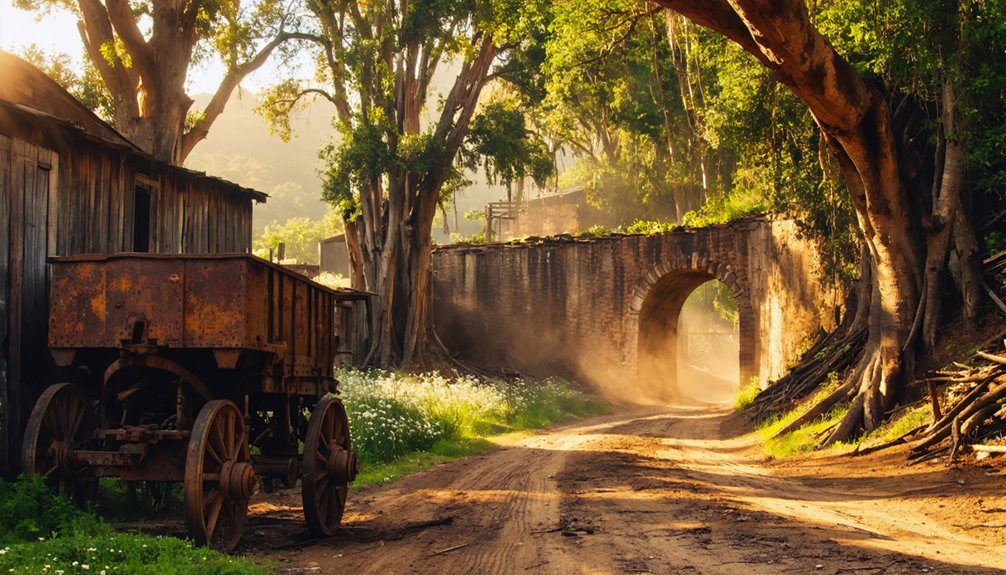
When you pull into New Almaden today, you’re standing on land that once sat on the EPA’s Superfund list, contaminated by over a century of mercury mining.
Careful containment of tailings, tunnels, and toxic soil transformed this industrial ruin into a safe, trail-laced county park where you can hike or ride horseback through the same hills miners once worked.
That cleanup didn’t erase the history — it preserved it, layering a National Historic Landmark over a managed landscape where ghost town ruins, museum exhibits, and open parkland all occupy the same ground.
From Toxic To Trails
Few places flip the script quite like New Almaden, a former Superfund site that’s now one of the Bay Area’s most rewarding road trip stops.
Decades of mercury mining left the land contaminated, but containment efforts transformed this industrial heritage site into Almaden Quicksilver County Park.
Here’s what that means for you:
- You’ll hike trails built over a landscape once thick with toxic tailings.
- You’ll stand where 3,000 people built an entire self-contained world.
- You’ll breathe clean air above tunnel systems that still run beneath your feet.
- You’ll leave understanding how mercury mining fueled California’s Gold Rush.
The cleanup didn’t erase the history — it preserved it.
You get the full story without the hazard.
Containment Made It Safe
What was once a contaminated wasteland is now the park you’ll lace up your boots to explore. Decades of mercury mining left behind serious toxicity, eventually landing New Almaden on the Superfund list.
But remediation efforts changed that trajectory entirely. Authorities contained mercury-laden tailings, stabilized tunnel systems, and monitored soil and water to bring contamination levels down to safe thresholds.
Those environmental restoration projects handed the land back to the public, converting a hazardous industrial scar into Almaden Quicksilver County Park. You can now hike trails that wind past mine ruins, breathe clean air above old shaft entrances, and walk terrain that was once off-limits.
The cleanup didn’t erase the history — it preserved it, making your road trip stop both safe and historically rich.
History Meets Parkland
Reclaimed land has a way of telling two stories at once, and New Almaden tells both loudly. This historic landscape blends mining heritage with open parkland, letting you roam freely through what once powered California’s Gold Rush.
Here’s what you’ll carry with you long after leaving:
- You’ll stand where 3,000 people once built entire lives underground and above it.
- You’ll walk trails hiding tunnel systems and tailings beneath your feet.
- You’ll step inside Casa Grande, where a museum reframes mercury mining as essential American history.
- You’ll find cemeteries, foundations, and remnant structures that speak without a single tour guide.
New Almaden doesn’t just preserve the past — it hands it directly to you, trail by trail, stone by stone.
Frequently Asked Questions
Are Pets Allowed on the Trails at Almaden Quicksilver County Park?
Ready to explore with your pup? You can bring pets on the trails, but you’ll need to follow pet friendly policies and trail etiquette — keep them leashed to respect fellow freedom-seeking adventurers!
Is There an Admission Fee to Enter Almaden Quicksilver County Park?
You’ll enter Almaden Quicksilver County Park without paying an admission fee, making park access gloriously free for every explorer. For hiking tips, simply arrive between 8:00 a.m. and sunset, lace up, and roam freely.
Can You Visit New Almaden’s Cemeteries on a Self-Guided Walk?
You can explore New Almaden’s cemeteries on a self-guided walk, uncovering rich cemetery history among the trails. For deeper discovery, guided tours depart from Casa Grande, connecting you to the miners’ enduring, untamed legacy.
Are There Restrooms or Picnic Areas Available Inside the Park?
You’ll find restroom locations and picnic facilities tucked within Almaden Quicksilver County Park, giving you the freedom to linger, explore rugged trails, and savor an open-air meal amid mercury-mining history without rushing back to civilization.
Is the New Almaden Quicksilver Mining Museum Free to Enter?
The knowledge doesn’t confirm if it’s free, so verify before you go. Once inside, you’ll explore fascinating museum exhibits and historical artifacts that vividly capture New Almaden’s bold, mercury-mining legacy and the freedom-seeking spirit of early California settlers.
References
- https://en.wikipedia.org/wiki/New_Almaden
- https://www.ghosttowns.com/states/ca/newalmaden.html
- https://www.almadenquicksilver.org/company-town.html
- https://www.youtube.com/watch?v=MIJYwt6dE9M
- https://www.youtube.com/watch?v=8azxJltGo8Y
- https://www.kqed.org/news/12077572/new-almaden-the-mercury-mine-that-built-a-boomtown-south-of-san-jose
- http://siliconvalley.hilltromper.com/events/new-almaden-haunted-history-walk-and-talk
- https://www.nps.gov/places/new-almaden.htm
- http://www.gribblenation.org/2025/10/new-idria-road-to-new-idria-ghost-town.html
- https://historysanjose.org/history-of-new-almaden/