Planning a ghost town road trip to South Mountain City starts with heading about 60 miles south of Nampa into the rugged Owyhee Mountains, where high-clearance vehicles are a must. You’ll explore weathered cabins, rusted mining relics, and crumbling foundations left behind from the silver boom of the 1880s. Fill up on gas in Murphy before you go, and visit between late May and October for the best road conditions. There’s far more to uncover ahead.
Key Takeaways
- South Mountain City sits in the Owyhee Mountains, roughly 60 miles south of Nampa, requiring a high-clearance vehicle for unpaved road access.
- Silver mining drove rapid growth in the 1880s, leaving behind weathered cabins, rusted equipment, and crumbling foundations still visible today.
- Nearby ghost towns Silver City, Dewey, and Flint offer additional exploration opportunities within Owyhee County’s dense cluster of abandoned mining sites.
- Pack water for two days, extra fuel, a first-aid kit, sturdy boots, and offline maps before departing for this remote destination.
- Visit during late May through June or September through October for mild temperatures, accessible roads, and a more solitary experience.
Where Is South Mountain City, Idaho?
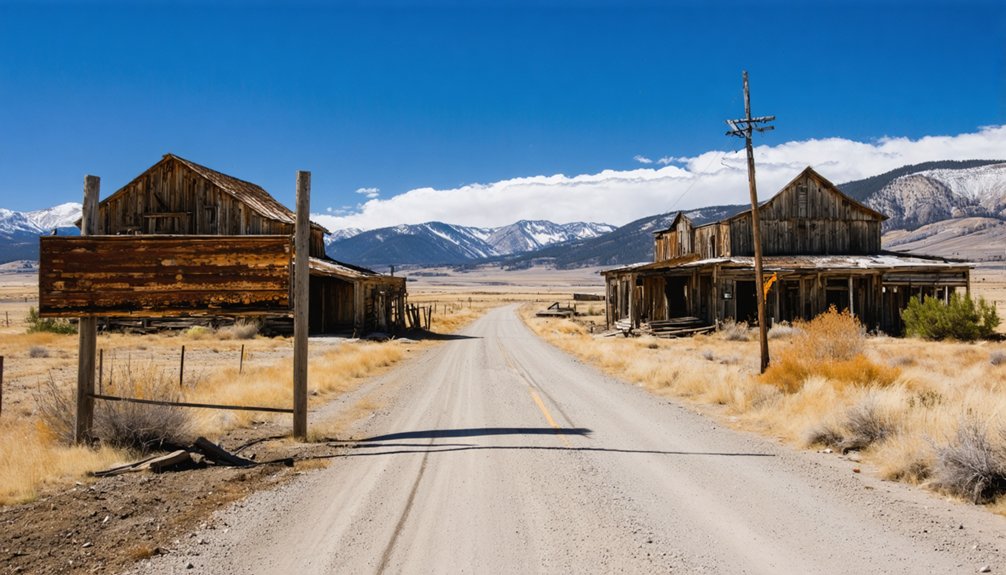
Tucked into the rugged Owyhee Mountains of southwestern Idaho, South Mountain City sits in a remote canyon roughly 60 miles south of Nampa, near the Oregon border.
You’ll find it nestled along South Mountain Creek, surrounded by dramatic high-desert terrain that shaped its historical significance as a thriving silver mining hub in the 1860s.
The geographical landmarks here — steep canyon walls, sagebrush-covered ridges, and winding dirt roads — make the journey feel like a true escape.
To reach it, you’ll navigate unpaved roads that demand a high-clearance vehicle, so plan accordingly.
Pack a high-clearance vehicle — South Mountain City’s unpaved roads leave no room for shortcuts or second-guessing.
The isolation that once challenged early miners now rewards adventurous travelers with solitude and raw, unspoiled landscape.
It’s the kind of place that reminds you why exploring off the beaten path is worth every mile.
How to Get to South Mountain City
Getting to South Mountain City takes planning, but the route itself is part of the adventure. You’ll head into Owyhee County from Murphy, Idaho, following unpaved roads that wind through high desert terrain. The scenic routes through this region reward you with sweeping canyon views and open skies that feel worlds away from city life.
Before you go, check road conditions — seasonal weather can make these back roads treacherous. A high-clearance vehicle isn’t just recommended; it’s practically essential. Fill your gas tank in Murphy or Jordan Valley, Oregon, since services disappear quickly out here.
Along the way, you’ll pass local attractions like the Owyhee County Historical Museum in Murphy, worth a quick stop to frame the ghost town experience ahead.
What’s Left to See at South Mountain City Today?
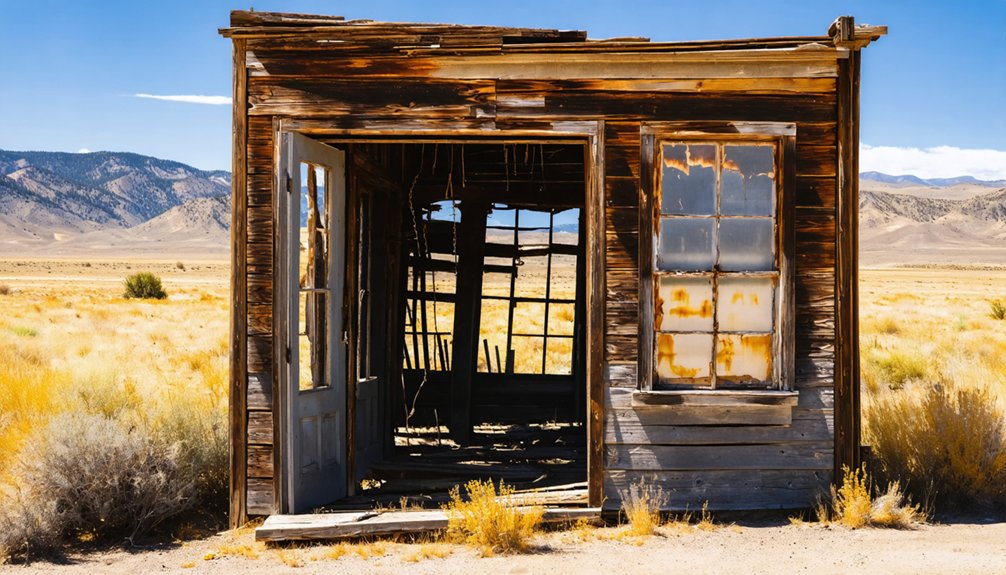
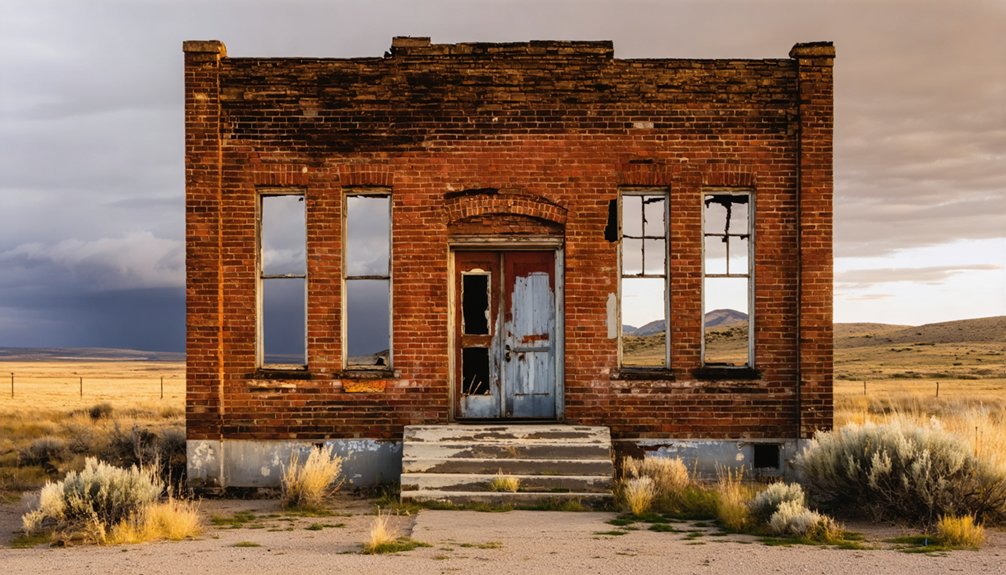
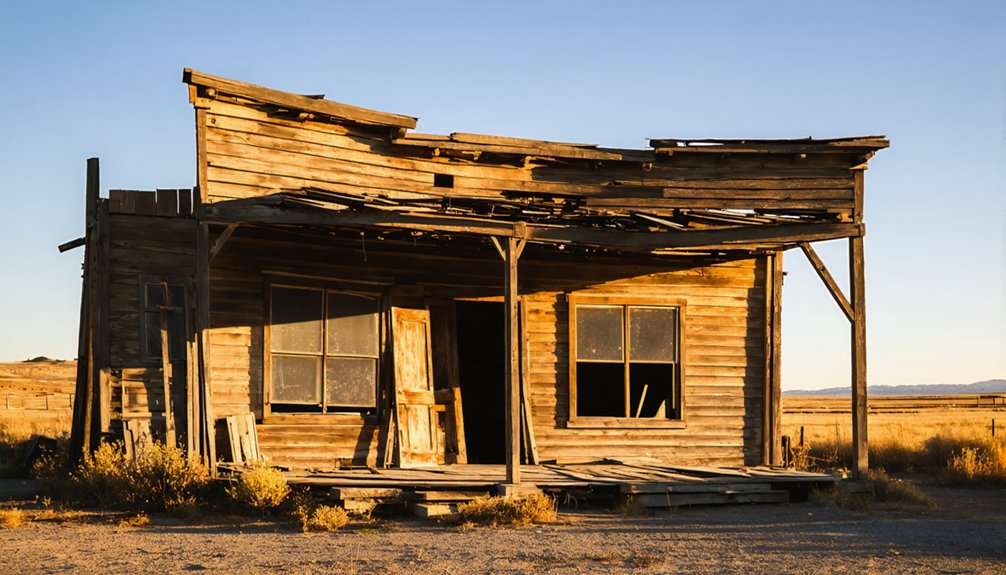
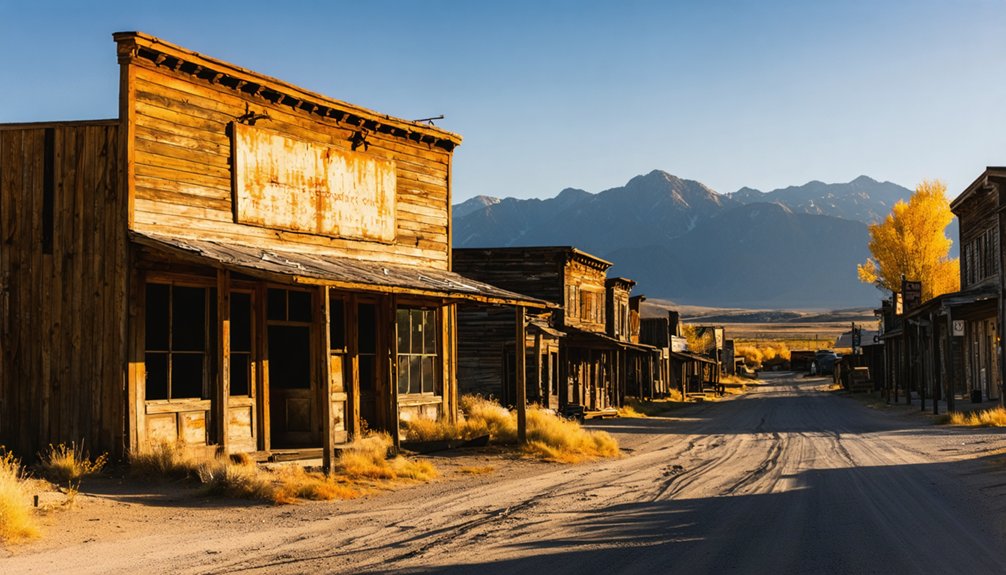
Once you’ve made the drive out, you’ll want to know what actually remains standing — and South Mountain City doesn’t disappoint for a ghost town of its age. Several abandoned structures still dot the landscape, giving you a tangible sense of the mining era that once drove this remote community.
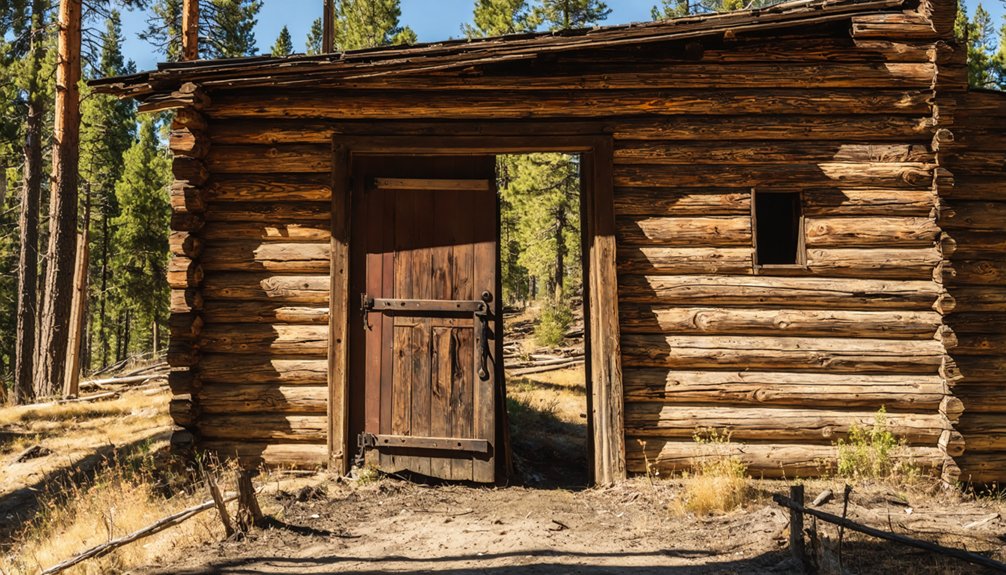
You’ll find weathered cabins, crumbling foundations, and remnants of old mining operations scattered across the site. Keep your eyes open for historical artifacts embedded in the terrain — rusted equipment, broken hardware, and structural debris tell the story better than any museum could.
The natural setting frames everything dramatically, with sagebrush reclaiming the land around each ruin. Walk carefully, observe everything, and let the silence of the place do the talking.
What Was South Mountain City’s Mining History?
When you dig into South Mountain City’s past, you’ll find that silver sparked the town’s rapid rise in the 1880s, drawing miners and merchants enthusiastic to cash in on the ore-rich mountains.
The boom brought in enough wealth to sustain a bustling community, complete with businesses, saloons, and homes carved into the rugged Idaho terrain.
But as silver prices collapsed and the richest veins ran dry, the town’s economic foundation crumbled, and residents abandoned it almost as quickly as they’d arrived.
Silver Mining Origins
Silver strikes in the Owyhee Mountains during the early 1870s drew prospectors into this remote corner of southwestern Idaho, and South Mountain City rose quickly from that rush of ambition and ore.
The silver discovery triggered a surge of independent miners eager to stake their claims and carve out wealth on their own terms.
Early mining techniques included:
- Hand-drilling and black powder blasting to break ore-bearing rock
- Arrastras, simple drag-stone mills, to crush silver ore
- Sluicing and stamp mills for processing extracted materials
- Tunnel and shaft mining to follow deeper ore veins
You’re exploring a place where self-reliant men bet everything on what lay beneath the mountain.
That raw, unfiltered spirit of independence still echoes through every abandoned shaft and crumbling foundation you’ll encounter here.
Economic Boom And Decline
At its peak in the mid-1870s, South Mountain City punched well above its weight, supporting a population of several hundred miners, merchants, and laborers who kept saloons, assay offices, and supply stores running at full tilt.
Silver production drove fierce optimism, and investors poured money into the region expecting lasting returns.
But the boom didn’t hold. Ore grades dropped, costs climbed, and the remote terrain that once felt conquerable started working against the settlement.
By the early 1880s, the population had scattered, chasing the next promising strike elsewhere. There was no economic resurgence to reverse the town’s fate.
What remains today is a quiet memorial to that mining legacy — a reminder that fortune in the West moved fast and rarely looked back.
Ghost Towns Near South Mountain City Worth Adding to the Trip
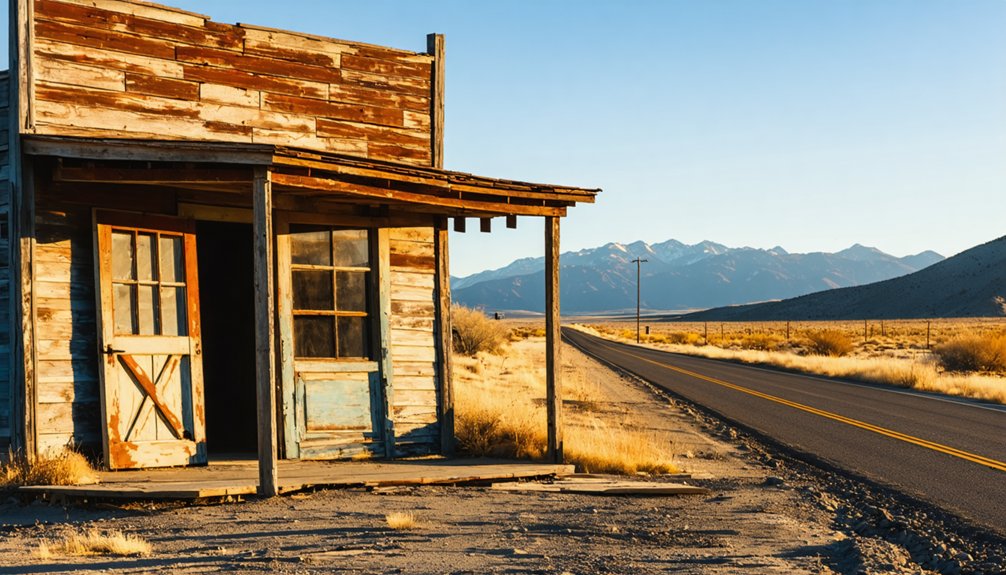
If you’re already making the trek out to South Mountain City, you’d be doing yourself a disservice by skipping Silver City, one of Idaho’s most remarkably preserved ghost towns sitting just a short drive away.
Beyond Silver City, you’ll find scattered abandoned mining camps throughout the Owyhee Mountains that reward curious explorers willing to push deeper into the region’s rugged backcountry.
The entire southwestern Idaho corner holds a dense cluster of ghost towns, making it one of the West’s richest areas for a multi-stop road trip through mining history.
Silver City Ghost Town
Nestled in the Owyhee Mountains about 25 miles north of South Mountain City, Silver City stands as one of Idaho’s most remarkably preserved ghost towns and makes for a natural companion stop on your road trip.
Its historical significance runs deep — silver and gold discoveries in the 1860s transformed it into a thriving hub.
You’ll find:
- Mining artifacts scattered throughout original structures still standing today
- Ghost town legends surrounding the Idaho Hotel, one of the West’s oldest operating historic hotels
- Authentic period buildings including a schoolhouse and assay office
- Rugged backcountry access rewarding those who crave genuine exploration
Silver City delivers raw, unfiltered history.
The rough dirt road getting there only adds to the adventure you’re chasing.
Nearby Abandoned Mining Camps
Silver City’s well-trodden paths are just the beginning — South Mountain City’s surrounding Owyhee County hides several other abandoned mining camps that deserve a spot on your itinerary.
Dewey and Wagontown sit within reasonable driving distance, each offering their own collections of abandoned structures slowly surrendering to the high desert landscape. You’ll find mining relics scattered across these sites — rusted equipment, collapsed shaft housings, and crumbling foundations that tell stories of boom-and-bust ambition.
These lesser-visited camps reward curious travelers with genuine solitude and unfiltered history. Unlike heavily documented sites, they demand some navigation independence, so pack detailed maps and a spirit of exploration.
The Owyhee Mountains fundamentally function as an open-air museum, and you’ve got the freedom to explore it entirely on your terms.
Regional Ghost Town Clusters
Beyond South Mountain City itself, the broader Owyhee County region delivers a remarkable concentration of ghost towns that justify extending your road trip by several days.
These ghost town trails connect you to raw, untamed landscapes steeped in mining heritage, where each crumbling structure tells a story worth chasing.
Consider adding these destinations to your route:
- Silver City – Idaho’s best-preserved ghost town featuring original storefronts and hotels
- Dewey – A quiet remnant offering solitary exploration without crowds
- Flint – A rugged stop rewarding adventurous drivers willing to tackle rough terrain
- Booneville – A lesser-known site delivering authentic, unrestored atmosphere
Each location compounds your understanding of the region’s boom-and-bust past, making the entire Owyhee County loop an unforgettable journey through forgotten American history.
What to Pack Before Visiting South Mountain City
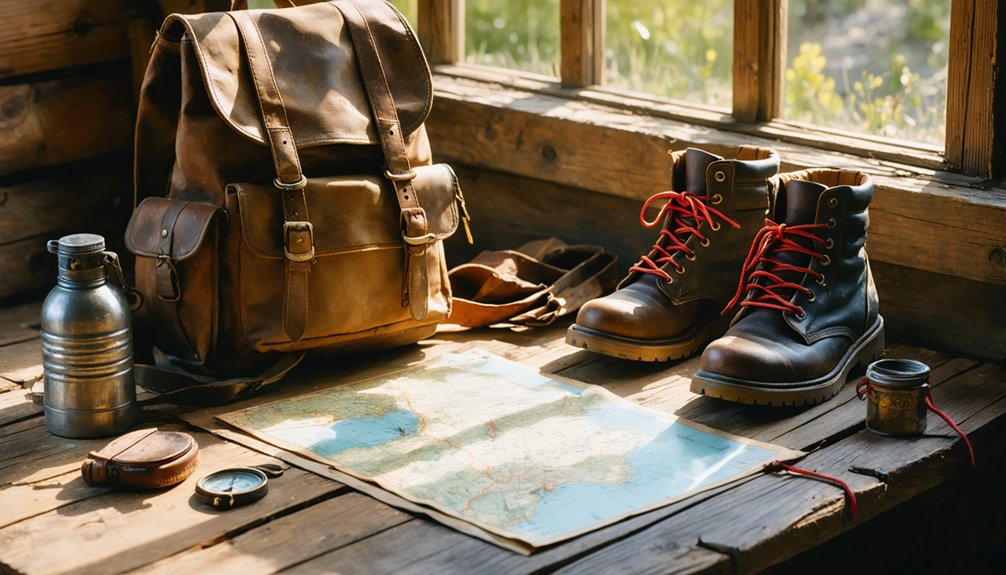
Because South Mountain City sits in a remote stretch of Owyhee County with no paved roads, no services, and no cell reception, you’ll want to pack thoughtfully before heading out.
These packing essentials will keep you self-sufficient and safe: carry enough water for at least two days, high-calorie snacks, a paper map or downloaded offline GPS route, and a first-aid kit.
Among the smartest travel tips for this region is bringing extra fuel, since the nearest gas station is a significant drive away.
Wear sturdy boots for traversing rocky terrain and unstable ruins. Pack a camera, sun protection, and layers since Owyhee County temperatures swing dramatically.
Tell someone your itinerary before you leave. Out here, preparation isn’t optional — it’s what keeps your adventure on your own terms.
Best Time of Year to Visit South Mountain City
Timing your visit to South Mountain City can make or break the trip. Seasonal weather shapes everything from road conditions to your overall comfort. You’ll want to avoid winter’s harsh grip and summer’s scorching heat while dodging peak visitor crowds.
Late spring and early fall deliver the sweet spot:
Late spring and early fall unlock South Mountain City’s best-kept secret — perfect weather, empty trails, pure freedom.
- Late May to June offers mild temperatures and accessible dirt roads after snowmelt.
- September to October brings crisp air, golden foliage, and quieter trails.
- July to August means heat and occasional visitor crowds but longer daylight hours.
- November through April risks snow-blocked roads and dangerous backcountry conditions.
Your best window remains that shoulder-season magic between warmth and cold. Plan accordingly, and South Mountain City rewards you with raw, unfiltered solitude.
Frequently Asked Questions
Are There Any Guided Tours Available for South Mountain City?
Like a hidden gem waiting to be discovered, South Mountain City doesn’t offer formal guided tours. You’ll embrace guided exploration on your own terms, uncovering the site’s historical significance with complete freedom and adventure.
Can You Camp Overnight Near the South Mountain City Ruins?
You can camp overnight near South Mountain City’s ruins! Follow camping regulations for the area, and you’ll enjoy nearby attractions like scenic trails and stunning Idaho landscapes that’ll make your adventure truly unforgettable.
Is South Mountain City Suitable for Children or Family Visits?
You’ll find South Mountain City suitable for family activities if you’re cautious. Prioritize children’s safety by supervising kids closely near unstable ruins, uneven terrain, and open mine shafts that could pose serious hazards.
Are Drones or Photography Equipment Permitted at South Mountain City?
You’re free to capture South Mountain City’s haunting beauty! No strict drone regulations exist, but always respect the land. Follow basic photography tips: shoot during golden hour, and you’ll immortalize this forgotten Idaho treasure beautifully.
Has South Mountain City Been Featured in Any Films or Documentaries?
Countless Hollywood cameras haven’t stormed South Mountain City’s ruins yet, but its documentary significance and film history remain largely uncharted. You’ll discover this forgotten ghost town feels like your own secret cinematic masterpiece waiting to be explored.
References
- https://www.ghosttowns.com/states/id/southmountaincity.html
- https://www.ghosttowns.com/states/id/idalpha.html
- https://en.wikipedia.org/wiki/List_of_ghost_towns_in_Idaho
- https://www.therockerbox.com/owyhee_county_id_ghost_towns.htm
- https://history.idaho.gov/wp-content/uploads/2018/08/0064.pdf
- https://www.ghosttowns.com/states/id/mineralcity.html
- https://www.linkedin.com/pulse/silver-city-day-tripping-road-less-traveled-mary-ann-reuter-cf-apmp-6hu3c
- https://www.owyheejack.com/owyhee-jacks-meanderings/south-western-idaho/ghost-towns-near-silver-city
- https://www.youtube.com/watch?v=zugpvVMZGsg
- https://www.youtube.com/watch?v=KbvFaLb68Kw