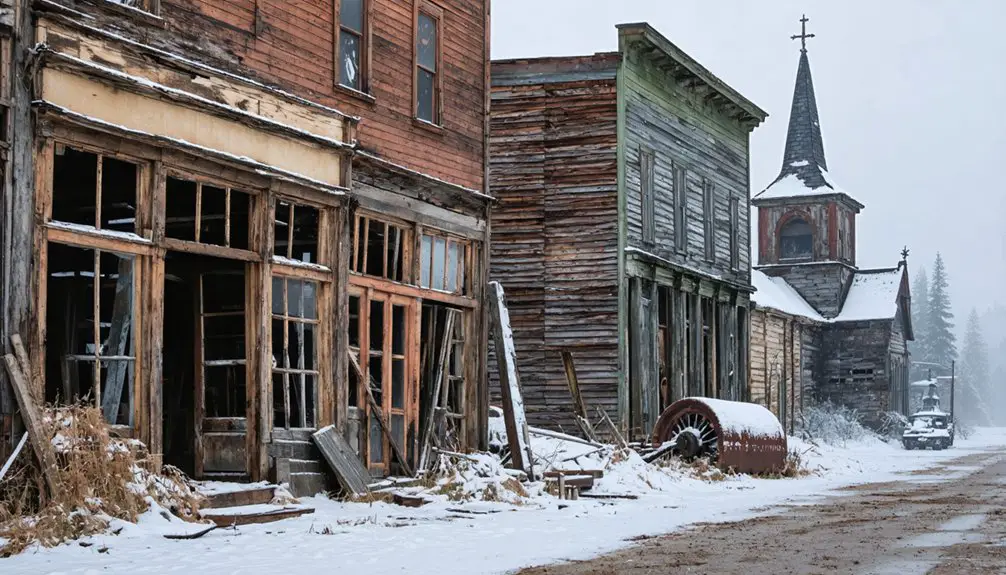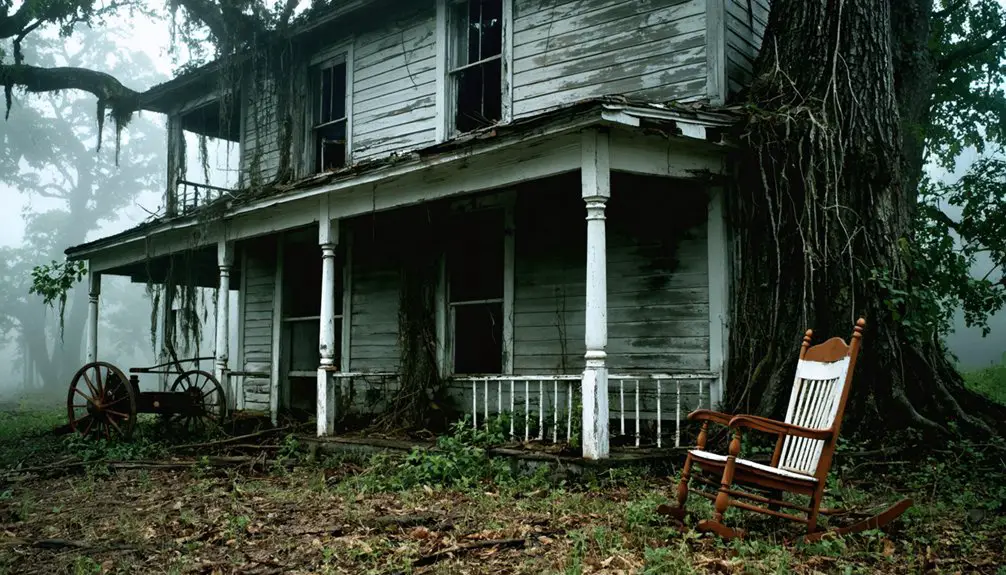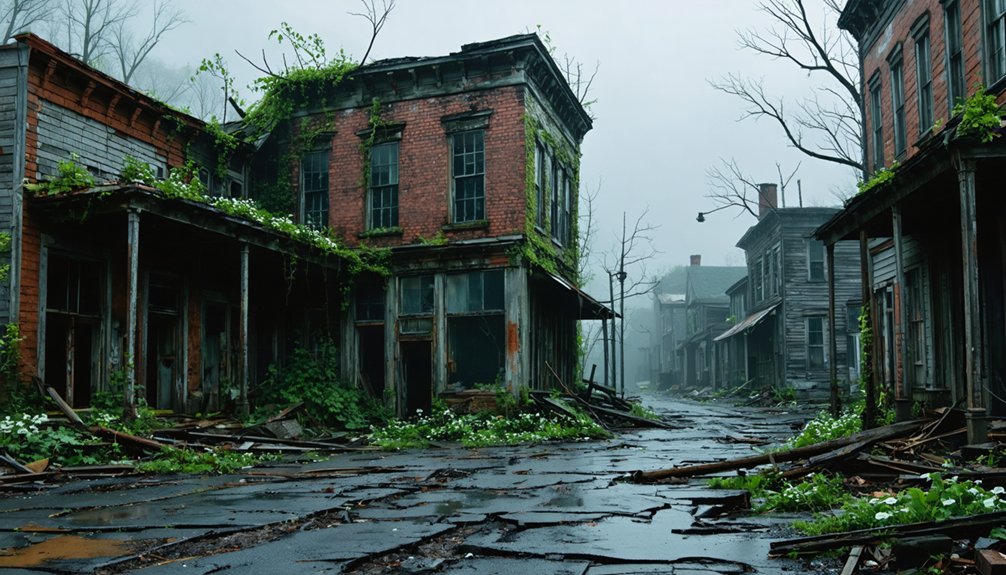
You’ll find two of America’s most haunting ghost town corridors in Alaska’s copper-rich wilderness and West Virginia’s coal-carved hollows. Alaska’s Kennicott and Dyea reward serious travelers with breathtaking ruins frozen in time, while West Virginia’s Thurmond and Kaymoor hide dramatic industrial relics in misty Appalachian forests. Visit Alaska from late May through September and West Virginia from April through October for best access. Keep exploring to uncover everything you need for the ultimate ghost town road trip.
Key Takeaways
- Alaska’s ghost towns like Kennicott and Dyea are best visited from late May to early September when road conditions are most stable.
- West Virginia’s key ghost towns, including Thurmond and Kaymoor, are accessible April through October, with New River Gorge National Park as a base.
- Essential gear includes waterproof boots, layered clothing, a headlamp, first aid kit, and bear spray for Alaska exploration.
- For photography, shoot during golden hour with wide-angle and macro lenses, carrying extra batteries and memory cards for extended sessions.
- Always probe floors before entering structures, wear protective gear, and never explore abandoned buildings alone for maximum safety.
Why Alaska and West Virginia Are Ghost Town Gold
When most people picture ghost towns, their minds drift to the sun-baked desert Southwest — but Alaska and West Virginia quietly harbor some of America’s most haunting abandoned settlements.
Both states offer ghost stories rooted in boom-and-bust economies: Alaska’s copper and gold rushes, West Virginia’s coal and timber industries. Each site carries profound historical significance, preserving real evidence of lives built and abandoned.
In Alaska, remote wilderness swallows former boomtowns whole. In West Virginia, dense Appalachian forests reclaim coal camps with equal intensity.
You’ll find crumbling structures, rusted machinery, and eerie silence that no museum can replicate. These aren’t tourist traps — they’re raw, accessible chapters of American history waiting for you to explore them on your own terms.
Alaska Ghost Towns Worth the Drive
Alaska’s ghost towns demand serious miles—dirt roads, remote passes, and landscapes that’ll swallow you whole if you’re not paying attention.
You’re not just chasing ruins here; you’re tracing the raw bones of copper empires, gold rushes, and Indigenous villages abandoned to the wind.
Pack your maps, fuel up early, and get ready for some of the most historically loaded drives you’ll ever take.
Remote Drives, Rich History
Few road trips test your resolve like chasing ghost towns across Alaska’s vast, untamed terrain—but the rewards are extraordinary.
You’ll navigate remote landscapes where nature reclaims everything, where silence speaks louder than any museum exhibit. These aren’t polished tourist traps—they’re raw, weathered remnants carrying genuine historical significance.
Drive toward Kennicott and you’re tracing copper baron footprints through the Wrangell-St. Elias wilderness.
Push toward Dyea and you’re walking ground where Klondike dreamers once stampeded north. Each destination demands effort—rough roads, unpredictable weather, serious planning—but that friction is exactly the point.
Alaska doesn’t hand you anything easily. You earn every breathtaking ruin, every weathered structure clinging to existence.
That earned experience transforms a simple drive into something unforgettable, something worth chasing across thousands of wild miles.
Top Alaska Ghost Towns
Six ghost towns rise above Alaska’s wilderness noise, each earning a place on any serious road tripper’s must-see list.
Kennicott delivers copper-boom grandeur, its National Historic Landmark status ensuring historical preservation for every curious explorer.
Dyea pulls you into Klondike fever, its Slide Cemetery carrying profound cultural significance.
Portage’s drowned forest stops you cold—a haunting earthquake aftermath visible along the Seward Highway.
Treadwell, near Juneau, rewards with gorgeous ruins where gold once fueled Alaska’s first indoor swimming pool.
Ukivok clings dramatically to King Island’s cliffs, its Inupiat heritage weathering decades of coastal winds.
Chatanika’s massive gold-era dredges anchor Fairbanks’ interior mining legacy.
Each site demands your presence, offering raw discovery that no polished tourist destination can replicate.
West Virginia Ghost Towns Worth the Drive
West Virginia’s ghost towns pack history and drama into every crumbling wall, rusted rail, and overgrown street.
You’ll find Thurmond and Kaymoor tucked inside New River Gorge National Park, Nuttallburg hugging Route 19, and Helmick hiding deep in Monongahela National Forest—each one a different chapter of the state’s coal and timber past.
Pack your hiking boots, fuel up, and expect steep trails, deteriorating structures, and a haunting silence where industry once roared.
Top Towns To Visit
Though Alaska may steal the ghost town spotlight, West Virginia’s abandoned settlements pack just as much grit, history, and eerie atmosphere into a much tighter road trip. You’ll find industrial ruins, coal-dusted memories, and forest-reclaimed structures around every bend.
Start at Thurmond, where fewer than 10 residents haunt a once-booming railroad town — perfect for ghost town photography along its restored National Historic District.
Head next to Kaymoor, where coke ovens and decaying wooden structures reward hikers willing to descend steep trails.
Nuttallburg’s preserved coal tipple and conveyor system showcase Henry Ford’s industrial ambition, while Helmick offers remote, river-side ruins deep in Monongahela National Forest.
Historical preservation efforts vary across these sites, so respect boundaries, shoot freely, and let West Virginia’s forgotten past speak for itself.
How To Get There
Reaching West Virginia’s ghost towns is half the adventure — you’ll wind through mountain hollows, old coal country roads, and river gorges that feel frozen in time.
Most sites cluster around New River Gorge National Park, making it your natural base camp. From Fayetteville, you’ll reach Kaymoor and Nuttallburg within 20 minutes. Thurmond sits along Route 25 near Oak Hill — easy driving with a stunning payoff.
Road conditions vary sharply by season. Spring brings muddy, soft shoulders; winter closes several access points entirely.
Travel tips worth remembering: fill your tank before leaving town, download offline maps, and check National Park Service road alerts before departure. Some trails require moderate fitness.
Pack layers, sturdy boots, and enough water — these places reward the self-sufficient traveler.
What To Expect
Each ghost town in West Virginia delivers its own flavor of ruin, and knowing what waits ahead sharpens the experience.
Thurmond’s restored depot anchors a town where fewer than ten souls remain. Kaymoor’s coke ovens and deteriorating wooden structures reward hikers willing to descend a steep trail. Nuttallburg pulls you into Henry Ford’s industrial ambitions through preserved tipples and conveyor systems built for coal.
Helmick sits quiet along the Williams River, swallowed by Monongahela National Forest. Central City offers overgrown streets and a historical marker where a coal era once roared.
Bring your camera — ghost town photography thrives in these layered textures of decay.
Every crumbling wall carries history storytelling that no museum replicates. You’ll leave each site carrying something heavier than photographs.
How to Combine Alaska and West Virginia Ghost Towns in One Trip
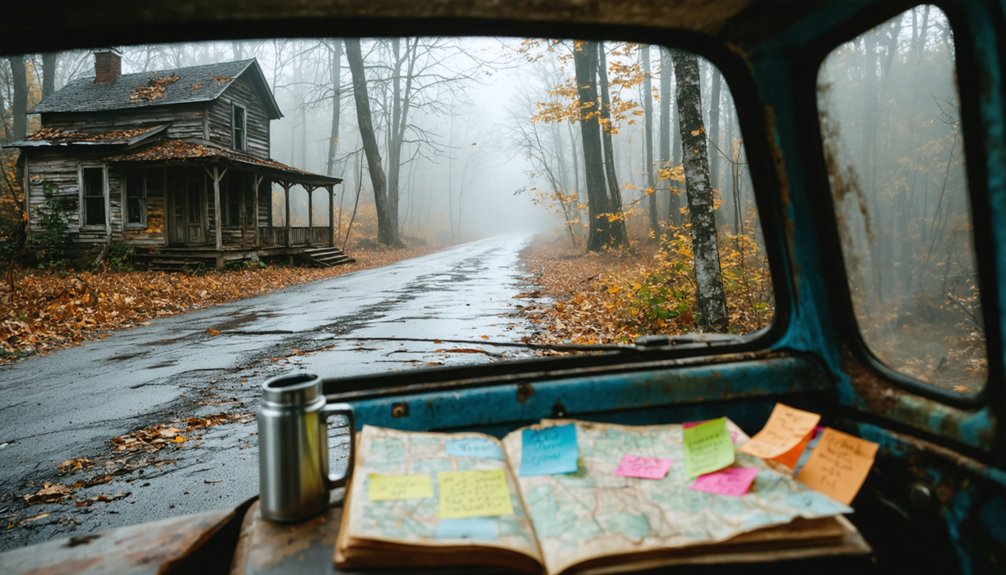
Pulling off a dual ghost town road trip across Alaska and West Virginia isn’t as far-fetched as it sounds, and with smart routing, you can hit the best ruins in both states without backtracking yourself into exhaustion.
Start in West Virginia, looping through Thurmond, Kaymoor, and Nuttallburg inside New River Gorge before pushing north.
Thurmond, Kaymoor, and Nuttallburg wait inside New River Gorge, ready to swallow your itinerary whole.
Then fly into Anchorage, rent a rugged vehicle, and drive toward McCarthy for Kennicott’s copper-era ruins.
Work your way through Chatanika and Dyea, chasing ghost town photography opportunities at every dramatic stop.
Each location carries deep historical significance, from collapsed coal empires to depleted gold fields.
Spacing your West Virginia leg in spring and your Alaska leg in summer keeps weather cooperative and daylight generous.
When Alaska and West Virginia Ghost Towns Are Most Accessible
Timing your ghost town road trip correctly separates a smooth, memory-making adventure from a frustrating slog through mud, ice, or closed access roads.
Seasonal accessibility varies sharply between these two destinations, so plan accordingly.
Alaska’s ghost towns shine brightest between late May and early September, when road conditions stabilize after brutal winter freezes.
Kennicott and Dyea become reachable without white-knuckling through ice-packed routes.
Portage’s haunting drowned forest reflects dramatically in summer light.
West Virginia flips the script slightly.
April through October delivers the best road conditions across New River Gorge and Pocahontas County’s remote trails.
Spring wildflowers frame Kaymoor’s crumbling coke ovens magnificently, while autumn transforms Nuttallburg’s forested ruins into a blazing canvas.
Hit both destinations during their peak windows, and you’ll move freely, unobstructed, and fully alive.
What to Bring to Photograph and Explore Ghost Towns
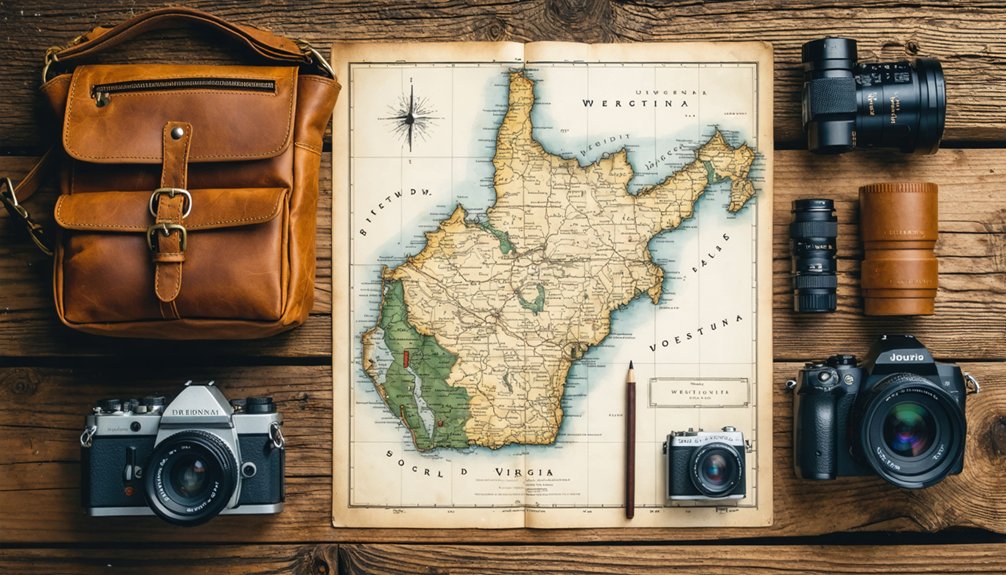
Once you’ve locked in the right season, what you pack determines how deep into these places you can actually go. Your exploration gear should include sturdy waterproof boots, layered clothing, a headlamp, and a first aid kit — ghost towns don’t forgive careless preparation.
Bring bear spray in Alaska; it’s non-negotiable.
In Alaska, bear spray isn’t optional — it’s as essential as the boots on your feet.
For photography tips, shoot during golden hour when weathered wood and rusted machinery glow. A wide-angle lens captures crumbling structures in full context, while a macro lens reveals peeling paint and fractured glass up close.
Bring extra memory cards and batteries — you’ll shoot more than you expect.
Pack light enough to move freely but complete enough to stay safe. These places reward those who arrive ready.
How to Explore Ghost Towns Without Getting Hurt
Ghost towns look inviting until a floorboard swallows your foot or a ceiling joist drops without warning. Before stepping inside any structure, probe the floor with a walking stick.
Wear steel-toed boots, a hard hat, and a dust mask — century-old debris carries asbestos and hantavirus. Your safety precautions should also include telling someone your exact itinerary.
Respect exploration etiquette by touching nothing structurally critical. Leaning against rotted walls accelerates collapse. Move slowly, watch overhead, and never enter alone.
Bring a headlamp even during daylight — shadows inside abandoned buildings deceive your depth perception fast.
Stay out of mine shafts entirely. Oxygen levels drop without notice, timbers fail silently. The adventure lives on the threshold, not in foolish risks that end your road trip permanently.
Frequently Asked Questions
Are Permits Required to Visit Ghost Towns in Alaska or West Virginia?
Dusty trails and crumbling walls await you! Ghost town regulations vary—you’ll need permits for some protected sites. Follow visitor guidelines, respect National Historic Landmarks, and you’re free to explore these hauntingly beautiful, abandoned worlds.
Can You Legally Take Artifacts or Souvenirs From Abandoned Ghost Towns?
You can’t legally take artifacts from these ghost towns. Federal laws protect sites like Kennicott and Nuttallburg, making artifact preservation mandatory. Weigh those ethical considerations carefully — leave history untouched so future adventurers can experience the same raw, haunting freedom you did.
Are Ghost Town Sites Covered Under Standard Travel Insurance Policies?
Most standard travel insurance policies don’t automatically cover ghost town history sites. You’ll want to verify your plan includes adventure travel safety clauses before exploring remote, potentially hazardous abandoned locations like Alaska’s Kennicott or West Virginia’s Kaymoor.
Do Any Ghost Towns Offer Overnight Camping or Lodging Nearby?
Over 500,000 visitors explore ghost towns yearly! You’ll find camping amenities near Kennicott and lodging options close to Thurmond’s historic depot. Pitch your tent, breathe wild air, and wake up surrounded by haunting, time-frozen history.
Are Guided Ghost Town Tours Available for People With Mobility Limitations?
You’ll find accessible tours at Kennicott and Nuttallburg, where mobility assistance keeps your adventure alive. Rangers guide you through haunting ruins, ensuring history’s raw, untamed spirit reaches everyone craving freedom’s call.
References
- https://en.wikipedia.org/wiki/List_of_ghost_towns_in_Alaska
- https://thealaskafrontier.com/ghost-towns-in-alaska/
- https://www.atlasobscura.com/things-to-do/alaska/ghost-towns
- https://www.youtube.com/watch?v=TC_KPrhDByY
- https://www.ghosttowns.com/states/ak/ak.html
- https://motorcyclemojo.com/2015/09/alaska-ghost-towns/
- https://www.gi.alaska.edu/alaska-science-forum/ghost-towns-scattered-across-alaska-map
- https://www.youtube.com/watch?v=Cz0IGc2Uy0E