Apalachee, Georgia sits just minutes north of Madison off Highway 441, and it’s one of the state’s most overlooked ghost towns. You’ll find boarded-up storefronts, historic churches, and a schoolhouse that survived decades of decline following the railroad’s collapse, the boll weevil crisis, and the Great Depression. There’s no visitor center or guided tours, so bring water, respect private property, and come curious. Stick around to uncover everything this forgotten railroad town still has to tell.
Key Takeaways
- Apalachee, Georgia, sits just north of Madison off Highway 441 in Morgan County, making it an easy, quick drive from town.
- GPS markers can be unreliable, so download offline maps beforehand and follow Highway 441 north for the most dependable navigation.
- Key landmarks include the still-active Apalachee Baptist Church (founded 1857), a standing Methodist Church, and a historic school building.
- No visitor infrastructure exists, so bring water, wear comfortable shoes, and strictly respect private property boundaries throughout your visit.
- Cell service may be spotty, and there are no guided tours, so prepare for a fully self-guided, independent exploration experience.
What Is Apalachee, Georgia: and Is It Really a Ghost Town?
Tucked just north of Madison, Georgia, off Highway 441, Apalachee is a small Morgan County community that’s seen better days — much better days. Named after the Apalachee River and the Native American tribe of the Creek Confederation, the town carries local legends bigger than its current footprint suggests.
How Did the Railroad Build: and Then Break: Apalachee?
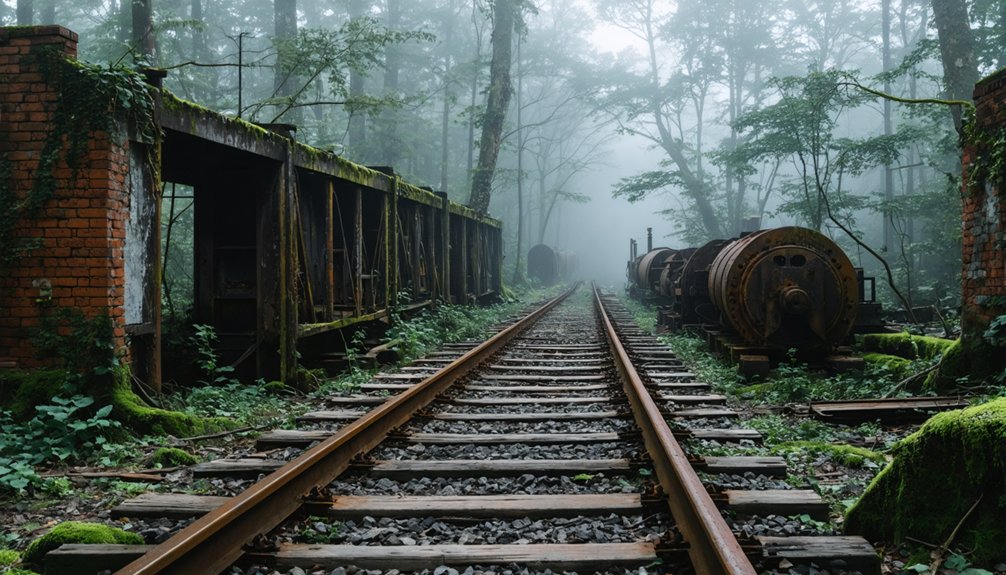
When the first railroad rolled through Apalachee in 1888, it didn’t just bring transportation — it brought life. Suddenly, commerce followed the tracks. Three merchandise stores, a cotton gin, and a cotton oil refinery all emerged by 1920, shaping real community impact for the families who called this place home.
Before the railroad, there was nothing. After it — three stores, a cotton gin, and a community.
Then John Bostwick added a second railroad line in 1907, deepening that railroad history even further. Apalachee had a depot, a Post Office, and genuine economic momentum.
But momentum can reverse fast. The boll weevil destroyed cotton crops. The Great Depression drained what remained. Without agriculture, the railroads lost their purpose. Without the railroads, the town lost its reason to exist.
What the tracks built, their absence quietly dismantled — leaving behind the quiet rural shell you’ll find today.
What’s Left To See in Apalachee Today?
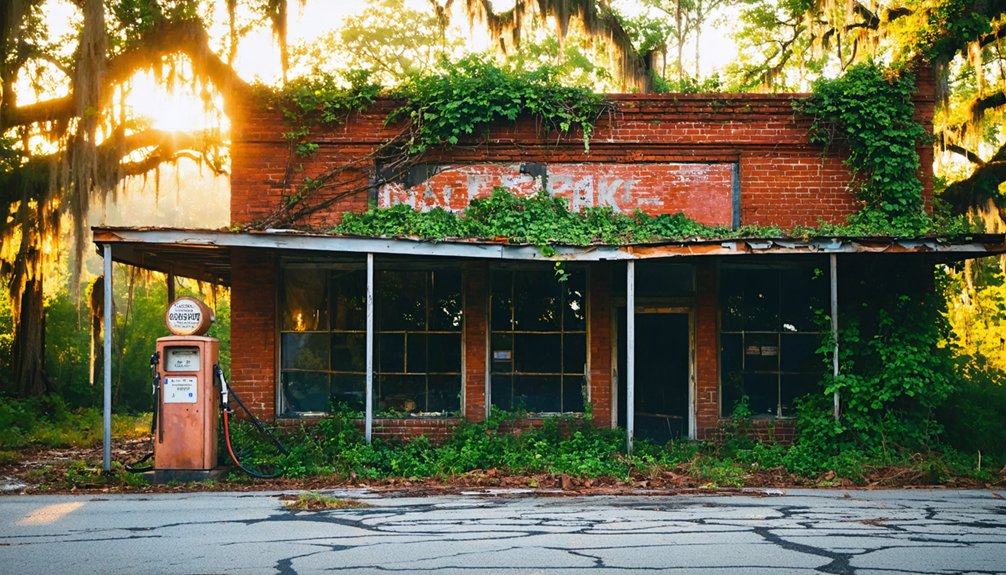
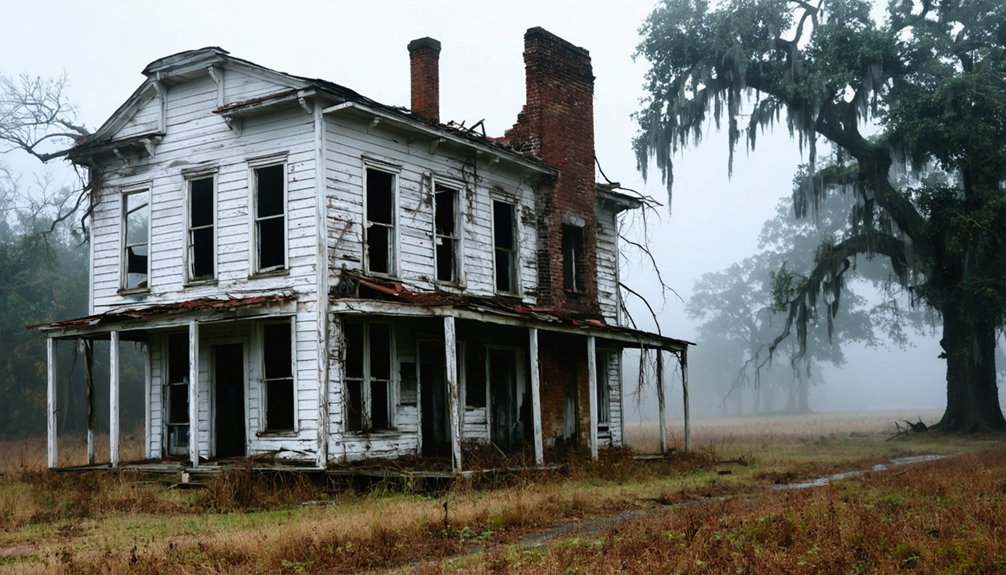
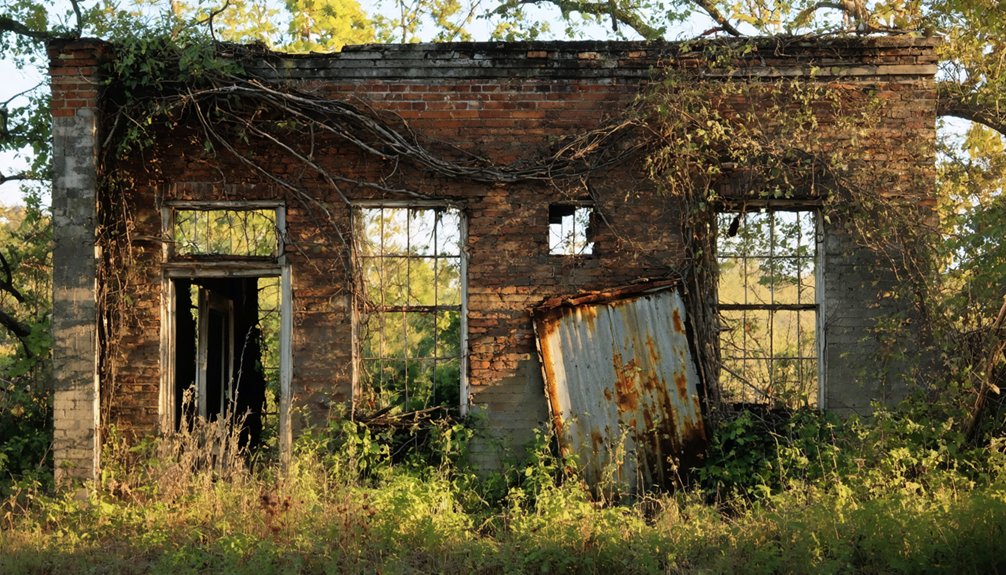
Despite its ghost town status, Apalachee still holds visible remnants of what it once was. When you drive through, you’ll spot boarded-up buildings that once housed bustling merchandise stores and a cotton gin. They stand silent but honest, telling a story no museum could replicate.
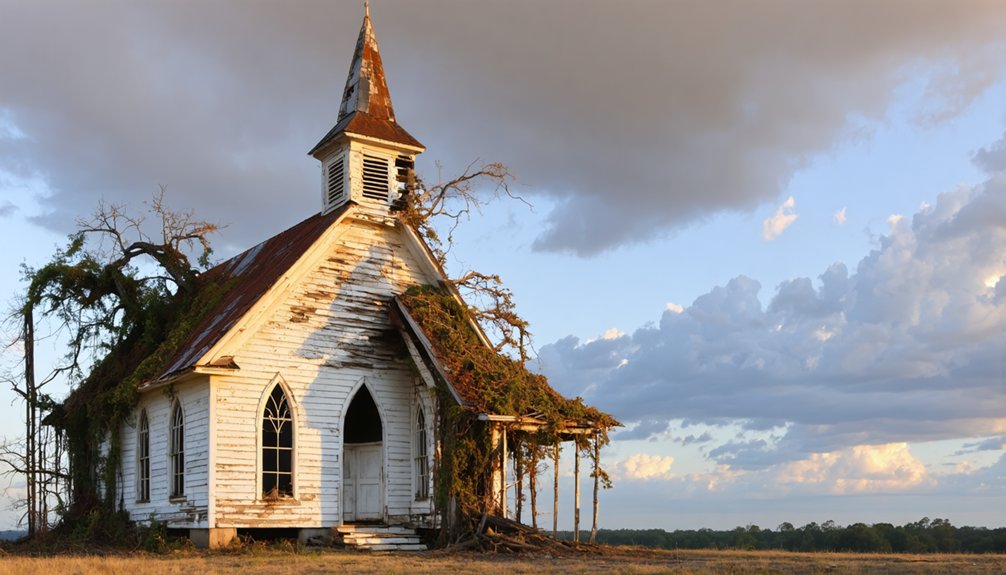
The Apalachee Baptist Church, founded in 1857, and the Methodist Church still stand as active structures worth seeing. The historic school building remains upright despite decades of decline.
Local legends tied to the railroad era add depth to what you’re observing.
Preservation efforts here are minimal, which actually keeps the experience raw and authentic. You’re not walking through a curated exhibit. You’re standing inside a real community’s unfiltered history, free to interpret it on your own terms.
How To Get To Apalachee From Madison, Georgia
Getting to Apalachee from Madison is invigoratingly simple — head north on Highway 441, and you’ll find the community sitting quietly just beyond the town’s edge in Morgan County. The drive takes only minutes, yet it carries you decades back in time.
You’ll pass open farmland before the ghost town’s historic architecture begins emerging — weathered storefronts, a standing schoolhouse, and aging church facades that still hold their ground against time. Roll down your windows and let the quiet settle in.
Local legends suggest the Apalachee River nearby inspired the town’s naming, though the Apalachee tribe never actually lived here. There’s no GPS marker worth trusting completely, so follow Highway 441 north and trust the landscape to guide you straight there.
What To Know Before You Visit Apalachee
Before you make the drive up Highway 441, understand that Apalachee isn’t a curated tourist destination — it’s a real ghost town with no visitor center, no guided tours, and no commercial infrastructure of any kind. You’re stepping into a living remnant, not a performance.
Bring water, wear comfortable shoes, and respect private property — many structures sit on land that families still own. You won’t find signage pointing you toward hidden landmarks or local legends, so do your research beforehand.
The Baptist Church, established in 1857, and the old school building are worth locating.
Cell service can be unreliable in rural Morgan County, so download offline maps.
Come with curiosity and respect, and Apalachee will reveal itself honestly.
Frequently Asked Questions
What Native American Tribe Inspired the Name of Apalachee, Georgia?
While you might think it’s obscure, the Apalachee tribe of the Creek Confederation inspired the name! You’ll appreciate this Native American history and Cultural influences, even though they never actually settled there.
When Was the Apalachee Baptist Church Originally Founded in the Community?
You’ll find that the Apalachee Baptist Church was originally founded in 1857, making it the community’s oldest institution. Its historic architecture whispers local legends, connecting you to a spirited past that’s beautifully raw and remarkably free.
Did the Apalachee Tribe Actually Ever Settle in This Named Area?
Like smoke without fire, the name carries tribal legends, but no archaeological findings confirm the Apalachee tribe ever actually settled here. You’ll find their spirit echoes only in the river’s name, not the land itself.
What Agricultural Industries Currently Operate in the Apalachee Area Today?
You’ll find poultry farming, dairy farming, and hay harvesting thriving in Apalachee’s agricultural history today. These farming practices keep the land alive, connecting you to a resilient rural spirit that’s survived economic hardship and still breathes freely.
When Did Apalachee’s Post Office Permanently Close Its Doors Forever?
In the 1950s, you’ll find Apalachee’s Post Office permanently closed its doors, deepening the ghost town legends. It’s one of the haunted landmarks that silently echoes a once-thriving community’s faded, forgotten freedom.
References
- https://wander-woman.blog/2016/07/02/apalachee/
- https://www.johncloonan.com/georgia-ghost-town/
- https://www.youtube.com/watch?v=thL6kv4p4-g&vl=en-US
- https://sites.rootsweb.com/~gatttp/ghosttowns/apalachee/apalachee.htm
- https://en.wikipedia.org/wiki/List_of_ghost_towns_in_Georgia_(U.S._state)
- https://everafterinthewoods.com/the-forgotten-cotton-town-in-georgia-that-feels-trapped-in-the-1800s/