Planning a ghost town road trip to Atlanta, Idaho means committing to an 80-mile journey down rough, unpaved forest roads deep in the Sawtooth Mountains. You’ll need a 4WD high-clearance vehicle, extra fuel, and a spare tire since no gas stations exist along the route. Visit between July and September for the best road conditions. Once you arrive, you’ll find preserved 1864 gold rush history, hot springs, and world-class fishing waiting to reward your adventure. There’s far more to uncover ahead.
Key Takeaways
- Atlanta, Idaho, founded in 1864, features preserved ghost town buildings, an original jail, and mining remnants set amid stunning Sawtooth Mountain scenery.
- The 80-mile journey from Boise follows rough, unpaved forest roads, requiring approximately 3.5 hours of travel time one way.
- A 4WD high-clearance vehicle is essential, along with spare tires, extra fuel, recovery gear, and navigation tools for this remote trip.
- Visit between July and September for the safest road conditions, as seasonal closures and early snowfall can restrict mountain route access.
- Beyond ghost town exploration, enjoy world-class fishing, mineral hot springs, hiking through Boise National Forest, and spectacular star-filled night skies.
Why Atlanta, Idaho Is Still Worth the Long Dirt Road Drive
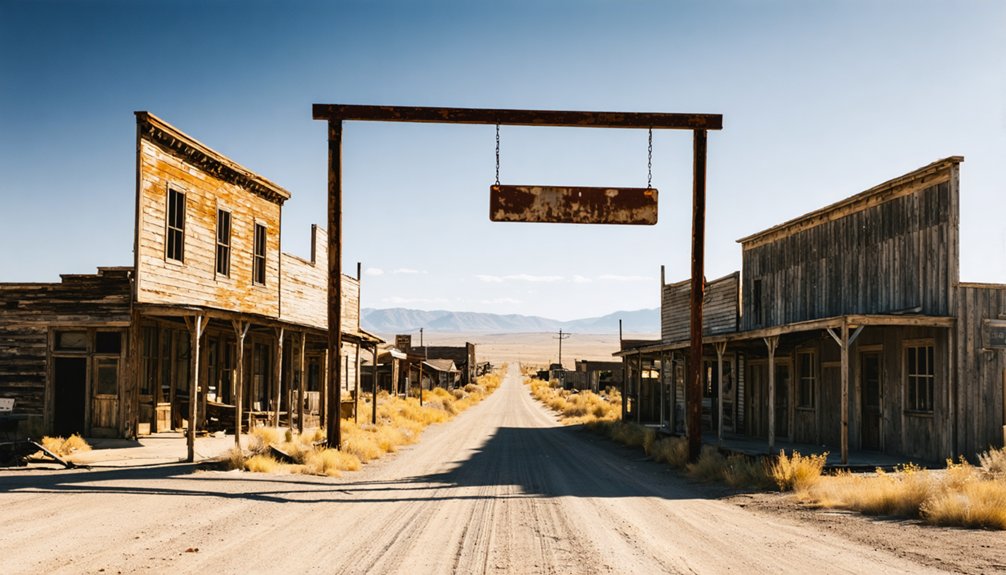
Atlanta, Idaho isn’t your typical road trip destination—and that’s exactly the point. You’re not just driving through scenery; you’re stepping into ghost town history that dates back to 1864, when gold and silver drew dreamers into these rugged Sawtooth Mountains.
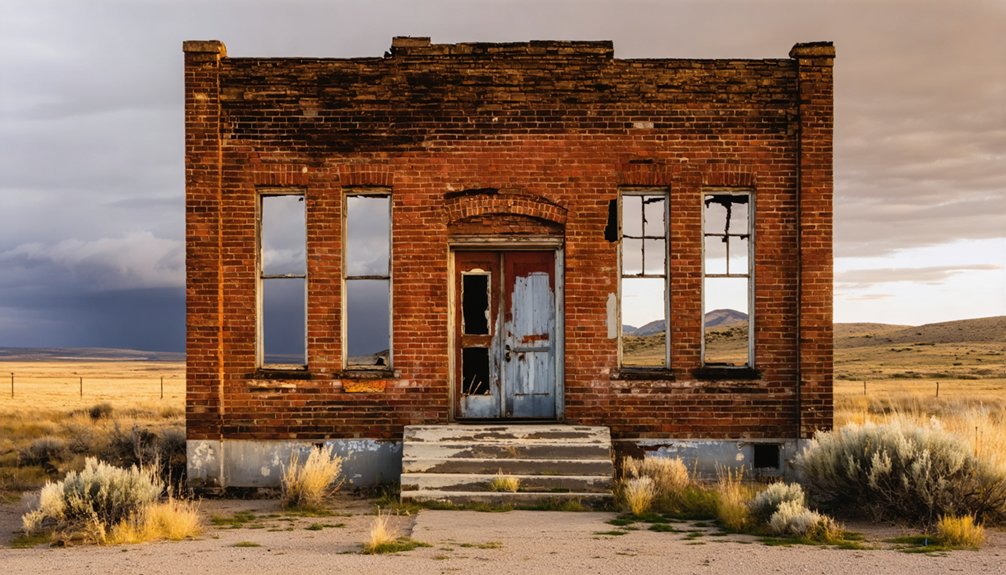
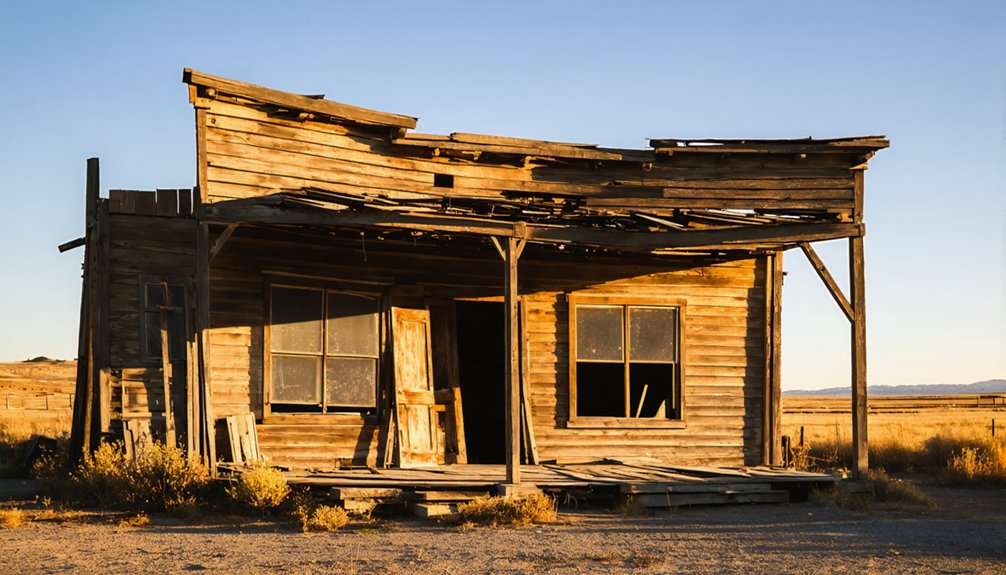
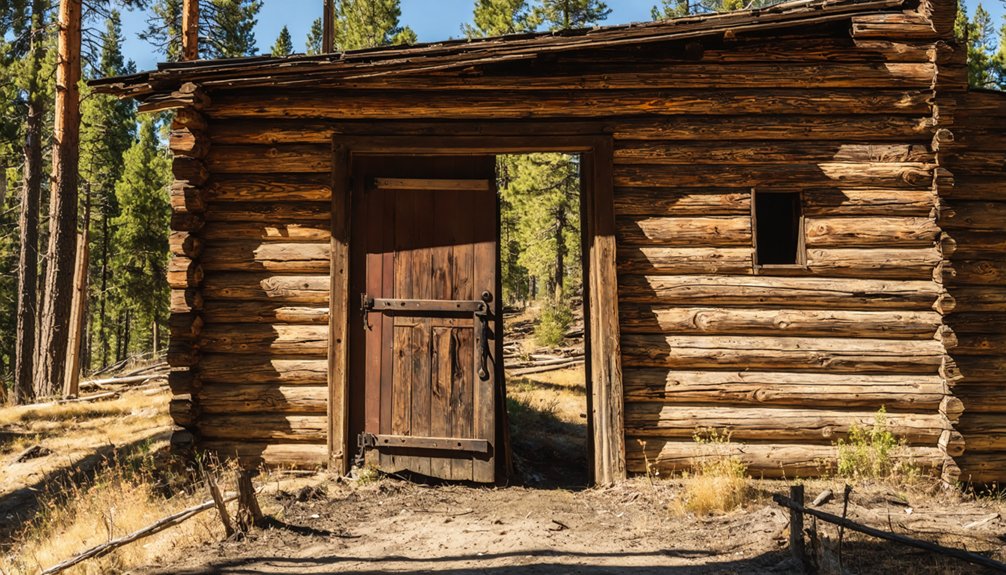
Original buildings, a preserved jail, and mining remnants still stand exactly as they were left behind.
History hasn’t moved here—original buildings, a preserved jail, and mining remnants remain exactly where they were abandoned.
Beyond the history, Atlanta rewards you with serious outdoor activities—world-class fishing, mineral hot springs along the Middle Fork Boise River, and wilderness campgrounds surrounded by breathtaking mountain views.
Yes, the 70-mile dirt road demands a capable vehicle and roughly 3.5 hours of your time. But that isolation is the whole appeal.
You’ll arrive somewhere few people bother to reach, and that freedom makes every rough mile worth it.
How Do You Get to Atlanta, Idaho From Boise?
Getting to Atlanta, Idaho from Boise isn’t a quick Sunday drive — it’s an 80-mile journey down rough, unpaved forest roads that’ll take you roughly 3.5 hours one way.
Your primary route follows Highway 21 north to Mores Creek Lucky Bridge, then winds up the Middle Fork Boise River Road.
Though an alternate mountain route through Crooked River Road offers a scenic shortcut if you’re visiting in warmer months when it’s open.
Whatever route you choose, bring a 4WD high-clearance vehicle, because these narrow, guardrail-free roads demand respect — and in winter, they’re closed entirely, leaving snowmobiles as the only option.
Primary Route From Boise
Reaching Atlanta, Idaho from Boise means committing to an 80-mile journey up the Middle Fork Boise River Road, a rugged route that’ll test both your patience and your vehicle.
Head north on Highway 21 toward Mores Creek Lucky Bridge, then turn right onto Spring Shores Road to connect with the Middle Fork Boise River Road.
From there, you’ll travel 80 miles upriver through breathtaking wilderness packed with scenic viewpoints that reward every mile of effort.
Expect roughly 3.5 hours of traversing narrow, unpaved roads with no guardrails, so bring a 4WD high-clearance vehicle.
Along the way, you’ll pass mineral hot springs and landscapes carrying deep historical significance tied to Idaho’s gold rush era.
It’s demanding, but the payoff is absolutely worth it.
Alternate Mountain Routes
While the Middle Fork route gets most of the attention, two alternate mountain paths offer a different way into Atlanta. From Highway 21, take Crooked River Road (NF-384), connect to NF-327, then NF-268, and you’ll cover 16 miles into town.
It’s the easiest option, though winter closes it completely.
Coming from Featherville, you’ll follow FR-156 through Rocky Bar, then FR-126 along James Creek to the Middle Fork Road.
Both paths reward you with dramatic mountain scenery that rivals anything you’ll find in central Idaho.
These routes suit travelers craving alternative adventures beyond the standard approach.
Just remember that all roads require a 4WD high-clearance vehicle. Narrow stretches, rough surfaces, and zero guardrails demand your full attention behind the wheel.
Road Conditions And Tips
No matter which route you choose, Atlanta’s roads demand respect. Road safety starts with vehicle preparation — bring a 4WD high-clearance vehicle, since narrow, guardrail-free stretches punish anything less capable.
Pack extra fuel, food, and emergency supplies, because you’re genuinely far from help out here.
Winter closes most routes entirely, leaving snowmobiles as the only viable option. Summer offers the best conditions, when dry roads make navigation far more manageable. Even then, expect rough, rocky surfaces and tight corners, particularly near Arrowrock Reservoir.
Budget around 3.5 hours one way for the 70-mile dirt road journey — rushing is never worth it. Slow down, stay alert, and respect the terrain.
Atlanta rewards the prepared traveler with breathtaking wilderness, hot springs, and history unlike anything you’ll find on paved roads.
Which Atlanta, Idaho Route Should You Take?
Getting to Atlanta, Idaho isn’t a simple plug-and-go GPS situation — the route you choose depends heavily on your vehicle, the season, and how much adventure you’re willing to tackle.
The easiest option runs along Crooked River Road through NF-384, offering stunning scenic viewpoints and frequent wildlife encounters, though it closes in winter.
For a longer but equally rewarding drive, take Highway 21 north from Boise along the Middle Fork Boise River Road — roughly 80 miles of raw wilderness.
Coming from Featherville, FR-156 through Rocky Bar connects via FR-126 to the Middle Fork Road.
Whichever route you choose, expect narrow dirt roads, no guardrails, and a 3.5-hour commitment. A 4WD high-clearance vehicle isn’t optional — it’s essential.
Road Conditions and What Vehicle You Actually Need
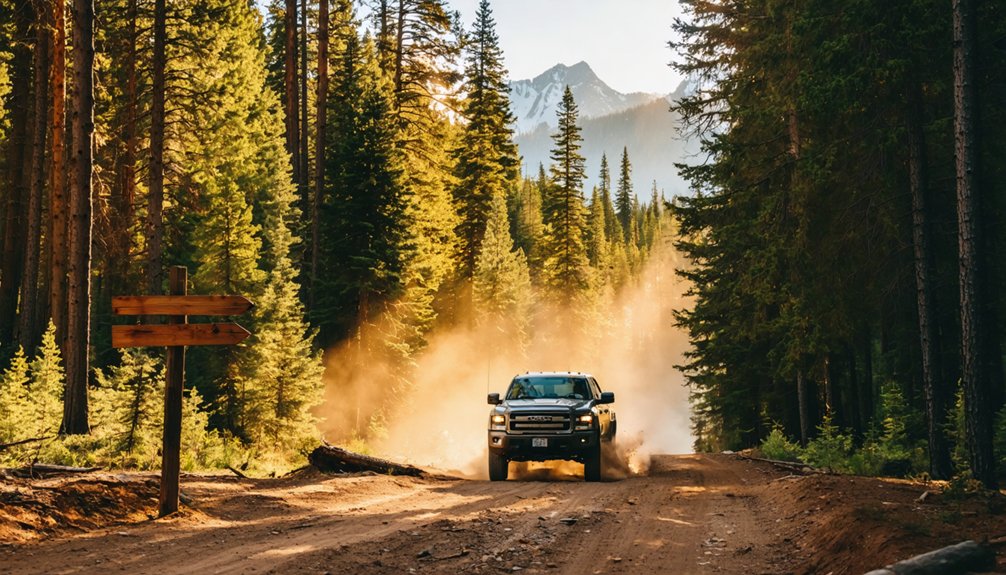
Before you commit to this adventure, you need to know that winter closes most roads to Atlanta completely, leaving snowmobiles as the only viable access.
When the warmer months roll around, the roads open up, but don’t let that lull you into a false sense of security — you’re still looking at 70 miles of rough, narrow dirt road that’ll take you around 3.5 hours one way.
Bring a 4WD high-clearance vehicle; without one, the guardrail-free stretches and rocky terrain will turn your ghost town road trip into a genuine nightmare.
Seasonal Road Closure Details
Whether you’re planning a summer adventure or a late-season run to Atlanta, Idaho, knowing the road conditions beforehand could save you a serious headache—or worse, strand you miles from civilization.
Seasonal access to Atlanta closes completely once winter conditions hit, leaving snowmobiles as the only viable transportation option. The Middle Fork Boise River Road technically stays open through winter, but don’t let that fool you—it’s rough, narrow, and unforgiving.
The scenic mountain route from Rocky Bar is stunning in warmer months but disappears under snow when temperatures drop. Your best window is summer, when dry conditions make navigation manageable.
Before you head out, check current road status with the Boise National Forest—conditions change fast, and nobody’s coming to rescue a poorly planned trip.
Recommended Vehicle Requirements
Reaching Atlanta, Idaho isn’t just a matter of pointing your car down a dirt road and hoping for the best—you’ll need a 4WD vehicle with high clearance to survive the 70 miles of rough, narrow terrain between you and this remote ghost town.
Terrain challenges include guardrail-free drop-offs, rocky creek crossings, and tight mountain switchbacks that punish unprepared drivers. Vehicle safety depends entirely on your preparation before departure.
Pack these essentials:
- Spare tire and jack — remote breakdowns have no roadside assistance
- Extra fuel — no gas stations exist along the route
- Recovery gear — tow straps and a shovel handle unexpected situations
- Navigation tools — cell service disappears completely in the wilderness
Freedom starts with arriving prepared.
When Is the Best Time to Visit Atlanta, Idaho?
Late spring through early fall gives you the widest window for adventure.
June through September delivers the most reliable road conditions on those unpaved forest routes. Expect mountain weather to shift quickly, so pack layers regardless of the season.
Fall brings stunning scenery but watch for early snowfall that can close routes unexpectedly.
Autumn colors peak brilliantly, but unexpected early snowfall can shut down mountain routes without warning.
Plan your trip between July and August for the safest, most rewarding experience in Atlanta’s rugged wilderness.
What Will You Actually See in Atlanta, Idaho?
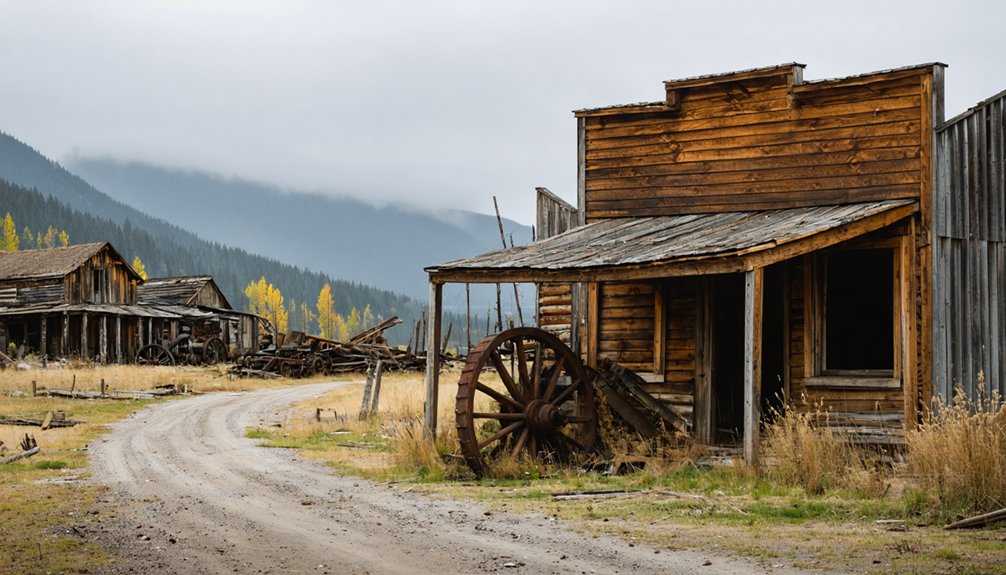
What awaits you in Atlanta, Idaho, is a living outdoor museum frozen in the rough-and-tumble spirit of the 1864 gold rush. You’ll explore historic structures with original interiors still intact, wander nature trails cutting through breathtaking wilderness, and soak in mineral hot springs along the Middle Fork Boise River.
The adventure opportunities here are limitless.
Here’s what you shouldn’t miss:
- Mining history — Examine preserved buildings, the original jail, and authentic mining remnants showcasing Atlanta’s gold rush roots.
- Photography spots — Capture scenic views of rugged Sawtooth Mountain landscapes and historic architecture.
- Outdoor activities — Fish, camp, and hike through vast Boise National Forest wilderness.
- Local wildlife — Spot native animals thriving in this remote, unspoiled habitat during your camping experiences.
Hot Springs, Campgrounds, and Fishing Near Atlanta, Idaho
Beyond the ghost town’s historic streets, the surrounding wilderness rewards you with natural treasures that rival Atlanta’s gold rush legacy.
Along the Middle Fork Boise River, your hot springs exploration leads you to Twin, Smith Cabins, and Loftus Hot Springs — natural soaking spots scattered throughout the canyon.
When you’re ready to set up camp, campground amenities at Troutdale (GPS: 43.716121, -115.625245) and Arrowrock Reservoir sites give you comfortable bases for exploring the region.
The Middle Fork also delivers exceptional fishing opportunities, with clear mountain waters teeming with fish throughout the warmer months.
This wilderness combination — soaking in geothermal pools, casting a line into pristine rivers, and sleeping under Idaho’s star-filled skies — transforms your Atlanta road trip into a complete outdoor adventure.
Frequently Asked Questions
Is There Cell Phone Service or Wi-Fi Available in Atlanta, Idaho?
Don’t expect cell coverage or internet access in Atlanta, Idaho! You’re venturing deep into Sawtooth Mountains wilderness, completely off the grid. Embrace the freedom of disconnecting as you explore this breathtaking, remote living ghost town.
Are There Any Food, Gas, or Lodging Options in Atlanta?
Like a Wild West frontier outpost, Atlanta’s got no local dining, fuel stations, or lodging. You’ll want to pack your own grub, gas up beforehand, and bring camping gear — true freedom means self-sufficiency out here!
Can Visitors Enter the Historic Buildings and Jail in Atlanta?
You’ll find Atlanta’s historic buildings and jail open for exploration, with original interiors preserved for your discovery. Building access lets you step into authentic history, making historic preservation feel alive and deeply personal on your visit.
Is Atlanta, Idaho Pet-Friendly for Travelers Bringing Dogs?
Over 60% of U.S. travelers bring pets on road trips! Atlanta’s vast wilderness welcomes your dog. Explore dog friendly accommodations and trails freely, but follow pet safety tips — watch for wildlife on those rugged, remote mountain roads.
Are There Guided Tours Available in Atlanta, Idaho?
Atlanta, Idaho doesn’t offer formal guided tours, but you’ll enjoy self-guided exploration through preserved historic buildings, the old jail, and mining remnants that provide rich historical insights into this fascinating living ghost town.
References
- https://www.youtube.com/watch?v=gy1xWRpEFSI
- https://www.onlyinyourstate.com/trip-ideas/idaho/haunting-road-trip-id
- https://hotspringslocator.com/atlanta
- http://idahotravelvacation.blogspot.com/2011/07/idaho-vacation-atlanta-idaho-mining.html
- https://www.youtube.com/watch?v=w00wWkqQYCs
- https://usghostadventures.com/americas-most-haunted-trending/ghost-towns-to-visit-on-your-summer-road-trip-along-route-66/
- https://visitidaho.org/things-to-do/ghost-towns-mining-history/atlanta-area/
- https://abandonedidaho.com/2025/12/10/atlanta-idaho/