Planning a ghost town road trip to Brashville, South Dakota means chasing a place that’s nearly vanished from modern maps. This fleeting Black Hills gold rush settlement existed for just 16 months before its post office closed in June 1882. You’ll need historical maps and USGS topographical tools to even find it. Pair your visit with nearby ghost towns like Rochford and Spokane to complete the experience. There’s plenty more to uncover about this fascinating journey.
Key Takeaways
- Brashville, a short-lived 1881 gold rush settlement in Lawrence County, South Dakota, has no standing structures, as nature has fully reclaimed the site.
- Locating Brashville requires historical county plat maps, USGS topographical maps, and satellite imagery, as it appears on no standard GPS apps or road atlases.
- The best time to visit is late spring through early fall, with June offering ideal conditions and early mornings providing optimal lighting.
- Nearby ghost towns worth combining into your route include Rochford, Rockerville, and Spokane, each offering unique historical and photographic experiences.
- Always research property boundaries before exploring, as many Black Hills ghost town sites involve private land requiring visitor respect.
What Was Brashville, South Dakota?
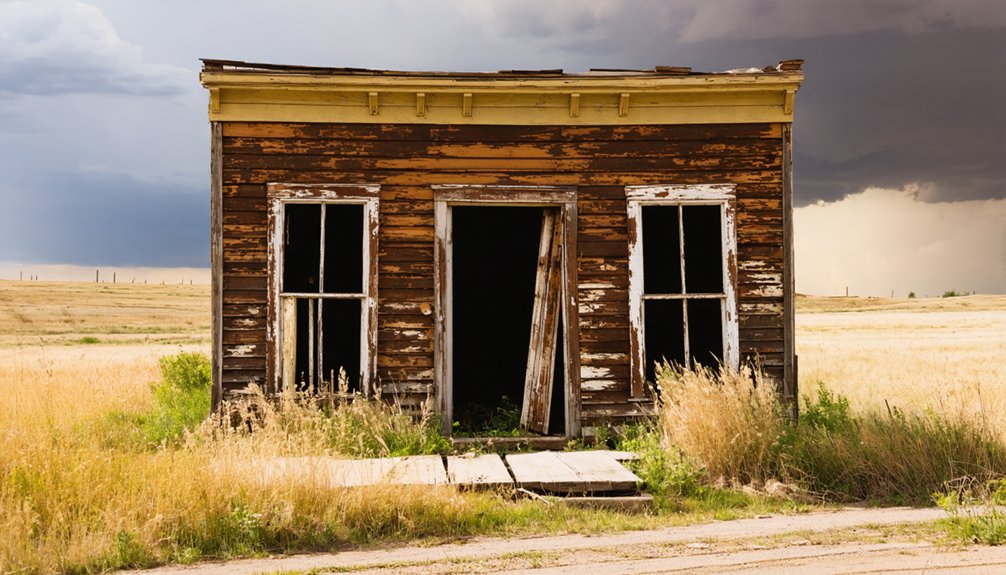
Brashville was a fleeting gold rush settlement tucked into Lawrence County in South Dakota’s Black Hills region — one of those towns that burned bright and vanished almost as quickly as it appeared.
Its Brashville history centers on a single defining moment: February 2, 1881, when John Brasch stepped in as postmaster, officially putting the town on the map. That post office ran for barely a year before closing in June 1882, and with it, the settlement faded.
Its mining legacy mirrors the classic Black Hills boom-and-bust cycle — gold drew hopeful prospectors, activity surged, then reality set in.
Today, no bustling streets remain, just a name preserved in historical records. But that’s exactly what makes visiting places like this so worth your time.
Where Exactly Is Brashville Located?
You’ll find Brashville tucked into Lawrence County’s rugged Black Hills region, a landscape where pine forests and old mining corridors make pinpointing ghost towns a rewarding challenge on any detailed map.
Pull up historical county records or a topographic map to narrow down its exact position, since sparse historical markers mean you’ll need to do a little detective work.
Once you’ve got your bearings, you’re within striking distance of other nearby ghost towns like Rochford and Spokane, making Brashville a natural anchor point for a broader Black Hills road trip.
Lawrence County’s Black Hills
Tucked into Lawrence County in South Dakota’s Black Hills region, Brashville sits among the pine-covered hills that once drew gold-hungry prospectors in the 1870s and 1880s.
The area’s Black Hills geology made it a prime target for mining, with quartz veins yielding gold, silver, and mica beneath the rugged terrain. That mineral wealth sparked settlements like Brashville almost overnight.
When you explore this corner of the Black Hills, you’re standing in a landscape shaped by mining history and ambition.
Lawrence County’s dense pine forests and rocky ridgelines once buzzed with activity as prospectors staked claims and small communities formed around every promising strike.
Today, that same wilderness quietly swallows what little remains, making your visit feel like genuine discovery rather than a staged tourist experience.
Locating Brashville On Maps
Finding Brashville on a modern map takes some patience, since this ghost town doesn’t appear on most standard road atlases or GPS apps.
You’ll need to dig deeper into Brashville history to pinpoint its exact location within Lawrence County’s Black Hills region.
Start your search using historical county plat maps, available through South Dakota’s state archives or genealogy databases.
These mapping techniques reveal township and range coordinates that modern navigation tools simply ignore.
Cross-reference USGS topographical maps with Lawrence County records to triangulate the settlement’s original footprint.
Online resources like the David Rumsey Historical Map Collection also help you visualize where early mining settlements clustered.
Once you’ve identified the general area, use satellite imagery to spot terrain features that align with documented 1881 survey descriptions.
Nearby Ghost Towns Access
Once you’ve pinpointed Brashville’s general location within Lawrence County, you’ll find that several other ghost towns sit within striking distance, making the trip worth extending.
Ghost town accessibility varies considerably across the region, so plan accordingly. Rochford hides deep within Black Hills National Forest, rewarding those who embrace rugged retreats.
Rockerville sits conveniently off Highway 16, placing it squarely along the Rapid City-Mount Rushmore corridor without demanding extra detours.
Spokane requires traversing hiking routes from Iron Mountain Road, offering a moderate trail experience before revealing rusted cars and reclaimed structures.
Southwest South Dakota towns cluster roughly 50 miles southeast of Rapid City, though many involve private property, so respect boundaries.
Combining these destinations transforms a simple Brashville visit into a genuinely immersive Black Hills ghost town expedition.
What’s Left to See at Brashville Today?
What remains of Brashville today is, honestly, not much — and that’s exactly what makes it a fascinating stop.
The Brashville remains are sparse, but their historical significance hits hard when you’re standing in Lawrence County’s quiet Black Hills landscape.
The Brashville remains are few, but standing in Lawrence County’s Black Hills, their weight is undeniable.
The post office that once anchored this mining settlement operated for barely 16 months before closing in June 1882.
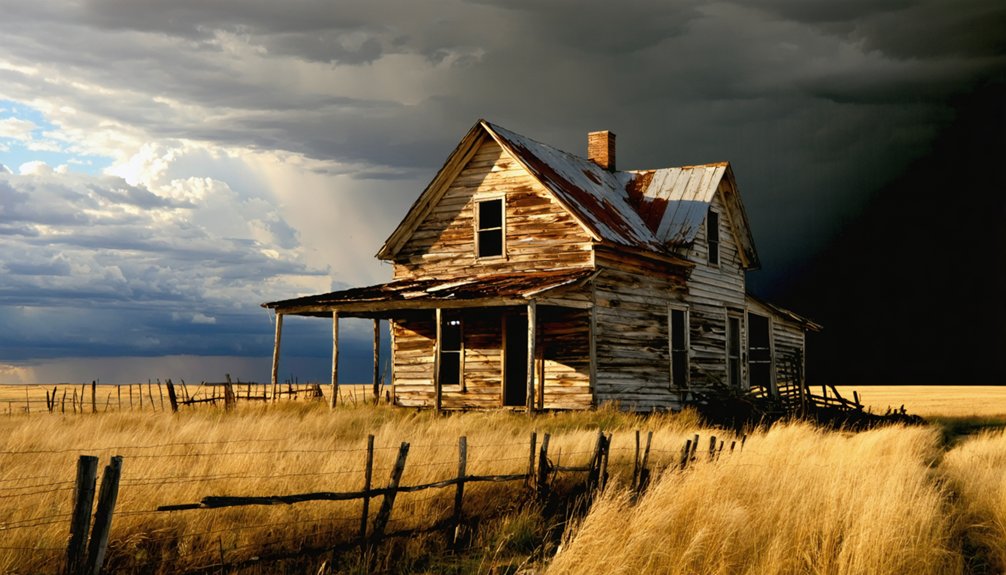
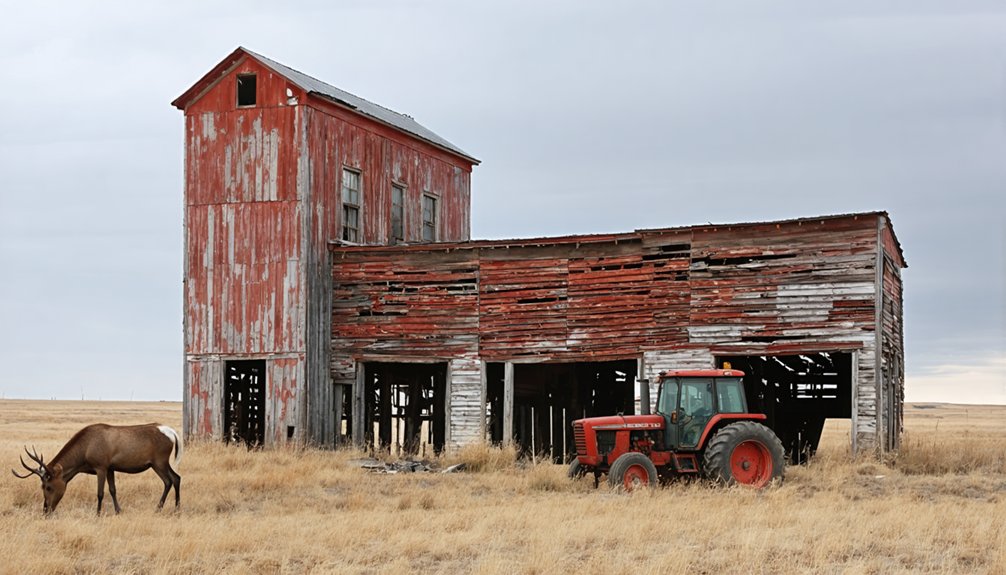
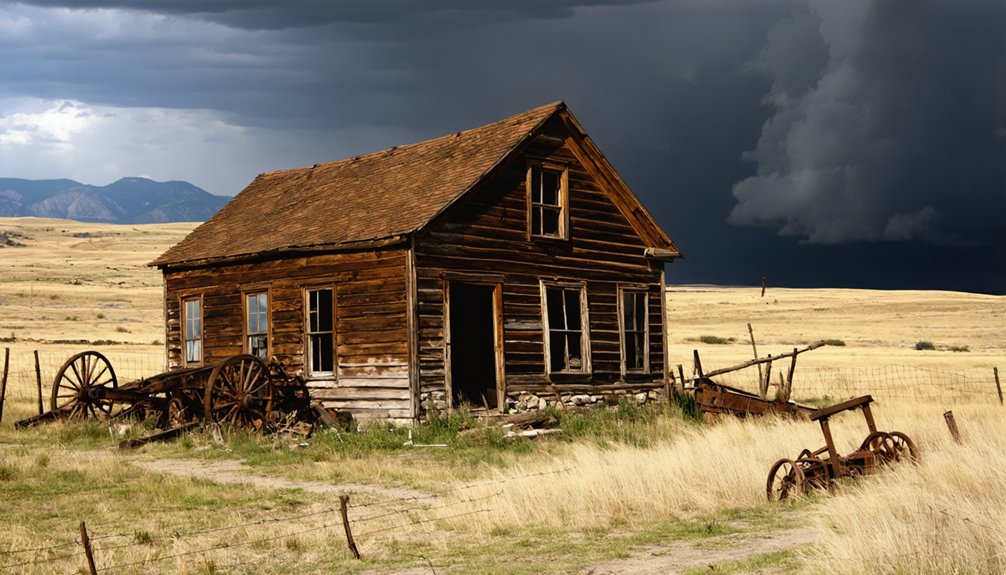
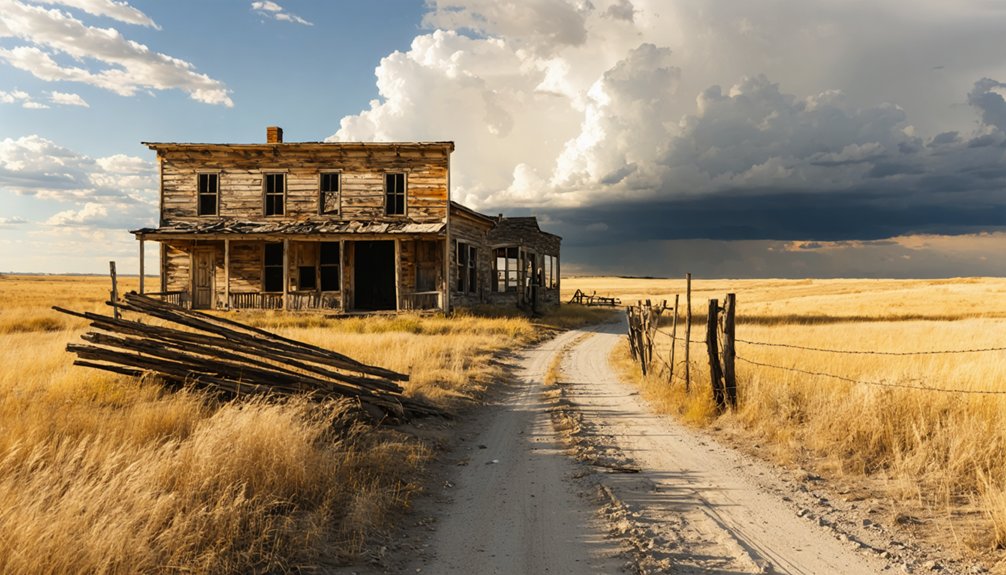
Nature has reclaimed most of what the gold rush built here. You won’t find restored buildings or tourist markers guiding your path — you’ll find raw, open terrain that once buzzed with miners chasing fortune.
Bring a detailed map, respect any private property boundaries, and let the silence do the storytelling.
Sometimes a ghost town’s greatest feature isn’t what’s standing — it’s what disappeared so completely.
How to Reach Brashville Without Getting Lost
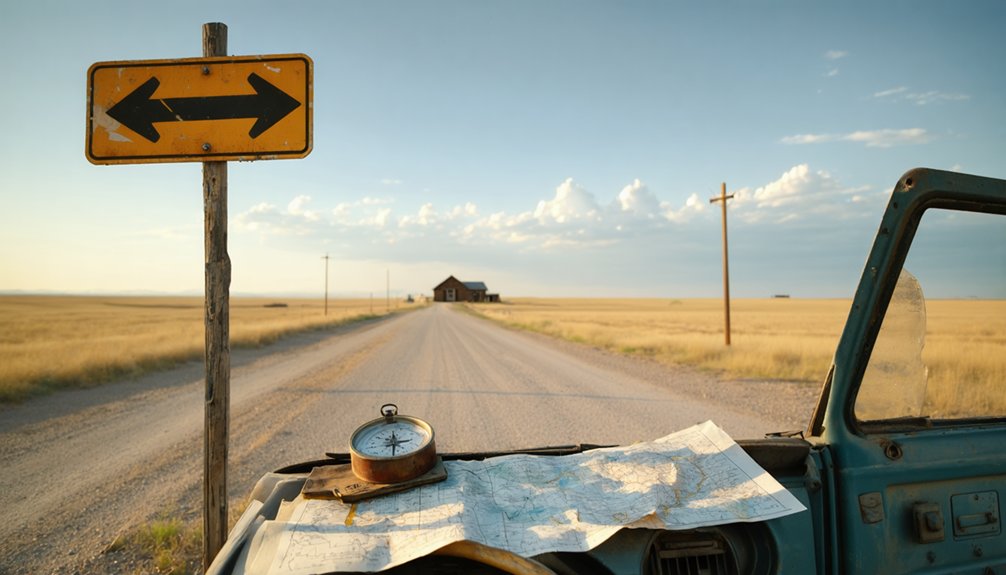
Getting to Brashville takes some old-fashioned navigation, since historical markers are sparse throughout Lawrence County’s Black Hills terrain. You’ll want detailed maps rather than relying solely on GPS, as remote forest roads don’t always register accurately.
Study Lawrence County’s grid before you leave, and download offline maps as backup.
Brashville landmarks are minimal given the settlement’s brief existence, so you’re fundamentally reading the landscape itself. Watch for pine forest clearings and subtle grade changes that signal old mining activity.
The site carries genuine historical significance as a gold rush-era postal hub, operating from 1881 to 1882 under postmaster John Brasch.
Tell someone your route before heading out, carry water, and embrace the rugged independence this kind of exploration demands. That freedom is exactly what makes Brashville worth finding.
When Is the Best Time to Visit Brashville?
Now that you’ve mapped your route, timing your visit smartly can make or break the experience. The best seasons to explore Brashville and Lawrence County’s ghost towns are late spring through early fall, when roads stay passable and daylight stretches long.
June hits a sweet spot — temperatures are moderate, wildflowers push through abandoned lots, and the Black Hills pine forests glow green.
June is the sweet spot — wildflowers, moderate temps, and the Black Hills pine forests glowing at their greenest.
Avoid winter entirely. Snow buries unmarked trails and turns rugged terrain dangerous. Summer crowds peak around Mount Rushmore nearby, so arriving on weekdays keeps your exploration quieter and freer.
Check for local events in Rapid City or surrounding towns before you go — festivals sometimes bring road closures that’ll reroute you unexpectedly.
Early morning arrivals reward you with golden light, dramatic shadows, and the eerie stillness ghost towns genuinely deserve.
What Should You Know Before Visiting Brashville?
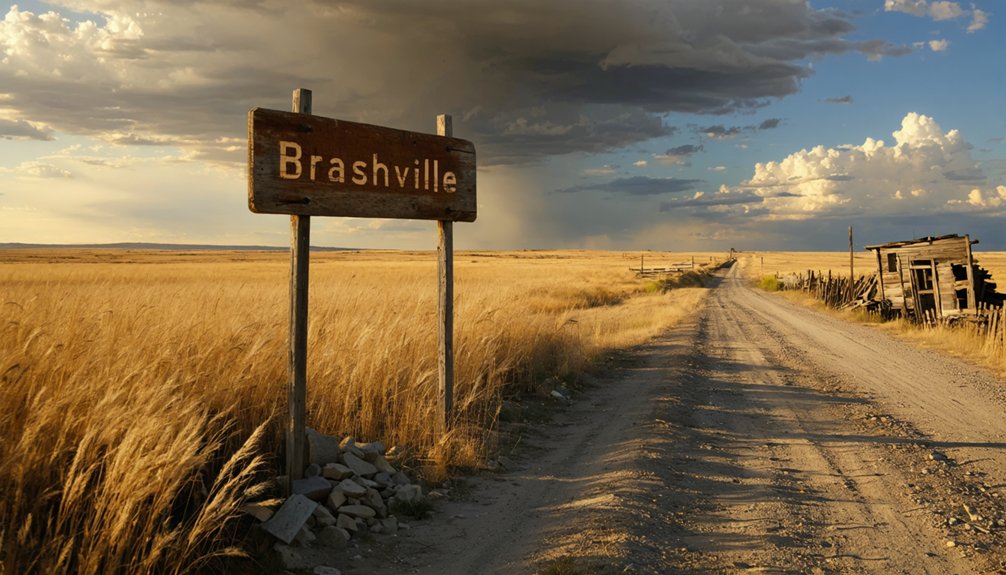
Before you load up the car and head toward Lawrence County, there are a few practical realities you’ll want locked in.
Brashville history is thin on the ground — no markers, no visitor center, no guided tours. You’re traversing raw terrain where nature has long reclaimed what gold rush ambition built.
Understanding the site’s mining significance helps frame what little remains. This wasn’t a town built to last; it was built to extract. When the ore dried up, people left fast.
Respect private property boundaries, since many remnants sit on land you can’t legally access without permission.
Bring solid maps, since digital signals get unreliable in Black Hills forests. Pack water, sturdy boots, and realistic expectations — Brashville rewards curiosity, not comfort-seekers.
Which Ghost Towns Pair Well With a Brashville Visit?
Since you’re already venturing into Lawrence County’s remote corners, pairing Brashville with nearby ghost towns turns a single-site excursion into a full Black Hills time capsule tour.
Brashville history reveals a fleeting 1881 mining settlement, but ghost town comparisons show fascinating contrasts across the region.
Rochford, peaking at 500 residents by 1878, offers standing 19th-century structures, a surviving church, and enough Old West charm to earn its “friendliest ghost town” reputation.
Rockerville sits conveniently off Highway 16, making it an easy detour near Rapid City.
Spokane rewards adventurous travelers willing to hike from Iron Mountain Road, where rusted cars and reclaimed wilderness create striking photo opportunities.
Together, these stops paint a vivid picture of the Black Hills’ gold rush legacy that no single town can deliver alone.
Which Black Hills Ghost Towns Are Worth Adding to Your Route?
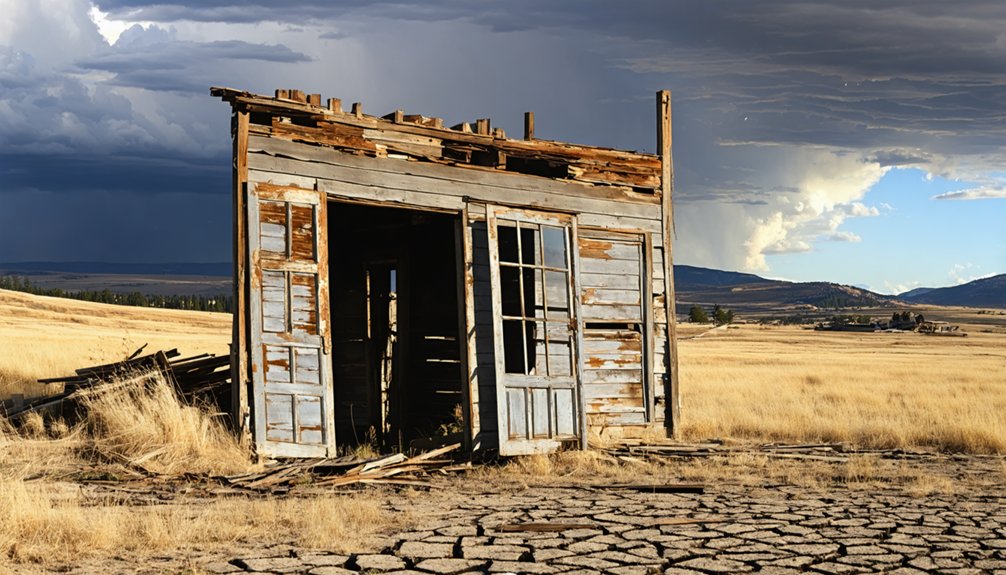
Beyond Lawrence County’s core ghost town circuit, the Black Hills scatter dozens of forgotten settlements worth folding into your route.
Rochford delivers authentic ghost town experiences with its 19th-century church, stores, and surprisingly lively community of ten residents keeping Old West character intact.
Rockerville sits conveniently off Highway 16, making it an effortless add-on near Mount Rushmore.
Spokane rewards adventurous travelers with rusted relics and nature dramatically reclaiming its structures along Iron Mountain Road.
Understanding Brashville’s significance sharpens your appreciation for these sites — each reflects the same boom-and-bust cycle that erased post offices and entire communities overnight.
Together, they paint a fuller picture of Black Hills mining ambition.
Plan your route deliberately, respect private property boundaries, and you’ll experience the region’s layered, unfiltered history firsthand.
Frequently Asked Questions
Can You Camp Overnight Near Brashville or Other Lawrence County Ghost Towns?
You’ll find camping options near Lawrence County’s ghost towns! Check camping regulations for Black Hills National Forest, where nearby campgrounds let you sleep under the pines and wake up ready to explore Brashville’s haunting, historic landscapes.
Are Guided Ghost Town Tours Available for the Black Hills Region?
You’ll find guided tours exploring Black Hills ghost town history, though options vary. Local outfitters and historical societies often lead excursions, immersing you in rugged mining legends, abandoned settlements, and untamed landscapes that’ll ignite your adventurous spirit.
What Photography Equipment Works Best for Capturing Abandoned Ghost Town Structures?
Like a time traveler, you’ll capture ghost town magic best using a sturdy tripod stability base and wide-angle lens selection. They’ll reveal weathered textures, dramatic shadows, and haunting architectural details of abandoned structures beautifully.
How Does Brashville’s Mining History Compare to Other South Dakota Gold Rush Towns?
Brashville’s mining history mirrors South Dakota’s gold rush story—you’ll find it burned bright but brief. Unlike Rochford’s booming dance halls, Brashville’s post office lasted only 16 months, showing how quickly fortune’s tide turned.
Are There Entrance Fees or Permits Required to Visit Black Hills Ghost Towns?
Most Black Hills ghost towns don’t have formal entrance requirements or permit details to worry about, but you’ll want to respect private property boundaries. Some sites sit within national forest areas, so check access rules before exploring freely!
References
- https://www.youtube.com/watch?v=uZWYRDLR0iU
- https://www.islands.com/2152520/rochford-south-dakota-friendliest-ghost-town-black-hills-once-thriving-mining-old-west-charm/
- https://www.youtube.com/watch?v=_0WNYsFLSLA
- https://en.wikipedia.org/wiki/List_of_ghost_towns_in_South_Dakota
- https://myxoadventures.com/the-ghost-town-of-spokane-south-dakota/
- https://www.powderhouselodge.com/black-hills-attractions/fun-attractions/ghost-towns-of-western-south-dakota/
- https://www.travelsouthdakota.com/trip-ideas/abandoned-beauty-ghost-towns-structures-south-dakota
- https://kids.kiddle.co/List_of_ghost_towns_in_South_Dakota