Cove Fort isn’t your typical ghost town, but it delivers the atmosphere. Built in 1867 from volcanic rock and limestone, this remarkably preserved pioneer fortress sits at the junction of I-15 and I-70 in Millard County, Utah. You’ll get free guided tours, authentic frontier artifacts, and reported ghostly encounters near the telegraph office. It’s roughly two hours from Salt Lake City and offers year-round access. Stick around to uncover everything this haunted historical gem has to offer.
Key Takeaways
- Cove Fort, built in 1867 from volcanic rock and limestone, served as a telegraph hub and stagecoach stop for pioneer travelers heading West.
- Free volunteer-led tours showcase 12 authentically furnished stone rooms featuring telegraph equipment, period furniture, and artifacts reflecting 19th-century frontier life.
- Visitors report ghostly encounters including shadowy figures, cold spots, unexplained sounds, and flickering lights throughout the fort’s thick-walled interior.
- Located at the junction of I-15 and I-70, Cove Fort is roughly two hours from Salt Lake City and 90 minutes from St. George.
- Pack sunscreen, water, sturdy shoes, and a camera; nearby stops include Fremont Indian State Park, Fillmore’s Territorial Statehouse, and Beaver’s historic downtown.
What Makes Cove Fort Worth a Road Trip Stop?
Few stops along Interstate 15 pack as much history into a single square as Cove Fort, Utah. Built in 1867 from volcanic rock and limestone, this 100-foot-by-100-foot fortress once sheltered travelers crossing some of the West’s most unforgiving terrain.
Cove Fort’s significance stretches beyond its thick walls. It served as a telegraph hub, stagecoach stop, and overnight refuge for up to 75 people at once.
You’re fundamentally stepping into the crossroads of an entire era.
At Cove Fort, you’re not just visiting a landmark — you’re standing at the intersection of an entire era.
Pioneer travel experiences weren’t glamorous — they were grueling, dangerous, and dependent on waypoints exactly like this one.
Today, free volunteer-led tours let you explore authentically furnished rooms, connecting you directly to that rugged chapter of American history without spending a dime.
Why Cove Fort Survived When Every Other Pioneer Fort Didn’t
While most pioneer forts crumbled or rotted away within decades, Cove Fort still stands because Ira Hinckley built it from volcanic rock and limestone rather than wood. That material choice explains Cove Fort’s resilience in a landscape that destroyed nearly every other pioneer fortification before the 20th century arrived.
The walls run two to four feet thick, with flat outer faces that prevent climbing. You’re looking at a structure that absorbed a century of desert heat, flash floods, and neglect — and still held together.
Most pioneer fortifications simply couldn’t survive that kind of punishment.
When you walk through those original walls, you’re stepping into something genuinely rare: a mid-19th-century western fort that didn’t need rebuilding from scratch. Stone made the difference.
Is Cove Fort Really Haunted?
When you step inside Cove Fort’s thick stone walls, you might feel more than just history pressing in around you—visitors have reported strange sightings and unexplained sensations that keep the haunted rumors alive.
The fort’s century of sporadic occupation, isolation, and desert silence create the perfect atmosphere for ghost town legends to take root.
Whether you’re a skeptic or a true believer, you’ll find it hard to dismiss the eerie feeling that someone—or something—might still be watching over these restored rooms.
Haunted History Claims
Cove Fort’s thick volcanic walls and storied past make it a natural candidate for ghost stories, and visitors have indeed reported eerie experiences within its restored rooms.
You’ll hear tales of unexplained sounds echoing through the telegraph office and shadowy figures glimpsed near the 12-room interior. These ghostly encounters feel deeply connected to the fort’s historical significance — this was a place where travelers, stagecoach riders, and settlers passed through twice daily, carrying stories of hardship, conflict, and survival.
The fort witnessed over two decades of intense human drama before its decline in the 1890s.
Whether you’re a skeptic or a believer, you can’t deny that walking these 150-year-old stone corridors stirs something primal. The walls, after all, remember everything.
Strange Reported Sightings
So, what exactly are people seeing inside Cove Fort’s ancient stone walls? Visitors report ghostly encounters ranging from shadowy figures moving through darkened rooms to unexplained cold spots in the fort’s 12 stone chambers.
Some guests claim hearing faint voices echoing through hallways where no one stands. Spectral sightings often concentrate near the telegraph office and sleeping quarters, where travelers once sought refuge from harsh desert conditions and violent conflicts.
You might notice an inexplicable chill despite Utah’s warm climate, or catch movement in your peripheral vision near original period furnishings.
Whether you’re a skeptic or true believer, you can’t ignore the atmospheric weight these thick volcanic rock walls carry. Over 150 years of human struggle, survival, and hardship have soaked deeply into every stone.
Ghost Town Legends
Though no official paranormal investigations have confirmed supernatural activity at Cove Fort, local legends persist stubbornly among visitors and longtime Utah residents alike.
Ghost stories tied to this remote waystation weave through local folklore like desert wind through stone walls. You’ll hear tales including:
- Shadowy figures spotted near the telegraph office after dark
- Unexplained footsteps echoing through empty 12-room corridors
- Cold spots appearing suddenly inside thick volcanic rock walls
- Mysterious lights flickering where stagecoach travelers once rested
- Disembodied voices whispering near the original fort entrance
Whether you’re a skeptic or true believer, these legends add undeniable intrigue to your visit.
Cove Fort’s isolation, century-long abandonment, and turbulent frontier history create the perfect breeding ground for stories that refuse to die quietly.
What You’ll Actually See Inside the Fort
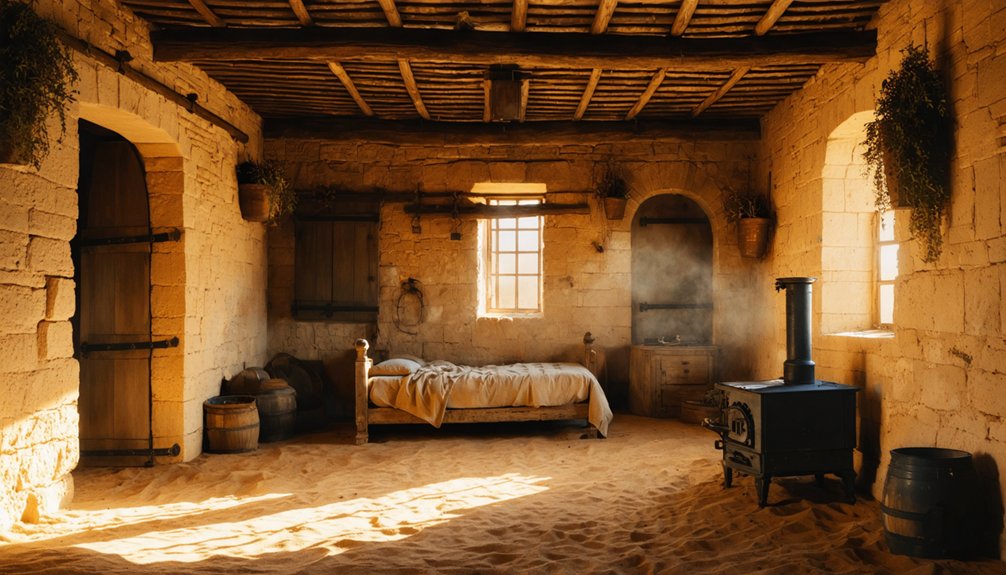
When you step inside Cove Fort, volunteer guides walk you through 12 stone rooms furnished with authentic artifacts from the fort’s first decade of operation.
You’ll see period-accurate furnishings, tools, and everyday objects that paint a vivid picture of life on the Mormon Corridor in the 1860s and 1870s.
The restored buildings and replica outbuildings round out the experience, giving you a surprisingly complete look at how travelers, stagecoach passengers, and settlers once lived within these thick volcanic walls.
Authentic Period Room Artifacts
Step through the fort’s heavy wooden doors, and you’ll find yourself surrounded by rooms carefully furnished with authentic artifacts from Cove Fort’s first decade of operation.
Each space captures the historical significance of pioneer life, showcasing period furniture and everyday objects that tell real stories of survival and resilience.
Here’s what you’ll discover inside:
- Telegraph equipment from the fort’s regional communications hub
- Period furniture including beds, tables, and cooking tools settlers actually used
- Kitchen and dining artifacts that once served up to 75 travelers daily
- Sleeping quarters reflecting authentic frontier living conditions
- Trading post items representing the fort’s role as an essential way station
You’re not just viewing relics — you’re stepping directly into living history.
Restored Fort Buildings
Cove Fort’s 12 rooms stretch across a compact 100-by-100-foot stone structure, and you’ll find each one restored to reflect life as it actually was during the fort’s first decade.
The restoration techniques used here preserved the original volcanic rock and limestone walls, which run two to four feet thick. Flat outer wall faces — one of the fort’s most deliberate architectural features — were designed specifically to prevent climbing.
You’ll also explore outbuildings reconstructed to complement the original structure. Volunteers guide you through spaces furnished with authentic period artifacts, so you’re not just looking at empty walls — you’re reading the story of real people who sheltered, worked, and traveled through hostile desert terrain.
Every detail exists to show you exactly how frontier survival worked.
Volunteer-Led Interior Tours
Walking into Cove Fort, you’re immediately paired with a volunteer guide who’ll lead you through all 12 restored rooms at no charge.
These tour guide experiences bring history alive through personal storytelling and authentic period artifacts.
Here’s what you’ll discover inside:
- Telegraph office — the region’s original communications hub
- Sleeping quarters furnished exactly as 1860s travelers left them
- Kitchen and dining areas that once fed 75 people simultaneously
- Volcanic rock walls stretching 2-4 feet thick with flat climbing-resistant faces
- Outbuildings revealing daily frontier survival realities
Volunteer opportunities power this entire operation, meaning passionate locals share genuine connections to this history rather than scripted performances.
You’re not watching a museum exhibit — you’re walking through a living story that shaped westward travel across Utah’s rugged corridor.
How to Get to Cove Fort From Major Utah Cities

Whether you’re coming from Salt Lake City, Provo, or St. George, reaching Cove Fort is straightforward.
Head to the junction of Interstate 15 and Interstate 70 in Millard County, Utah, then follow Highway 161 southeast. The fort sits roughly midway between Fillmore and Beaver, making it a natural stopping point on your road trip.
From Salt Lake City, expect about a two-hour drive south on I-15. From St. George, drive north approximately 90 minutes on the same highway.
Once you arrive, you’ll immediately appreciate the Cove Fort history embedded in its walls. The fort construction itself tells the story — volcanic rock and limestone walls, two to four feet thick, built to last centuries.
Park freely, walk in, and let the past surround you.
Best Times to Visit Cove Fort
Spring and fall offer the most comfortable conditions for exploring Cove Fort, when mild temperatures make it easy to linger in the fort’s open courtyard and examine the volcanic rock and limestone walls up close.
Use these visitor tips to plan your trip:
- Spring (April–May): Wildflowers bloom along Highway 161, adding scenic beauty to your drive.
- Summer: Arrive early to beat afternoon heat in the open courtyard.
- Fall (September–October): Cooler air makes walking the grounds especially pleasant.
- Winter: Fewer crowds mean more personal attention from volunteer guides.
- Seasonal events: Check with staff at (435) 438-5547 for special programming tied to pioneer heritage.
Tours run free year-round, so you’re never locked into one narrow window to experience this remarkable historic site.
What to Pack for a Visit to Cove Fort
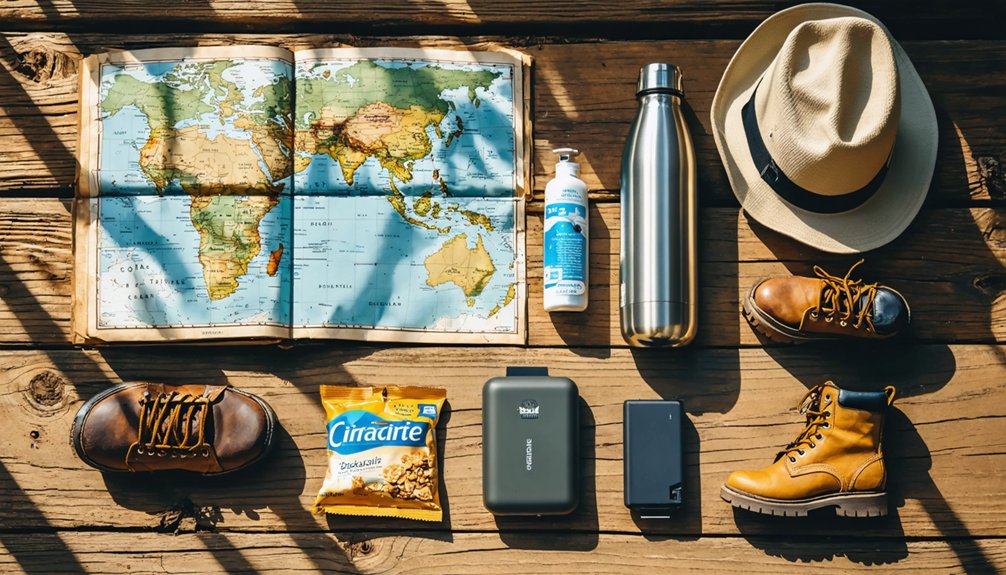
A few simple items can make your visit to Cove Fort far more comfortable and rewarding. Your packing essentials should include sunscreen, a hat, and sturdy walking shoes, since Utah’s high desert sun hits hard and the terrain demands solid footing.
Bring water, as the fort’s historically insufficient supply isn’t available to visitors today.
A camera captures the volcanic rock walls and authentically furnished rooms beautifully. Carry a light jacket too — temperatures shift quickly near the Interstate 15/70 junction elevation.
Regarding visitor etiquette, respect the restored artifacts and avoid touching period furnishings during your free volunteer-led tour. Leave nothing behind, take nothing away. The fort’s century-long survival deserves your care.
A notebook for jotting historical details adds depth to your exploration.
Cove Fort Day Trip: Best Stops Along the I-15 Mormon Corridor
Stretching north to south through Utah’s high desert, the I-15 Mormon Corridor connects several historic stops that pair perfectly with a Cove Fort visit.
You’ll find your road trip richly rewarded by exploring these nearby landmarks:
- Fillmore, Utah – Utah Territory’s original capital sits just north, offering the Territorial Statehouse State Park.
- Beaver, Utah – A charming historic downtown with 19th-century architecture lies minutes south.
- Fremont Indian State Park – Ancient petroglyphs carved into canyon walls tell stories predating pioneer settlement.
- Panguitch Historic District – Red-brick pioneer buildings showcase early Mormon craftsmanship.
- Cedar Breaks National Monument – Dramatic amphitheater formations reward drivers continuing south.
Each stop deepens your understanding of the Mormon Pioneer Highway’s significance, transforming a simple Cove Fort day trip into an unforgettable corridor of American frontier history.
Frequently Asked Questions
Who Founded Cove Fort and Under Whose Directive Was It Built?
Ira Hinckley founded Cove Fort in 1867 under Brigham Young’s directive. You’ll discover this fascinating Cove Fort History reflects bold Pioneer Settlements, where visionaries carved essential waypoints into Utah’s untamed frontier, embodying true freedom and resilience.
Like a treasure map leading to ghost town history, your road trip tips start here: plug 38.600941 N, 112.581865 W into your GPS, and you’ll navigate directly to Cove Fort’s remarkable, waiting secrets.
How Thick Are Cove Fort’s Walls and What Materials Were Used?
You’ll marvel at Cove Fort’s walls, standing 2-4 feet thick, crafted from volcanic rock and limestone. This architectural design reflects historical significance, showcasing how sturdy materials helped this remarkable fort endure the test of time.
Is There an Admission Fee to Tour Cove Fort’s Rooms?
You won’t believe what awaits you — it’s free! Volunteer guides lead you through Cove Fort’s rooms, revealing a remarkable tour experience that brings its historical significance to life without costing you a single penny.
What Is the Contact Phone Number for Cove Fort Visitor Information?
You can reach Cove Fort’s visitor information at (435) 438-5547! Call ahead to confirm visitor hours and uncover the fort’s rich historical significance — it’s your gateway to exploring this remarkably preserved 19th-century pioneer landmark freely!
References
- https://www.utahhauntedhouses.com/real-haunt/cove-fort-historic-site.html
- http://www.expeditionutah.com/forum/index.php?threads/ghost-town-cove-fort-millard-county-utah.3917/
- https://www.ksl.com/article/51308628/restored-utah-ghost-towns-that-should-be-on-your-summer-travel-bucket-list
- https://en.wikipedia.org/wiki/Cove_Fort
- https://www.youtube.com/watch?v=suXdb_Yim1A
- https://www.visitutah.com/places-to-go/cities-and-towns/beaver/cove-fort
- https://www.youtube.com/watch?v=tzSVhyP2nP0
- https://www.utahlifemag.com/blog/post/cove-fort
- https://www.tripadvisor.com/Attraction_Review-g28965-d1847364-Reviews-or300-Cove_Fort-Utah.html
- https://www.ghosttowns.com/states/ut/covefort.html