Elk Falls, Kansas, calls itself the World’s Largest Living Ghost Town — and once you arrive, you’ll understand why. Founded in the 1870s with nearly 1,000 settlers, it’s now home to just over 100 resilient souls. You’ll find an 1893 iron bridge, a six-foot waterfall, handcrafted pottery, and the quirky annual Outhouse Tour waiting for you. It’s about 85 miles southeast of Wichita on U.S. 160, and there’s plenty more to discover ahead.
Key Takeaways
- Elk Falls, Kansas, known as the “World’s Largest Living Ghost Town,” sits approximately 85 miles southeast of Wichita via U.S. Highway 160.
- The town features historic landmarks, including an 1893 iron truss bridge, abandoned buildings, and a six-foot waterfall cascading over sandstone.
- Key attractions include Elk Falls Pottery, the Sherman House Bed & Breakfast, and seasonal sites like the Tannery and Saw Mill.
- The annual Outhouse Tour offers a humorous, unique cultural experience celebrating the town’s ghost town heritage and community spirit.
- Plan at least one hour to explore; parking is informal, and major attractions are easily accessible on foot.
Why Elk Falls Calls Itself the World’s Largest Living Ghost Town
Elk Falls wears a peculiar badge of honor — the self-proclaimed “World’s Largest Living Ghost Town.” It’s a title that sounds contradictory at first, but the numbers tell the story.
The town’s ghost town origins trace back to the 1870s, when founder R. H. Nichols and six businessmen built a community that once drew nearly 1,000 residents. Today, between 100 and 110 people call it home.
That dramatic population decline came from transportation shifts — modern highways let travelers bypass small towns entirely, and rural businesses quietly shuttered. Yet Elk Falls never fully disappeared.
It held on. You’ll find real residents, working pottery shops, and a functioning bed and breakfast here. It’s a town caught between two worlds, and that tension is exactly what makes it worth visiting.
How to Get to Elk Falls, Kansas
Getting to Elk Falls means trading the interstate for two-lane roads that roll through oak forests and open Kansas hill country. From Wichita, head southeast roughly 85 miles along U.S. Highway 160. The drive itself sets the mood — small towns thin out, the land softens into rolling hills, and the pace slows naturally before you arrive.
The interstate fades behind you, replaced by two-lane roads, oak forests, and rolling Kansas hill country.
If you’re coming from Independence, Kansas, follow U.S. 160 northwest about 35 miles. Either direction delivers you straight into town without complicated Elk Falls directions or GPS gymnastics.
Once you arrive, you won’t need long to orient yourself. Local attractions cluster near the waterfall and the 1893 iron bridge, both sitting at the town’s edge.
Give yourself an hour, and you’ll cover everything worth seeing.
The Elk Falls Historic Sites You Shouldn’t Drive Past
Once you park and step out, the town’s history starts pressing in from every direction. The 1893 Iron Truss Bridge still stands strong over the creek, framing the waterfall behind it like a postcard nobody printed.
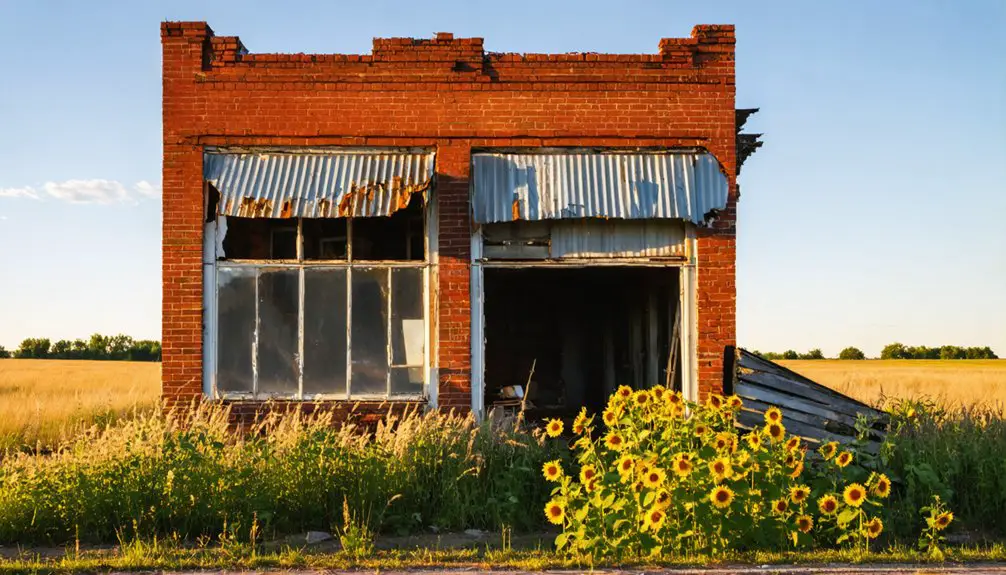
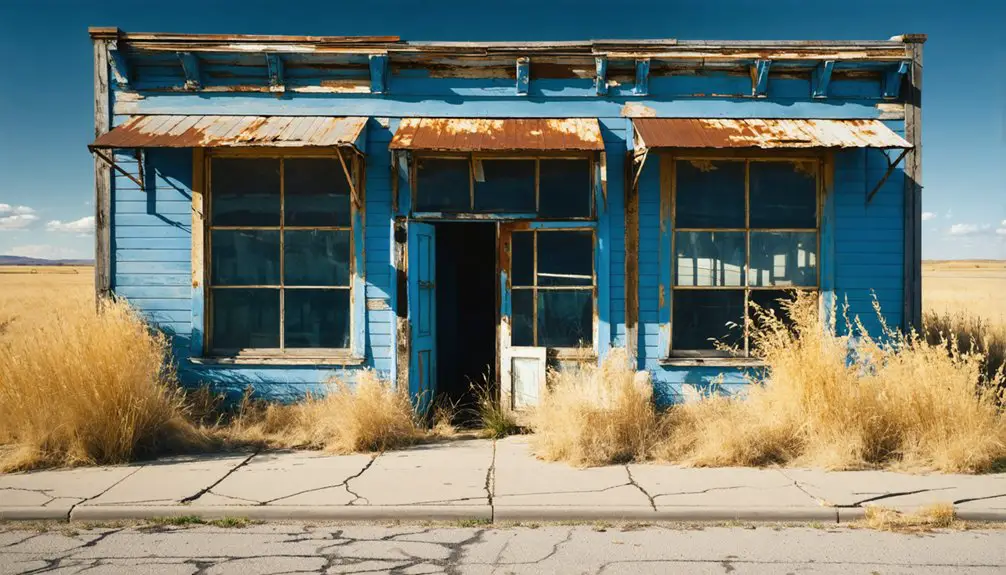
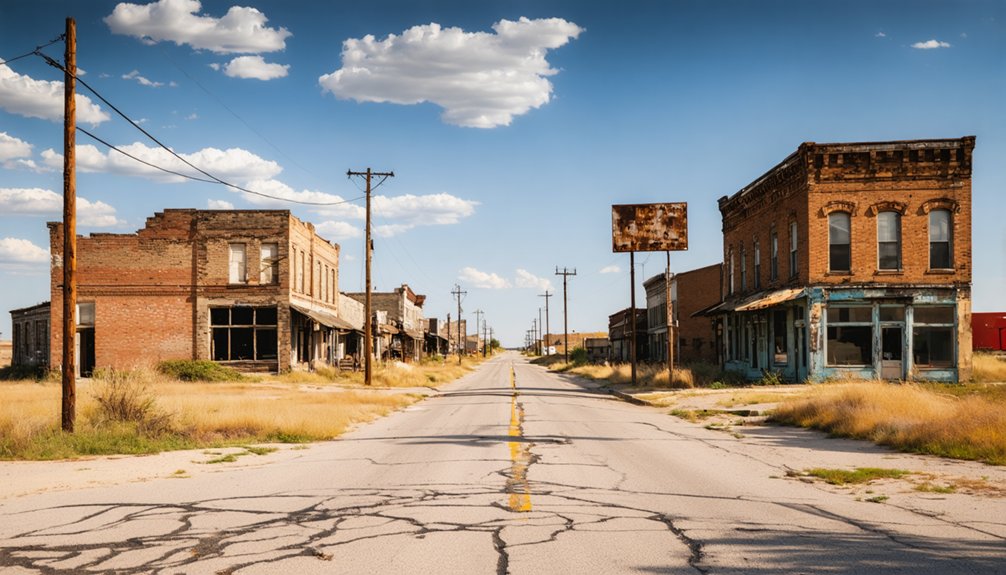
Walk the quiet streets and you’ll notice abandoned buildings holding their ground against time, weathered but stubborn. Historic markers on the west side honor Prudence Crandall, the civil rights pioneer who spent her final years right here in this fading town.
The Rock Garden near Elk Falls Pottery rewards the curious, and the Sherman House reminds you that people once built things meant to last.
You’re not just passing through ruins — you’re reading a living record of what small-town America looked like before the highways pulled everyone away.
The Annual Elk Falls Outhouse Tour and What Else Is On
Beyond the history etched into bridges and markers, Elk Falls has found a way to laugh at itself — and it’s pulled visitors in because of it. The Annual Outhouse Tour celebrates ghost town culture with genuine wit, turning humble outhouses into folk art displays that reflect outhouse history and small-town resilience.
You’ll wander quietly decorated structures, each telling its own quirky story.
But there’s more waiting for you here. Elk Falls Pottery invites you to browse handcrafted work beside a charming rock garden.
The Sherman House Bed & Breakfast offers a rare overnight stay inside living history. The Tannery and Saw Mill add seasonal texture to your visit.
Together, these stops make Elk Falls feel less like a dying town and more like a deliberate choice to stay alive.
Best Things to Do in Elk Falls in One Hour
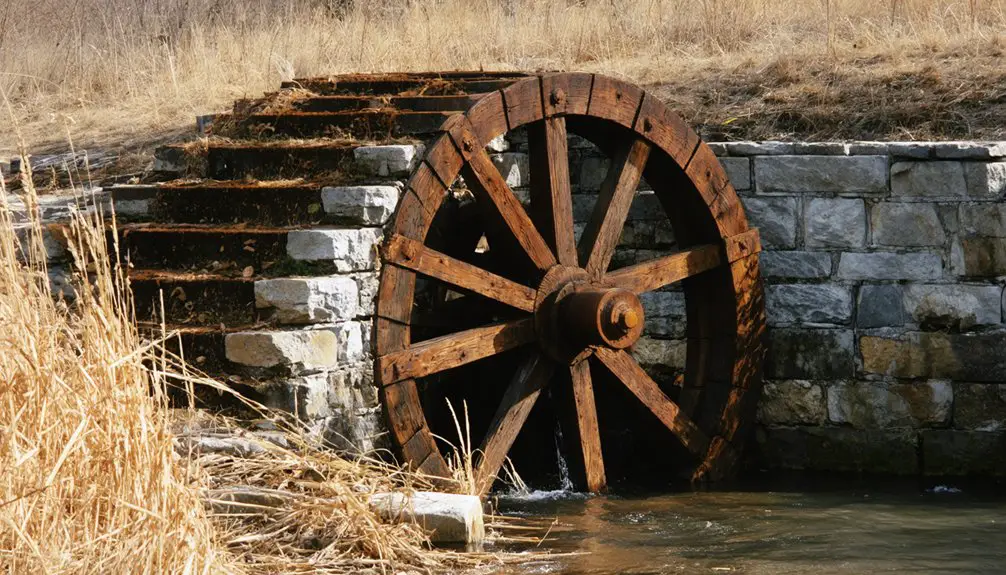
One hour is all you need to feel the quiet weight of Elk Falls. Start at the waterfall, where six feet of water spills over ancient sandstone into the creek below — waterfall viewing doesn’t get more raw or unhurried than this.
Cross the 1893 iron truss bridge and let the creak of history settle under your boots. Wander the quiet streets past abandoned storefronts and read the historical markers honoring Prudence Crandall near the west end of town.
Stop into Elk Falls Pottery for pottery shopping among handcrafted pieces and the surrounding rock garden. You’re not rushing through a theme park — you’re moving through a living relic.
Elk Falls rewards the traveler who slows down long enough to actually see it.
Where to Stay in Elk Falls: The Sherman House
Few places let you sleep inside the history you just spent an hour exploring, but the Sherman House does exactly that. Built in 1879, this historic lodging puts you inside one of Elk Falls’ oldest surviving structures, where the walls carry stories the road outside can’t tell you.
You’re not booking a hotel room here — you’re claiming a piece of the frontier. The Sherman House Bed & Breakfast Inn offers a genuine overnight escape from the predictable, letting you wake up in a ghost town on your own terms.
No crowds, no rush, just quiet streets and morning light falling over sandstone and iron.
If the open road brought you this far, spend the night. Elk Falls earns that extra time.
Road Conditions, Hours, and Parking at Elk Falls
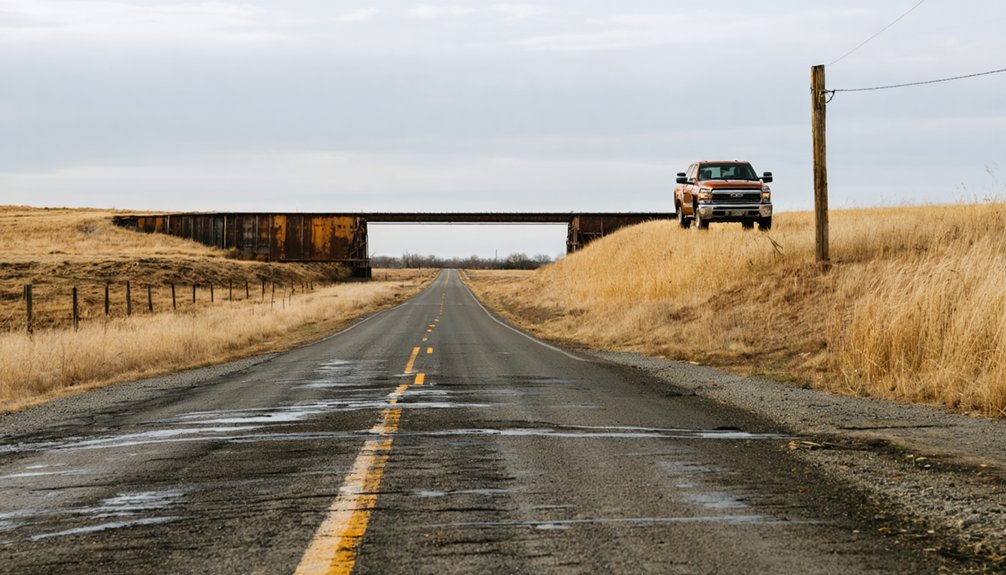
You’ll reach Elk Falls easily via U.S. Highway 160, where paved roads lead directly to the falls and the historic iron bridge, with informal parking available roadside near both attractions.
Some seasonal businesses, like Elk Falls Pottery and the Tannery, operate only during warmer months, so you’ll want to check ahead before planning a visit around specific stops.
Budget about an hour for your visit, and you’ll find the terrain easy to navigate on foot, even after light rain when the sandstone paths can get slick.
Road Access And Parking
Getting to Elk Falls is pleasantly simple — U.S. Highway 160 carries you directly into town, offering a smooth, well-maintained drive through the rolling Flint Hills countryside.
Road safety isn’t a concern here; traffic stays light, and the pace feels invigoratingly unhurried.
Once you arrive, parking options are equally stress-free. You’ll find open, informal parking areas near the waterfall, the historic 1893 iron bridge, and Elk Falls Pottery.
No meters, no crowds, no rush — just the quiet freedom to wander at your own pace.
The town welcomes visitors during daylight hours, though no formal gates or schedules restrict your exploration.
Give yourself roughly an hour to absorb the sandstone falls, the weathered bridge, and the beautifully forgotten streets that time has gently passed by.
Seasonal Hours And Conditions
Elk Falls shifts quietly with the seasons, and knowing when to visit shapes your experience considerably.
Fall draws the strongest crowds, when the annual Outhouse Tour transforms this sleepy stretch of Kansas into something unexpectedly lively.
Spring reveals the waterfall at its fullest, fed by seasonal rains over the sandstone outcrop.
Summer keeps Elk Falls Pottery and the Tannery open, so you’ll find more active businesses welcoming you in.
Winter strips everything back to raw quiet — beautiful, but expect limited access to seasonal events and closed storefronts.
Among essential visitor tips: arrive on weekends for the best chance of finding businesses open, and check road conditions along U.S. 160 after heavy rains.
The surrounding rural roads can soften quickly, so plan your route with flexibility.
Frequently Asked Questions
Who Was Prudence Crandall and Why Did She Move to Elk Falls?
Prudence Crandall’s legacy lives in Elk Falls history — she was a pioneering civil rights educator who spent her final 16 years there after 1883, where you’ll still find historical markers honoring her remarkable, freedom-fighting life.
What Was Elk Falls Like During Its Peak Population in the 1880S?
During its peak, you’d have found Elk Falls alive with nearly 1,000 residents, bustling with historic significance and commerce. Today, its quiet streets echo that lost energy, reminding you how economic decline transformed this once-thriving free community.
Did Elk Falls Ever Succeed in Becoming the County Seat?
Like a dream just out of reach, Elk Falls’ history tells a tale of near misses—the county seat controversy slipped through its fingers, and you’ll find it never claimed that coveted title.
What Type of Waterfall Formation Creates the Six-Foot Drop at Elk Falls?
You’ll find that waterfall geology shapes Elk Falls’ six-foot drop, where natural erosion has carved water over a rugged sandstone outcrop — a timeless, wild cascade that’s been calling free spirits to its banks since 1870.
How Many Residents Currently Live in Elk Falls Year-Round Today?
While it may seem deserted, Elk Falls’ current demographics tell a resilient story — you’ll find between 100 and 110 year-round residents proudly preserving the town’s historical significance, keeping this hauntingly beautiful ghost town authentically alive for freedom-seeking explorers like you.
References
- https://www.youtube.com/watch?v=LNAm0sZuNyw
- https://www.youtube.com/watch?v=_DLl0NgdIPo
- https://www.islands.com/1997785/worlds-largest-ghost-town-outside-wichita-kansas-well-preserved-buildings-waterfall-elk-falls/
- https://rhysfunk.com/2017/03/11/a-look-back-in-southeast-kansas/
- https://www.youtube.com/watch?v=TkpFQ-8uEgQ
- https://www.legendsofamerica.com/ks-elkfalls/
- https://ghost-towns.close-to-me.com/states/kansas/elk-falls-ks/
- https://gregdisch.com/2020/10/05/elk-falls-waterfall-and-living-ghost-town/
- http://kansastravel.org/elkfalls.htm
- https://greyeyedwanderer.wordpress.com