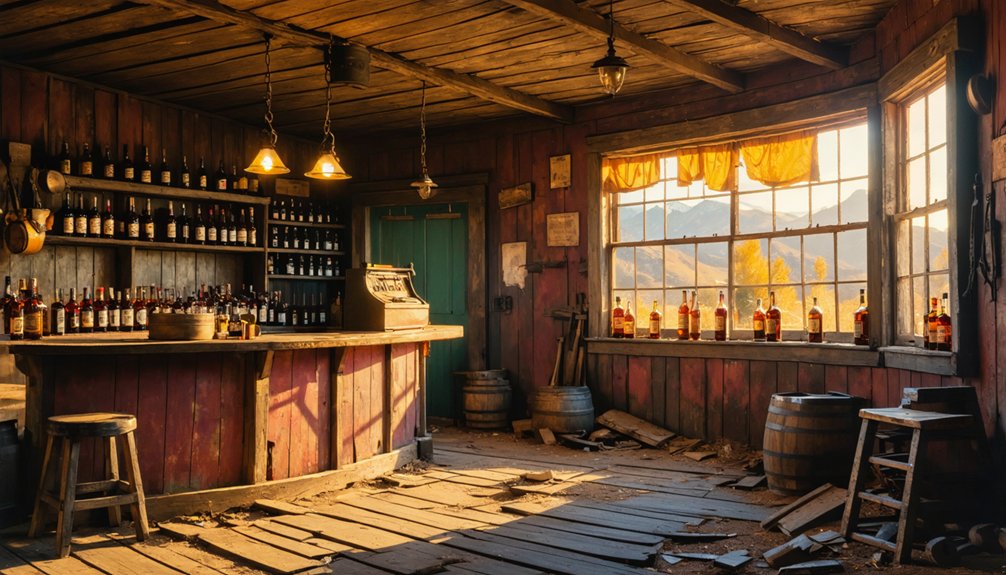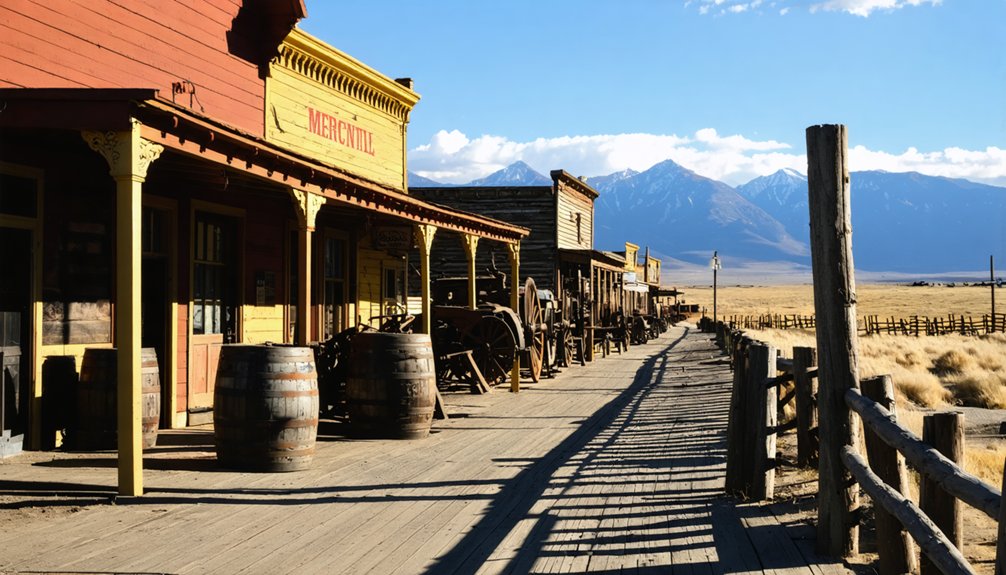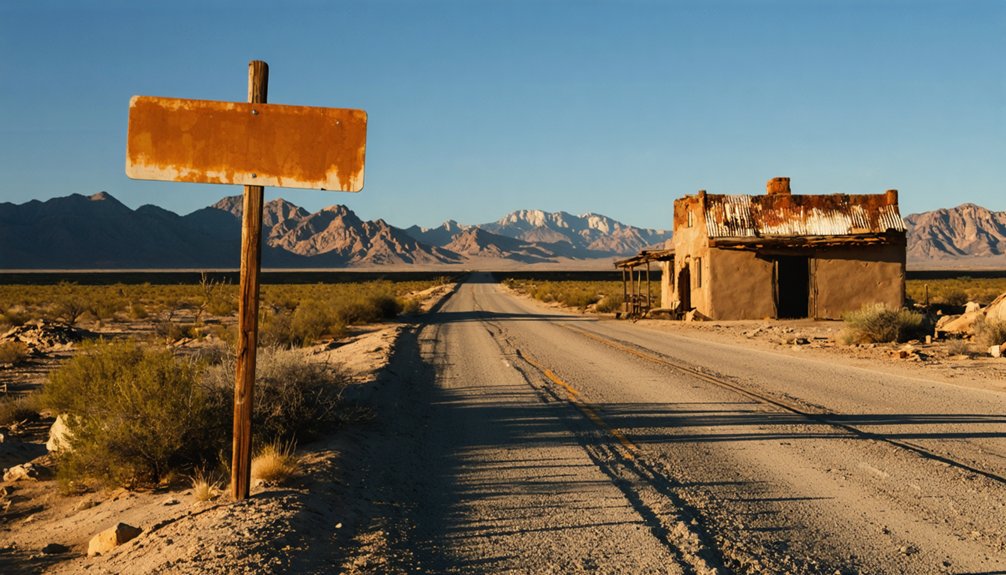
Planning a ghost town road trip to Pinacate means crossing into raw, volcanic Mexico near San Luis Rio Colorado, where black desert sands swallow the silence whole. You’ll need a valid passport, Mexican auto insurance, and a high-clearance vehicle loaded with at least a gallon of water per person daily. Travel between November and March to avoid lethal heat. The most rewarding part? Everything you’ll discover once you start mapping your route.
Key Takeaways
- Visit Pinacate Biosphere Reserve between November and March to avoid dangerous summer heat exceeding 40°C and monsoon flash flooding.
- Carry a valid passport, Mexican auto insurance, and vehicle permit, coordinating with park authorities before crossing at San Luis Rio Colorado.
- Pack at least one gallon of water per person daily, plus electrolytes, SPF 50+ sunscreen, and a satellite communicator.
- Notable stops include El Elegante Crater, Tezontle lava fields, and Santa Clara Peak within the UNESCO-recognized reserve.
- California ghost towns worth combining on your trip include Bodie, Calico, Cerro Gordo, and Randsburg for rich mining history.
Why the Pinacate Region Belongs on Every Desert Road Tripper’s List
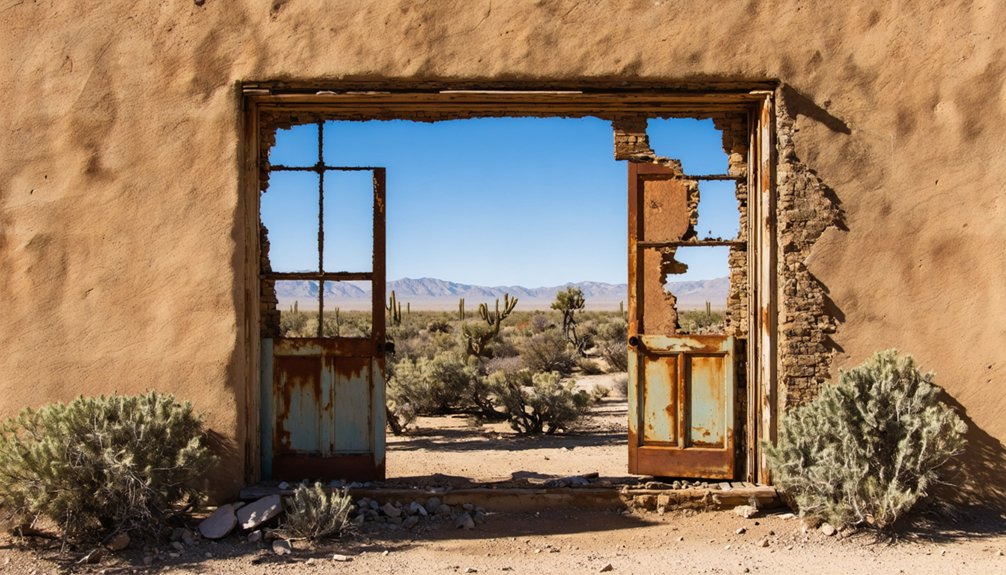
Though California’s ghost towns like Bodie and Calico tend to dominate road trip bucket lists, the Pinacate Biosphere Reserve in Mexico’s Baja California demands your attention for entirely different reasons. You won’t find reconstructed storefronts or staged gunfights here. Instead, you’ll encounter raw volcanic landscapes, black desert sands, and a silence that ghost towns simply can’t manufacture.
The Pinacate Mystique isn’t built from abandoned silver mines — it’s carved from geological time itself. Where ghost towns offer preserved history behind velvet ropes, Pinacate hands you unfiltered wilderness.
Pinacate isn’t preserved behind velvet ropes — it’s raw geological wilderness, ancient and utterly unfiltered.
You’re traversing unpaved roads through a UNESCO-recognized reserve, breathing air untouched by tourist crowds.
If freedom defines your road trip philosophy, Pinacate delivers what no California ghost town can — genuine remoteness, ancient terrain, and the liberating weight of true solitude.
What to Know Before You Cross the US-Mexico Border
Before you point your vehicle south toward the Pinacate Biosphere Reserve, crossing into Mexico requires more than a full tank and an adventurous spirit.
This border crossing opens into raw desert ecology unlike anything north of the line.
Come prepared with:
- Valid passport — no exceptions at the border
- Mexican vehicle permit — required beyond the border zone
- Mexican auto insurance — your US policy won’t protect you
- Entry coordination with Pinacate park authorities before arrival
- High-clearance vehicle for unpaved desert roads ahead
November through March offers the safest travel window, keeping you clear of temperatures pushing past 40°C.
The desert rewards the prepared traveler — those who respect its terms gain access to volcanic landscapes few Americans ever witness firsthand.
The Best Route From the San Luis Rio Colorado Crossing to the Reserve
Once you’ve cleared the San Luis Rio Colorado crossing with your passport and Mexican entry permit secured, you’ll trade paved comfort for rugged, unpaved desert roads that demand a high-clearance vehicle and a seasoned respect for isolation.
The route stretches through volcanic black sand terrain, where the Sierra Pinacate’s ancient peaks rise like weathered sentinels against a sky that hasn’t changed since the region’s first explorers passed through.
You’re traversing a landscape that’s both a scientific wonder and a bureaucratic checkpoint, so confirm your coordination with Mexican park authorities before your wheels ever leave the pavement.
Border Crossing Entry Requirements
Crossing into Mexico at San Luis Rio Colorado sets the tone for everything that follows — you’re no longer just driving through the desert, you’re entering a different world entirely.
The border crossing demands preparation, not improvisation. Secure your entry permits before arriving, and carry your valid passport without exception.
Here’s what you’ll need to cross freely:
- Valid passport or passport card
- Mexican tourist entry permit (FMM card)
- Vehicle importation permit for travel beyond the border zone
- Proof of vehicle insurance valid in Mexico
- Contact information for Pinacate Biosphere Reserve park authorities
Don’t treat the border crossing as an afterthought. Missing documentation kills momentum fast, and the desert doesn’t wait.
Handle logistics early, and the road ahead opens completely on your terms.
Navigating Unpaved Desert Roads
After clearing the San Luis Rio Colorado checkpoint, the pavement beneath your tires doesn’t last long — and that’s exactly when the real journey begins.
The volcanic landscape swallows the road whole, leaving you traversing sun-baked, rutted tracks toward the reserve’s interior.
Desert navigation techniques matter here. Download offline topographic maps before you cross — cell signals vanish fast. A high-clearance vehicle isn’t optional; it’s survival equipment. Reduce tire pressure slightly for better traction across the black volcanic sand.
Unpaved road safety demands your full attention. Drive early morning before heat destabilizes visibility and your engine’s temperament. Carry twice the water you think you’ll need. Tell someone your route.
This road doesn’t reward the careless — but it absolutely rewards the prepared.
When to Go: and When the Desert Will Turn You Back
The Pinacate Desert doesn’t negotiate. You’ll face volcanic landscapes that punish the unprepared and reward those who respect the calendar.
November through March is your window — cool enough to move freely, warm enough to witness desert wildlife stirring across black volcanic sand.
Miss that window, and the desert turns you back hard.
- Summer temperatures regularly exceed 40°C, making survival conditions brutal.
- Spring wildflowers transform volcanic landscapes briefly but beautifully.
- Desert wildlife, including bighorn sheep, moves most actively in cooler months.
- Flash flooding during summer monsoons renders unpaved roads impassable.
- Winter nights drop sharply, demanding layered gear and preparation.
You’re chasing freedom out here, not a rescue helicopter. Plan accordingly.
What to Pack for an Extreme Desert Ghost Town Road Trip
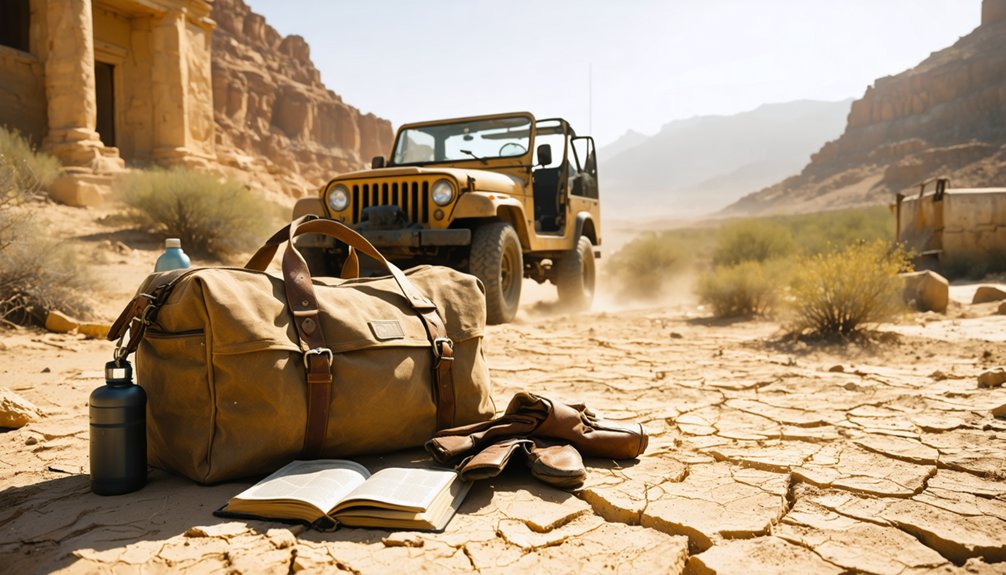
You’ll want at least one gallon of water per person per day, plus emergency reserves, because the Pinacate Desert’s annual precipitation barely reaches 150 millimeters and summer temperatures routinely crack 40 degrees Celsius.
Your vehicle needs high clearance, a full-size spare, and a recovery kit for the unpaved desert roads that have swallowed underprepared travelers whole.
Layer your sun protection — wide-brimmed hat, UV-rated clothing, and high-SPF sunscreen — because the black volcanic sand radiates heat upward while the desert sky punishes you from above.
Essential Water Supply Gear
Packing water for a desert ghost town road trip isn’t optional — it’s survival arithmetic. In Pinacate’s brutal heat, your hydration strategies determine whether you explore freely or become another cautionary tale baked into the volcanic sand.
Essential gear isn’t glamorous — it’s what keeps you moving through ghost-town silence and open desert roads.
- Collapsible 5-gallon water containers for vehicle storage
- Insulated hydration packs rated for 40°C+ temperatures
- Portable water filtration systems for emergency sourcing
- Electrolyte tablets to counter brutal mineral loss
- Redundant water storage — never rely on a single vessel
The desert doesn’t negotiate. Every mile of unpaved road between you and civilization demands you carry more water than you think you’ll need.
Pack accordingly.
High-Clearance Vehicle Essentials
Maneuvering Pinacate’s unpaved volcanic roads demands a vehicle that’s more workhorse than highway cruiser — high clearance isn’t a luxury here, it’s your admission ticket into the desert’s raw interior.
Black volcanic sand shifts unpredictably beneath tires, and rocky outcroppings punish anything riding low.
Terrain adaptation starts before you leave the pavement. Pack two full-size spare tires, a quality floor jack, and recovery boards for soft sand escape.
Your vehicle maintenance checklist must include fresh differential fluid, reinforced skid plates, and a recently inspected cooling system — extreme heat destroys neglected engines fast.
A roof-mounted snorkel helps filter dust-laden air during prolonged desert driving.
You’re not touring manicured roads; you’re threading volcanic wilderness. Arrive prepared, or don’t arrive at all.
Sun And Heat Protection
Once your vehicle’s ready to take on Pinacate’s volcanic terrain, your body needs equal preparation — because the desert doesn’t distinguish between an engine and the person behind the wheel.
Temperatures regularly exceed 40°C, and heat exhaustion can overtake you before you recognize its warning signs. Strategic sunscreen application — SPF 50+, reapplied every two hours — isn’t optional out here.
Pack these desert survival essentials:
- Wide-brim hat blocking UV radiation from all angles
- Electrolyte packets counteracting dangerous mineral loss
- UV-protective clothing covering arms and legs completely
- Insulated water containers keeping hydration cold and accessible
- Cooling towels providing immediate temperature relief during exposure
The open desert rewards the prepared traveler. Respect its heat, and Pinacate’s raw, volcanic freedom becomes yours to claim.
The Most Dramatic Stops Inside the Pinacate Biosphere Reserve
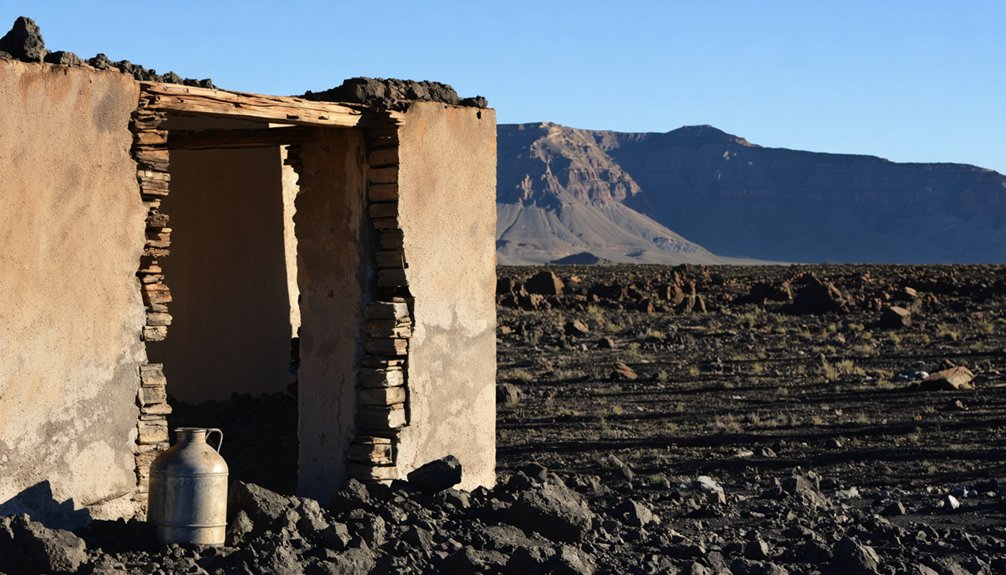
Few landscapes on Earth stop you cold the way the Pinacate Biosphere Reserve does. You’re standing inside one of the most dramatic landscapes left on this planet, surrounded by volcanic formations that look borrowed from another world entirely.
El Elegante Crater drops nearly 240 meters into the earth, silent and vast. The Tezontle lava fields stretch endlessly, black and ancient, shaped by eruptions that predate human memory.
Santa Clara Peak rewards the climb with panoramic desert views that remind you why you came this far. Each stop carries geological weight you can actually feel beneath your boots.
This isn’t reconstructed history or staged scenery. It’s raw, unfiltered terrain that demands your full attention and quietly earns your respect.
California Ghost Towns Worth Adding to Your Desert Road Trip Loop
After Pinacate recalibrates your sense of scale, California’s ghost towns offer a different kind of haunting.
You’ll find stories frozen mid-sentence, towns that boomed, burned, and breathed their last. Bodie history runs deep — over 100 preserved structures standing exactly where miners left them.
Calico attractions pull you into the Mojave’s colorful mining past with hands-on grit.
Calico doesn’t just show you the Mojave’s mining past — it puts the dust in your hands.
Add these stops to your desert loop:
- Bodie State Historic Park — authentic arrested decay, no reconstruction
- Calico Ghost Town — vivid canyon setting near Barstow
- Cerro Gordo — silver-rich ruins above the Owens Valley
- Randsburg — a still-breathing ghost town with an old-fashioned soda fountain
- Ballarat — remote, raw, and gloriously forgotten
Each one rewards the curious and the restless equally.
How to Stay Safe When the Nearest Town Is Hours Away
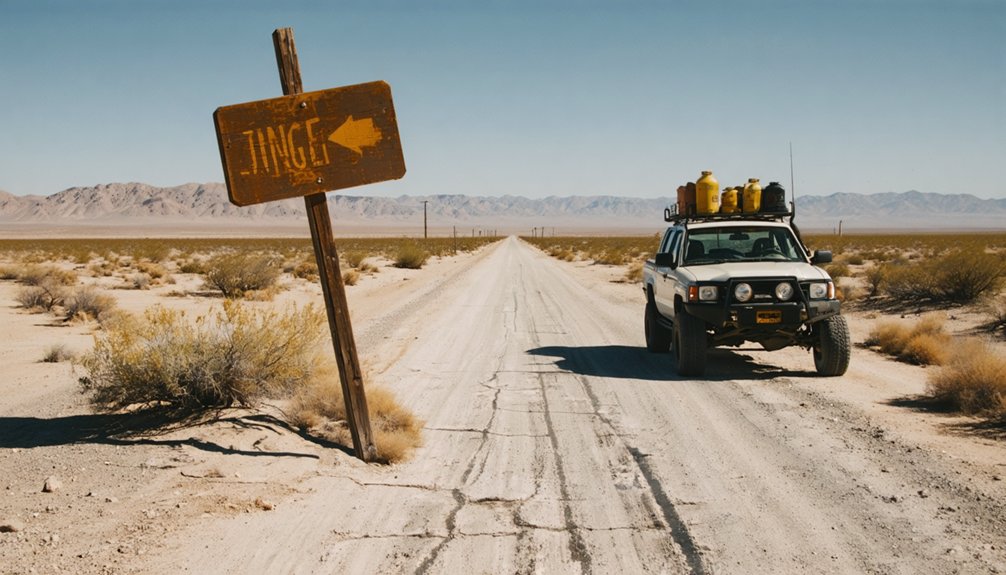
Desert roads don’t forgive unpreparedness, and when you’re pushing into the Pinacate region or threading through California’s remote ghost town corridors, the nearest help can sit three hours behind you.
Travel safety starts before your engine turns over. Carry double your expected water supply — heat and exertion consume reserves faster than you’d predict. Pack a satellite communicator since cell signals vanish where the old miners once wandered.
Know your desert wildlife: rattlesnakes shelter under rock overhangs, and Gila monsters move slower than their reputation suggests but still demand respect.
Tell someone your exact route and expected return time. Keep your fuel tank above half always.
The freedom these empty roads offer is real — but it’s earned through preparation, not luck.
Frequently Asked Questions
Is There an Entrance Fee to Access the Pinacate Biosphere Reserve?
Yes, you’ll need to pay an entrance fee for reserve access to the Pinacate Biosphere Reserve. Coordinate directly with Mexican park authorities beforehand — this wild, volcanic frontier rewards those who prepare, breathe free, and chase untamed desert horizons responsibly.
Can I Camp Overnight Inside the Pinacate Biosphere Reserve Legally?
You can camp overnight, but you’ll need overnight permits coordinated with Mexican park authorities. Embrace the freedom of camping regulations that protect this volcanic wilderness — it’s a raw, ancient landscape that rewards the well-prepared desert wanderer.
Are Guided Group Tours Available for Visiting the Pinacate Reserve?
Yes, guided tours exist for the Pinacate reserve. Don’t worry about finding your way alone — guided group tours coordinate with Mexican park authorities, enriching your visitor experiences through volcanic landscapes that’ll awaken your adventurous spirit and desire for boundless freedom.
Does the Pinacate Region Have Cell Service or Emergency Communication Options?
You’ll find cell coverage nearly nonexistent in Pinacate’s vast, ancient wilderness. Don’t rely on it — carry satellite communicators to reach emergency services. That raw, untamed freedom demands you prepare wisely before venturing into her breathtaking, unforgiving embrace.
Are Pets Allowed Inside the Pinacate Biosphere Reserve During Visits?
Under vast volcanic skies, you’ll find pet regulations are strict — visiting guidelines for the Pinacate Biosphere Reserve typically restrict pets to protect endemic wildlife. You’d need to confirm current rules directly with Mexican park authorities before arriving.
References
- https://www.visitcalifornia.com/now/california-ghost-towns-road-trip/
- https://www.visitcalifornia.com/kr/road-trips/goseuteu-taun/
- https://www.facebook.com/groups/americansouthwest/posts/1240189036610568/
- https://www.visitcalifornia.com/road-trips/ghost-towns/
- https://www.sfgate.com/travel/article/Road-trips-California-ghost-towns-abandoned-13145465.php
- https://www.youtube.com/watch?v=bof74XQmKx4
- http://abell.as.arizona.edu/~hill/4×4/pinacate/pinacate2008.html
- https://www.notesfromtheroad.com/desertmexico/pinacate-desert.html
- https://gohlingyong.com/blog/top-14-ghost-town-road-trip-routes-to-try-for-exploring-americas-forgotten-west-this-year
- https://en.wikipedia.org/wiki/List_of_ghost_towns_in_California