Planning a ghost town road trip to Fram, California means stepping into a place frozen mid-departure—furniture still inside, stoves unmoved, beds exactly where exhausted miners once slept. There are no rangers, no signs, and no restored facades softening the experience. You’ll need water, sturdy shoes, and patience for subtle details hidden in weathered wood and rusted iron. Pair it with Calico for contrast, and the full picture of California’s mining legacy comes into focus.
Key Takeaways
- Fram is an undisturbed California desert ghost town with original furniture and artifacts left in place, offering raw, unfiltered historical exploration.
- The site has no entrance signs, rangers, restrooms, or water, so visitors must arrive fully self-sufficient and prepared.
- Bring water, wear sturdy shoes, and plan your visit during daylight hours due to unmaintained terrain and zero on-site infrastructure.
- Budget 60 to 90 minutes for exploration, as Fram’s subtle remains reward slow, careful observation rather than a rushed walkthrough.
- Pair Fram with nearby Calico for a contrasting ghost town experience, combining raw ruins with a restored, guided county park stop.
What Is Fram, California?
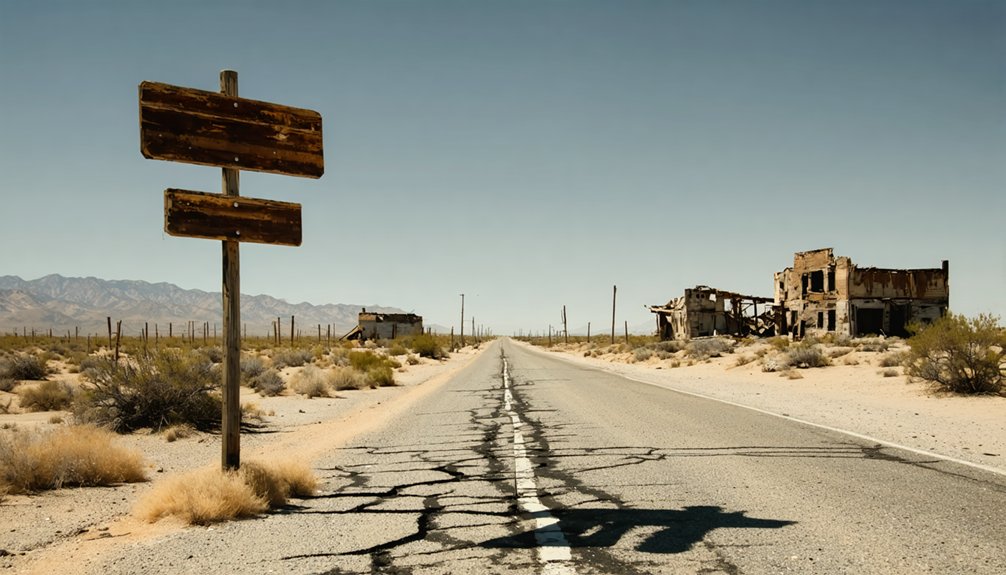
Although it’s far from a household name, Fram, California is one of those quietly compelling desert ghost towns that rewards curious travelers willing to do a little digging.
Fram history places it within California’s broader mining boom-and-bust cycle, where settlements rose fast, produced what they could, then emptied just as quickly. What’s left behind tells that story without any interpretive signs or guided tours.
Fram rose with the mines and emptied with them — a boom-and-bust story told without signs or guides.
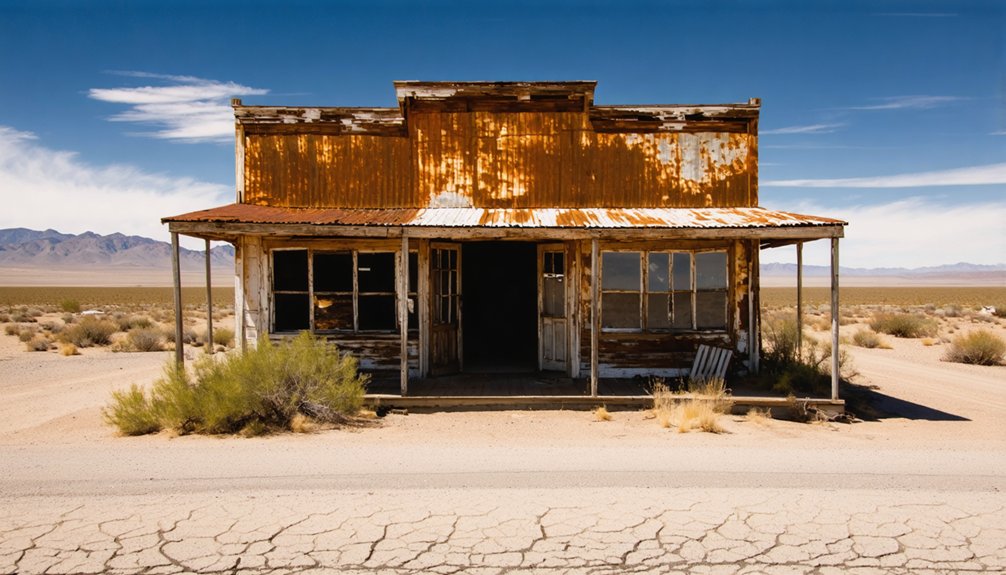
Fram geography puts it in California’s remote desert landscape, far removed from the polished restoration you’d find at better-known sites.
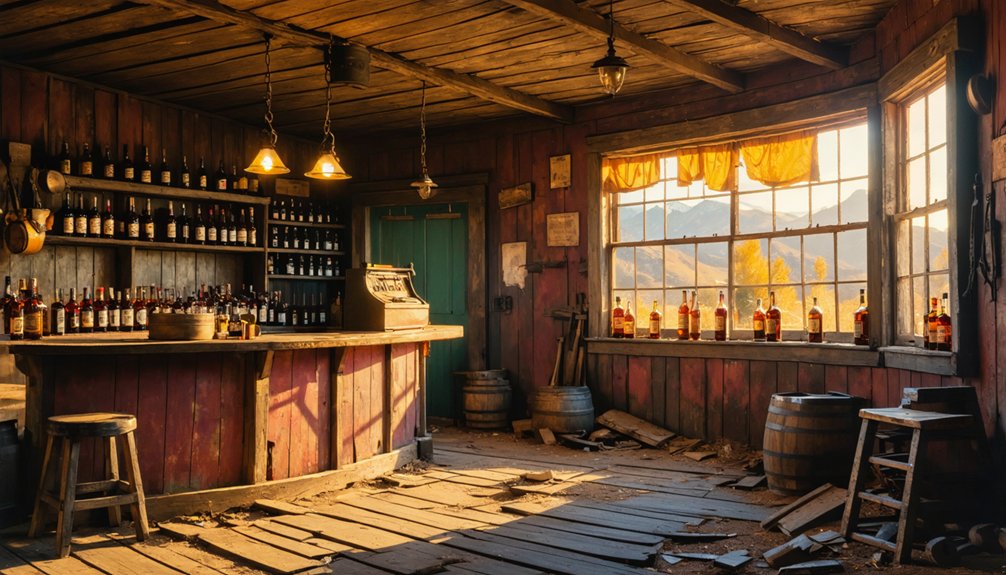
When you walk through the town site, you’re moving through a place that was simply left. Old furniture, stoves, pipes, and beds still occupy the ruins, offering a rare, unfiltered look at everyday frontier life frozen mid-abandonment.
The Mining History Behind Fram’s Abandonment
Like most California ghost towns, Fram didn’t empty out through disaster or conflict—it simply became unprofitable.
California’s mining settlements followed a familiar cycle driven by three hard realities:
- Ore deposits depleted faster than settlers anticipated.
- Evolving mining techniques made smaller operations economically unviable.
- Economic decline forced workers to chase better prospects elsewhere.
You can still feel that story walking through Fram’s remains.
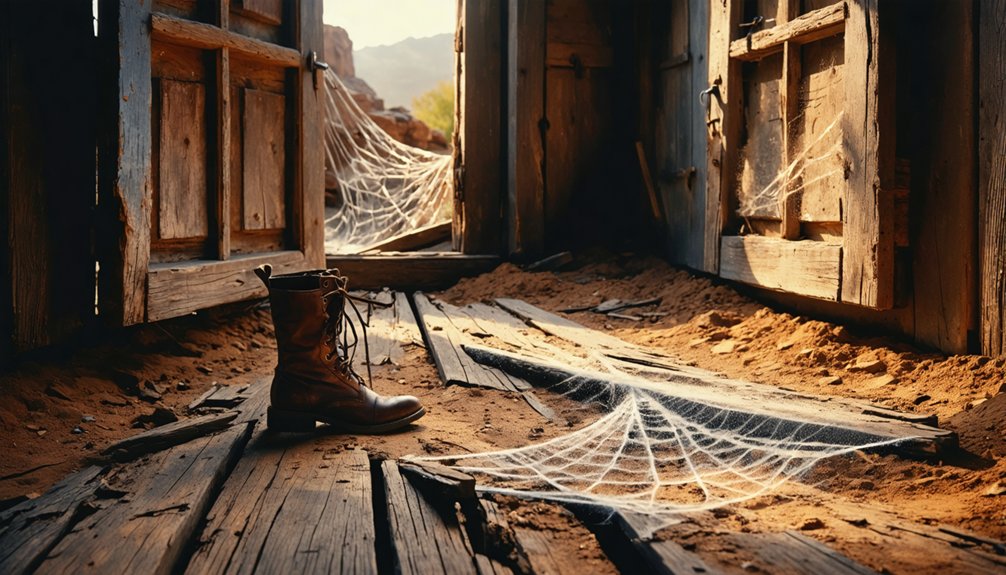
The abandoned stoves, beds, and furniture weren’t hauled away—they were left behind by people who moved on quickly, carrying only what mattered.
That urgency is preserved in every rusted pipe and broken frame.
Understanding this boom-and-bust pattern helps you appreciate what you’re actually seeing: not neglect, but the honest aftermath of frontier economics running its natural course.
What You Can Still See at the Fram Town Site
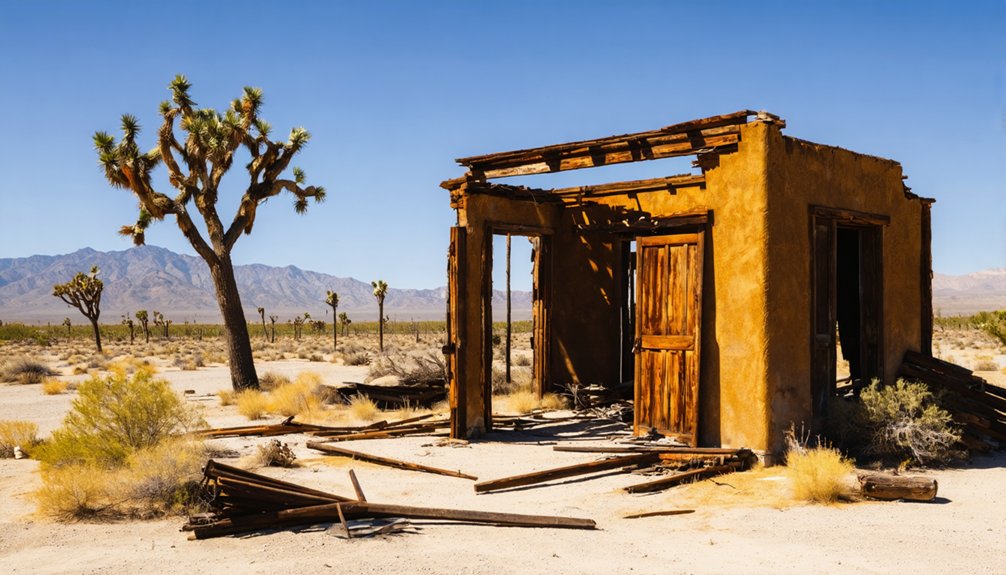
Walking through Fram today, you’ll find the site hasn’t been stripped clean the way more accessible ruins often are—furniture, stoves, beds, and pipes still occupy the spaces where settlers once lived and worked.
These abandoned relics don’t just suggest the past; they reconstruct it. You can stand in a collapsed room and recognize the domestic rhythm of a life interrupted—meals prepared, nights spent, mornings begun.
Unlike restored attractions such as Calico, Fram offers historical artifacts in their raw, undisturbed state. Nothing’s been labeled or roped off.
That rawness rewards the curious traveler who values authenticity over convenience. The decay itself carries meaning, quietly documenting how quickly a community can vanish once economic purpose disappears.
What remains at Fram isn’t managed history—it’s honest history.
How Fram Compares to Calico Ghost Town
If you’ve visited Calico, California’s most recognized ghost town, you’ll immediately notice how differently Fram sits in the landscape — no reconstructed storefronts, no ticket booth, no guided tours.
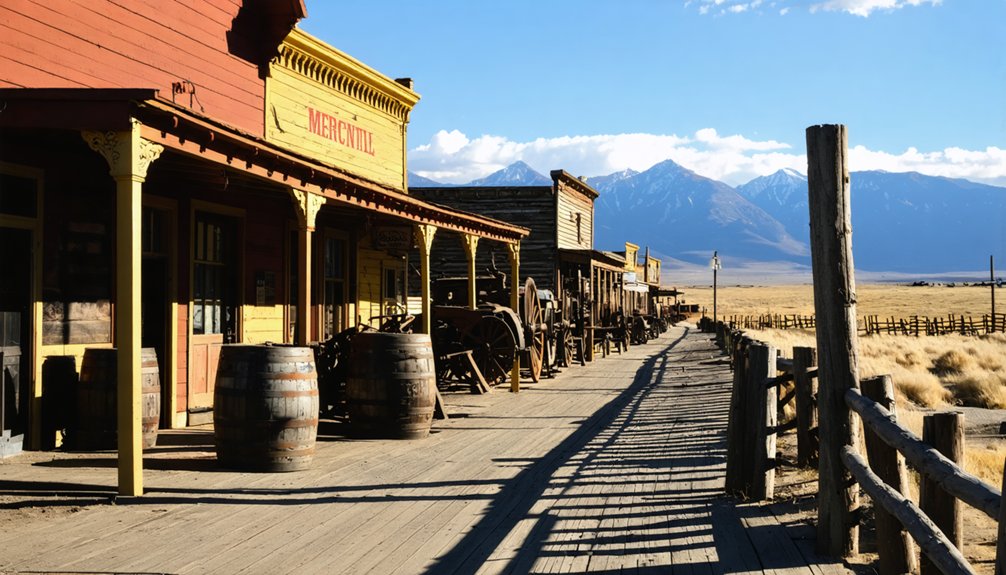
Calico, founded in 1881 during the silver rush, has been restored into a functioning county park where history is curated and packaged for visitors, while Fram offers something rawer: scattered relics and quiet ruins you interpret yourself.
Both towns share the same boom-and-bust mining DNA, but where Calico hands you a polished story, Fram leaves the telling to a rusted stove and a weathered bed frame.
Preservation Levels Differ Significantly
Not every ghost town offers the same experience, and the contrast between Fram and Calico makes that difference impossible to ignore.
Calico greets you with restored buildings, guided tours, and clear signage. Fram meets you with silence and scattered relics. Understanding preservation challenges helps you set accurate visitor expectations before you arrive.
Here’s what sets them apart:
- Infrastructure: Calico functions as a county park with amenities; Fram has no formal visitor services.
- Interpretation: Calico offers historical context on-site; Fram requires you to bring your own research.
- Physical remains: Calico features restored structures; Fram preserves original furniture, stoves, beds, and pipes exactly where time left them.
Fram rewards the curious traveler willing to read the landscape independently.
Tourist Infrastructure Comparison
Calico ghost town hands you history on a platter—restored storefronts, paved walkways, and rangers ready to fill in the gaps.
Ghost town accessibility there’s nearly effortless, and visitor expectations are met with signage, guided tours, and gift shops.
Fram asks something different of you. There’s no ranger station, no curated narrative, no admission gate.
What you’ll find instead are the raw, unmediated remnants of a life once lived—stoves, beds, furniture—sitting where someone left them.
That absence of infrastructure is actually the point. You’re reading the past directly, without a filter.
If Calico feels like a history museum wearing a ghost town’s face, Fram feels like the real thing.
Come prepared, come curious, and let the silence do the talking.
Both Fram and Calico grew from the same restless impulse that pushed miners deeper into California’s desert interior—the conviction that the next strike was always one ridge away.
That shared DNA ties both towns to a specific cycle: discovery, extraction, decline. The mining techniques may have differed in scale, but frontier life looked remarkably similar across both settlements.
Three boom-bust patterns connect them:
- Ore deposits drew workers fast, building communities almost overnight.
- Declining yields made continued mining economically unviable.
- Abandonment left material traces—furniture, stoves, beds—as quiet evidence of lives once lived.
Calico became a preserved county park. Fram didn’t.
Yet both remind you that California’s desert interior once hummed with ambition, and that freedom always carried a cost.
Nearby California Ghost Towns That Pair Well With Fram
Several ghost towns within California’s desert interior pair naturally with a stop at Fram, letting you trace the same boom-and-bust arc across a single drive.
Calico stands out as the strongest companion stop. Founded in 1881 during a silver rush, it’s now a preserved county park where you can walk rebuilt streets and read the mining era’s ambitions clearly. It offers context that Fram, as a quieter ruin site, doesn’t provide on its own.
Together, they show you two ends of the preservation spectrum. Fram rewards desert exploration with unfiltered historical relics still sitting where residents left them.
Calico offers interpretation and structure. Pairing both lets you feel the full weight of California’s abandoned frontier rather than settling for just one version of it.
Where Fram Fits on a California Ghost Town Road Trip
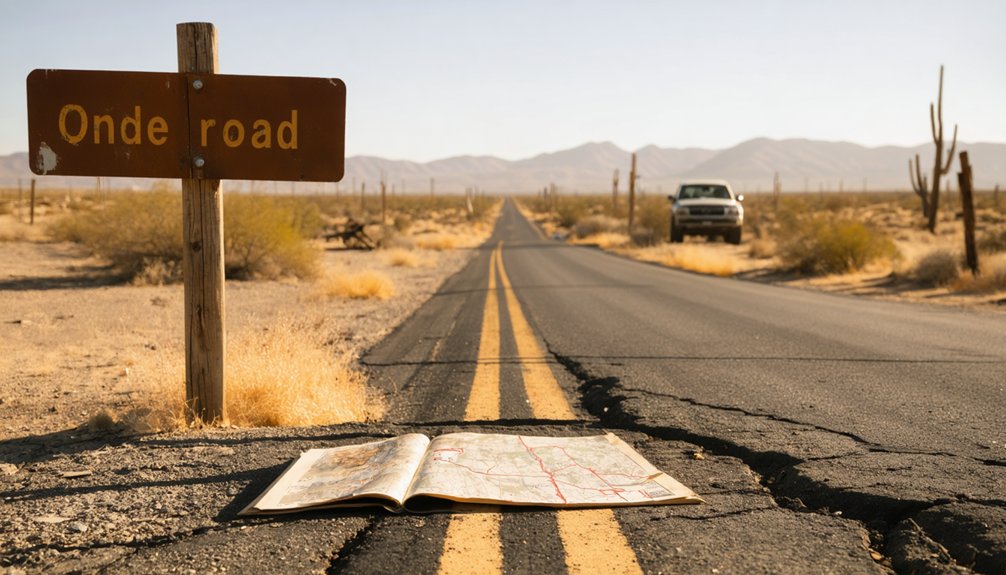
When you place Fram alongside better-known sites like Calico, you start to see where it fits in California’s broader mining ghost-town legacy — further from the tourist trail, lighter on interpretation, but rich in raw, unmediated atmosphere.
Your regional route takes shape naturally when you treat Fram as the quieter, more remote anchor of a drive that moves between documented ruins and restored heritage parks.
Planning that contrast into your itinerary gives you the full spectrum of how California’s boom-and-bust history actually survived.
Nearby Ghost Town Comparisons
Fram doesn’t stand alone on California’s ghost-town map — it’s one quiet node in a larger network of abandoned mining settlements that collectively trace the state’s boom-and-bust frontier history.
Comparing Fram to nearby sites sharpens your expectations before you arrive:
- Calico — Founded in 1881 around silver mining, it’s now a restored county park with staffed interpretation and clear signage.
- Bodie — A state historic park preserving ghost town culture through a strict “arrested decay” policy, keeping mining artifacts largely untouched.
- Randsburg — A semi-active desert town still carrying visible gold-rush-era bones alongside working businesses.
Fram sits closer to Bodie’s raw atmosphere than Calico’s polished presentation.
You’ll find ruins, not rangers — and that distinction shapes everything about your visit.
Planning Your Regional Route
Building a California ghost-town route around Fram means threading through the state’s desert interior, where abandoned settlements cluster along old mining corridors that once carried prospectors, supply wagons, and hard-won ore.
Your route suggestions should lean into that geography, connecting Fram with better-documented sites like Calico to give your drive historical range and contrast. Calico offers interpretation and infrastructure; Fram offers rawness and quiet.
Pairing them lets you read California’s boom-and-bust story across two very different registers. As you map your scenic stops, prioritize the stretches between towns, where desert landscapes still carry the mood of frontier isolation.
You’re not just visiting ruins, you’re tracing an economic arc that reshaped the American West and left these silent, artifact-filled places behind as evidence.
Access, Conditions, and What Fram Lacks as a Visitor Site
Unlike Calico’s well-marked entrance and staffed park facilities, Fram offers you none of that—no interpretive signs, no rangers, no paved lot to pull into.
Set your visitor expectations accordingly before you leave the main road. Access routes to Fram demand preparation, not spontaneity.
Come ready for:
- Unmaintained terrain with no guaranteed road conditions or cleared paths through the town site
- Zero on-site infrastructure—no restrooms, no water, no posted historical information
- Self-guided navigation through a ruin landscape where abandoned furniture, stoves, and beds speak louder than any exhibit panel
What Fram lacks in polish, it returns in raw authenticity.
You’re reading a place, not a display. That’s the trade-off, and for the right traveler, it’s precisely the point.
Pacing a Fram Visit Around Limited Remains and No On-Site Services
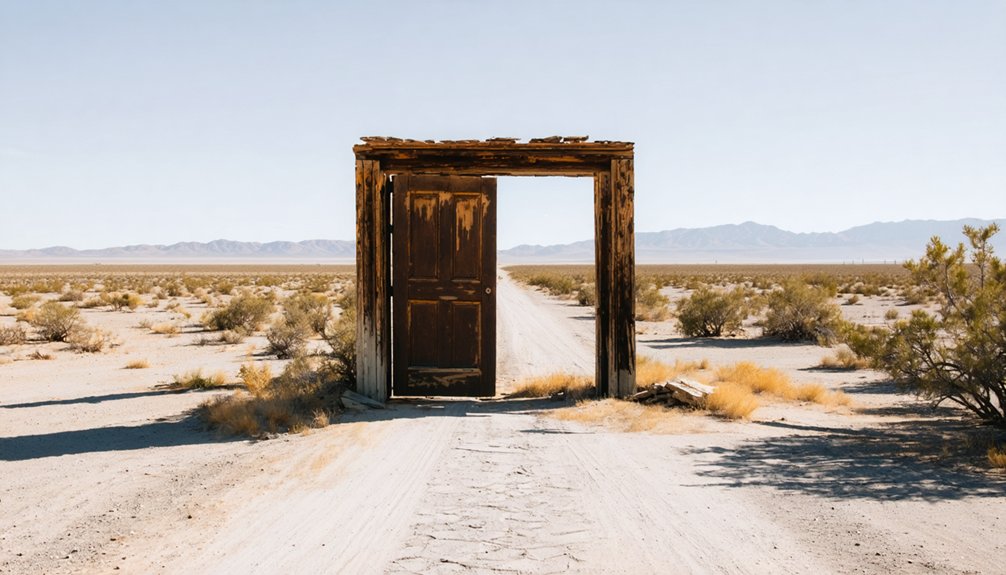
Planning your time at Fram isn’t about hitting highlights on a map—it’s about slowing down enough to read what’s left.
There’s no ranger station, no interpretive signage, no café selling cold drinks. What you’ve got is the site itself, and that changes how you move through it.
Budget an hour, maybe ninety minutes. Walk deliberately. The stoves, beds, and pipes documented by previous visitors reward close attention rather than quick passes.
Spend at least an hour. The stoves, beds, and pipes here don’t give themselves up quickly.
Ghost town exploration here means letting abandoned objects tell their own story without narration.
Bring water, wear sturdy shoes, and plan your rural adventure around daylight. The remains are subtle.
Rush through, and you’ll miss everything. Move slowly, and Fram offers something rare—direct, unmediated contact with a life that ended and stayed exactly where it fell.
Frequently Asked Questions
Is Photography Permitted at the Fram Ghost Town Site?
No verified rules on ghost town photography at Fram exist in current records. You’ll want to research access beforehand, but capturing its historical significance through your lens honors the nostalgic, freedom-filled spirit of discovery these haunting remnants inspire.
What Is the Best Time of Year to Visit Fram?
You’ll find the best weather in spring or fall, when mild desert temperatures invite unhurried exploration. Dodge summer’s brutal heat, and you’ll wander Fram’s nostalgic ruins—forgotten furniture, rusted stoves—with the freedom such a raw, untamed site deserves.
Are There Any Known Safety Hazards Inside Fram’s Remaining Structures?
Like Pompeii’s frozen moment, Fram’s abandoned structures carry real risks—you’ll want to watch for compromised structural integrity in decaying buildings and stay alert to wildlife encounters, as desert creatures often claim forgotten spaces as their own.
Has Fram Ever Appeared in Films or Television Productions?
You won’t find Fram history tied to any confirmed film locations in available records. The desert ruin’s quiet obscurity has kept it off Hollywood’s radar, leaving its nostalgic, artifact-strewn silence yours alone to discover.
Are Pets Allowed When Visiting the Fram Town Site?
No official pet policies exist for Fram, but you’ll want to follow ghost town etiquette — keep pets leashed and controlled. Pair your visit with pet friendly accommodations nearby so you’re free to explore responsibly.
References
- https://www.sfgate.com/travel/article/calico-ghost-town-knotts-berry-farm-17643437.php
- https://dornsife.usc.edu/magazine/echoes-in-the-dust/
- http://mvfram.blogspot.com/2014/07/the-ghost-town_15.html
- https://www.kci.go.kr/kciportal/mobile/ci/sereArticleSearch/ciSereArtiView.kci?sereArticleSearchBean.artiId=ART002904614
- https://archive.org/details/ghosttownsmining0000nade
- https://en.wikipedia.org/wiki/List_of_ghost_towns_in_California
- https://www.youtube.com/watch?v=ILv_uPHtpyM
- https://capitolmuseum.ca.gov/state-symbols/silver-rush-ghost-town-calico/
- https://www.facebook.com/groups/americansouthwest/posts/1240189036610568/
- https://en.wikipedia.org/wiki/French_Flat