If you’re planning a ghost town road trip to Grafton, Michigan, you’ll want to recalibrate your map first — Grafton Ghost Town is actually in Utah, not Michigan. It sits along the Virgin River near Zion National Park, about nine miles east of the park’s entrance. Founded by Mormon settlers in 1859 and abandoned by 1921, it’s a hauntingly beautiful slice of pioneer history. Stick around to uncover everything this forgotten desert town has to offer.
Key Takeaways
- Grafton ghost towns are located in Wisconsin and Utah, not Michigan—verify your destination before planning your road trip itinerary.
- Utah’s Grafton, near Zion National Park, features five surviving pioneer structures, a historic cemetery, and Hollywood filming history.
- Reach Utah’s Grafton by heading toward Rockville from Zion, crossing the Virgin River bridge, then turning onto an unpaved road.
- Pack water, sturdy shoes, sunscreen, and a camera; desert heat and uneven terrain require adequate preparation for comfortable exploration.
- Combine your visit with Zion National Park hikes, the 1924 Rockville Bridge, and Virgin River Scenic Drive for a full experience.
Where Is Grafton Ghost Town Actually Located?
Although the article title points you toward Michigan, Grafton’s most notable ghost town sites are actually found in two other states entirely — Wisconsin and Utah. Wisconsin’s Grafton sits on Lake Michigan’s shore, just 20 minutes from Milwaukee’s northern edge, anchored by dramatic bluffs and sandy beaches.
Utah’s Grafton rests near Zion National Park along the Virgin River, surrounded by stunning scenery and surviving pioneer structures.
Both locations carry deep cultural preservation efforts and rich community legacy, honoring the people who built something meaningful in demanding landscapes.
You’ll find Hollywood history in Utah and industrial ghost-town atmosphere in Wisconsin. Neither site exists in Michigan, so if you’re planning your road trip around authentic history and genuine exploration, redirect your route toward these two remarkable destinations instead.
How Grafton Was Founded and Why It Was Forgotten
Each ghost town tells a founding story shaped by ambition, geography, and timing — and Grafton’s two sites are no exception. In Wisconsin, Ulao emerged in 1847 after a charter launched a plank road connecting Grafton, Cedarburg, and Hartford.
The Civil War’s aftermath drained timber resources, silencing port activity and erasing the village.
Utah’s Grafton began in 1859 when five Mormon families settled the Virgin River valley under Brigham Young’s direction.
A catastrophic 1862 flood wiped out the original townsite, forcing settlers to rebuild a mile upstream.
By 1921, families had relocated, leaving structures behind.
Both sites carry deep cultural significance and remind you why historical preservation matters — these communities built lives from nothing, and their stories deserve more than silence.
Why Grafton’s Settlers Eventually Walked Away
When communities exhaust their resources or lose their economic footing, people don’t linger — they move on. Grafton’s story follows that same hard truth.
As nearby timber supplies dwindled after the Civil War, port activity dried up, stripping the village of its economic purpose. Families quietly packed up and sought better opportunities elsewhere, leaving behind abandoned structures that slowly surrendered to weather and time.
You can almost feel that exodus when you walk the site today. Ghost town legends often romanticize departure, but the reality was simply practical — survival drove decisions.
What remained wasn’t preserved through pride; it was forgotten through necessity. That gradual unraveling transformed a once-thriving lakeshore village into the quiet, haunting landscape you’re now exploring on your road trip.
What Survives at the Grafton Ghost Town Site Today?
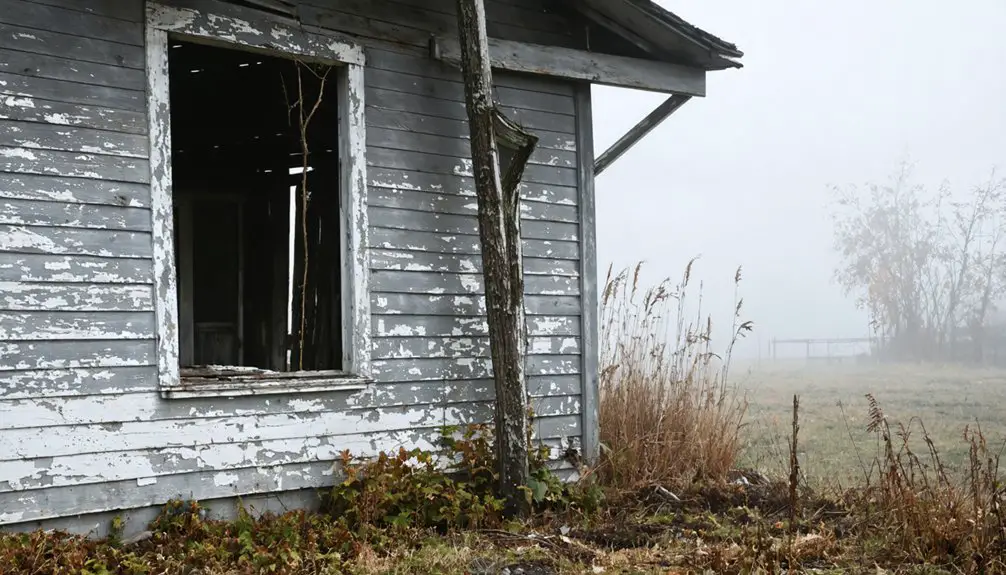
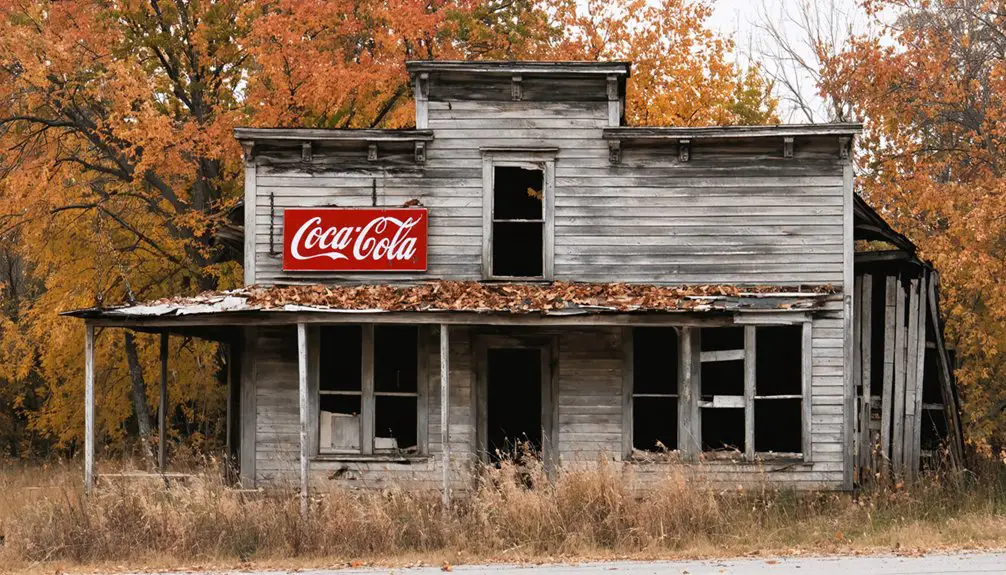
Abandonment didn’t erase everything. When you walk the Utah Grafton site today, you’ll find roughly five of the original thirty-plus structures still standing, including a restored schoolhouse that anchors the townsite’s quiet atmosphere.
The cemetery, dating from 1860 to 1910, holds between 74 and 84 graves — settler and Native American burials side by side, carrying local legends that reward curious visitors who take time to read the stones.
Preservation efforts since 1997, led by the Grafton Heritage Partnership, have kept this place from disappearing entirely. You’re not just seeing ruins — you’re walking through living history that volunteers actively protect.
Few ghost towns in the West offer this level of surviving detail, making Grafton one of America’s most photographed historic landmarks worth adding to your road trip.
What Grafton Ghost Town’s Cemetery Tells Us About Pioneer Life
When you step into Grafton’s cemetery, you’re walking through a record of pioneer life that dates back to 1860, with graves spanning all the way to 1910.
You’ll notice that the burial ground holds between 74 and 84 graves, including both settler and Native American burials side by side, reflecting the complex human story of this frontier community.
The headstones reveal the harsh realities these pioneers faced, telling a quiet but powerful story of sacrifice, struggle, and survival in an unforgiving landscape.
Cemetery’s Earliest Grave Dates
Tucked into the Utah Grafton site, the cemetery stretches back to 1860, just one year after five Mormon families first settled the area under Brigham Young’s direction. You’re standing at ground zero of pioneer history when you walk these grounds.
The earliest graves predate the catastrophic 1862 flood that wiped out the original townsite, meaning settlers were already burying their dead before disaster forced them to rebuild entirely.
That timeline carries weight. The historical architecture of the surrounding structures frames a landscape shaped by hardship and resilience.
Local legends suggest Native American graves rest here alongside settler burials, blurring the boundaries between cultures.
The cemetery runs through 1910, giving you five decades of frontier struggle compressed into one quiet, sun-bleached plot of Utah earth.
Native And Settler Burials
Side by side in the Utah Grafton cemetery, Native American and settler graves share the same sun-baked soil, and that proximity alone tells you something profound about the realities of frontier life. Cemetery symbolism hits differently here — this isn’t a curated museum display, it’s raw history lying quietly beneath desert scrub.
You’ll notice burial customs varied between communities, yet both groups ultimately claimed the same ground. Settler markers bear familiar pioneer names; Native American graves carry their own quiet dignity.
Together, they reveal a layered story of coexistence, conflict, and shared mortality that no history book fully captures. When you walk through this cemetery, you’re reading a firsthand account of how different worlds collided, adapted, and ultimately rested together on the same frontier earth.
Pioneer Hardships Revealed
How much can a cemetery tell you about the people buried there? At Grafton, quite a lot. Walking among the 74 to 84 graves dating from 1860 to 1910, you’ll read hardship between every carved stone.
Short lifespans, infant deaths, and pioneer surnames reveal a community that fought floods, isolation, and harsh desert conditions simply to survive.
The dates alone tell stories — families losing children within the same year, elders who rebuilt after the 1862 flood that erased their first townsite. Cultural preservation efforts here go beyond historic architecture and standing structures; they extend into honoring lives lived under brutal circumstances.
Spending time in this cemetery connects you directly to early western settlement’s brutal reality, making Grafton far more than a scenic detour — it becomes a genuine reckoning with freedom’s true cost.
Why Hollywood Kept Coming Back to Grafton Ghost Town
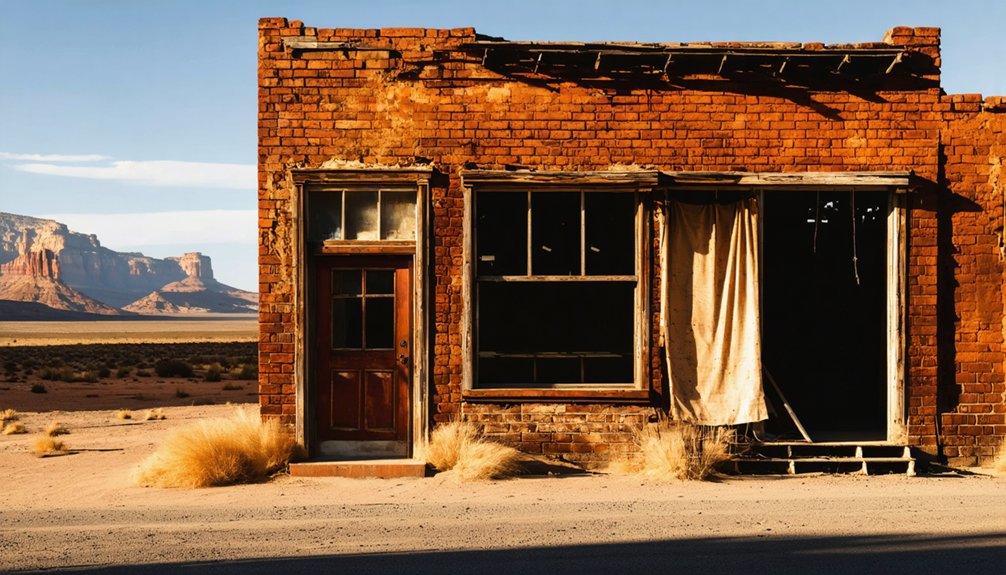
Few ghost towns have earned a place in Hollywood history, but Grafton’s striking pioneer structures and scenic Virgin River backdrop made it an irresistible filming location. Directors recognized that Grafton’s ghost town architecture delivered authentic atmosphere that studio sets simply couldn’t replicate.
In 1929, filmmakers chose Grafton for *In Old Arizona*, one of Hollywood’s earliest Westerns. Decades later, *Butch Cassidy and the Sundance Kid* brought cameras back in 1969, cementing Grafton’s reputation among top filming locations.
The same weathered buildings, open skies, and untouched landscape that drew pioneers drew storytellers.
When you visit, you’re walking through real cinematic history. These structures weren’t just backdrops — they were silent performers. Grafton earned its Hollywood legacy because authenticity can’t be manufactured.
How to Get to Grafton Ghost Town From Zion
From Zion National Park, you’ll head about 9 miles east to reach Grafton Ghost Town, making it an easy and rewarding detour on your road trip.
Once you arrive, you’ll find a small dirt parking area near the site’s entrance where you can leave your vehicle before exploring on foot.
The roads leading to Grafton are generally manageable for most cars, but driving carefully on the unpaved sections will keep your trip running smoothly.
Driving From Zion
Getting to Grafton Ghost Town from Zion National Park is a straightforward drive that’ll take you about 9 miles east through some stunning Utah scenery. Head out of the park toward Rockville, cross the Virgin River bridge, and follow the unpaved road south toward the townsite.
The route itself sets the mood perfectly — you’re rolling through open terrain where local legends and ghost town myths seem to breathe from every crumbling wall and weathered fence post. Keep your speed low on the dirt road, especially after rain, when the surface gets slick. Most standard vehicles handle it fine in dry conditions.
Give yourself at least an hour to explore once you arrive — the pioneer structures, cemetery, and sweeping views deserve your full attention.
Parking Near Grafton
Once you reach the Grafton townsite, you’ll find a small, informal parking area just off the dirt road near the entrance — it’s easy to spot and fits a modest number of vehicles. Park, step out, and let the silence hit you.
Here’s what that moment feels like:
- You’re standing where five Mormon families built a life from nothing in 1859.
- You’re walking ground that Hollywood discovered for *Butch Cassidy and the Sundance Kid*.
- You’re contributing directly to cultural tourism and historical preservation just by showing up.
There’s no fee booth, no crowd control — just open land and pioneer structures waiting. Respect the site, stay on designated paths, and carry out everything you bring in.
What to Bring to Grafton Ghost Town
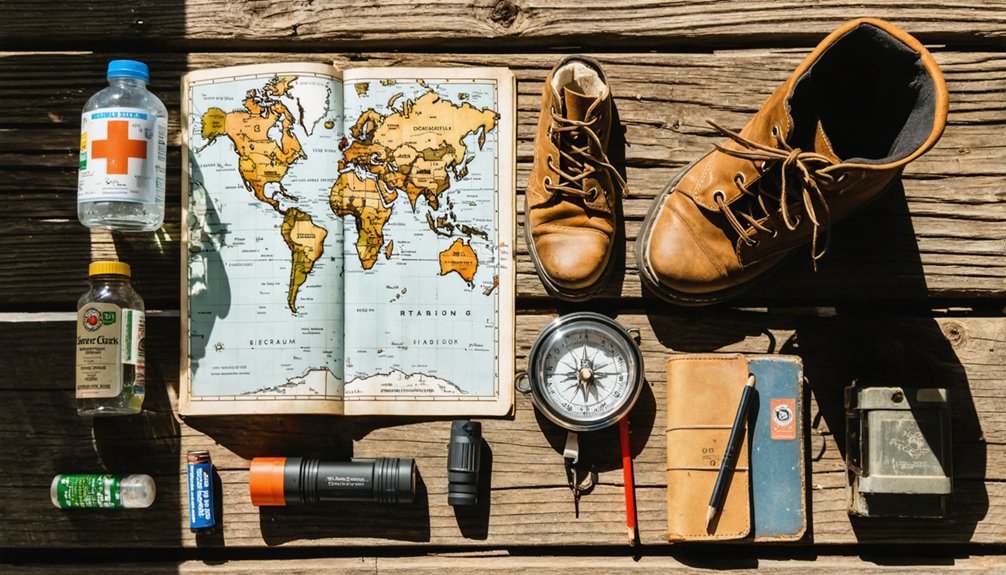
Whether you’re heading to the Utah or Wisconsin site, packing smart will make your ghost town visit far more rewarding. Bring sturdy walking shoes, since both terrains demand sure footing. Carry plenty of water, especially at the Utah site near Zion’s desert heat.
A camera is essential — historical artifacts and crumbling pioneer structures beg to be documented. Pack a notebook to record local legends you’ll hear from interpretive signage or fellow visitors. Sunscreen and a wide-brim hat protect you during long outdoor exploration.
Bring a printed map, since cell service can be unreliable at remote sites. A light jacket handles shifting temperatures near Lake Michigan’s shore. Respect posted guidelines — these grounds preserve irreplaceable history, and your mindful visit helps keep them open for future explorers.
What to See Near Grafton on a Zion Road Trip
Pairing a stop at Grafton ghost town with a full Zion National Park road trip makes perfect sense, since both sites share the same dramatic Virgin River corridor. You’ll find local legends and ghost stories waiting around every bend.
Grafton ghost town and Zion National Park share the same haunted Virgin River corridor, where legends linger around every bend.
- Zion National Park – Hike the Narrows or Angels Landing and feel genuine wilderness freedom beneath towering sandstone walls.
- Rockville Bridge – Cross this historic 1924 span just miles from Grafton, where old roads connect pioneer pasts to open desert horizons.
- Virgin River Scenic Drive – Follow the river that shaped Grafton’s fate, flooding the original townsite in 1862 and forcing settlers to rebuild upstream.
Each stop deepens your understanding of how raw nature shaped human survival here.
Frequently Asked Questions
Is There an Entrance Fee to Visit the Grafton Ghost Town Site?
You’ll find no entrance fee to explore Grafton’s ghost town! Historical preservation keeps it free for all visitors. Check visitor guidelines before you go, ensuring you’re respecting this remarkable, open landmark that welcomes your adventurous spirit freely.
Are Pets Allowed When Visiting the Grafton Ghost Town Historic Site?
The knowledge doesn’t clarify pet policies or visitor guidelines for the site, so you’d want to check directly with the Grafton Heritage Partnership before bringing your four-legged companions along for the adventure.
What Is the Best Time of Year to Visit Grafton Ghost Town?
Spring and fall offer you the best visits to Grafton’s ghost town, where you’ll enjoy comfortable temperatures, stunning scenery, and less crowded tourist attractions. You’ll fully appreciate the site’s historical preservation efforts during these invigorating, freedom-filled seasons.
Is the Grafton Ghost Town Site Accessible for Visitors With Mobility Limitations?
The site’s terrain can challenge visitors needing mobility assistance, as unpaved paths and uneven ground are common. You’ll want to research specific accessibility features beforehand to guarantee you’re prepared for a comfortable, fulfilling ghost town adventure.
Can Visitors Legally Take Photos Inside Grafton Ghost Town’s Remaining Structures?
Ironically, freedom-loving visitors should know historical preservation rules restrict you inside Grafton’s structures. Photography regulations typically prohibit entering fragile buildings, but you’re absolutely welcome to capture stunning exterior shots throughout this breathtaking landmark.
References
- https://townofgraftonwi.gov/town-history/
- https://www.visitkeweenaw.com/things-to-do/museums-history/ghost-towns/
- https://www.reddit.com/r/AbandonedPorn/comments/eisy46/not_truly_abandoned_but_preserved_in_the_ghost/
- https://worldofurbanlegends.com/grafton-ghost-town/
- https://theclio.com/entry/26528
- https://www.zionriverresort.com/off-the-beaten-path-visit-grafton-ghost-town/
- https://graftonheritage.org/historic-features/
- https://graftonheritage.org/