Planning a ghost town road trip to Johnson, Arizona means heading into Cochise County’s Little Dragoon Mountains, where a copper boomtown of nearly 1,000 residents once thrived. You’ll find scattered foundations and desert solitude along a 2WD-accessible road. Visit in spring or fall for the best conditions, and pair it with nearby towns like Tombstone and Gleeson for a full day of exploration. There’s far more to uncover about this forgotten Arizona treasure.
Key Takeaways
- Johnson, Arizona, founded in 1883, is a ghost town in the Little Dragoon Mountains of Cochise County, accessible via standard 2WD roads.
- Visit in spring or fall for mild temperatures, and avoid July and August due to dangerous monsoon storms and unpredictable road conditions.
- Only scattered foundations remain at Johnson, offering solitude and a glimpse into Arizona’s copper mining heritage.
- Pair your visit with nearby ghost towns like Tombstone, Pearce, and Gleeson for a fuller exploration of the region’s mining history.
- Arrive early for golden hour photography, shoot at f/8–f/11 for sharp images, and carry a paper map due to spotty cell service.
What Is the History of Johnson, Arizona’s Ghost Town?
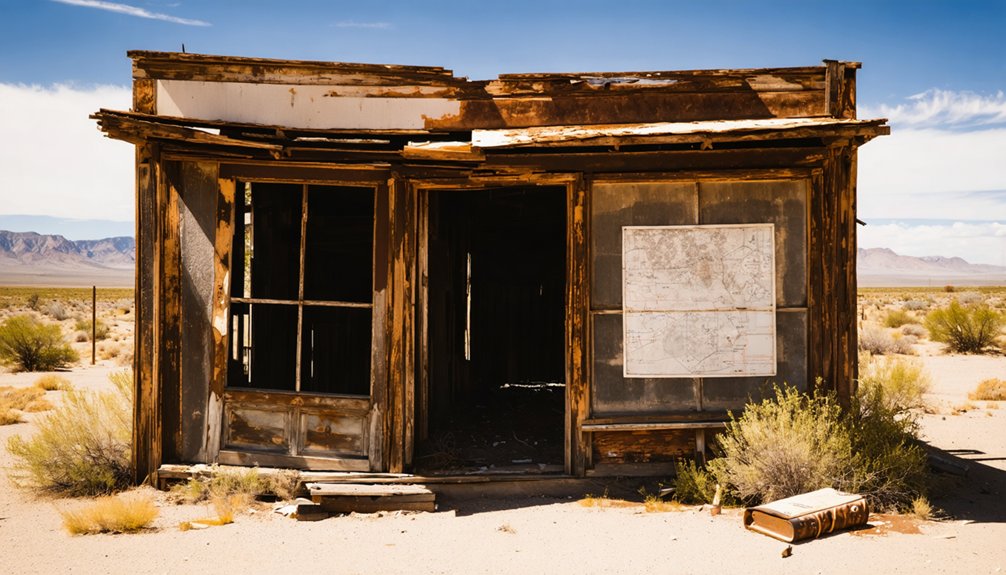
Dating back to 1883, Johnson, Arizona started as a mining camp nestled in the Little Dragoon Mountains of Cochise County, where the Peabody Copper Mining Company saw potential in the region’s rich copper deposits.
By 1902, the town boasted 317 residents, swelling to nearly 1,000 by the mid-1920s.
From a modest 317 souls in 1902, Johnson’s population surged to nearly 1,000 by the mid-1920s.
Its Mining Legacy, however, proved short-lived. The financial panic of 1907 halted copper operations, and a devastating price drop in 1925 sealed the town’s fate.
The post office, established April 5, 1900, finally closed its doors in 1929, marking Johnson’s official abandonment.
Today, Johnson stands among Arizona’s certified Ghost Towns, with only sparse foundations remaining after modern mining operations destroyed most surviving structures.
What was once a thriving community now exists as a compelling reminder of the Southwest’s boom-and-bust copper era.
How Did Johnson Go From Boomtown to Abandoned Ruins?
Johnson’s rise and fall followed a pattern you’ll recognize across Arizona’s mining history: a promising resource, a rush of settlers, then economic forces beyond anyone’s control. Copper drove everything here.
By the early 1900s, roughly 317 residents had built a functioning community around the Peabody Copper Mining Company’s operations.
Then the 1907 financial panic hit, halting mining and shrinking the population overnight. Johnson briefly rebounded, climbing to nearly 1,000 residents by the mid-1920s, but copper prices collapsed again in 1925. That second blow proved fatal.
The post office closed in 1929, and Johnson’s mining legacy faded into scattered foundations.
Today, those economic factors that once doomed Johnson make it a compelling destination. You’re walking through a textbook example of how quickly boom turns to dust.
What’s Actually Left to See at Johnson Today?
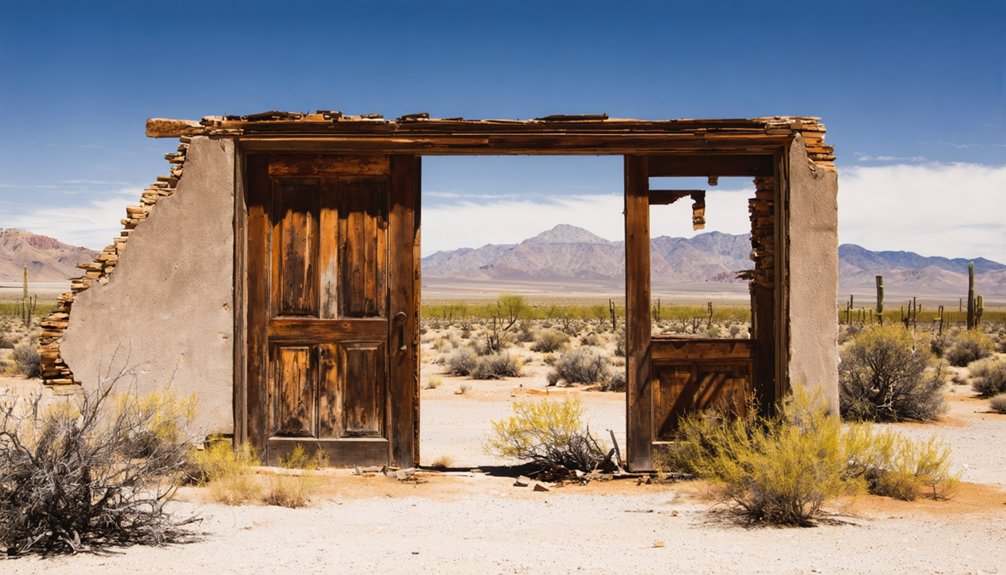
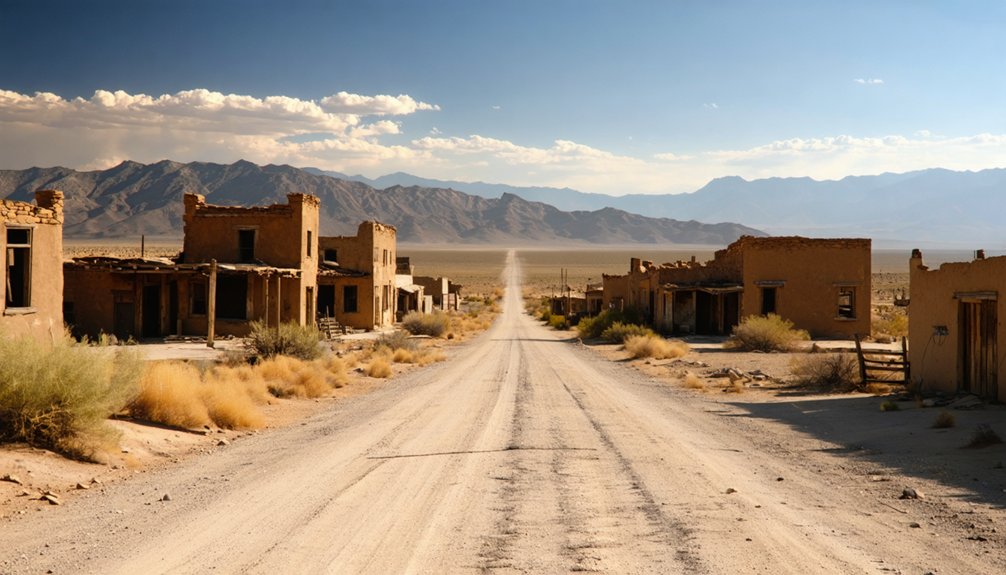
So what remains of this once-thriving copper camp? Honestly, not much — and that’s part of what makes Johnson so hauntingly compelling. Current mining operations have claimed most of the abandoned structures, leaving only sparse foundations scattered across the desert floor.
Very little survives of Johnson’s copper camp glory — just sparse foundations reclaimed by desert silence.
You won’t find standing buildings or preserved mining relics here, but the raw, windswept landscape tells its own story.
What you’ll find is something rarer: unfiltered solitude and a genuine connection to Arizona’s rugged past. Walking the grounds, you’ll spot faint outlines where walls once stood, subtle depressions marking former structures.
Johnson is a certified ghost town precisely because nature and industry have reclaimed it completely. If you crave authentic, unpolished history without tourist trappings, Johnson delivers exactly that kind of freedom.
How Do You Get to Johnson, Arizona by Car?
Getting to Johnson, Arizona is delightfully straightforward — the site sits in Cochise County‘s Little Dragoon Mountains in southeastern Arizona, accessible via a 2WD road that won’t demand a high-clearance vehicle.
Whether you’re rolling in from Phoenix or Tucson, you’ve got flexibility. Tucson sits closest, making it your smartest launching point for a quick desert escape. Phoenix travelers can expect a one-to-three-hour drive depending on your route.
Road conditions remain manageable for standard vehicles, so you’re not locked into renting specialized equipment.
That said, travel tips worth noting: check weather conditions before heading out, since desert roads can shift quickly after rain. Carry water, fuel up beforehand, and bring a paper map — cell service gets spotty once you’re deep into Cochise County’s backcountry stretches.
When Is the Best Time to Visit Johnson Ghost Town?
Timing your visit to Johnson Ghost Town can make or break the experience. Southeastern Arizona’s climate conditions shift dramatically across seasons, so choosing wisely gives you the freedom to explore comfortably.
The best seasons to visit are fall and spring, when temperatures stay mild and manageable. Summer brings intense desert heat and monsoon storms that can turn dirt roads dangerous. Winter offers cooler temperatures but occasional freezing conditions.
Consider these seasonal highlights:
- Spring (March–May): Mild temperatures, blooming desert vegetation, ideal hiking conditions
- Fall (September–November): Cooler weather, clear skies, comfortable exploration
- Winter (December–February): Quieter visits, crisp air, but watch for cold snaps
Avoid July and August if possible — monsoon season creates unpredictable road conditions that could cut your adventure short.
What Should You Bring to Johnson Ghost Town?
Since Johnson Ghost Town sits along a remote stretch of the Little Dragoon Mountains, you’ll want to pack water, snacks, a first-aid kit, and sun protection before you hit the road.
Bring a physical map or downloaded offline GPS route, since cell service can be unreliable in southeastern Arizona’s backcountry.
If you’re into photography, pack a wide-angle lens to capture the sparse foundation ruins and rugged desert landscape at their most dramatic.
Essential Supplies To Pack
Packing smart can make or break your visit to Johnson Ghost Town, where the remote Cochise County terrain leaves little room for error. Your packing checklist should prioritize safety supplies and outdoor essentials that support independent exploration without relying on nearby services.
Essential items to pack include:
- Water and food: Carry more than you think you’ll need since no vendors operate near this certified ghost town.
- Navigation tools: Download offline maps and bring a compass as reliable exploration tools for unpredictable desert terrain.
- First aid and sun protection: Adventure gear means nothing without basic safety supplies against Arizona’s intense heat.
Travel necessities like sturdy footwear and a fully charged phone round out your kit, keeping your ghost town freedom intact from start to finish.
Traversing Johnson Ghost Town’s remote Little Dragoon Mountains terrain means you’ll want reliable tools beyond your smartphone’s default maps app.
Download offline topographic maps for terrain assessment and route planning before you lose cell service. Pack a compass as a backup navigation tool alongside your GPS device.
For safety equipment, bring a well-stocked first aid kit, emergency whistle, and signal mirror.
Weather considerations matter here — afternoon monsoons can roll in fast during summer months. A portable weather radio keeps you informed.
Communication devices like a satellite messenger are worth every penny in this isolated region. Store emergency contacts and local ranger station numbers offline.
Arizona’s local wildlife includes rattlesnakes and scorpions, so survival essentials like snake bite protocols and sturdy boots aren’t optional — they’re mandatory.
Photography Equipment Tips
Johnson Ghost Town’s sparse foundations and sun-bleached ruins demand a camera setup that handles harsh desert contrast without missing fleeting details.
You’ll want a wide-angle lens for sweeping landscape shots and a telephoto for wildlife photography and isolating crumbling stonework within its historical context.
Follow this equipment checklist before heading out:
- Lenses: 16-35mm for composition tips on vast desert framing, 70-200mm for distant subjects
- Camera settings: Shoot RAW for maximum editing software flexibility; use f/8-f/11 for sharp foundations
- Lighting conditions: Golden hour reduces harsh shadows dramatically
Arrive early morning when lighting conditions soften the desert’s intensity.
Adjust your camera settings toward lower ISO values to preserve detail.
Lightroom or Capture One handle the RAW files effectively, letting you restore historical context through careful post-processing.
What Other Ghost Towns Near Johnson Are Worth Visiting?
Once you’ve explored Johnson’s sparse foundations and soaked in its copper mining history, you’ll find that Cochise County rewards curious road-trippers with a remarkable concentration of nearby ghost towns.
Southeast Arizona’s mining boom left behind dozens of abandoned camps, making Johnson an ideal anchor point for a broader historic adventure.
Towns like Tombstone, Pearce, and Gleeson sit within easy striking distance, each offering their own compelling layers of frontier history waiting for you to uncover.
Nearby Ghost Towns Explored
Southeastern Arizona’s ghost town trail doesn’t end at Johnson — the region’s rich mining history left behind a cluster of abandoned settlements worth exploring.
Ghost town legends and mining heritage run deep throughout Cochise County, giving you several compelling stops to add to your itinerary:
- Tombstone – Arizona’s most famous silver boomtown, packed with preserved history and authentic Western atmosphere
- Bisbee – A copper mining powerhouse turned arts community, featuring the massive Lavender Pit Mine
- Gleeson – A quieter, less-traveled ruin with crumbling adobe structures and an eerie, untouched quality
Each town tells a distinct story of boom-and-bust cycles that shaped the Southwest.
Combining these stops with Johnson creates a full, rewarding road trip through Arizona’s fascinating abandoned past.
Cochise County Historic Sites
Cochise County hides dozens of ghost towns within driving distance of Johnson, giving you a rich network of abandoned history to explore. Each site carries distinct historical significance rooted in copper and silver rushes that shaped southeastern Arizona.
You’ll encounter deep mining heritage at every turn, from collapsed shaft houses to rusted equipment scattered across desert floors. Ghost town exploration here rewards your curiosity with authentic archaeological interest, including crumbling foundations and forgotten cemeteries that tell raw human stories.
Local folklore surrounding outlaws, boom-and-bust cycles, and vanished communities adds texture to every stop. Tourism impact remains modest, keeping crowds thin and experiences genuine.
Preservation efforts vary widely, so document what you find rather than disturbing it, ensuring future explorers enjoy the same discoveries you did.
Southeast Arizona Mining Towns
Several ghost towns near Johnson deserve a spot on your itinerary, each offering its own flavor of Arizona mining history.
Southeast Arizona’s rugged landscape holds remarkable mining heritage waiting for your discovery. Ghost town exploration in this region rewards curious travelers with authentic remnants of boom-and-bust frontier life.
Consider adding these nearby stops to your route:
- Tombstone – The West’s most legendary silver town, still buzzing with history and preserved buildings
- Pearce – A quiet gold mining settlement with a still-standing general store and cemetery
- Gleeson – Remote ruins including a crumbling hospital and jail that capture raw frontier atmosphere
Each town sits within reasonable driving distance, letting you string together a full day of southeastern Arizona adventure without backtracking.
Where to Stay When Visiting Johnson Ghost Town?
Since Johnson Ghost Town sits in Cochise County‘s Little Dragoon Mountains, you’ll find your closest lodging options in nearby towns like Benson, Willcox, or Tombstone, each offering a range of motels, bed-and-breakfasts, and vacation rentals within a reasonable drive.
These towns serve as ideal base camps for exploring southeastern Arizona’s rich mining history.
For a more immersive experience, Tombstone’s ghost town accommodations blend historic charm with modern comfort, putting you right in the heart of the Old West.
Willcox and Benson both deliver solid local dining options, from casual diners to regional cuisine that fuels your next day’s adventure.
If you prefer sleeping under stars, several campgrounds dot the surrounding Dragoon Mountains, giving you maximum flexibility and freedom to explore on your own schedule.
How Do You Plan a Full Day Around Johnson, Arizona?
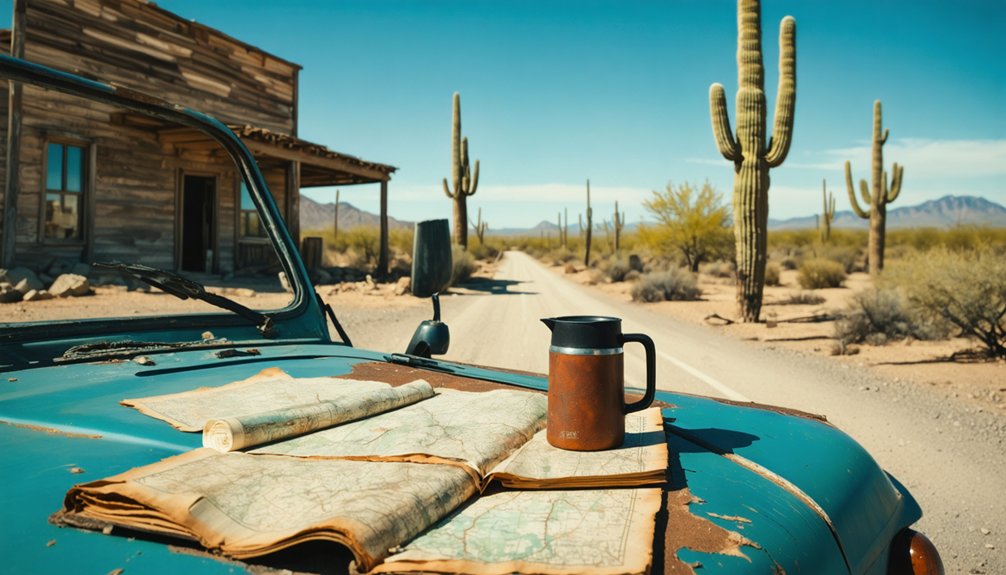
Planning a full day around Johnson, Arizona means pairing the ghost town‘s sparse ruins with the region’s broader historical and natural attractions. You’re close enough to Tombstone, Bisbee, and Dragoon that combining stops makes sense.
Embrace ghost town culture by exploring each site’s story rather than rushing through.
Build your itinerary around these priorities:
- Morning: Arrive at Johnson early, photograph foundations, and absorb the silence before heat peaks.
- Midday: Drive to a nearby town for lunch and historic preservation exhibits.
- Afternoon: Explore Cochise Stronghold or another regional landmark before heading back.
You’ll cover serious ground without burning out. Southeastern Arizona rewards curious travelers who move freely between ruins, landscapes, and living communities that still carry the region’s layered past.
Frequently Asked Questions
Is Johnson, Arizona Ghost Town on Private or Public Land?
The knowledge doesn’t confirm whether Johnson’s ghost town history sits on private or public land, so verify before visiting. You’ll want to research access permissions to safely enjoy these Arizona attractions on your road trip!
Are There Any Guided Tours Available at Johnson Ghost Town?
No guided tours exist at Johnson Ghost Town — you’ll forge your own guided exploration, uncovering historical insights among sparse foundations. You’re free to roam independently, making discoveries on your own terms!
Can You Metal Detect or Collect Artifacts at Johnson Ghost Town?
You’ll want to check local metal detecting regulations before grabbing your detector! Artifact preservation laws protect Johnson’s sparse remaining foundations, so always secure proper permits and respect the site’s fragile historical remnants to avoid hefty fines.
Is Johnson Ghost Town Suitable for Children or Families?
Like a blank canvas, Johnson Ghost Town suits family activities with open exploration. You’ll find safety considerations matter here—sparse foundations pose trip hazards, so supervise kids closely while you all discover this fascinating, freedom-filled historic site together.
Are There Any Entry Fees or Permits Required to Visit Johnson?
You’ll find no entry fees or permits required to visit Johnson’s ruins. It’s a free, open site where you can explore its historical significance without entry regulations holding you back—just drive up and discover it!
References
- https://www.ghosttowns.com/states/az/johnson.html
- https://en.wikipedia.org/wiki/List_of_ghost_towns_in_Arizona
- https://www.arizonahighways.com/archive/issues/chapter/Doc.768.Chapter.1
- https://da.abcdef.wiki/wiki/List_of_ghost_towns_in_Arizona
- https://postcardhistory.net/2023/04/the-story-of-johnson-arizona/
- https://www.ghosttowns.com/states/az/azalphabetical.html
- http://www.discoverseaz.com/top-attractions/ghost-towns.html
- https://www.aglimpse.com/product-page/arizona-territory-johnson-ghost-town-store-scrip-pay-to-miner
- https://activerain.com/blogsview/4901259/ghost-towns-in-arizona
- https://www.arizonahighways.com/article/arizona-ghost-towns