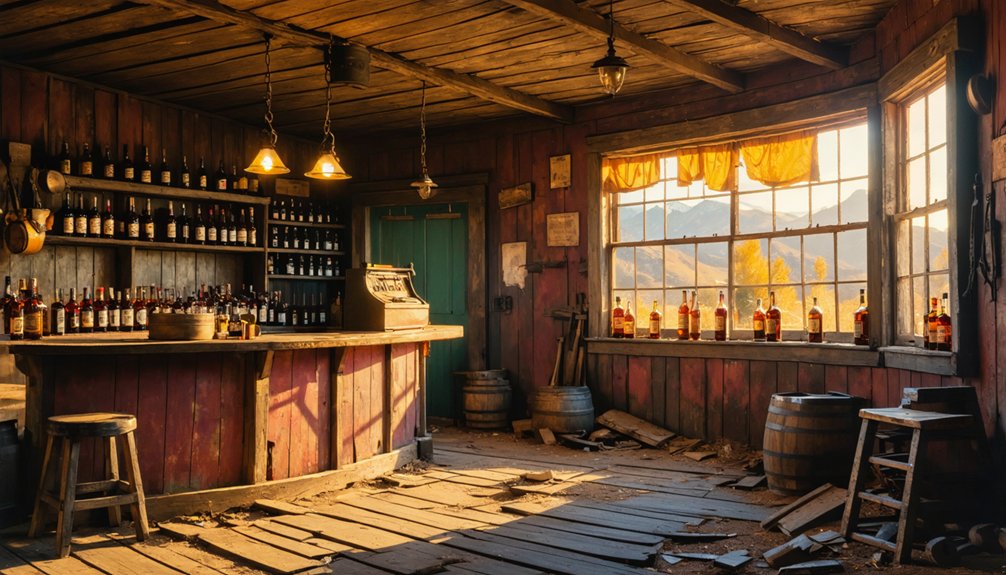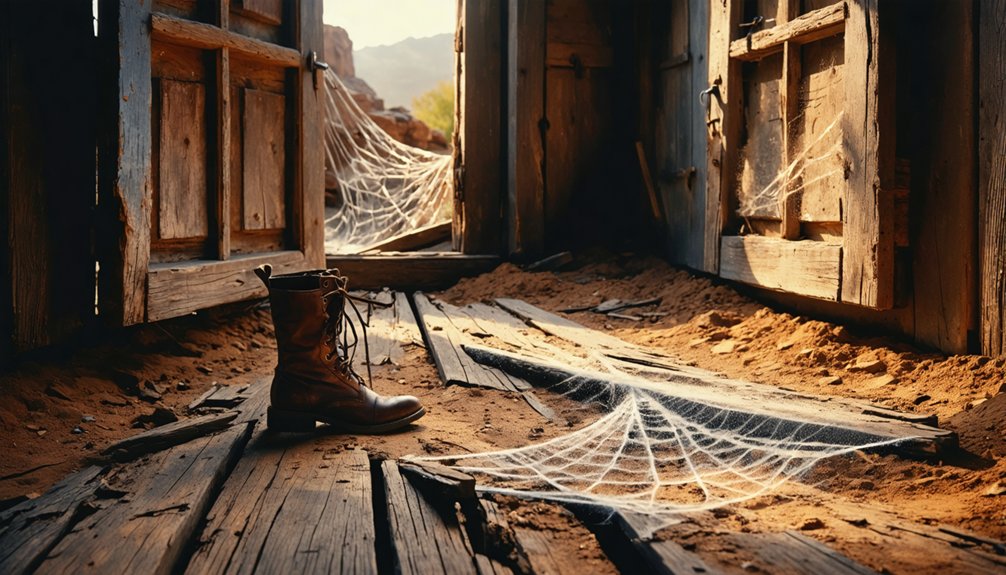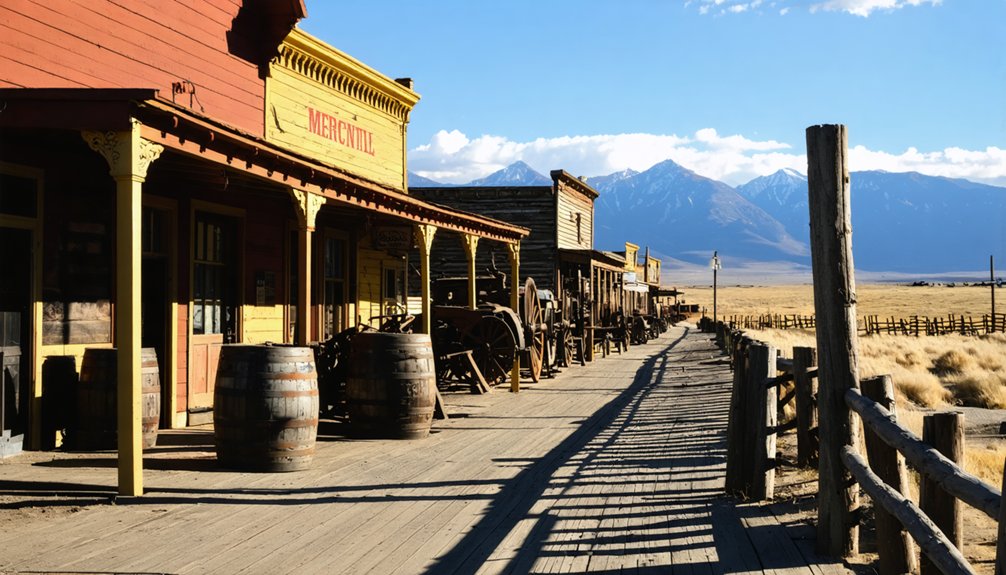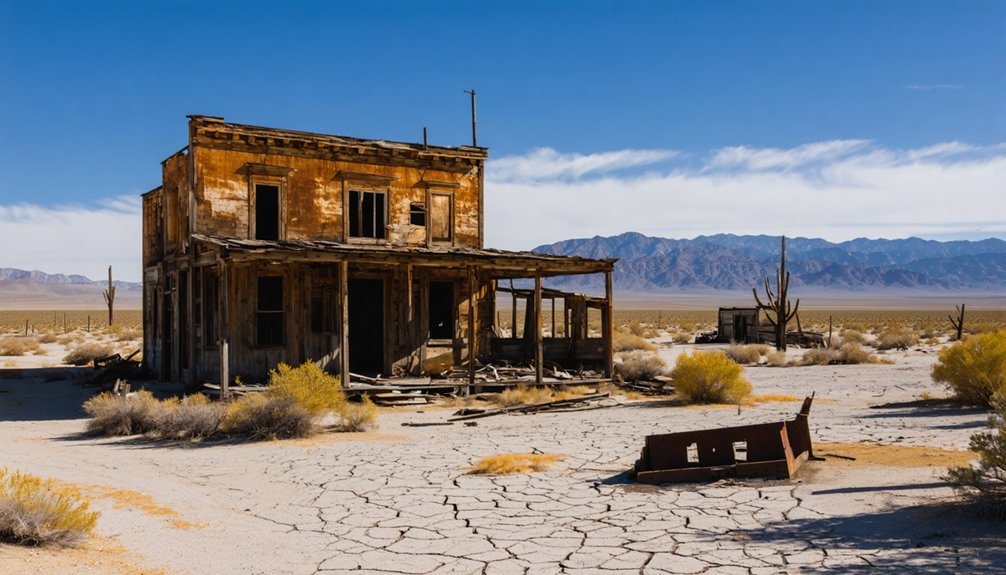
Planning a ghost town road trip to Sodan, California means heading into Inyo County’s high desert, where a once-busy Southern Pacific railroad town now sits frozen in time. You’ll access the site via U.S. 395 and State Route 270, passing dramatic desert scenery along the way. Pack at least two gallons of water per person, sun protection, and extra fuel since there are no facilities nearby. Keep exploring to uncover everything you need for an unforgettable desert adventure.
Key Takeaways
- Reach Sodan via U.S. 395 and State Route 270, positioned halfway between Narka and Little Lake in Inyo County, California.
- Pack at least two gallons of water per person, extra fuel, sun protection, layered clothing, and a first-aid kit.
- Expect subtle ruins, scattered debris, and a traceable Southern Pacific railroad alignment rather than well-preserved structures.
- Extend your trip by visiting nearby ghost towns Narka, Little Lake, and the well-preserved mining town of Randsburg.
- Bring a paper map and a fully charged phone, as no facilities exist at or near Sodan.
What Is Sodan and Why Visit This Ghost Town?
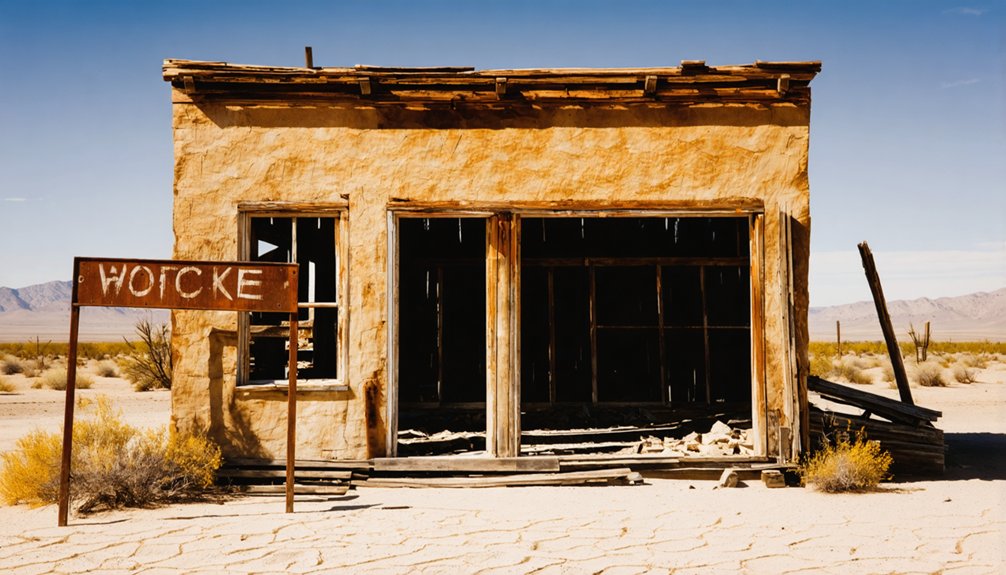
Tucked away in Inyo County, California, Sodan is a ghost town that once thrived along the Southern Pacific Railroad‘s main line before fading into the high desert silence that now defines it.
Sodan history traces back to an era when railroad significance shaped entire communities, driving settlement and resource transport across California’s rugged terrain. Positioned halfway between Narka and Little Lake, Sodan enjoyed a brief but purposeful existence before early 20th-century abandonment left it frozen in time.
If you’re craving an off-the-beaten-path adventure, Sodan delivers raw, unfiltered history without crowds or commercialization. You’ll experience a genuine slice of California’s boom-and-bust past, standing exactly where railroad workers and settlers once built their lives from the desert floor up.
How to Get to Sodan, California
Reaching Sodan takes you through some of California’s most dramatic high desert scenery, starting from U.S. 395 and heading in via State Route 270. The route cuts through sparse, open terrain that sets the tone for what you’re about to discover.
Be aware of road conditions as you approach — rougher stretches can challenge standard vehicles, so a capable ride matters. You’re traversing the same corridors that once connected remote railroad settlements across Inyo County, which adds genuine weight to every mile.
Sodan sits roughly halfway between Narka to the east and Little Lake to the west, making it a natural stop on a broader desert loop. No facilities await you there, so pack everything you need before you leave the main highway.
What’s Left to See at the Sodan Site?
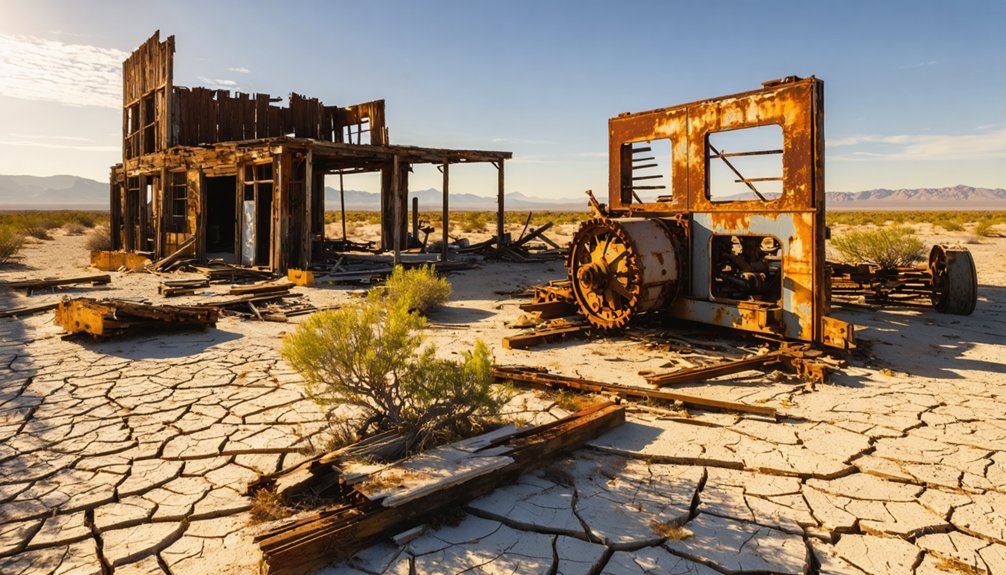
When you arrive at Sodan, don’t expect standing structures or polished interpretive signs — what remains is the quiet imprint of a settlement that the desert has steadily reclaimed.
The abandoned structures have largely crumbled or disappeared entirely, leaving behind subtle depressions, scattered debris, and weathered remnants embedded in the high desert landscape.
Little remains standing — only depressions in the earth, scattered debris, and fragments the desert hasn’t yet swallowed.
You’ll find historical artifacts if you look carefully — fragments that hint at the railroad workers and early settlers who once moved through this remote corridor.
The surrounding terrain itself tells the story, with the old Southern Pacific alignment still traceable across the valley floor.
Bring your curiosity and a sharp eye.
Sodan rewards those who appreciate raw, unfiltered history — no fences, no gift shops, just open land and the weight of a forgotten past.
Which Nearby Ghost Towns Are Worth Adding to Your Route?
Once you’ve soaked in what Sodan has to offer, the surrounding region makes it easy to stretch your route into a fuller ghost town experience.
Head east about 10 miles for Narka exploration, where the high desert silence feels almost electric. It’s a raw, unfiltered stop that rewards curious travelers willing to veer off the beaten path.
To the west, Little Lake offers another layer of regional history before you push deeper into California’s interior.
When you’re ready for a richer dive, Randsburg history delivers — this well-preserved mining town still breathes life into the boom-and-bust era that shaped the entire region.
Taken together, these stops transform a simple Sodan visit into a legitimate desert expedition worth planning around.
What to Pack for Your Sodan Ghost Town Visit?
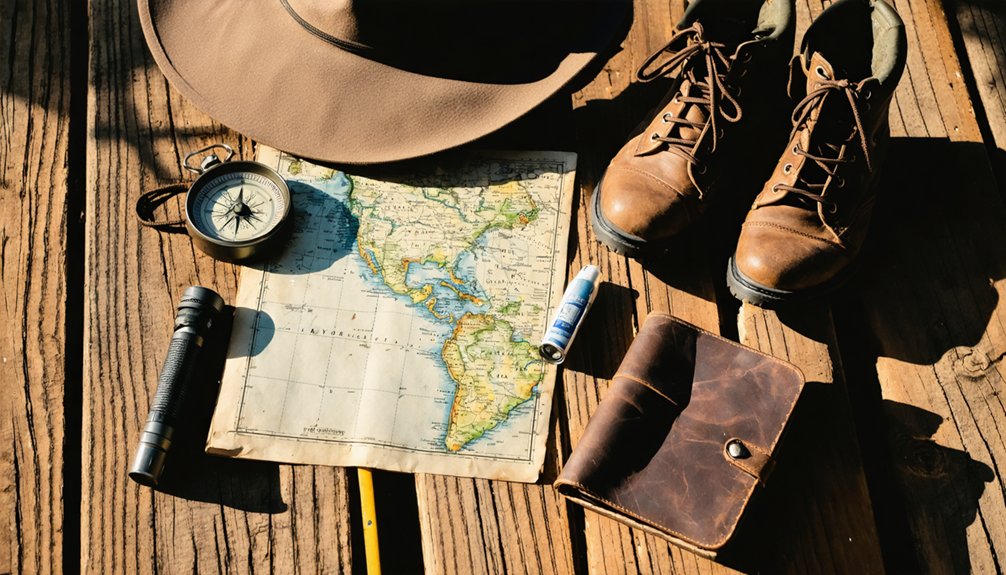
Packing smart for Sodan means accepting that you’re heading into a no-services zone deep in Inyo County’s high desert. Your packing essentials should include at least two gallons of water per person, sun protection, a paper map, and a fully charged phone.
Desert temperatures swing hard between day and night, so layer your clothing accordingly.
For photography tips, arrive during golden hour when the low desert light carves dramatic shadows across abandoned structures and weathered terrain. Bring a wide-angle lens to capture the vast, empty landscape alongside any remaining historical remnants. A polarizing filter cuts harsh midday glare beautifully.
Pack snacks, a first-aid kit, and extra fuel — the nearest services are miles away.
Prepare thoroughly, and Sodan rewards you with raw, unfiltered desert freedom.
Frequently Asked Questions
When Did Sodan Officially Become Abandoned as a Settlement?
Sodan’s abandonment timeline places its desertion in the early 20th century. You’ll find Sodan history reveals no exact official date, but this California ghost town quietly faded as railroad relevance and mining opportunities dried up.
Is There an Entrance Fee to Visit the Sodan Ghost Town Site?
Like a open door to the past, you won’t pay a dime to explore Sodan’s ghost town history! No entrance fee exists, so you’re free to roam Sodan landmarks at your own pace.
Are Pets Allowed When Visiting the Sodan Historical Site?
Specific pet policies for Sodan aren’t documented, but you’re free to explore this site of historical significance. Always keep pets leashed, carry water, and respect the desert environment as you roam this fascinating ghost town.
What Railroad Company Originally Operated Through Sodan, California?
The Southern Pacific Railroad once graced Sodan’s landscape, weaving railroad history into Sodan significance. You’ll discover this iron thoroughfare connected freedom-seekers and resource movers, shaping the desert’s destiny before the settlement’s eventual quiet departure from active life.
Can Visitors Camp Overnight Near the Sodan Ghost Town Site?
You won’t find any overnight facilities at Sodan’s ghost town site. Before you camp nearby, you’ll want to check camping regulations with Inyo County authorities, as this remote high desert terrain offers untamed freedom for adventurous explorers.
References
- https://en.wikipedia.org/wiki/Sodan
- https://it.wikipedia.org/wiki/Sodan
- https://www.wikiwand.com/en/articles/List_of_ghost_towns_in_California
- https://en.wikipedia.org/wiki/Category:Former_settlements_in_Inyo_County
- https://en.wikipedia.org/wiki/Owenyo
- https://ro.wikiital.com/wiki/Sodan
- https://www.wikidata.org/wiki/Q3963898
- https://www.facebook.com/groups/CalHistory/posts/490500677827388/
- https://dornsife.usc.edu/magazine/echoes-in-the-dust/
- https://www.tripadvisor.com/Attractions-g26843229-Activities-c47-t14-Southern_California_California.html