Planning a ghost town road trip to Kasson, California means tracing the footsteps of Gold Rush traders along the San Joaquin River’s west bank. You’ll visit a site once bustling with riverboats, cattlemen, and grain farmers before railroad competition and a devastating 1911 flood erased it from the map. Today, California Historical Landmark No. 777 marks the quiet spot. If you’re curious what really happened here and how to make the most of your visit, there’s much more to uncover.
Key Takeaways
- Kasson sits on the west bank of the San Joaquin River, marked by California Historical Landmark No. 777 since November 1962.
- Access the site via Kasson Road into Tracy, connecting to County Route J3, and bring navigation tools due to limited cell service.
- Pack water, snacks, and sturdy shoes, and bring binoculars for wildlife viewing along the San Joaquin River corridor.
- The site offers minimal ruins but delivers an authentic, roadside glimpse into Gold Rush-era transportation and river commerce history.
- Extend your trip to Bodie State Historic Park for a dramatic contrast with well-preserved 1876 mining boom architecture.
What Was Kasson and San Joaquin City?
When you trace the history of Kasson back to its roots, you’ll find a vanished Gold Rush river town called San Joaquin City, plotted in 1849 on the west bank of the San Joaquin River. Traders, cattlemen, and grain farmers once depended on this settlement as a key overland and riverboat hub, and local legends describe it as a genuine rival to Stockton in its trading heyday.
Durham Ferry opened in 1859, strengthening the town’s grip on regional commerce. But when Central Pacific Railroad connected Martinez and Fresno around 1879, river traffic faded fast.
What little historic architecture remained couldn’t survive flooding, with 1911 delivering the final blow. Today, California Historical Landmark No. 777 marks the spot where that ambitious river town once stood.
Rail Competition and Flooding Killed the Town
San Joaquin City’s decline didn’t happen overnight, but two forces hit hard enough to seal its fate. When the Central Pacific Railroad connected Martinez to Fresno around 1879, it rerouted commerce away from the river entirely. Traders, settlers, and freight that once moved along these transportation routes shifted to the rails, leaving the town scrambling for relevance.
The mining history that initially drove traffic through the San Joaquin Valley had already cooled, stripping away another layer of the town’s purpose.
Then came 1911. Flooding swept through the area with enough force to destroy what little remained of San Joaquin City’s future. You can almost picture the moment the town stopped fighting back. Nature and progress combined, and the settlement simply couldn’t survive either one.
What Survives at the Kasson Road Ghost Town Site Today
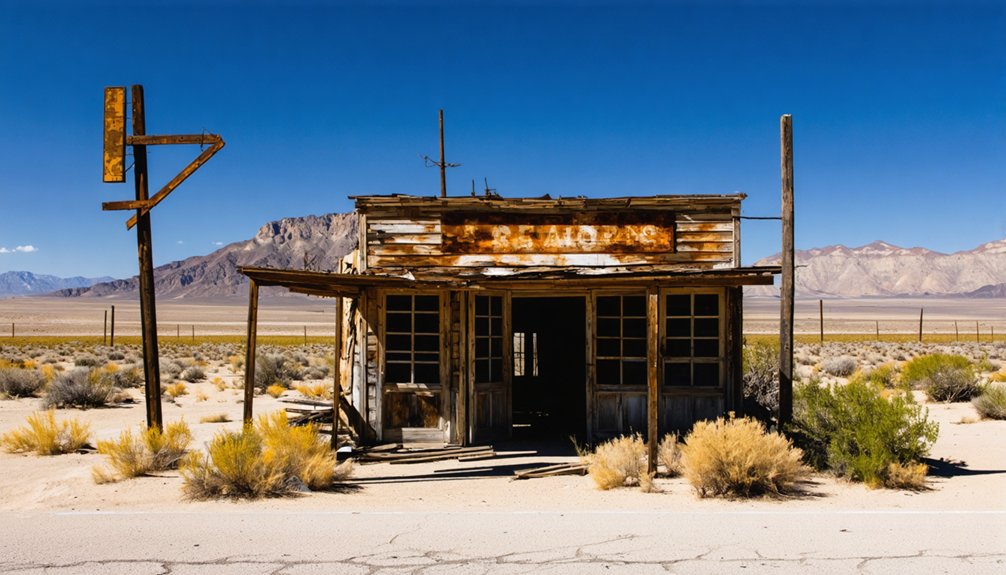
What’s left at the Kasson Road site won’t overwhelm you with ruins, but it delivers something more lasting than crumbling walls. California Historical Landmark No. 777 stands as your primary anchor here, placed in November 1962 to mark where San Joaquin City once rivaled Stockton as a trading hub.
Don’t expect extensive archaeological remains or visitor amenities like parking areas and interpretive centers — this site rewards independent travelers who prefer raw history over curated experiences.
The surrounding landscape still echoes the old River Road corridor, giving you a genuine sense of the west-bank terrain that once supported grain farming and cattle ranching. You’re fundamentally reading the land itself, tracing a Gold Rush-era transportation story through a quiet roadside stop that time quietly absorbed.
How to Reach the Kasson Ghost Town Site and What to Bring
Reaching the Kasson Road ghost town site puts you on a route that once carried Gold Rush-era freight and river traffic through San Joaquin County. Follow Kasson Road into the Tracy area, where County Route J3 connects you to the San Joaquin City landmark site.
Before you go, pack smart:
- Navigation tools – cell service can drop along rural stretches
- Water and snacks – stop in Tracy first for local cuisine before heading into open valley terrain
- Binoculars – the San Joaquin River corridor offers solid wildlife viewing opportunities along the way
Wear sturdy shoes since the site is more historic landscape than developed park. You’re fundamentally traveling a living piece of California’s transportation history, so treat the drive itself as part of the experience.
Extend Your Kasson Ghost Town Trip to Bodie
Once you’ve explored the San Joaquin City landmark site along Kasson Road, extending your trip to Bodie transforms a single stop into a full California ghost-town road trip.
Exploring Kasson Road is just the beginning — Bodie turns your trip into a full California ghost-town adventure.
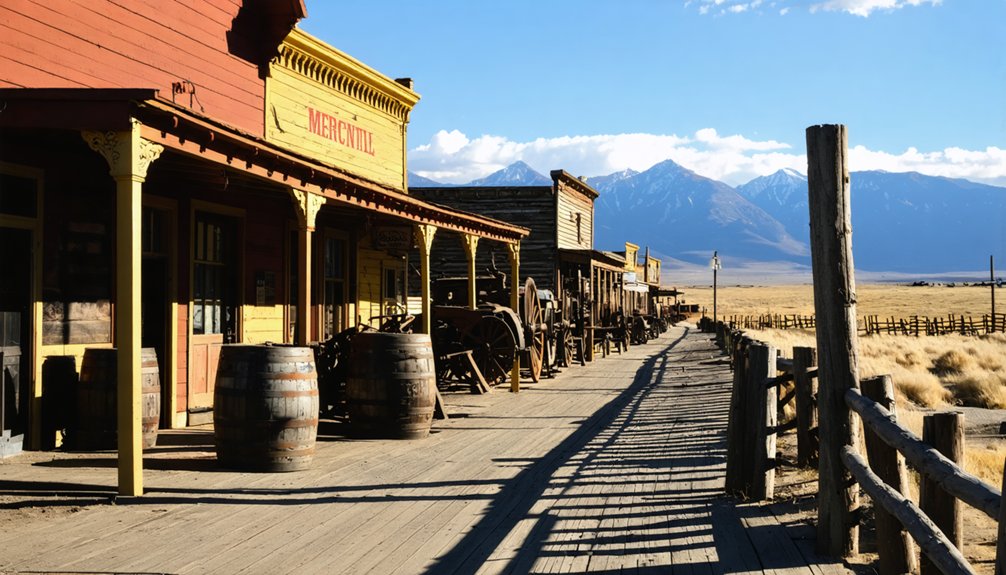
Bodie sits northeast of the Central Valley near the Nevada border, offering something Kasson can’t — a largely intact townscape frozen in time. Its mining legends stretch back to 1876, when a major boom drew thousands of fortune seekers almost overnight. By 1879, roughly 2,000 buildings defined the settlement.
Today, you’ll walk among preserved historic architecture spanning saloons, homes, and mine structures, all protected within Bodie State Historic Park.
Pairing Bodie’s dramatic preservation with Kasson’s quieter riverside history gives you a richer understanding of California’s broader boom-and-bust story.
Plan your route, check road conditions, and give yourself a full day at Bodie.
Frequently Asked Questions
Is a Permit Required to Visit California Historical Landmark No. 777?
Like Steinbeck’s wanderers seeking open roads, you don’t need a permit to visit California Historical Landmark No. 777. Visitor regulations favor free access, though historical preservation remains everyone’s shared responsibility when exploring this roadside site.
Can You Access the Kasson Road Site Year-Round Without Road Closures?
You’ll generally access Kasson Road year-round, but you’re wise to check local conditions before your off-road adventure. Seasonal flooding can close routes, so confirm access ahead to protect your photography opportunities at this haunting historic site.
Are There Any Guided Ghost Town Tours Available Near Kasson Road?
Coincidentally, while no formal guided tours exist at Kasson Road itself, you’ll find historical guides and guided tours operating at nearby Bodie State Historic Park, giving you the freedom to explore California’s ghost town legacy firsthand.
What Other San Joaquin County Landmarks Are Close to the Kasson Site?
You’ll find nearby landmarks steeped in historic mining heritage and sweeping desert scenery. Explore Durham Ferry’s historic crossing, Tracy’s agricultural roots, and the San Joaquin River corridor — each site revealing California’s bold, freedom-filled frontier past waiting for you.
Is the Kasson Road Ghost Town Site Suitable for Children and Families?
Can you picture your kids discovering history firsthand? You’ll find family-friendly exploration works well here. Keep child safety considerations in mind — the open landscape offers freedom, but supervise little ones near the river’s edge.
References
- https://nvtami.com/2024/01/20/monoville-califoria-ghost-town/
- https://en.wikipedia.org/wiki/Bodie
- https://lakecity.com/carson-old-carson-ghost-towns/
- http://www.gribblenation.org/2025/01/the-site-of-san-joaquin-city-san.html
- https://en.wikipedia.org/wiki/List_of_ghost_towns_in_California
- http://www.vchshistory.org/2014/02/19/welcome-to-kasson/
- https://www.legendsofamerica.com/ca-deathvalleyghosttowns/
- https://en.wikipedia.org/wiki/San_Joaquin_City