Kendall, Maryland is one of those places that pulls you in and doesn’t let go. You’ll start your hike in Friendsville, follow an old railroad bed along the Youghiogheny River, and within two miles you’re standing where a booming lumber town once thrived — before the timber ran out in 1912 and floodwaters finished the job. It’s raw, overgrown, and quietly haunting. Stick around, and you’ll uncover everything you need to plan the perfect visit.
Key Takeaways
- Kendall, Maryland, is a ghost town near Friendsville, once a booming logging hub that collapsed after timber resources were exhausted by 1912.
- The trail starts at First Avenue and Oak Street in Friendsville, covering roughly 3 miles round trip along a flat, easy railroad bed.
- Pack waterproof boots, trekking poles, water, snacks, a first aid kit, and a camera for seasonal mud, ice, and river crossings.
- Watch for wildlife including deer, herons, and river otters; check dam release schedules to avoid dangerous water surges during crossings.
- Nearby ghost towns like Barton, Antietam Ironworks, and Brownsville offer additional stops for a fuller Maryland ghost town road trip.
Why Kendall, Maryland Is a Ghost Town Hikers Keep Coming Back To
Tucked along the Youghiogheny River in Garrett County, Kendall, Maryland doesn’t look like much at first — just overgrown foundations swallowed by decades of silence. But that’s exactly why hikers keep returning. You’re not chasing a polished museum exhibit here. You’re walking into something raw and honest.
Kendall’s cultural significance runs deeper than its ruins suggest. It started as a logging hub, drove regional industry, and then quietly disappeared when the timber collapsed in 1912. The lake did the rest, flooding what residents left behind.
Preservation efforts here stay intentional but minimal — the trail follows an old railroad bed, and the site remains largely untouched. That restraint is the point. You get to read the landscape yourself, without anyone curating the story for you.
How a Logging Boom Built Kendall: and How Timber Killed It
When you walk the old railroad bed toward Kendall, you’re tracing the same route that carried raw timber out of these hills after the Yough Manor Lumber Co. pushed tracks upriver following Friendsville’s rail connection in 1889.
The town grew fast around that sawmill economy, eventually anchoring itself as the southern terminus of the Confluence & Oakland Railroad and the starting point of the Krug Lumber Railroad.
Then 1912 arrived, the timber gave out, and the people simply left — leaving behind a community that the filling of Yough Lake would later half-swallow for good.
Timber Drives Early Settlement
Before the foundations crumbled and the river crept in, Kendall was a working logging town that locals once called Yough Manor. Rail service reached nearby Friendsville in 1889, and the Yough Manor Lumber Co. wasted no time pushing tracks upriver to feed a busy sawmill.
The timber industry moved fast out here, and Kendall grew alongside it — rough, practical, and alive with the sound of saws and steam.
You can almost picture it: workers hauling logs, smoke rising from the mill, a town carving its identity out of dense Appalachian forest. It wasn’t built to last forever. It was built to work.
That restless, self-sufficient energy is exactly what drew people here — and it’s what makes this ghost town worth the hike today.
Sawmills and Railroad Expansion
Kendall didn’t just grow around the timber industry — it was engineered by it. Once rail service reached Friendsville in 1889, the Yough Manor Lumber Co. didn’t wait around. They extended tracks upriver, pushed a sawmill into operation, and suddenly Kendall had a pulse.
That railroad history runs deep here. Kendall became the southern terminus of the Confluence & Oakland Railroad and the launching point for the Krug Lumber Railroad. Two rail lines, one small town, and an entire forest being systematically harvested. It’s the kind of industrial ambition that feels almost reckless in hindsight.
But the timber industry doesn’t wait. By 1912, the trees were gone, the mills went quiet, and Kendall’s reason for existing vanished almost overnight. The railroads eventually followed.
Industry Collapses, Town Fades
By 1912, the trees were gone — and so was everything that made Kendall matter. The industrial decline hit fast and hard.
Once the Yough Manor Lumber Co. stripped the surrounding hills bare, the economic impact rippled through every household. Families packed up. Storefronts emptied. The railroad that once carried timber out now had no reason to stay.
You can almost feel the quiet that must’ve settled in after the last mill went cold.
By 1942, crews rerouted the rail line through Confluence, clearing the way for Yough Lake to fill — partially swallowing what little Kendall had left.
Nobody saved it. Nobody really could.
The boom had defined the town, and when it ended, the town ended with it.
How to Get to the Kendall Trail From Friendsville
From McHenry, you’ll take US 219 North to Route 42 and follow it toward Friendsville, a drive that feels like it’s pulling you back through decades of Appalachian quiet.
Once in town, make your way to First Avenue and Oak Street, where the old railroad bed picks up and becomes your trail.
It’s a straightforward find, but take a moment to get your bearings — you’re standing at the same departure point loggers once used to haul timber out of the hills.
Driving Directions From McHenry
Whether you’re starting your ghost town adventure from Deep Creek Lake or just passing through the area, McHenry makes a natural jumping-off point. Head north on US 219, then turn onto Route 42 toward Friendsville. That two-lane road feels unhurried, the kind of drive where you’ll spot local wildlife along the ridgelines and half-expect a historical marker around every bend.
Once you roll into Friendsville, follow the route to First Avenue and Oak Street, where the trail begins. From there, it’s roughly two miles one way to the old Kendall site. Keep your eyes open, your pace easy, and your sense of curiosity sharp.
This stretch of Garrett County rewards travelers who aren’t rushing anywhere in particular.
Finding The Trailhead In Friendsville
Once you’re in Friendsville, the trailhead isn’t hard to find if you know what you’re looking for. From Route 42, follow First Avenue to Oak Street and look for where the old railroad bed begins its run along the Youghiogheny River. That worn path carries more history than it might first suggest — local legends say the timber crews who built Kendall practically lived on this stretch of ground.
You’ll follow roughly two miles of flat, easy trail before the ghost town’s overgrown foundations come into view. Historic preservation efforts keep the corridor accessible, but the land stays raw and largely unchanged.
Wear waterproof boots, especially in spring when mud reclaims the path, and stay alert near the river for dam releases.
How Long Is the Hike and How Difficult Is It?
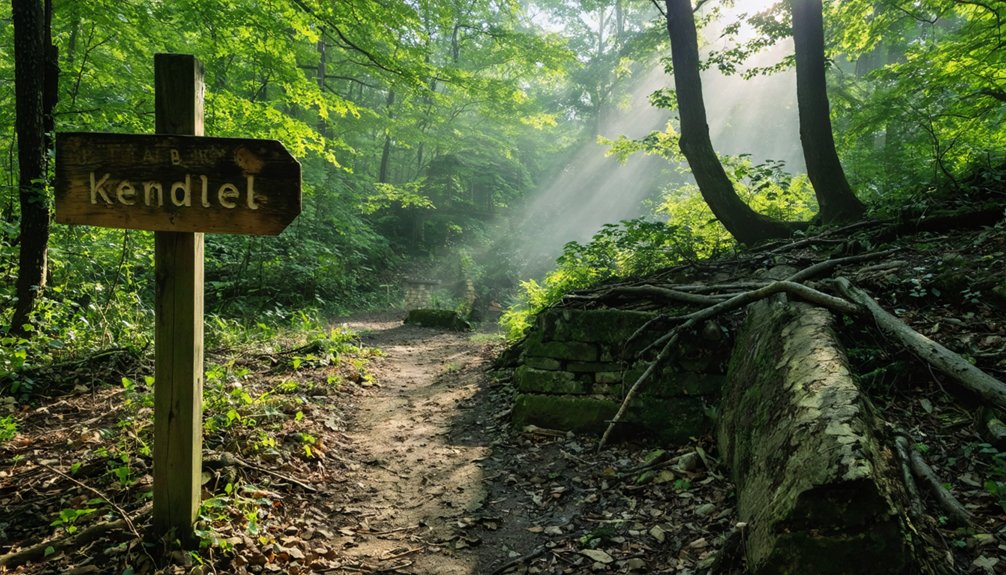
The hike into Kendall is a straightforward 3-mile round trip, and you’ll find it rated easy — the kind of walk that rewards curiosity without punishing your knees. You’ll cover roughly 2 miles one way, following an old railroad bed from Friendsville along the Youghiogheny River.
The path carries its own quiet history, and local legends cling to the tree line like morning fog. When you arrive, you’re not walking into preserved historic architecture — you’re stepping over overgrown foundations, reading the land like a text.
Come prepared for mud in spring and ice in winter. You may also need to wade at Laurel Run, so watch dam release schedules before you go. Freedom here means arriving ready for what the river decides.
What You’ll Actually See at the Kendall Town Site
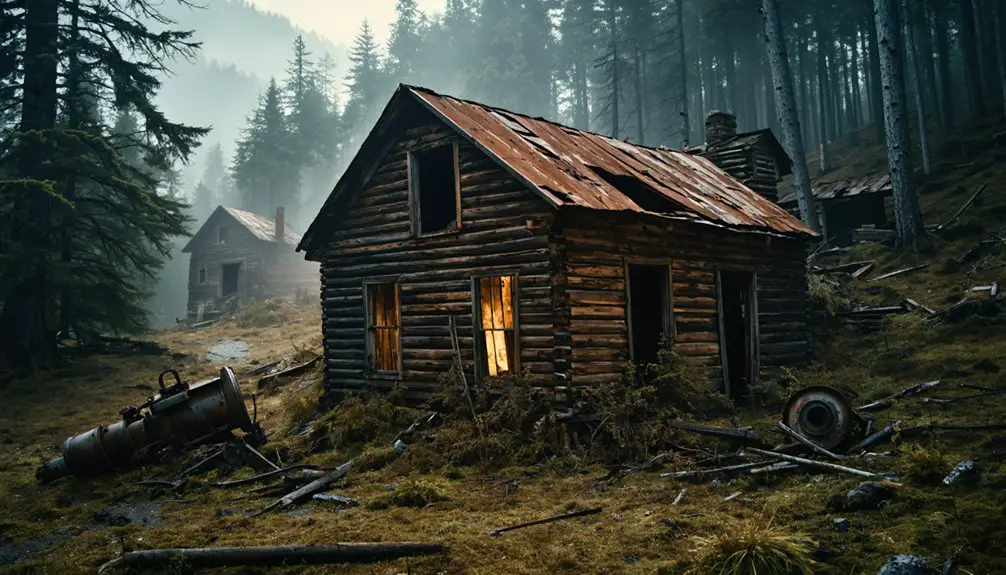
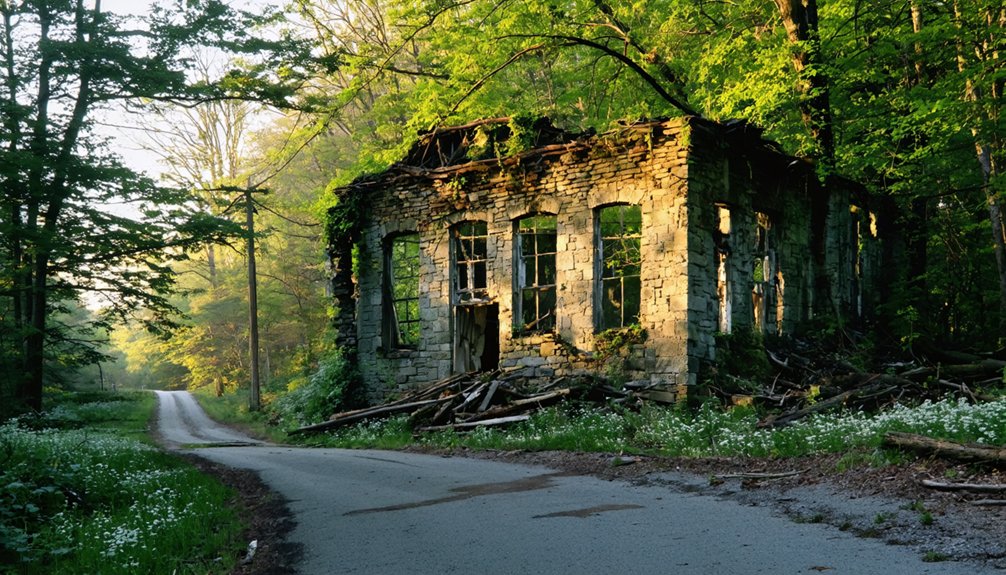
Arriving at Kendall feels like opening a book with most of its pages torn out. There aren’t preserved structures or historical artifacts behind glass — just honest, quiet remnants that let you piece together the story yourself. Here’s what you’ll actually find:
- Overgrown foundations scattered through the tree line, hinting at homes and mill buildings
- Railroad bed traces marking where the Krug Lumber Railroad once pushed upriver
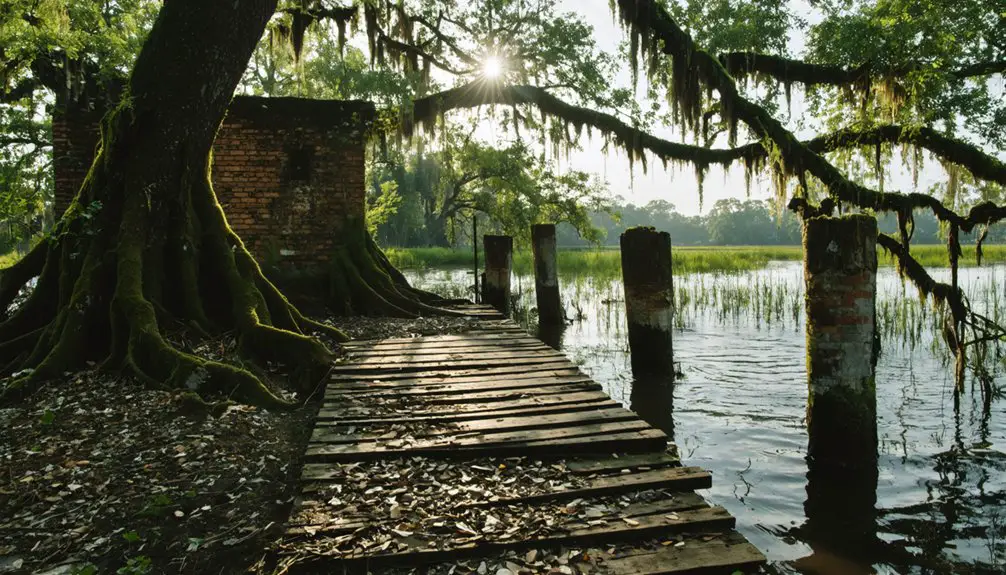
- Partial flooding evidence where Yough Lake crept into the abandoned town after 1942
- Riverside terrain shaped by decades of neglect and natural reclamation
You’re fundamentally reading the land itself. Kendall doesn’t perform for visitors — it simply exists, raw and unrestored, which makes the experience feel genuinely earned rather than packaged.
When Should You Hike to Kendall?
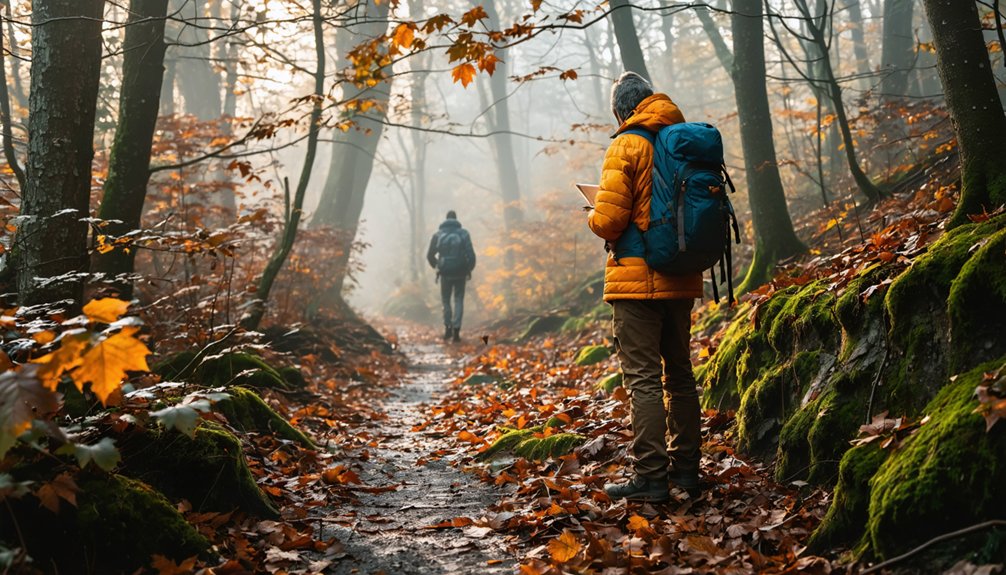
Timing your hike to Kendall shapes the whole experience. Late spring through early fall gives you the clearest trail conditions and the best wildlife encounters — deer, herons, and river otters aren’t uncommon along the Youghiogheny corridor.
Summer mornings hit that sweet spot before heat settles into the river valley. Avoid early spring if you can; trail maintenance hasn’t always kept pace with mud season, and soggy footing slows an already contemplative walk.
Winter brings its own quiet beauty, but icy stretches near the river make the hike genuinely hazardous.
Fall is arguably the finest window — cool air, turning leaves, and fewer crowds.
Whatever season pulls you there, check dam release schedules beforehand. The river doesn’t care about your itinerary.
What Hazards Should You Know Before Hiking to Kendall?
Knowing when to go only gets you so far — what you meet on the trail matters just as much. Trail safety here isn’t abstract; it’s earned through attention. Before you set out along that old railroad bed toward the ghost of Kendall, know what’s waiting.
Knowing when to go only gets you so far — what you meet on the trail matters just as much.
- River crossings — You may need to wade at Laurel Run. Wear shoes you don’t mind soaking.
- Dam releases — Watch for sudden water surges. They move fast and hit without warning.
- Seasonal trail conditions — Spring brings mud; winter brings ice. Both will slow you down.
- Wildlife encounters — You’re moving through river corridor habitat. Stay alert and respect what lives there.
Respect the land, and it’ll let you through.
What to Bring for a Day Hike to Kendall

Once you’ve made peace with the hazards, packing becomes its own kind of preparation ritual. Toss in waterproof boots — you’ll likely wade at Laurel Run. Bring trekking poles for muddy spring stretches that’ll test your footing before you’ve spotted a single foundation stone.
Pack light but smart: water, snacks, a basic first aid kit, and a camera you don’t mind getting damp. You’re walking toward historical artifacts half-swallowed by riverbank vegetation, so bring something to steady your hands at scenic viewpoints above the Youghiogheny.
Keep your dog leashed and your pockets empty — leave every stone where it sits. This ground belongs partly to private owners. Respect that, and Kendall rewards you with the rare, unhurried freedom of a place the modern world mostly forgot.
Other Maryland Ghost Towns Worth Adding to the Road Trip
Kendall doesn’t have to be the end of the road. Maryland hides several forgotten places worth chasing if you love ghost town legends and historical artifacts left quietly in the landscape. Pack that same sense of curiosity you brought to Kendall and keep driving.
- Antietam Ironworks – A collapsed industrial ruin near Antietam Creek with iron-era remnants.
- Brownsville – A Washington County crossroads that faded after the National Road era passed it by.
- Boteler’s Ford – Civil War history embedded in the riverbank landscape.
- Barton – A Western Maryland coal town with crumbling structures still standing along the ridge.
Each stop adds another layer to your road trip, trading preserved museums for raw, overgrown history you discover yourself.
Frequently Asked Questions
Are There Restroom Facilities Available at the Kendall Trailhead or Site?
No official restroom availability exists at the Kendall trailhead amenities — you’re venturing into true wilderness here. Pack out what you bring, embrace the freedom of the old logging trails, and plan accordingly before you leave Friendsville.
Is the Kendall Trail Open Year-Round to Visitors?
You can visit year-round, but you’ll want to watch your step — winter’s icy paths and spring mud complicate historical artifacts exploration. Wildlife sightings surprise you every season, making each visit feel like a timeless, freeing adventure.
Can You Camp Overnight Near the Kendall Ghost Town Site?
No official campground options or overnight permits exist at Kendall’s ghost town site — portions are privately owned. You’ll want to explore nearby areas for camping, then return to wander those nostalgic, overgrown foundations freely during the day.
Are There Guided Tours Available for the Kendall Historic Site?
You won’t find formal guided exploration or historical artifacts tours here — Kendall’s a self-discovery experience. You’ll wander overgrown foundations independently, feeling that nostalgic pull of forgotten lumber days, answering only to your own wandering spirit.
Is Cell Phone Service Reliable Along the Kendall River Trail?
Don’t count on reliable cell reception along the trail — signal strength tends to fade as you venture deeper into the river corridor, so carry a paper map and embrace that old-school, off-grid freedom you’re chasing.
References
- https://en.wikipedia.org/wiki/Kendall
- https://friendsville.org/historytour/?page_id=306
- https://centralmontana.com/blog/visiting-the-ghost-town-of-kendall-in-central-montana/
- https://www.raisedinthewest.com/archives/kendall-ghost-town-in-the-north-moccasin-mountains
- https://en.wikipedia.org/wiki/List_of_ghost_towns_in_Maryland
- https://en.wikipedia.org/wiki/Category:Ghost_towns_in_Maryland
- https://de.abcdef.wiki/wiki/List_of_ghost_towns_in_Maryland
- https://www.facebook.com/groups/764515800577918/posts/1445444312485060/