Planning a ghost town road trip to Landore, Idaho means stepping into a world where broken dreams linger in weathered wood and crumbling brick. You’ll navigate backcountry roads to find remnants of an 1898 silver and gold mining camp, including a mysterious failed smelter and its iconic chimney. Pack sturdy boots, extra water, and detailed maps since GPS signals are unreliable here. Nearby ghost towns like Decorah and Garnet Town add even more history to uncover—and there’s plenty more to discover ahead.
Key Takeaways
- Landore, established in 1898, features iconic remnants like original cabins and a towering brick smelter chimney from its silver and gold mining era.
- Navigate backcountry roads like Indian Creek Road using detailed maps, as GPS signals are limited in this remote area.
- Pack sturdy hiking boots, extra water, snacks, and weather-appropriate clothing to handle rugged terrain and unpredictable mountain conditions.
- Expand your trip by visiting nearby ghost towns like Decorah, Garnet Town, and Silver City for a broader regional mining history experience.
- Respect fragile structures, avoid disturbing artifacts, follow established paths, and pack out everything to preserve these historic sites.
What Makes Landore, Idaho Worth the Drive?
Why make the long drive out to Landore, Idaho? Because few places deliver this kind of raw, unfiltered history. Established in 1898, Landore once buzzed with a daily stage stop and a weekly newspaper. That towering brick chimney — the lasting remnant of a failed 1904 smelter — stands as a striking monument to ambition and collapse.
You’ll find original cabins still standing, ghosts of a hardworking era frozen in time. The surrounding landscape supports wildlife conservation efforts, making the drive itself a rewarding experience through untamed Idaho terrain.
Unlike cultural festivals that recreate history artificially, Landore lets you walk directly through it. It’s the kind of place that rewards the adventurous traveler who values authentic discovery over manufactured experience. Landore earns every mile.
How Landore Went From Boomtown to Ghost Town
When you trace Landore’s history, you’ll find a town that burst onto the scene in 1898, quickly earning a daily stage stop and its own weekly newspaper.
By 1904, ambitious investors had constructed a smelter, betting big on the town’s future — but the venture mysteriously failed, and no one’s ever fully explained why.
That unexplained collapse marked the beginning of Landore’s slow fade from thriving boomtown to the quiet ghost town you can explore today.
Landore’s 1898 Founding
Landore’s story begins in 1898, when miners flooded into the area chasing the promise of silver and gold. The camp exploded into life fast, earning a daily stage stop and a weekly newspaper that kept settlers connected to the wider world. You can almost feel the energy of those early days walking through what remains today.
That founding era left behind remarkable evidence of ambition — standing cabins and a towering brick chimney from a smelter built in 1904.
Historical artifact preservation efforts mean you’re still able to witness these remnants firsthand. Mining equipment restoration work has helped tell the fuller story of what early settlers actually built here.
Landore wasn’t just a camp; it was a community carved boldly out of Idaho wilderness.
Smelter’s Mysterious Failure
Just four years after its founding, Landore’s fate hinged on a single ambitious gamble: the smelter built in 1904. Nobody knows exactly why it failed, but its collapse silenced a thriving town.
As you walk the grounds today, you’ll sense the weight of that mystery through:
- The towering brick chimney standing as a haunting monument
- Scattered mining equipment frozen in time
- Historic signage hinting at ambitions that never materialized
- A few weathered cabins still clinging to existence nearby
That chimney isn’t just architecture — it’s a symbol of broken dreams and unanswered questions. Landore transformed from a boomtown into silence almost overnight.
You’re standing where hopeful miners once believed they’d struck their path to freedom and fortune.
Landore’s Smelter Chimney and the Structures Still Standing
Standing tall above the remnants of Landore’s mining past, the brick smelter chimney is the first thing you’ll notice when you arrive. It’s a striking monument to the ambitious mining techniques once employed here, rising defiantly against Idaho’s open sky.
Despite the smelter’s mysterious failure in 1904, this chimney endured, becoming the site’s most iconic feature.
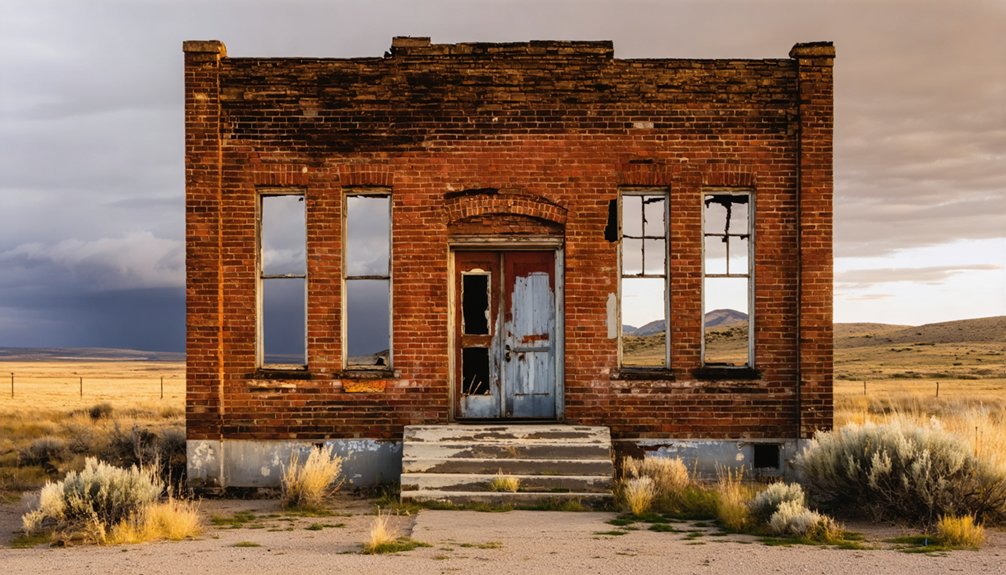
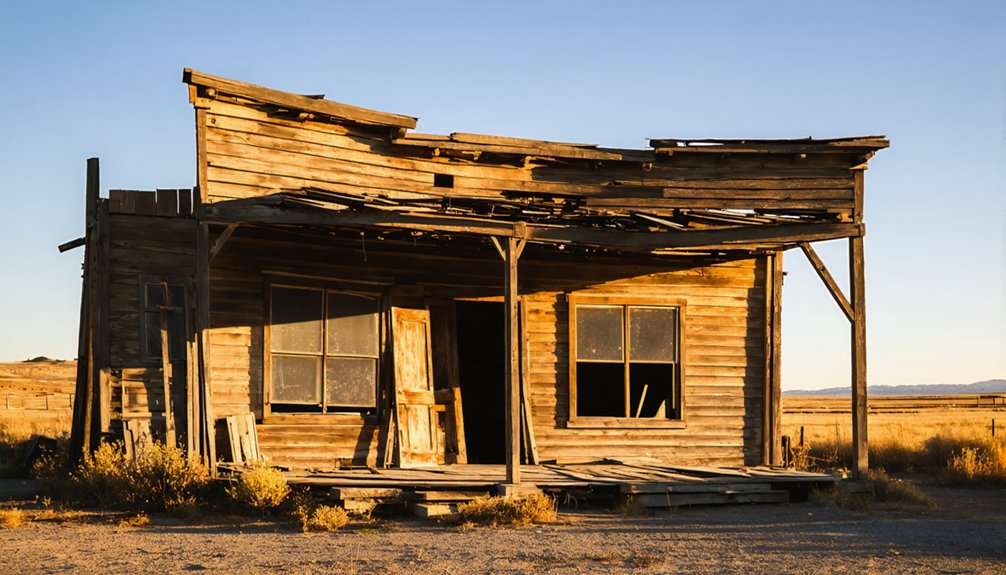
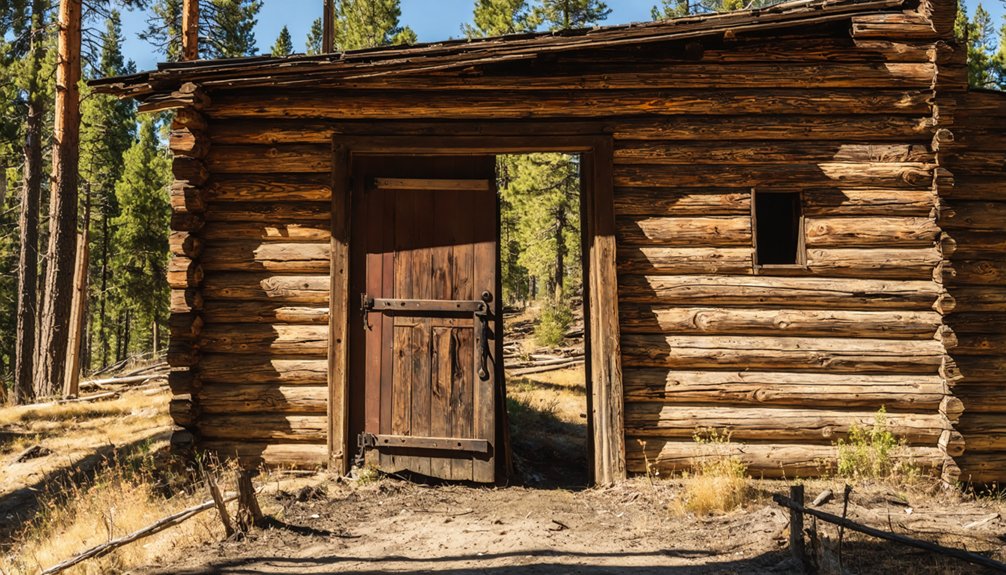
Beyond the chimney, you’ll find a few original cabins still standing, offering a rare glimpse into daily life during Landore’s peak years. These surviving structures represent meaningful historic preservation, connecting you directly to the miners who once called this place home.
Walk carefully through the site, respect what remains, and let these weathered walls tell their story without disturbing a single piece of history.
Decorah and Garnet Town: What’s Left Along Indian Creek
A short walk half a mile down Indian Creek from Landore brings you to Decorah, the lively counterpart to the mining camp’s working grind. Miners from Landore and Helena once blew off steam here, leaving behind mining legends worth chasing.
Head further up Garnet Creek and you’ll discover Garnet Town, where ghost town architecture survives as three tumbled cabins.
Further up Garnet Creek, Garnet Town endures as three tumbled cabins — quiet relics of a restless, ambitious past.
Here’s what these sites stir in every explorer:
- Wanderlust — remote creeks reward those bold enough to seek them
- Humility — collapsed walls remind you how fleeting prosperity truly is
- Curiosity — every fallen timber hides an untold story
- Freedom — no crowds, no barriers, just raw history beneath open skies
Walk carefully, soak it in, and let the silence speak.
Which Ghost Towns Pair Best With a Landore Trip?
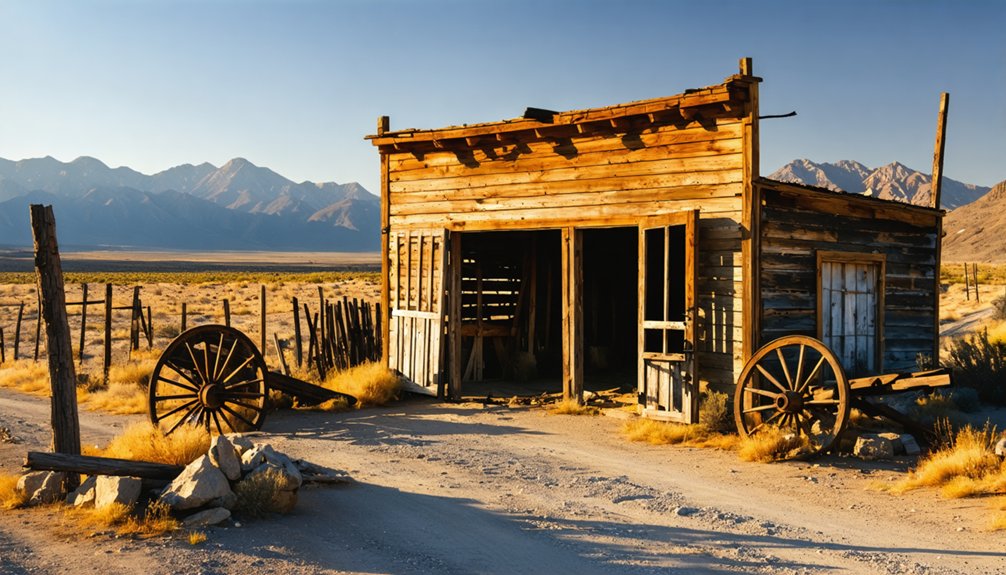
While Landore makes a rewarding destination on its own, pairing it with nearby ghost towns turns a single-stop visit into an unforgettable regional adventure. Silver City, founded in the 1860s with a peak population of around 2,500, offers a richer contrast — it’s never fully abandoned, with year-round residents and a summer hotel serving tourists and cultural festivals that celebrate its mining heritage.
You’ll also find local cuisine options that Landore simply can’t provide. Further out, Granite in Oregon rounds out a cross-border ghost town circuit worth driving. Each site tells a distinct chapter of Western mining history.
Plan your route deliberately, stack these destinations together, and you’ll transform a weekend into a deep, immersive dive through the region’s rugged, gold-chasing past.
The Charcoal Kilns Near Leadore: What Landore Visitors Miss
Beyond the ghost towns themselves, the region around Leadore holds an industrial curiosity that most Landore visitors overlook entirely — the Charcoal Kilns Interpretive Site. These beehive-shaped kilns represent raw mining technology that fueled entire communities, and local legends still surround their construction and abandonment.
Don’t miss what this site offers:
- Unique architecture — the kiln shapes feel almost otherworldly against Idaho’s open landscape
- Scenic trails — stretch your legs and breathe in genuine wilderness freedom
- Industrial history — understand how charcoal processing powered regional mining operations
- Quiet reflection — stand where workers once labored and feel history beneath your boots
You’re already exploring Landore’s forgotten past — adding the Charcoal Kilns makes your road trip genuinely complete.
How to Get to Landore Without Getting Lost?
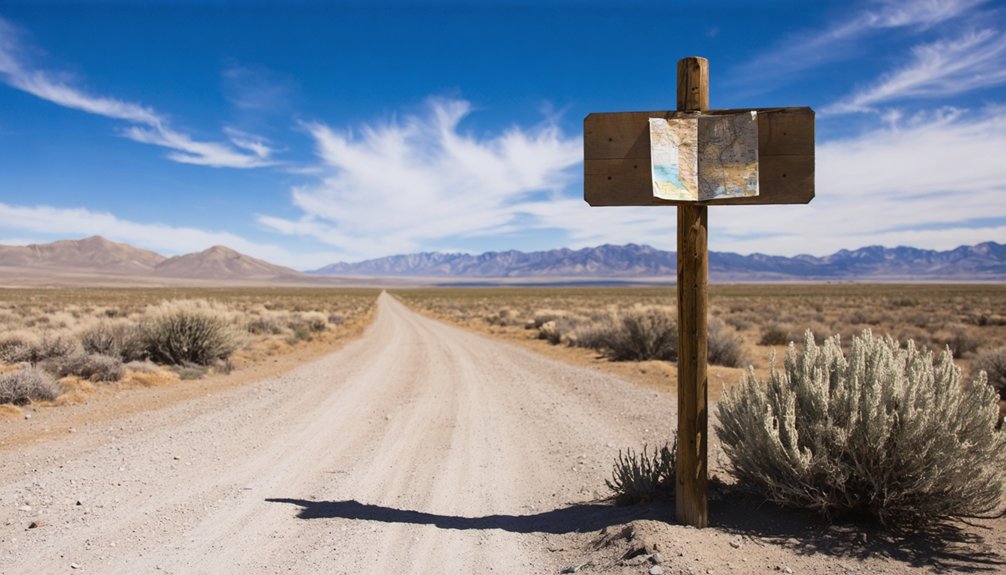
Getting to Landore takes preparation, because Idaho’s backcountry roads don’t forgive casual navigators. Pack a detailed map before you leave — GPS signals vanish fast in these remote corridors.
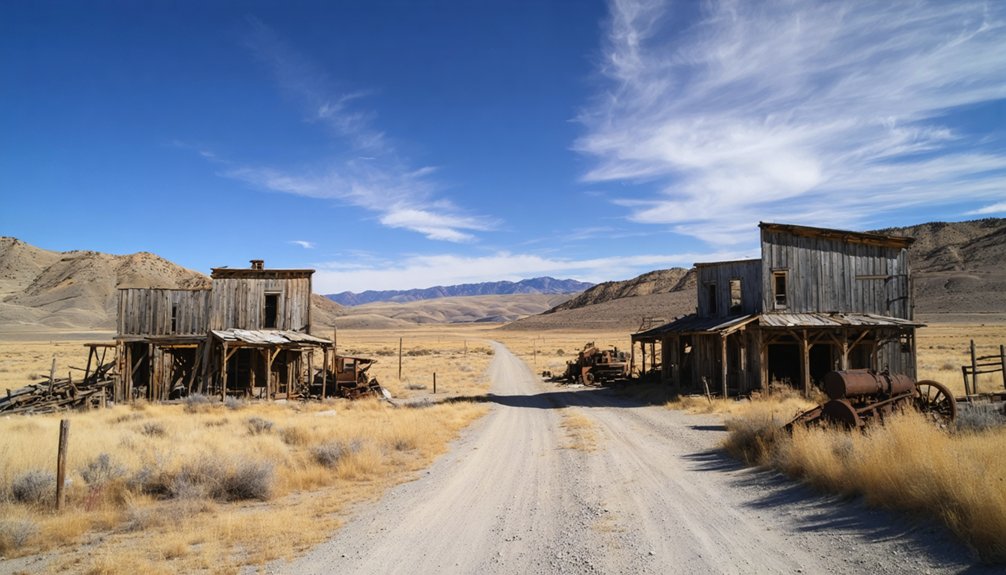
You’ll follow Indian Creek Road through terrain shaped by local folklore and wild ambition, where old-timers still share stories about the 1898 rush that built this camp overnight.
Drive cautiously and stay alert. Wildlife preservation isn’t just a guideline here — it’s a reality. Deer, elk, and other animals cross these roads freely, and they won’t wait for you.
Stick to established routes to protect both the ecosystem and yourself.
Once you spot Landore’s tall brick chimney rising above the tree line, you’ll know you’ve arrived. Trust the map. Trust your preparation.
What to Pack for Exploring Idaho’s Mining Country?
Packing smart separates a memorable trip from a miserable one. Idaho’s mining country demands respect and preparation before you hit those rugged backroads toward Landore.
- Detailed maps — Cell service disappears fast, and local legends about these trails won’t save you when you’re lost.
- Sturdy hiking boots — Rough terrain doesn’t forgive casual footwear.
- Camera — Historic preservation means capturing stories, not disturbing them; photograph everything.
- Extra water and snacks — Freedom tastes better when you’re not dehydrated miles from civilization.
Check weather conditions before departing — mountain weather shifts violently without warning. You’re stepping into landscapes shaped by ambition and hardship, so pack accordingly.
Leave nothing behind except footprints, and take nothing except photographs and memories worth carrying home.
Don’t Touch That: What You Can and Cannot Do at These Sites
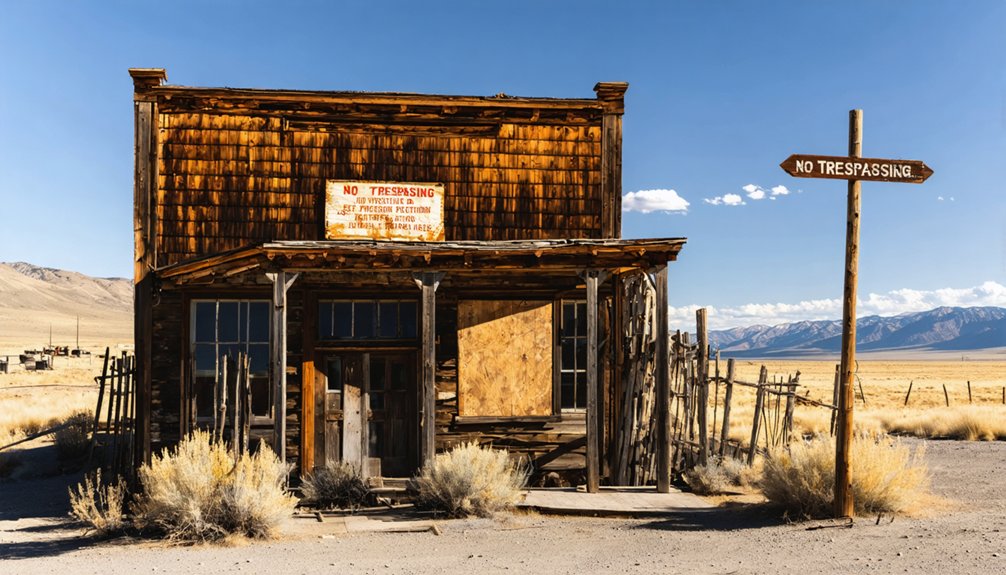
These ghost towns survived over a century of abandonment, and your curiosity shouldn’t be what finally undoes them. Local legends cling to these crumbling walls, and every artifact left untouched keeps those stories alive for future explorers.
Preservation challenges are real here — fragile structures and scattered remnants can’t withstand careless handling. Don’t touch, pocket, or disturb anything you find. That rusted nail or broken bottle isn’t yours to take.
Stick to established paths to prevent erosion and avoid trampling hidden remnants beneath your feet. Follow every posted sign, especially near active mining claims where trespassing carries legal consequences.
Pack out everything you bring in. Leave these sites exactly as you found them — silent, weathered, and waiting for the next respectful visitor to discover them.
Frequently Asked Questions
When Is the Best Time of Year to Visit Landore, Idaho?
Ironically, summer’s your best bet for historical preservation exploration and wildlife viewing in Landore—when the ghost town’s “lively” past feels most accessible, trails are clear, and you’ll freely roam without winter’s harsh grip slowing you down.
Are There Any Entrance Fees for Visiting Idaho Ghost Town Sites?
You’ll find most Idaho ghost town sites don’t charge entrance fees, supporting historical preservation and your freedom to explore! However, you should check each location’s tourist infrastructure, as some managed sites may require small fees.
Is Camping Available Near Landore or Surrounding Ghost Town Areas?
Camping regulations vary by location, but you’ll find nearby accommodations and open spaces surrounding Landore’s rugged terrain. Pack your gear, embrace the freedom of Idaho’s wilderness, and check local guidelines before pitching your tent near these historic ghost town areas!
Are the Roads to Landore Suitable for Standard Passenger Vehicles?
Road conditions to Landore can feel like a million miles from civilization! You’ll want to check vehicle requirements carefully, as rough terrain may challenge standard passenger vehicles. A high-clearance or 4WD vehicle guarantees you’ll navigate safely.
How Long Does a Typical Visit to Landore Usually Take?
You’ll typically spend one to two hours exploring Landore’s rich history. Don’t rush—you’ll want ample time to photograph historical artifacts like the iconic brick chimney and soak in every mesmerizing photography opportunity this free-spirited destination offers.
References
- https://visitidaho.org/things-to-do/ghost-towns-mining-history/
- https://www.youtube.com/watch?v=rTSZSlxTmbs
- https://www.ghosttowns.com/states/id/landore.html
- https://en.wikipedia.org/wiki/List_of_ghost_towns_in_Idaho
- https://www.youtube.com/watch?v=cDGeAreMBnc