Planning a road trip to Liberty, Washington means stepping into a rare “living ghost town” where real residents share space with 150 years of gold rush history. Just 90 minutes east of Seattle via I-90 and Highway 97, this historic mining town sits tucked near Swauk Creek. You’ll find crystalline gold displays, weathered relics, and even a working arastra unlike anywhere else in the country. Stick around — there’s far more to discover about this extraordinary destination.
Key Takeaways
- Liberty, Washington, located 80 miles east of Seattle, is a “living ghost town” and Washington’s oldest mining town, founded after an 1867 gold discovery.
- Take I-90 east, then north on Highway 97 over Blewett Pass; the Liberty turnoff is 2 miles east of the highway.
- The final two-mile access road is unpaved and rough; high-clearance vehicles are recommended, especially in wet conditions.
- Visit between June and August for gold panning, mining demonstrations, and historic building exploration; spring and fall offer fewer crowds.
- Avoid winter visits, as snowpack and road closures can persist into April, severely limiting accessibility and activities.
Why Liberty, Washington Earns the “Living Ghost Town” Title
What makes Liberty, Washington different from every other ghost town you’ve visited? People still live there. Liberty earns its “living ghost town” title by blending authentic mining history with active residency — something no other Washington town can claim.
Liberty, Washington isn’t just a ghost town — people actually still live there.
Unlike fully abandoned sites, Liberty has a small but real population, reportedly growing by 33% in recent years. Its roots run deep, stretching back to a gold discovery in 1867 by Newton and Benton Goodwin.
A second major find in 1873 ignited a mini gold rush that shaped the town’s identity for generations.
You’re not walking through a preserved relic — you’re stepping into a place that still breathes. That rare combination of living residents and raw frontier history is exactly what sets Liberty apart.
How to Get to Liberty From Seattle
Liberty sits about 80 miles east of Seattle, making it an easy day trip or a natural first stop on a longer road trip through central Washington.
You’ll take U.S. Highway 97 over Blewett Pass, then turn off just 2 miles east of the highway to reach the town.
The drive is straightforward, and the mountain scenery along Highway 97 sets the mood well before you arrive.
Seattle to Liberty Distance
Sitting about 80 miles east of Seattle, Liberty is an easy day trip or a natural stop on a longer central Washington road trip. You’ll head east on I-90, then north on U.S. Highway 97 over Blewett Pass, before turning just 2 miles off the highway to reach the town.
The drive takes roughly 90 minutes, leaving you plenty of time to explore Liberty’s mining history and gold preservation sites before heading home. At an elevation of 2,674 feet, the scenery along the way is stunning, especially as the Cascades give way to open central Washington terrain.
Whether you’re chasing ghost towns or simply craving open roads and freedom, Liberty rewards the short detour every time.
Highway 97 Access Point
Once you know the distance, the actual route comes together quickly. Head east from Seattle on I-90, then pick up U.S. Highway 97 heading north over Blewett Pass. From there, Liberty sits just two miles east of the highway, tucked into the Swauk Creek drainage where gold prospecting first put this area on the map back in 1867.
The turnoff is easy to miss, so watch for signage carefully. Once you arrive, you’ll find mining relics scattered throughout the property, giving the whole place an unfiltered, lived-in authenticity that polished tourist destinations simply can’t replicate.
The road leading in sets the tone immediately — narrow, quiet, and raw. You’re not just driving to a destination; you’re rolling into Washington’s oldest mining town on your own terms.
Liberty’s Gold Rush History and Why It Still Matters
When two brothers, Newton and Benton Goodwin, discovered gold along Swauk Creek in 1867, they set off a chain of events that would shape this corner of Washington for generations.
A major strike in 1873 triggered a mini gold rush, drawing miners who used both placer and hard-rock mining techniques to pull wealth from the earth.
Liberty became Washington’s oldest mining town, producing rare crystalline gold, wire gold, and coarse nuggets that rewarded those willing to work for them.
Gold preservation efforts today keep that legacy alive. You’ll find historic displays and equipment that explain how miners once operated here.
Understanding this history makes your visit richer — you’re not just seeing old buildings, you’re standing inside a story that actually happened.
Why Liberty’s Crystalline Gold Is Genuinely Rare
That gold discovery didn’t just put Liberty on the map — it produced something most miners never see in a lifetime. Liberty’s Swauk District yields crystalline gold, a naturally geometric, almost sculptural form of the metal that forms distinct crystal structures rather than shapeless flakes or dust.
Liberty’s Swauk District yields crystalline gold — geometric, sculptural, and unlike anything most miners ever see in a lifetime.
It’s genuinely rare, and collectors prize it far above ordinary placer gold.
You’ll also find wire gold and coarse nuggets pulled from local streams, but the crystalline specimens are what set Liberty apart.
When you visit, the mining relics scattered throughout town give you real context for understanding what drove prospectors here in the first place.
Holding a gold specimen from this district means holding something extraordinary — the kind of find that once changed lives and still fuels the legend.
What You’ll Actually See When You Arrive in Liberty
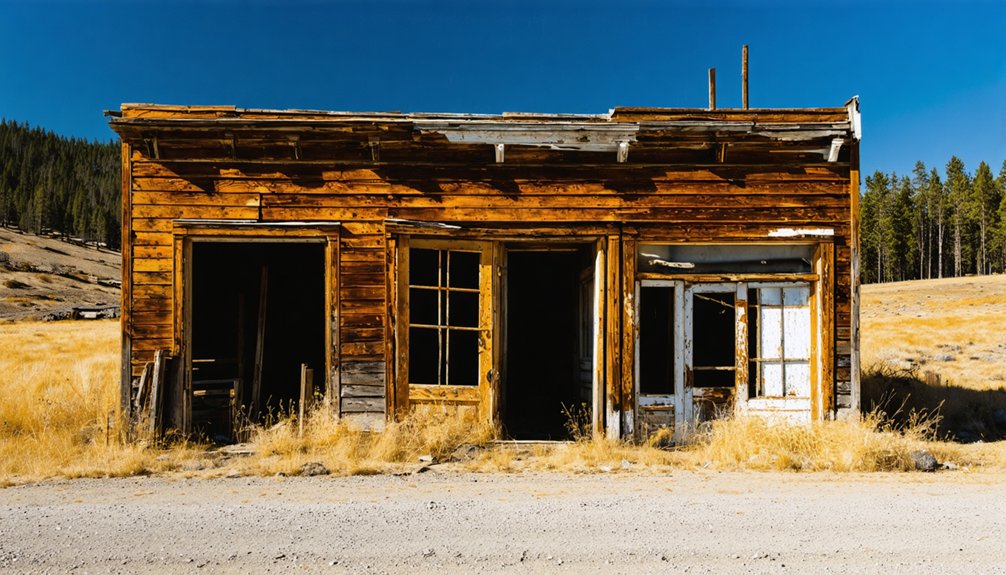
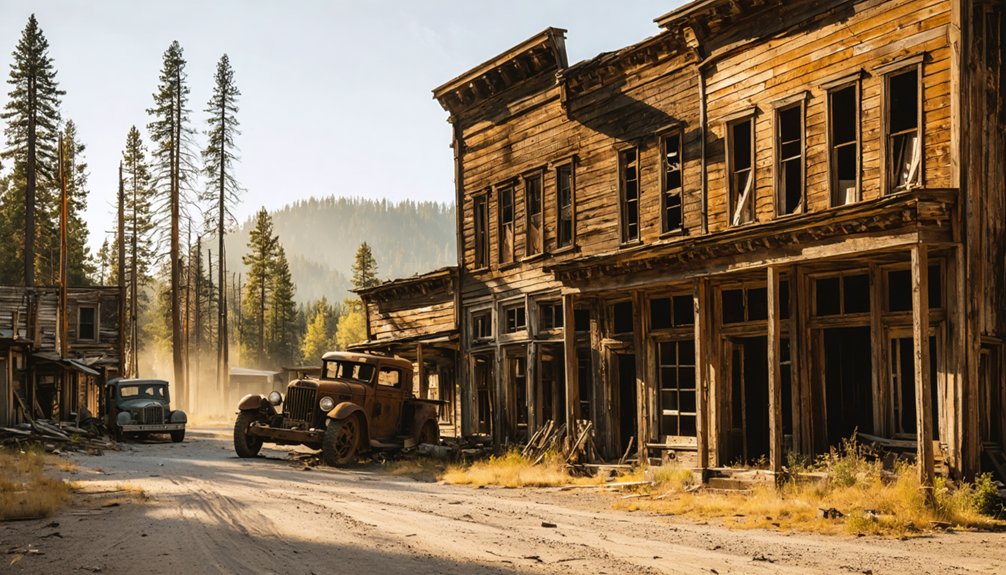
When you pull into Liberty, you’ll find historic buildings that make for excellent photography, along with interpretive signs and displays of mining equipment that put the town’s past into context.
Don’t miss the water-powered arastra on site, widely considered the only working arastra in the United States. You can watch this centuries-old ore-grinding machine operate much as it did during Liberty’s gold rush days, connecting you directly to the town’s living history.
Historic Buildings And Equipment
Once you pull into Liberty, the town’s mining past hits you immediately — historic buildings still stand alongside interpretive signs and displays of mining equipment that tell the story of Washington’s oldest mining town.
The historic architecture here isn’t reconstructed or polished for tourists; it’s the real thing, preserved in a way that lets you feel the weight of the 1870s mining era.
You’ll find mining artifacts scattered throughout the townsite, giving you an unfiltered look at how miners once worked Swauk Creek‘s gold-bearing ground.
The water-powered arastra — believed to be the only working one in the United States — is a genuine standout.
Wander freely, photograph what you find, and let the equipment and structures speak for themselves.
The Working Arastra
Among Liberty’s most striking features, the water-powered arastra will likely stop you in your tracks. This device, believed to be the only working arastra in the United States, crushes ore using stone slabs dragged by water-powered arms — the same method miners relied on during Liberty’s gold prospecting heyday.
As you explore Liberty’s mining relics, you’ll appreciate how this machine connects you directly to the 1870s methods that shaped the entire settlement. It’s not a museum replica behind glass. It actually functions, giving you a rare, hands-on glimpse into authentic frontier mining technology.
Standing beside it, you’ll understand why Liberty earns its “living ghost town” reputation. Few places in the country let you witness working history this unfiltered and this free.
Combine Liberty With Cle Elum and Blewett Pass
Liberty sits right off U.S. Highway 97, making it a natural fit for a broader Blewett Pass loop. You’re only about two miles east of the highway, so folding Liberty into a central Washington road trip takes almost no extra effort.
Head west over Blewett Pass and drop into the Cle Elum area, where you’ll find restaurants, lodging, and a relaxed small-town energy that contrasts nicely with Liberty’s rugged mining heritage.
The region tells a connected story. Cle Elum grew from similar frontier roots, and the Blewett Pass corridor itself carries deep gold discoveries history.
Driving Highway 97 between these stops, you’ll move through terrain that once drew prospectors chasing fortune. Combine these destinations and you’ve built a road trip that’s genuinely rich in history and independence.
Parking, Permits, and Road Conditions at Liberty
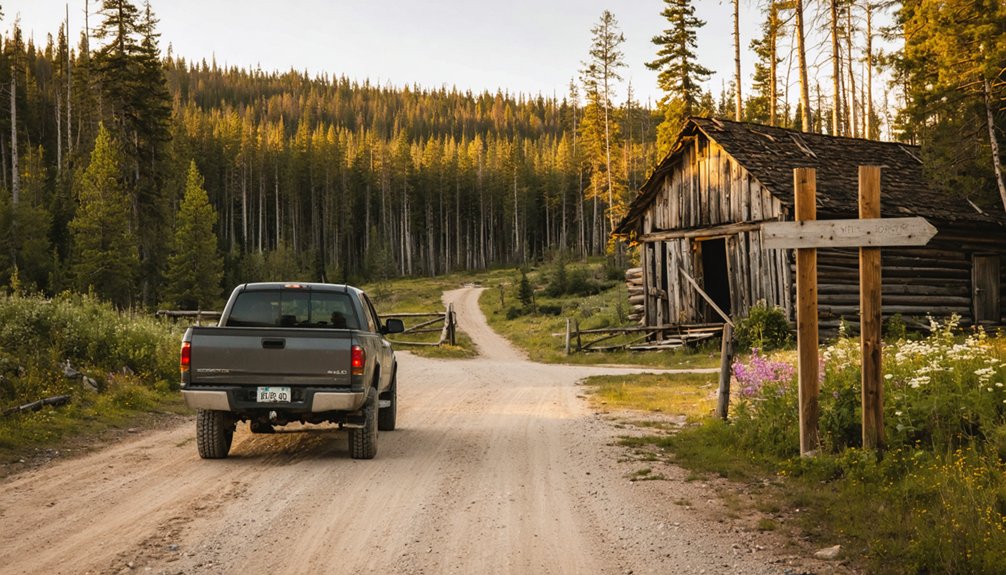
Getting to Liberty is straightforward, but you’ll want to know what you’re dealing with before you turn off Highway 97. The two-mile access road from the highway is unpaved, so expect a rough ride if conditions are wet or icy. A high-clearance vehicle handles it better, though most cars manage in dry weather.
Once you arrive, parking is informal — pull over where it makes sense and explore on foot. No entry fees or permits are required to walk the town and photograph mining artifacts and historic structures.
Road signage along the route is minimal, so download offline maps or note directions before you lose cell service. Spring and fall offer the best conditions; winter access can be unreliable depending on snowpack.
Best Times of Year to Visit Liberty, Washington
Timing your visit matters as much as knowing how to get there. Liberty shines brightest in late spring through early fall, when the roads are clear and the Swauk Creek area opens up for gold prospecting. Snow can close access roads well into April, so plan accordingly.
Here’s what each season offers:
- Summer (June–August): Ideal for exploring mining techniques firsthand, photographing historic buildings, and panning Swauk Creek.
- Spring/Fall: Fewer crowds, dramatic light for photography, and cooler temperatures that make hiking comfortable.
- Winter: Roads may become impassable, and most activity shuts down entirely.
You’ll get the most out of Liberty when the weather cooperates. Hit it during peak season, and you’ll leave with stories, photographs, and maybe even a little gold.
Frequently Asked Questions
Is Liberty, Washington Actually Listed on the National Register of Historic Places?
Like a gold nugget preserved in stone, Liberty’s legacy is sealed — yes, it’s officially listed on the National Register of Historic Places since 1974, making its historic preservation and tourist attractions genuinely worth your freedom-seeking adventure.
What Was Liberty, Washington Originally Called Before 1892?
You’ll find Liberty’s historical name changes fascinating — it was originally called Williams Creek! These early settlement stories reveal how the town embraced its identity, proudly adopting the name Liberty in 1892, perfectly suiting your freedom-loving spirit.
How Many People Currently Live in Liberty, Washington Today?
Like a flicker of an old flame, Liberty’s population’s a tiny spark — roughly nine to twelve residents call it home. You won’t find local cuisine or outdoor activities bustling, but you’ll feel true freedom here.
Does Liberty Have a Record-Breaking Tree Visitors Can See?
You’ll find the largest black hawthorn tree in the United States, making it one of Liberty’s most mesmerizing natural landmarks. It’s a local tourism gem you won’t want to miss on your visit.
Is There Still Any Active Gold Mining Happening in Liberty Today?
Yes, you’ll find that gold mining history lives on in Liberty, as current mining activity still exists at a limited level today — so you’re visiting a place where the pursuit of freedom through gold never truly stopped.
References
- https://www.opb.org/article/2023/10/29/washington-only-living-ghost-town-history-lingering-residents/
- https://www.wta.org/go-hiking/hikes/liberty-ghost-town
- https://www.youtube.com/watch?v=jDeqFHjZD0M
- https://en.wikipedia.org/wiki/Liberty
- https://www.facebook.com/groups/105660393253/posts/10161997453653254/
- https://kids.kiddle.co/Liberty
- https://www.youtube.com/watch?v=h9ZBKX5mVJc
- https://westernmininghistory.com/towns/washington/liberty/
- https://seattlerefined.com/the-show/liberty-wa-is-the-oldest-living-ghost-town-in-the-state