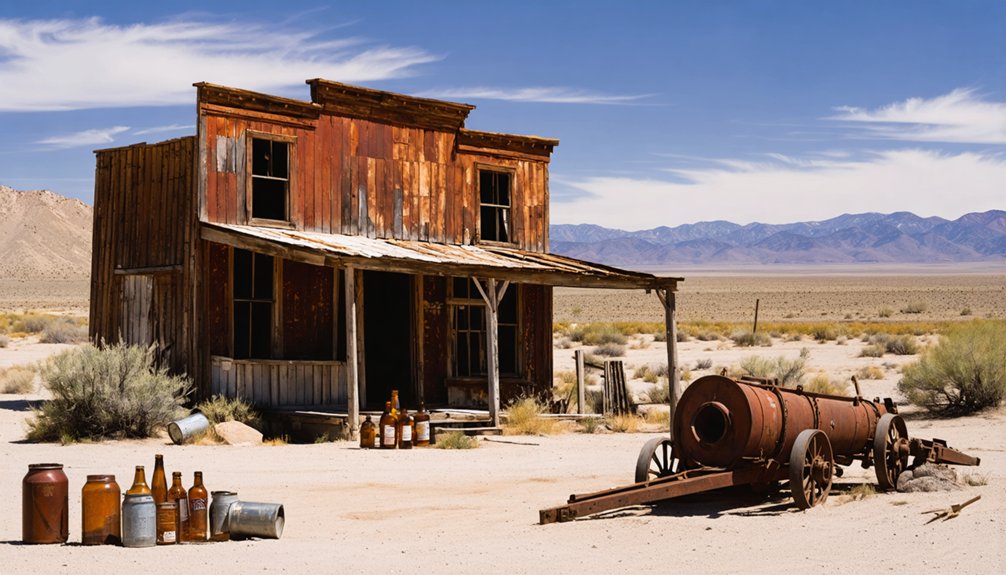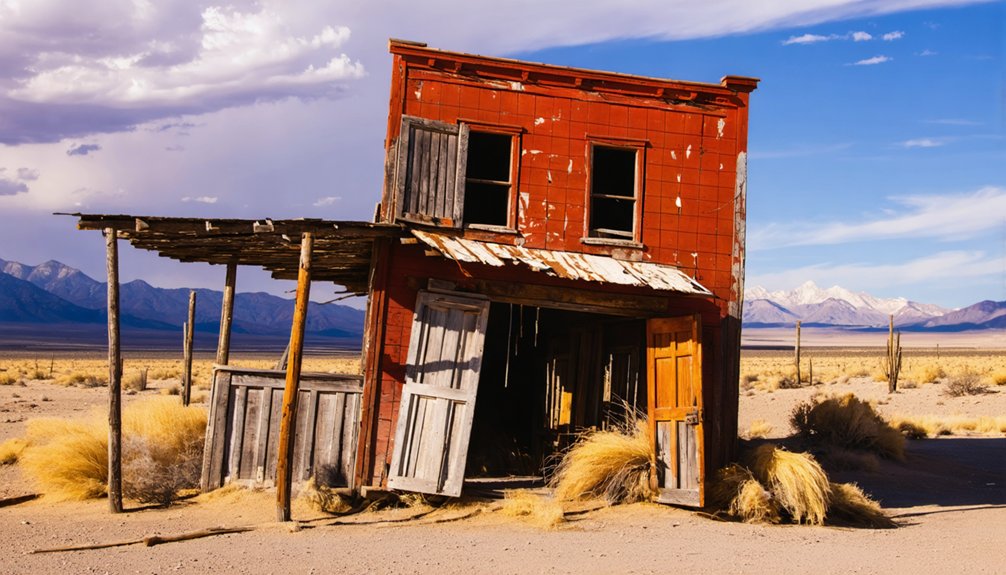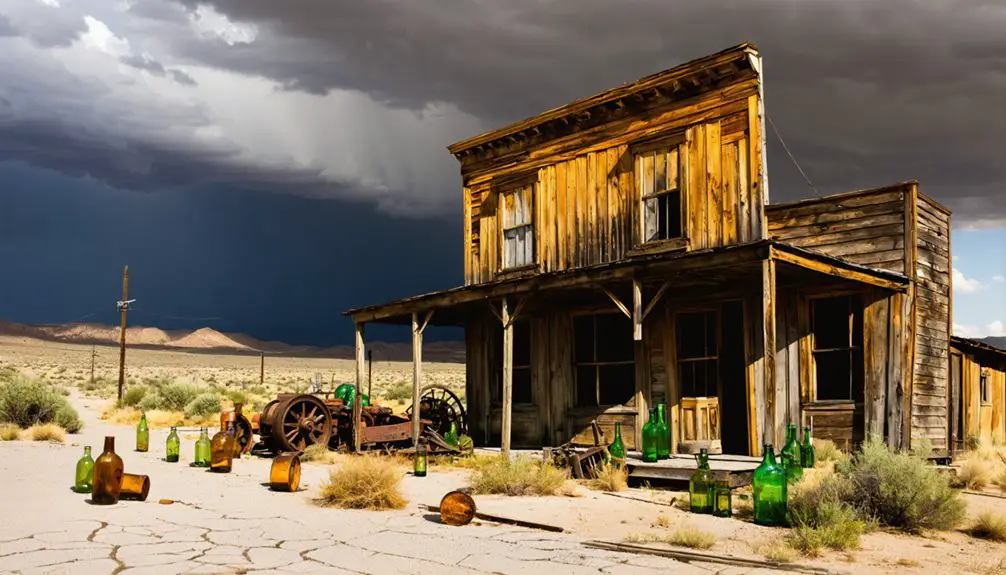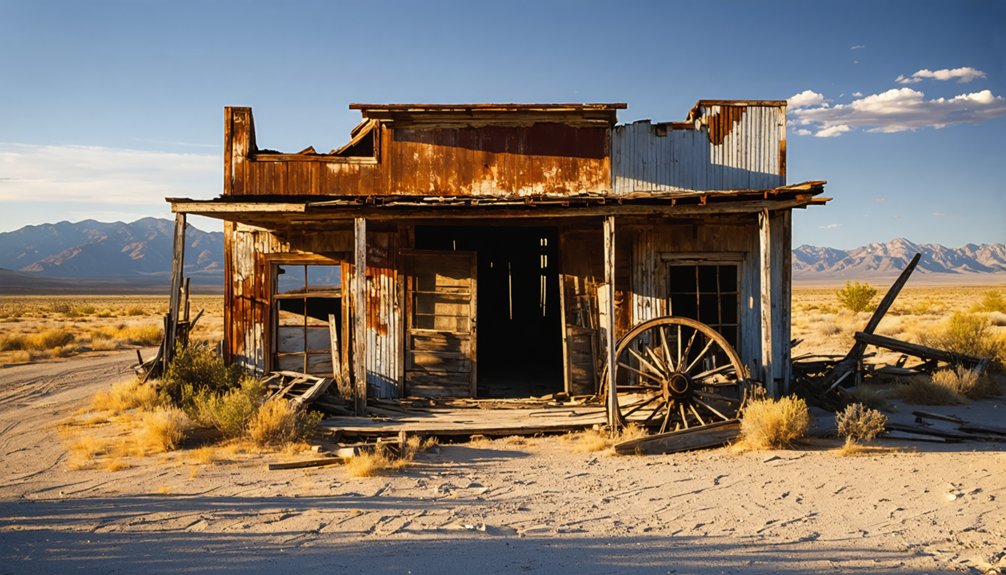
Planning a ghost town road trip to Millers, Nevada means stepping into a place where history still echoes across the desert. Once a booming railroad hub established in 1904, this quiet stretch of Nevada held 274 residents, stamp mills, and steam-powered ambition. Today, Nevada State Historic Marker No. 101 marks what remains. Visit in spring or fall for the best conditions. Stick around — there’s much more to uncover about this forgotten corner of the Silver State.
Key Takeaways
- Millers, Nevada, established in 1904, is a historic ghost town marked by Nevada State Historic Marker No. 101, offering an authentic desert experience.
- Visit in spring or fall for mild temperatures; avoid summer heat in July and August and watch for icy winter roads.
- Pack essentials including water, sun protection, sturdy boots, detailed maps, and light layers for fluctuating desert temperatures throughout the day.
- Respect ghost town etiquette by leaving all artifacts undisturbed and bring a camera to document scattered structural remnants.
- The site offers no commercial attractions, providing a quiet, reflective experience with scenic desert views and minimal amenities.
How Millers Went From Railroad Hub to a Nevada Ghost Town
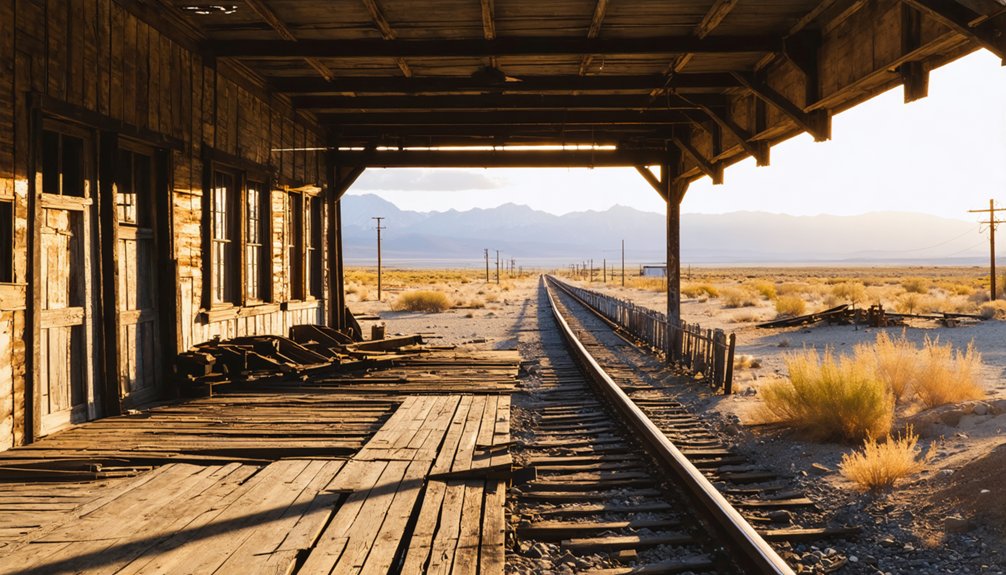
When the Tonopah and Goldfield Railroad laid its tracks through the Nevada desert in 1904, Millers transformed almost overnight from a dusty waystation into a bustling railroad hub.
Its railroad significance became undeniable as roundhouses, turntables, and repair shops rose from the desert floor.
Mining expansion followed swiftly — massive stamp mills thundered day and night, processing ore from Tonopah’s silver-rich veins.
What’s Left to See at Millers Ghost Town Today?
When you pull off the highway at Millers today, Nevada State Historic Marker No. 101 greets you as the site’s quiet sentinel, anchoring the memory of a town that once buzzed with stamp mills and railroad ambition.
You’ll spot scattered remnants of structures rising from the desert floor, their weathered bones hinting at the 274 souls who once called this flat, sun-baked ground home.
The rest area here offers a rare pause on your road trip, a place to stand still and imagine the roar of the 100-stamp cyanide mill that’s now nothing but silence and dust.
Nevada Historic Marker Site
Though Millers won’t dazzle you with towering ruins or dramatic remnants, it’s earned its place on the map as Nevada State Historic Marker No. 101, a quiet but official nod to the boomtown that once hummed with stamp mills, railroad shops, and the ambitions of an entire mining era.
That marker carries real historic significance — it tells you this ground mattered, that real people carved a community from Nevada’s desert flats and bet everything on silver and steel.
Pull over, read the marker, and let the silence do the rest. Millers’ mining heritage doesn’t announce itself loudly anymore, but standing where those mills once thundered and trains once turned, you’ll feel the weight of everything this place built — and everything it lost.
Visible Town Remnants
Millers doesn’t hand you much to look at — and that restraint is part of its honesty.
What remains are scattered abandoned structures, sun-bleached and slowly reclaimed by the high desert. You’ll find the rest area visible from the roadside, a quiet anchor in an otherwise open landscape.
Historical artifacts don’t announce themselves here — you have to look slowly, deliberately, the way this terrain demands. The stamp mill foundations have largely dissolved into earth, and the roundhouse exists mostly in old photographs now.
But standing where 274 people once built lives around railroad rhythms, you feel something real. No gift shop, no guardrails, no curated experience — just wind, silence, and the unfiltered weight of a place that boomed, faded, and stayed honest about both.
Rest Area Features
A rest area marks the most defined point of presence at Millers today — a small, functional remnant that the state of Nevada has preserved where a railroad boomtown once hummed with ore shipments and shift changes.
The rest area amenities are minimal but purposeful: a place to stop, breathe, and take in the flat, open basin stretching toward Tonopah’s distant ridgeline.
The scenic views here carry real weight — you’re standing where 274 people once lived, where stamp mills thundered and railroad crews clocked in.
Nevada State Historic Marker No. 101 anchors the site, giving you context without crowding the silence.
Pull over, read the marker, look west, and let the desert speak. That’s the whole experience — and it’s enough.
How to Get to Millers From Tonopah
Getting to Millers from Tonopah takes only 10 miles, but those miles carry the weight of a century’s worth of railroads, mining dreams, and desert silence.
Head west along US-95, one of Nevada’s most rewarding scenic routes, where the flat terrain opens wide and the sky stretches endlessly. You’ll reach the site quickly, but don’t rush it.
Watch for Nevada State Historic Marker No. 101, one of the region’s quiet historical landmarks that anchors the ghost town‘s forgotten story to the present landscape.
The same flat ground that made Millers perfect for railroad facilities now makes it easy to approach and explore freely.
Pull off, breathe the dry air, and let the desert tell you what progress once looked like out here.
Best Time of Year to Visit Millers Ghost Town
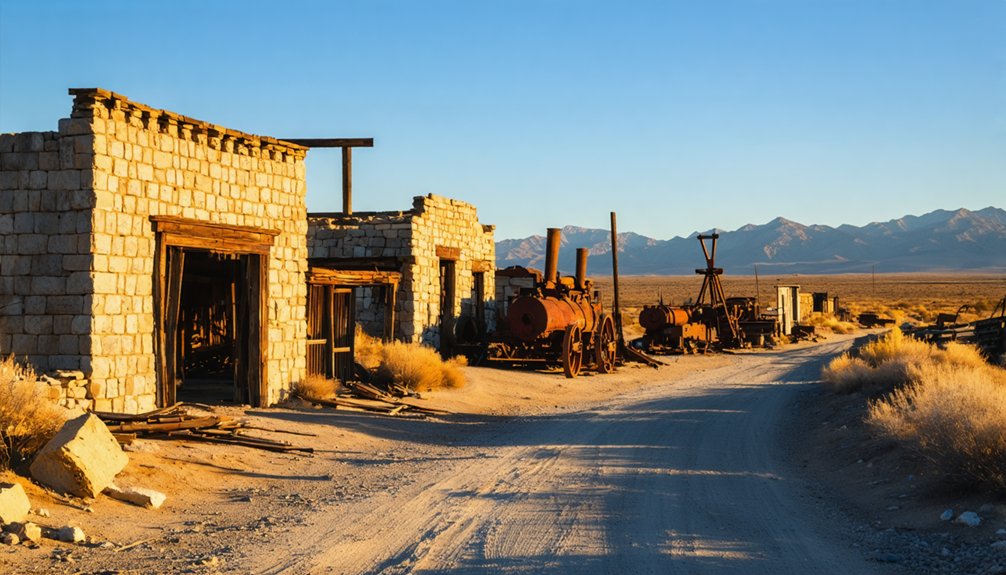
Timing your visit to Millers ghost town can make the difference between a memorable desert experience and a genuinely punishing one.
Spring and fall offer the sweetest windows — temperatures stay mild, the Esmeralda County light turns golden, and the silence feels earned rather than oppressive. March through May brings wildflowers dusting the flats where railroad workers once walked.
Spring and fall sweeten the visit — golden light, mild temperatures, and wildflowers where railroad workers once walked.
October delivers crisp air and long shadows across the mill remnants.
Summer’s brutal heat turns the exposed site into an oven, so if freedom means comfort, avoid July and August entirely.
Winter visits carry their own rewards — stark, quiet, almost haunted — but icy roads near Tonopah demand caution.
These seasonal attractions shift the ghost town’s mood dramatically. Among essential travel tips: carry water, arrive early, and let the desert breathe on its own terms.
What to Pack for a Millers Ghost Town Visit
Packing for Millers means thinking like the railroad workers who once sweated through these same Esmeralda County flats — practically, purposefully, without illusion.
Your packing essentials should include water (more than you think), sun protection, sturdy boots, and a detailed map since cell signals vanish where the Tonopah and Goldfield Railroad once hummed.
Don’t forget your camera; remnants here deserve documentation. Ghost town etiquette demands you leave everything exactly as you find it — resist pocketing artifacts that belonged to Charles Miller’s railroad era.
The desert reclaims its own, and you’re a witness, not a collector.
Pack light layers for shifting temperatures between morning coolness and afternoon heat. Bring curiosity and restraint in equal measure — that’s the only currency Millers still accepts.
Nearby Ghost Towns and Stops to Pair With Millers
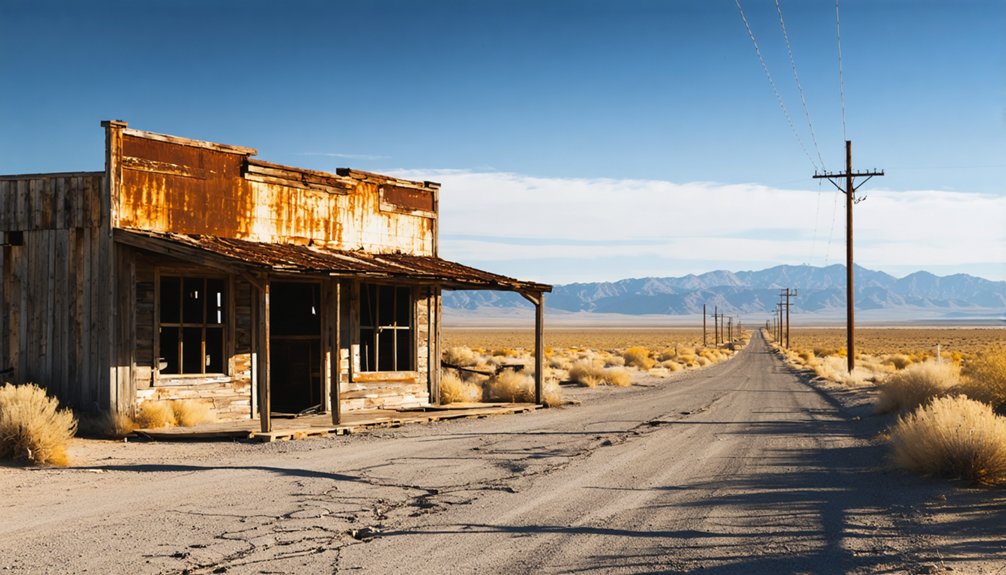
Millers doesn’t have to stand alone on your itinerary — the surrounding Esmeralda County desert hides enough ghost town bones to fill a full day’s drive.
Push west toward Mina, a diminished railroad stop still carrying echoes of its boomtown swagger. Head further and you’ll find abandoned structures half-swallowed by alkali flats, each one threading into local legends about fortunes chased and lost across Nevada’s unforgiving basin.
Mina’s railroad bones and alkali flats whisper of fortunes chased across Nevada’s merciless desert floor.
Goldfield sits to the south, its crumbling courthouse and empty storefronts demanding your attention.
Tonopah, just ten miles east of Millers, anchors the whole region with its mining history and surprisingly good pit stops.
String these together on a single route, and you’ll feel the full weight of what this desert built — and eventually buried.
Frequently Asked Questions
Is There an Entrance Fee to Visit Millers Ghost Town?
You don’t need to pay any entrance requirements to explore Millers’ ghost town history. You’re free to wander its haunting remnants, where Nevada State Historic Marker No. 101 quietly honors this once-thriving railroad boomtown’s forgotten soul.
Are Pets Allowed When Visiting Millers Ghost Town?
Want to explore with your furry companion? There’s no official pet friendly policies restricting visits, so you’re free to enjoy dog hiking through Millers’ haunting, windswept remnants, where history whispers across Nevada’s wide-open, untamed desert landscape.
Can You Camp Overnight at the Millers Ghost Town Site?
There’s no confirmed camping regulations or ghost town amenities supporting overnight stays at Millers. You’d be sleeping among silent, abandoned echoes of 1910’s bustling railroad hub, so check with Esmeralda County authorities before pitching your tent freely.
Is the Millers Ghost Town Site Accessible for Wheelchair Users?
The ghost town features limited wheelchair accessibility — you’ll find flat, open terrain that’s inviting, but uneven ground and scattered remnants may challenge navigation. Embrace the nostalgic freedom of Millers, Nevada, though you’ll want sturdy wheels!
Are Guided Tours Available at Millers Ghost Town in Nevada?
Like a forgotten dream, Millers offers no official guided exploration. You’re free to uncover its ghost town history solo, wandering remnants at your own pace, letting Nevada’s open desert whisper its nostalgic secrets directly to you.
References
- https://commons.wikimedia.org/wiki/File:Millers_Rest_Area.jpg
- https://en.wikipedia.org/wiki/Millers
- https://nvtami.com/2022/07/16/to-tonopah-beyond/
- https://www.nvexpeditions.com/esmeralda/millers.php
- https://www.destination4x4.com/millers-nevada-state-historic-marker-101/
- https://forgottennevada.org/sites/millers.html