If you’re searching for “Monterio, California,” you’re likely looking for Monterey, your gateway to four extraordinary ghost towns frozen in time. From Bodie’s 200 weathered buildings to Ballarat’s crumbling desert ruins near Death Valley, you’ll need the right season, vehicle, and route strategy to pull this off safely. Spring and fall offer the best conditions, and CA-395 connects it all. Everything you need to plan this trip is just ahead.
Key Takeaways
- Monterio likely refers to Monterey, California, a coastal city providing access to ghost towns like Bodie, Cerro Gordo, Randsburg, and Ballarat.
- Visit during spring or fall for mild temperatures between 15–25°C, avoiding summer heat exceeding 40°C near Death Valley sites.
- The full road trip covers roughly 1,100 miles with 18–20 hours of driving; overnight stays in Lone Pine are recommended.
- Budget approximately $33 for entry fees; obtain BLM permits at least 72 hours in advance via blm.gov/permit for restricted zones.
- Bring a high-clearance 4WD vehicle, four gallons of extra water, a recovery kit, and paper maps for remote areas.
What Is Monterio, California: and Where Are the Real Ghost Towns?
While “Monterio, California” doesn’t appear in any U.S. geographic database, it’s almost certainly a misspelling of Monterey, the historic coastal city on California’s central coast. From Monterey, you’ll access some of California’s most remarkable ghost towns, each offering raw historical preservation and genuine freedom to explore on your own terms.
Think crumbling mining structures, windswept desert landscapes, and unexpected wildlife encounters along remote highways. Bodie State Historic Park sits just 110 miles east, preserving 200+ weathered buildings in authentic “arrested decay.” Cerro Gordo and Ballarat extend further southeast, deep into Death Valley’s dramatic edge.
These aren’t tourist-polished destinations — they’re real, largely untouched remnants of California’s 19th-century boom-and-bust mining era, waiting for travelers bold enough to seek them out.
The Best Ghost Towns Near Monterey Worth the Drive
Each ghost town near Monterey earns its place on this route through sheer historical weight and visual drama. Bodie, 110 miles east, delivers 200+ buildings frozen in arrested decay since 1892 — preservation techniques here prioritize authentic deterioration over restoration, keeping its urban legends alive in every warped floorboard and rusted hinge.
Bodie’s 200+ buildings don’t just stand — they surrender slowly, letting decay become the preservation.
Cerro Gordo, 180 miles southeast, pulls you into California’s most remote mining atmosphere. Its rebuilt American Hotel stands as proof that committed stewardship outlasts even fire.
Randsburg, 170 miles out, functions as a living ghost town with original 1890s boardwalks still underfoot.
Ballarat edges Death Valley’s rim, offering raw, unfiltered abandonment across 15 crumbling structures. Each stop rewards curiosity, hands you real history, and confirms that California’s boom-and-bust past never fully disappeared.
When to Visit Bodie, Cerro Gordo, and Ballarat
Timing your visit to Bodie, Cerro Gordo, and Ballarat makes a significant difference in what you’ll actually experience on the road. Spring (March–May) and fall (September–November) offer the most reliable access, with mild temperatures between 15–25°C that keep desert hiking and site exploration comfortable.
Summer heat regularly surpasses 40°C in Ballarat and Death Valley’s edge, while winter snow can block Bodie’s roads entirely. So you’ll want to check road conditions at dot.ca.gov before committing to either extreme season.
Best Seasonal Visit Windows
Choosing the right season can make or break your ghost town adventure at Bodie, Cerro Gordo, and Ballarat. Spring (March–May) and fall (September–November) deliver the sweet spot — mild temperatures between 15–25°C let you explore urban decay without battling brutal conditions.
Summer pushes desert temperatures past 40°C at Ballarat and Cerro Gordo, turning midday visits dangerous. You’ll want to avoid that window entirely.
Winter brings snow that can completely block Bodie’s access roads, compounding existing preservation challenges by restricting maintenance crews and visitors alike. Always check road closures at dot.ca.gov before heading out.
April adds a bonus — wildflowers bloom along CA-395, making the drive itself worth photographing.
Pack layers regardless of season; desert temperatures swing dramatically between dawn and dusk.
Weather and Access Conditions
Weather and road conditions vary dramatically across Bodie, Cerro Gordo, and Ballarat, so you’ll need to plan each stop with its own climate quirks in mind.
Winter snow can shut down Bodie’s access roads entirely, threatening your chances of witnessing its remarkable historical preservation up close. Bring a 4WD vehicle and verify closures at dot.ca.gov before heading out.
Cerro Gordo’s elevation creates unpredictable wind and cold snaps even in spring, so layer up.
Ballarat sits near Death Valley’s edge, where summer temperatures blast past 40°C — visit at dawn to catch the most dramatic scenic viewpoints without risking heat exhaustion.
Fall and spring remain your safest bets across all three sites, delivering mild temperatures and passable roads that keep exploration genuinely rewarding.
Permits and Entry Fees for California Ghost Towns
Before you hit the road, you’ll need to sort out permits and fees to avoid any costly surprises at the gate.
If your route passes through Clear Creek or other BLM-managed zones near the ghost towns, you’ll need to secure a Bureau of Land Management permit at least 72 hours in advance through blm.gov/permit portal.
Paid entry sites like Calico Regional Park charge $15 per vehicle, while Malakoff Diggins State Historic Park carries an $8 parking fee.
Bodie adds another $10 per vehicle to your trip budget.
BLM Permit Requirements
Planning a ghost town road trip through California’s remote corridors means you’ll need to sort out permits and entry fees well ahead of your departure date. BLM permits are required for Clear Creek serpentine ACEC zones, directly supporting historical preservation and maintaining visitor amenities throughout these fragile sites.
Secure your access early by following these steps:
- Visit blm.gov/permit portal to request gate codes at least 72 hours before departure.
- Confirm which restricted zones require BLM clearance along your specific route.
- Download digital copies of your permits for offline access in remote areas.
- Contact local BLM field offices to verify any last-minute access changes.
Without these permits, you’ll find yourself locked out of California’s most atmospheric and unrestricted desert destinations.
Paid Entry Sites
Beyond BLM permits, several California ghost towns charge direct entry fees that you’ll want to budget for before hitting the road. Calico Regional Park costs $15 per vehicle, funding both historical preservation and visitor safety infrastructure across its weathered grounds.
Malakoff Diggins State Historic Park charges an $8 parking fee, keeping North Bloomfield’s hydraulic mining ruins accessible and maintained without requiring additional permits.
Bodie State Historic Park runs $10 per vehicle, directly supporting the arrested decay preservation method that keeps its 200+ buildings authentically frozen in time.
These fees aren’t bureaucratic obstacles — they’re what keeps these remarkable sites open and structurally sound for your exploration. Carry cash since remote locations rarely offer card payment options at entry points.
Parking Fee Breakdown
Understanding the parking fee structure across California’s ghost towns helps you allocate your travel budget efficiently before departure.
Each site charges differently based on historical preservation efforts and available visitor amenities.
Here’s what you’ll pay:
- Bodie State Historic Park – $10 per vehicle; fees directly fund ongoing historical preservation and visitor amenities.
- Calico Regional Park – $15 per vehicle; supports maintained facilities and interpretive programs.
- Malakoff Diggins State Historic Park – $8 per vehicle; covers parking infrastructure and trail upkeep.
- Cerro Gordo and Ballarat – Free entry; no formal visitor amenities on-site.
You’ll want cash on hand since remote locations rarely accept cards.
Budget roughly $33 total across paid stops, keeping your road trip financially manageable without sacrificing access to California’s most compelling ghost town destinations.
How to Route Your Trip Along Highway 395
Highway 395 is your backbone for this ghost town road trip, stretching 220 miles through some of California’s most dramatic high desert scenery. Starting from Monterey, head southeast on CA-101, then connect to CA-395 heading toward Bodie and Cerro Gordo.
Your first major stop is Bodie, roughly 110 miles east, where urban legends and ghost town myths blend seamlessly with real history. Continue south along 395 to Randsburg, then push deeper into the desert toward Ballarat and Cerro Gordo.
Fuel up in Lone Pine before entering remote zones since stations become scarce quickly. Plan overnight stays in Lone Pine or Randsburg to break up the 18–20 hours of total driving across this roughly 1,100-mile freedom-fueled adventure.
What Bodie, Cerro Gordo, and Ballarat Actually Look Like
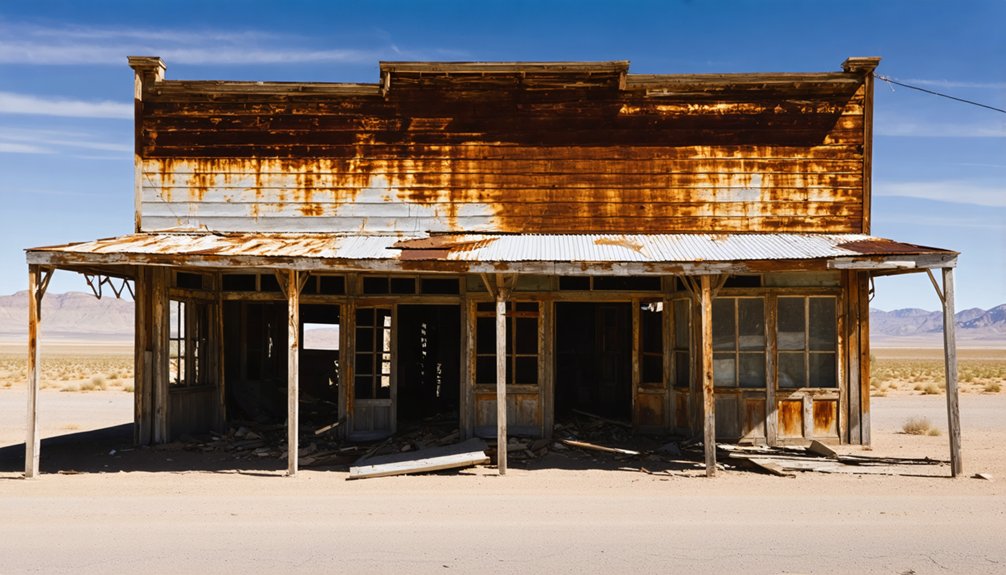
Once you’ve mapped your route along Highway 395, the real question becomes what you’ll actually encounter when you pull off the highway and step into these places.
Each site delivers raw, unfiltered ghost town architecture that no museum can replicate:
Each ghost town delivers raw, unfiltered history that no museum, recreation, or guided tour could ever replicate.
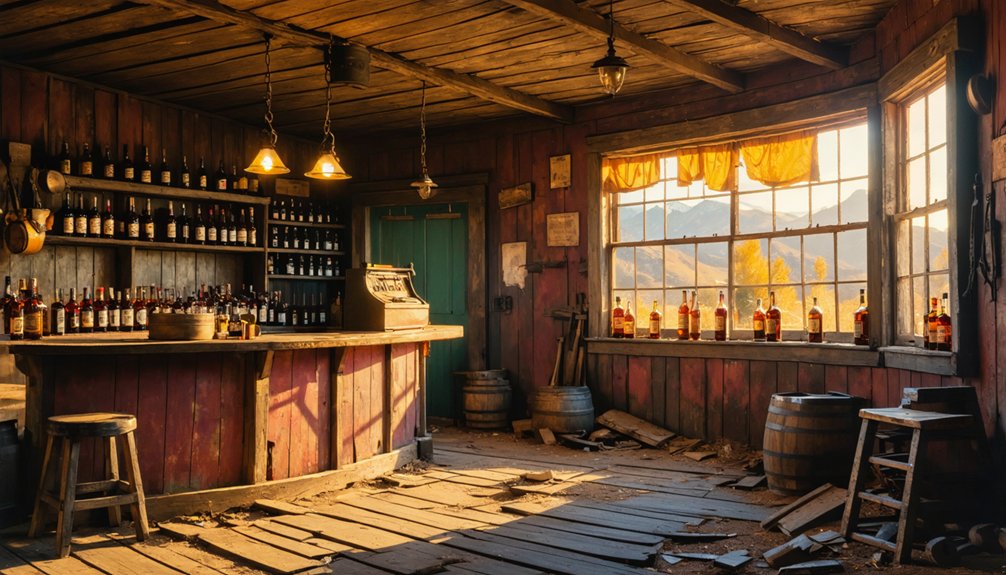
- Bodie — 200+ weathered structures frozen in arrested decay since 1892, including a general store, hotel, and mine ruins.
- Cerro Gordo — Remote hillside buildings facing constant preservation challenges from isolation and harsh desert exposure.
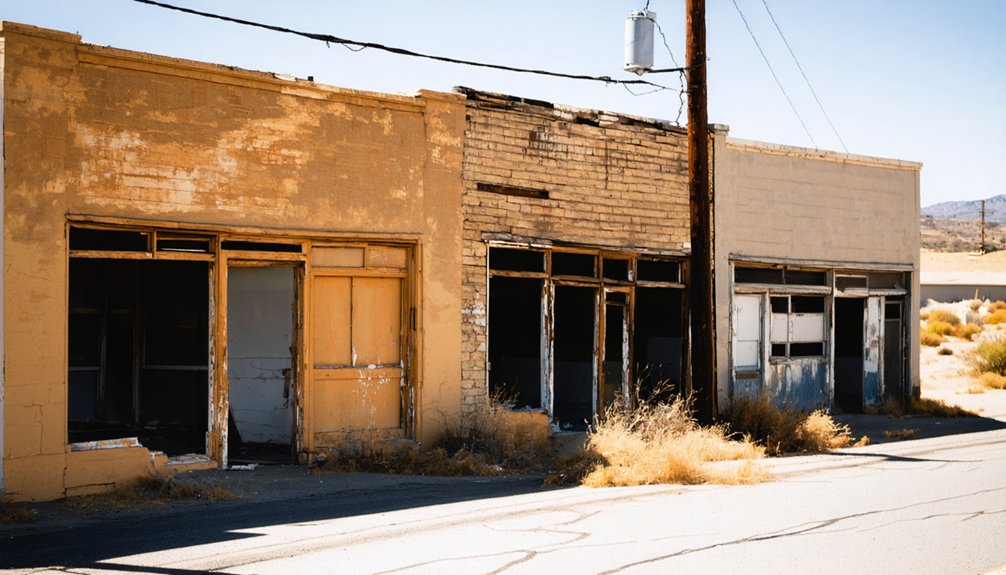
- Ballarat — Fifteen crumbling structures at Death Valley’s edge, completely unguarded and open to explore freely.
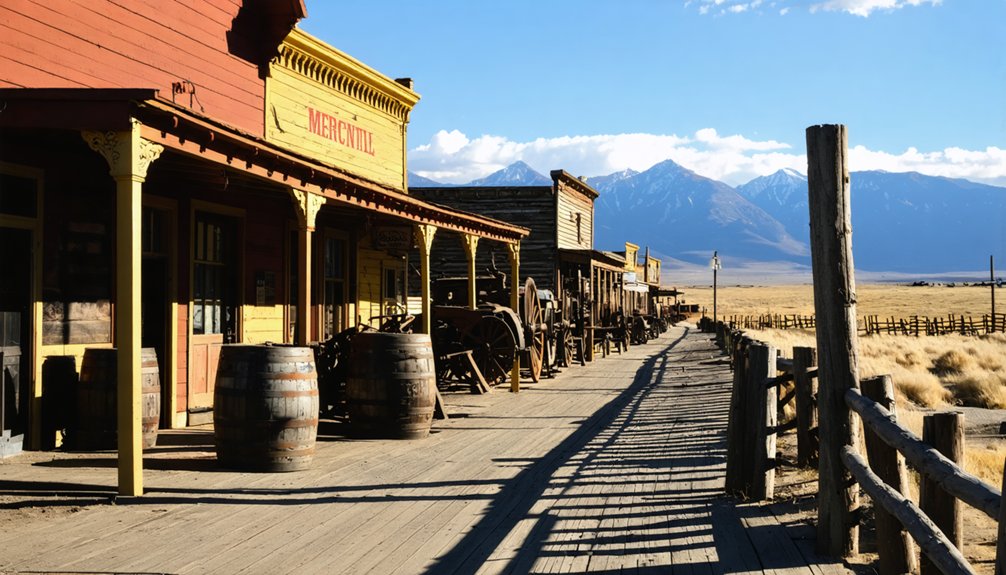
- Randsburg — Original 1890s wooden boardwalks still intact, earning its “Living Ghost Town” classification.
You’re walking through actual history here — no ropes, no recreations, just decades of silence embedded in deteriorating wood and rusted iron.
How to Prepare Your Vehicle for Ghost Town Desert Roads
Getting your vehicle road-ready before tackling these routes isn’t optional — it’s what separates a memorable trip from a stranded nightmare on a remote desert highway. Desert roads leading to historical preservation sites like Cerro Gordo and Ballarat punish unprepared vehicles relentlessly.
Before departing Monterey, check your tire pressure, coolant levels, and spare tire condition. Carry at least four gallons of extra water — both for your radiator and yourself.
A high-clearance 4WD handles washboard dirt roads markedly better than standard sedans.
Wildlife encounters are real out here; hitting a desert tortoise or coyote at dusk can disable your vehicle miles from cell service. Pack a basic recovery kit: tow strap, jumper cables, and a paper map. Don’t rely solely on GPS signals in these remote corridors.
Where to Sleep, Eat, and Fuel on the Monterey Ghost Town Route
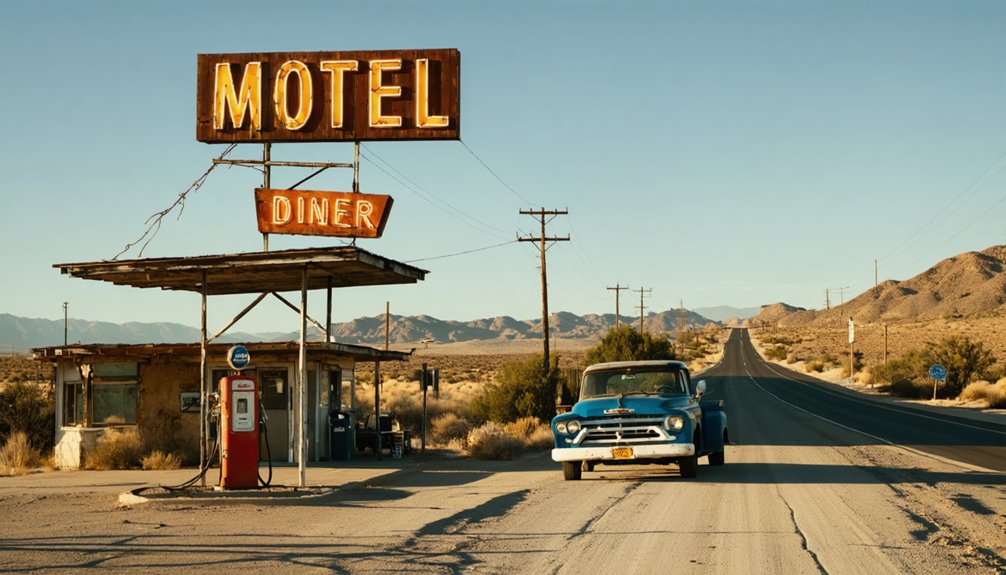
Fueling up, finding a bed, and tracking down a decent meal takes real planning when you’re threading through California’s remote ghost town corridor — because convenience stores and roadside motels don’t exactly cluster around abandoned mining settlements.
Fuel, food, and a bed don’t find themselves in ghost town country — you hunt them down deliberately.
Lone Pine serves as your essential base camp, offering motels, restaurants, and full fuel stations before you push deeper into historical preservation territory.
Prioritize these four logistical stops:
- Lone Pine – overnight accommodations, groceries, and reliable fuel
- Randsburg – authentic diner culture steeped in local legends and 1890s character
- Trona – last fuel opportunity before entering Panamint Valley
- Keeler – small supply stop near Cerro Gordo’s remote access road
Cache extra water, pre-book Lone Pine lodging during spring wildflower season, and never assume the next town delivers what you need.
Toxic Shafts, Collapsing Floors, and Other Hazards at Abandoned Mines
Rusted machinery looks photogenic but has razor-sharp edges. Tunnel interiors hold oxygen-depleted air that’ll drop you unconscious within seconds.
Stay behind posted barriers; they exist to protect both you and ongoing historical preservation efforts.
Photograph everything. Touch nothing.
The freedom to explore these sites depends entirely on your responsible behavior within them.
Frequently Asked Questions
Can Children Safely Explore California Ghost Towns Like Bodie and Cerro Gordo?
Yes, your children can safely explore Bodie and Cerro Gordo by following child safety and exploration guidelines: stay on marked paths, avoid unstable structures, carry water, and supervise kids closely throughout your adventurous family journey!
Are Drones or Photography Equipment Permitted at California’s Protected Ghost Town Sites?
You’ll need to check site-specific drone regulations and photography permits before capturing footage. Bodie restricts commercial drone use, while personal photography’s generally welcome. Always confirm current rules with park rangers to protect your creative freedom.
What Wildlife or Animals Might Visitors Encounter Along the Highway 395 Ghost Town Route?
Along Highway 395, you’ll experience thrilling wildlife encounters and diverse animal sightings! Watch for mule deer, pronghorn, golden eagles, coyotes, and jackrabbits roaming freely across the high desert landscape, making your ghost town adventure even more unforgettable.
Do Any California Ghost Towns Offer Guided Tours Led by Professional Historians?
Yes, you’ll find guided tours led by professional historians at Bodie State Historic Park, where experts bring the gold rush era vividly to life, revealing fascinating stories behind the town’s remarkably preserved, weathered buildings.
Is Cell Phone Service or Emergency Communication Available Near Remote Ghost Town Locations?
Sparse signals strain your connection in remote ghost towns. Cell service drops drastically near Bodie and Ballarat, so you’ll need satellite devices for emergency communication. Carry a personal locator beacon — freedom demands preparation!
References
- https://www.youtube.com/watch?v=zrsPqEzQhpc
- https://www.visitcalifornia.com/road-trips/ghost-towns/
- https://www.youtube.com/watch?v=FEiWdlOSoiw
- https://www.youtube.com/watch?v=bof74XQmKx4
- https://www.visitcalifornia.com/kr/road-trips/goseuteu-taun/
- https://www.visitcalifornia.com/now/california-ghost-towns-road-trip/
- https://gohlingyong.com/blog/top-14-ghost-town-road-trip-routes-to-try-for-exploring-americas-forgotten-west-this-year
- https://myfamilytravels.com/explore-californias-forgotten-towns-with-these-eerie-road-adventures/
- https://viaboo.com/roadtrips/North_America/USA/West_USA/California/Ghost_Towns
- https://decorhint.com/spooky-road-trips-through-californias-deserted/