To plan your ghost town road trip to Harper, Utah, fuel up in Wellington and head 30 miles north on Soldier Creek Road into Ninemile Canyon. You’ll discover weathered cabins, crumbling corrals, and wagon grease signatures etched into canyon cliffs — all remnants of an 1886 stagecoach stop frozen in time. Visit in spring or fall for the best conditions, and always check BLM road conditions beforehand. There’s far more to this canyon than you’d expect.
Key Takeaways
- Harper Ghost Town, founded in 1886, sits 30 miles north of Highway 6/191 within Utah’s scenic Ninemile Canyon.
- Fuel up in Wellington before departing, and always check BLM road conditions prior to your trip.
- Visit during spring or fall for mild weather, wildflower blooms, or golden cottonwood foliage.
- Most ruins are on private property, so admire weathered cabins, corrals, and stone foundations from the road.
- Extend your trip by exploring Nine Mile Canyon’s 78-mile stretch of petroglyphs, wagon signatures, and frontier ruins.
What Makes Harper, Utah Worth the Drive
Tucked within the rugged terrain of Ninemile Canyon, Harper sits roughly 30 miles north of Highway 6/191, making it a rewarding detour for anyone chasing Utah’s forgotten history. Founded in 1886 as a stagecoach stop, the town carries real historical significance — it once served travelers traveling through this remote canyon route across the West.
Today, you’ll find weathered cabins, crumbling corrals, and stone foundations resting beneath towering cottonwood trees. Ancient wagon grease signatures still mark the canyon cliffs, connecting you directly to the people who passed through long before paved roads existed.
The setting delivers exceptional photographic opportunities, especially with canyon walls framing the ruins at golden hour. You’re not just visiting a ghost town — you’re stepping into a living snapshot of frontier life.
What You’ll Find at Harper Ghost Town
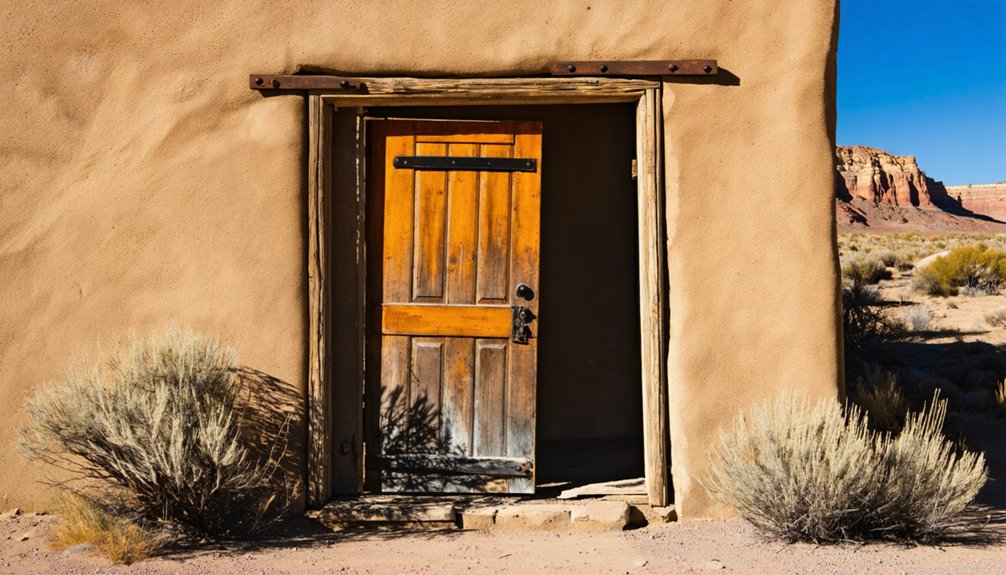
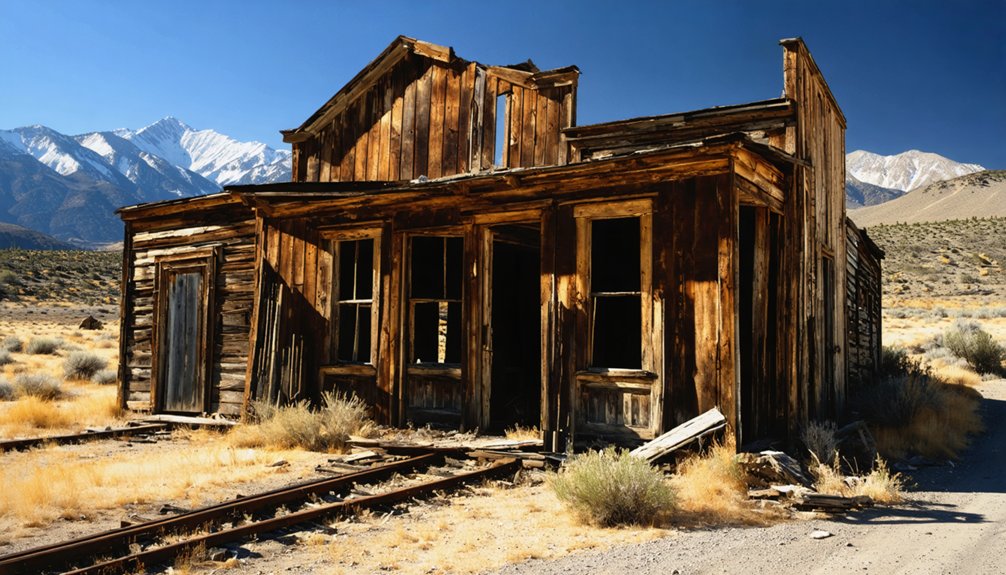
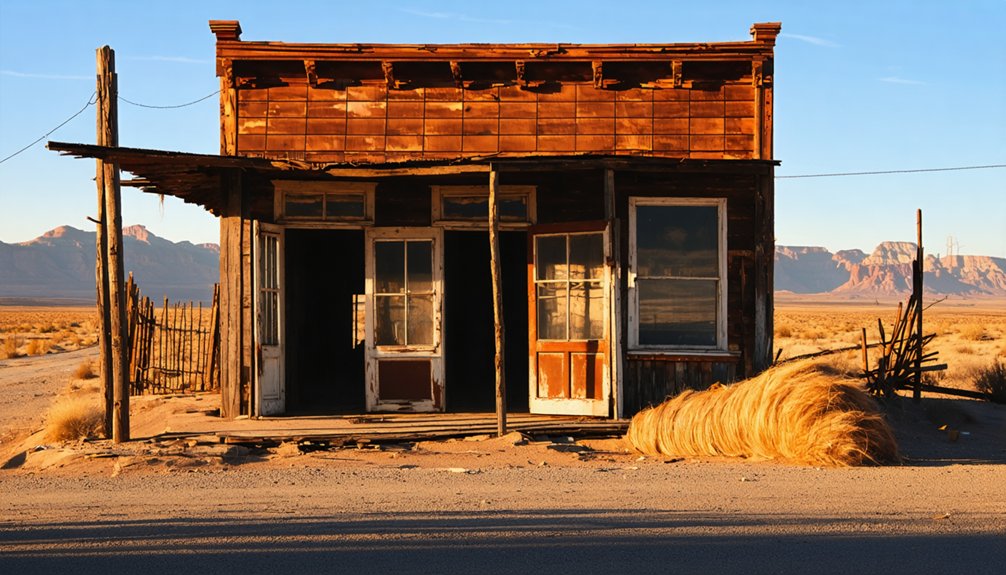
When you arrive at Harper, the first thing you’ll notice is how quietly the past lingers here. Scattered across the canyon floor, you’ll spot a few weathered cabins, crumbling corrals, and stone foundations — all historical artifacts from the original 1886 stagecoach stop.
Weathered cabins, crumbling corrals, and stone foundations — quiet remnants of an 1886 stagecoach stop frozen in time.
Ancient wagon grease signatures mark the nearby cliffs, left behind by travelers who passed through generations ago.
Most of the site sits on private property, so you’ll need to respect posted boundaries and view the remains from the road. Preservation efforts remain limited here, which means what you’re seeing is raw and unrestored — the real thing.
A grove of towering cottonwood trees frames the scene, giving Harper an atmosphere that feels less like a museum and more like a forgotten world waiting to be rediscovered.
How to Get to Harper Ghost Town
Getting to Harper is part of the adventure itself. You’ll head approximately 30 miles north of Highway 6/191 on Soldier Creek Road, traversing through the rugged landscape of Carbon and Duchesne counties.
The journey drops you into Ninemile Canyon, where local legends breathe life into every bend of the road.
Harper sits near the mouth of Argyle Canyon, tucked beside a grove of massive cottonwood trees that have stood as silent witnesses to its history.
The nearest town is Wellington, so fuel up before you head out.
Because Harper travels the Nine Mile Canyon Backcountry Byway, you’re riding through a corridor dedicated to historical preservation.
Check road conditions beforehand — flash floods from thunderstorms can strike fast, and this freedom-seeker’s route demands respect.
Petroglyphs, Ruins, and Canyon Views Along Nine Mile Canyon
Stretching 78 miles through dramatic canyon terrain, the Nine Mile Canyon Backcountry Byway delivers far more than a route to Harper — it’s an open-air museum managed by the BLM. As you roll through, you’ll encounter ancient symbols etched into cliffsides, crumbling ruins, and old buildings that whisper stories of frontier life.
Keep your eyes on the canyon walls — cliff signatures left by wagon travelers mark the rock faces like living history journals. Unusual iron telegraph poles line the route, adding an eerie industrial contrast to the raw landscape.
Spring and fall offer the best light and temperatures for exploring. Check BLM road conditions beforehand, since thunderstorms can trigger flash floods on the gravel road. This byway rewards curious travelers who embrace the open road.
When to Visit Harper and What the Road Conditions Are Like
Timing your visit to Harper can mean the difference between an unforgettable adventure and a frustrating detour. Seasonal weather patterns make spring and fall the clear winners for exploring this canyon ghost town.
Spring brings wildflower blooming across the canyon walls, mild temperatures, and that crisp sense of open-road freedom you’re chasing. Fall delivers golden cottonwood leaves and comfortable hiking conditions.
Avoid summer’s punishing heat and winter’s bitter cold, which can make the gravel road miserable. The BLM maintains the road year-round, but you’ll want to check current conditions before heading out.
Thunderstorms can trigger flash floods along the Nine Mile Canyon route with little warning, washing out sections quickly. Always verify road conditions on the BLM website before committing to the drive.
Frequently Asked Questions
Is Permission Required to Access Harper Ghost Town’s Private Structures?
Yes, you’ll need permission to access Harper’s private structures, as private property laws and visitor access regulations protect the site. You can still view the cabins, corrals, and foundations adventurously from the road without trespassing.
What Year Was Harper Established as a Stagecoach Town?
You’ll love knowing that Harper’s history dates back to 1886, when it was founded during the stagecoach era! This adventurous stop once welcomed weary travelers, and you can still feel that wild, free frontier spirit today.
What Counties in Utah Is Harper Ghost Town Located In?
You’ll find Harper Ghost Town straddling Carbon and Duchesne counties in Utah, where historical preservation meets local legends. It’s an adventurous destination that’s calling your free spirit to explore its untamed, canyon-carved mysteries!
What Is the Nearest Inhabited Town to Harper Ghost Town?
Wellington’s your nearest inhabited town when you’re exploring Harper’s ghost town history and local legends! You’ll find this adventurous destination waiting, steeped in Old West mystery, just a short drive from Wellington’s welcoming community.
What Unique Signatures Can Visitors Find on Harper’s Canyon Cliffs?
Like ancient scribes leaving their mark, you’ll discover historic wagon grease signatures etched onto Harper’s unique cliff formations. These aren’t ancient petroglyphs, but they’re equally mesmerizing — real pioneers signed these canyon walls, connecting you directly to Old West history.
References
- https://www.utahoutdooractivities.com/ninemileharper.html
- https://www.youtube.com/watch?v=P_Ep1sMRsE0
- https://en.wikipedia.org/wiki/Harper
- https://www.ghosttowns.com/states/ut/harper.html
- https://www.utah.com/things-to-do/attractions/old-west/ghost-towns-in-utah/
- https://www.onlyinyourstate.com/trip-ideas/utah/road-trip-ut-ghost-towns
- https://expeditionutah.com/forum/index.php?threads/ghost-town-tour-2020-trip-report.6936/
- https://en.wikipedia.org/wiki/List_of_ghost_towns_in_Utah
- https://www.youtube.com/watch?v=05MpUor2KC8
- https://www.onlyinyourstate.com/trip-ideas/utah/abandoned-places-road-trip-ut