You’ll find Mountain Mills hiding beneath the glassy surface of Harriman Reservoir in Wilmington, Vermont — a ghost town swallowed by rising waters back in 1924. What was once a bustling lumber village, complete with mills, a school, and a store, now rests silently on the reservoir floor. Late summer and early fall are your best bets for spotting submerged foundations and roadbeds. Stick around, and there’s so much more to uncover about this hauntingly beautiful destination.
Key Takeaways
- Mountain Mills, a 19th-century lumber village, was flooded in 1924 to create Harriman Reservoir, leaving submerged ruins visible during low-water seasons.
- Visit between late August and October for optimal visibility, when dropping water levels expose mill foundations, roadbeds, and slate remnants.
- Harriman Reservoir is located less than 10 minutes from downtown Wilmington, accessible via Route 9 and Haystack Road with available boat launches.
- No permanent facilities exist, so bring polarized sunglasses, life jackets, water shoes, a dry bag, sunscreen, water, and a reservoir map.
- Nearby attractions include Wilmington’s historic Main Street, locally owned shops, Haystack Mountain hiking trails, and seasonal Deerfield Valley farm stands.
What Is Mountain Mills, Vermont?
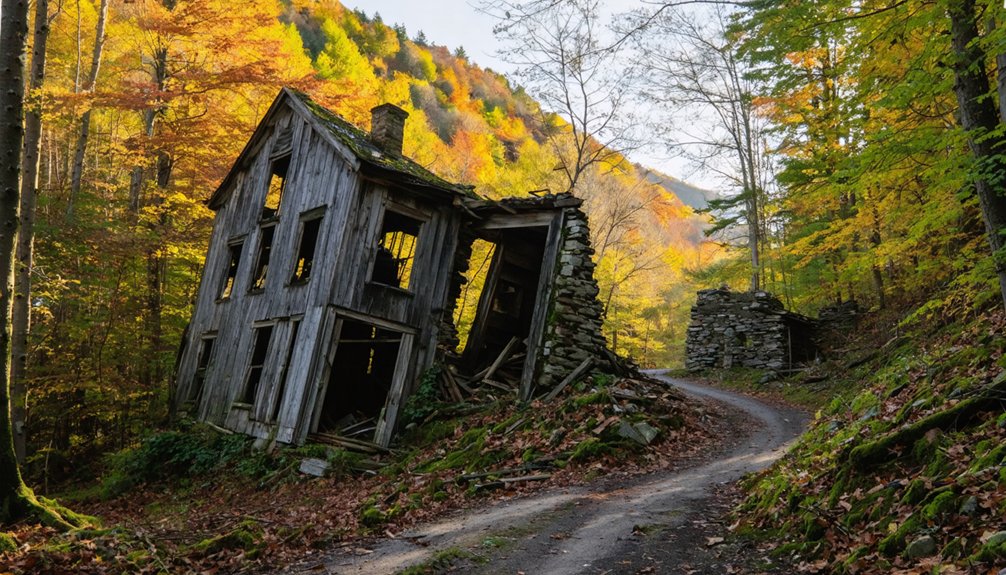
Once a thriving 19th-century lumber village, Mountain Mills was a tight-knit Vermont community that housed two operational mills, a school, a store, and even its own stretch of railroad track. Founded in the early 1820s, it grew quickly alongside Vermont’s booming timber industry, drawing workers and families who built real lives there.
Then came 1924. The New England Power Company flooded the entire settlement to create Harriman Reservoir, erasing Mountain Mills from the map forever.
But Mountain Mills history didn’t disappear — it sank. Today, submerged artifacts and stone foundations rest quietly beneath the reservoir’s surface, surfacing during low-water seasons for curious explorers to witness.
If you’re drawn to forgotten places and untold stories, this ghost town delivers something genuinely rare.
How Mountain Mills Ended Up Underwater
In 1922, the New England Power Company began constructing a series of dams near Wilmington, Vermont, sealing Mountain Mills’ fate as a living community.
By 1924, rising waters had swallowed the village whole, transforming its mills, schoolhouse, and storefronts into silent relics beneath what you now know as Harriman Reservoir.
It’s a sobering thought — an entire working community simply gone underwater in the name of regional progress.
New England Power Company
Progress has a way of swallowing entire communities whole, and Mountain Mills felt that truth firsthand in the early 1920s. The New England Power Company launched an ambitious hydroelectric history-making project between 1922 and 1923, constructing dams that permanently reshaped Vermont’s landscape.
This industrial transformation wasn’t subtle — it erased an entire living community to power a growing region. The company’s vision prioritized electricity generation over preserving what Mountain Mills had built across a century.
Workers, families, mills, schools, and stores all surrendered to rising waters by 1924. You’re now looking at Vermont’s largest fully contained body of water, Harriman Reservoir, where that village once stood.
TransCanada currently owns the reservoir, continuing the hydroelectric mission the New England Power Company originally established nearly a century ago.
Harriman Reservoir Formation
The moment the New England Power Company finished constructing its dams, Mountain Mills’ fate was sealed beneath what would become Harriman Reservoir, now the largest body of water contained entirely within Vermont.
Understanding Harriman history means confronting a sobering truth: progress demanded sacrifice. Between 1922 and 1923, rising waters swallowed the mills, school, store, and worker quarters that once defined this vibrant lumber community.
The reservoir impact permanently erased a functioning village from Vermont’s landscape, transforming it into a hydroelectric resource now operated by TransCanada.
Yet the water didn’t erase everything. During dry seasons, when reservoir levels drop, you’ll spot old foundations and roadbeds surfacing like whispers from the past, offering you a rare, unfiltered glimpse into the community that disappeared beneath these quiet waters.
Village Submerged In 1924
By 1924, Mountain Mills had ceased to exist as a living community, swallowed deliberately by rising waters that the New England Power Company engineered to power a growing region. Workers, families, and mill operators abandoned their homes, leaving behind a settlement that had thrived for over a century.
The flooding wasn’t accidental — it was calculated progress, trading one era’s industry for another’s energy demands.
What makes this site remarkable is its historical significance; you’re not visiting ruins forgotten by time but a community deliberately surrendered. The submerged architecture — foundations, roadbeds, mill structures — didn’t crumble through neglect.
It waited beneath the surface, preserved by cold reservoir waters. When you float above it today, you’re witnessing a town that didn’t die but was simply submerged.
What You Can Actually See at Mountain Mills Underwater
When water levels drop on Harriman Reservoir, you’ll catch glimpses of a world that’s been largely frozen in time since 1924. This ghost town rewards curious explorers willing to navigate the reservoir during dry seasons.
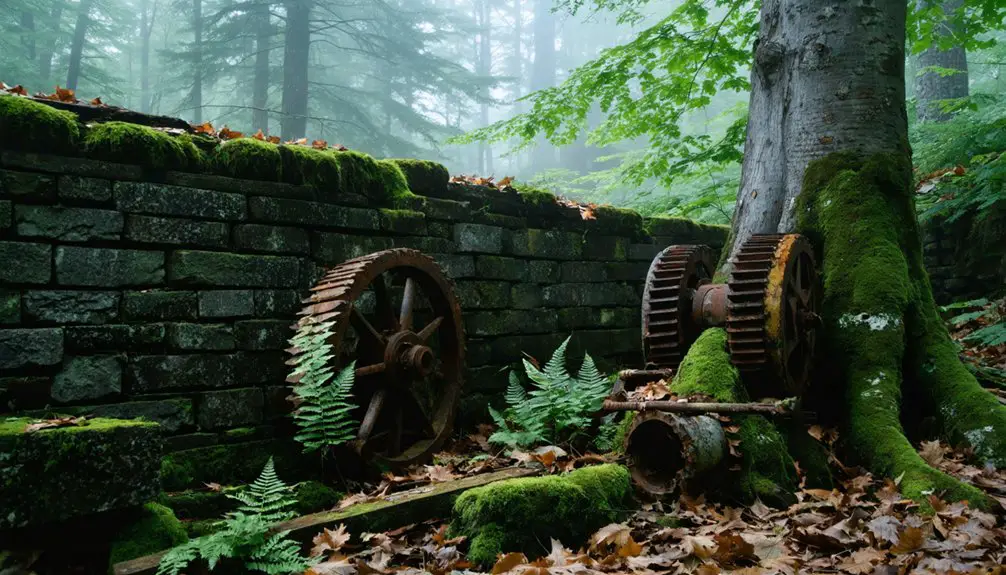
Underwater archaeology enthusiasts will spot old mill foundations, school remnants, and store structures rising through shallow water like forgotten monuments. Double stacks of slate and quarried stone mark where workers once lived and labored.
Roadbeds surface clearly, tracing paths that once connected Mountain Mills‘ bustling community. Boat tours offer the clearest vantage points, letting you piece together the village’s original layout from above.
You’re fundamentally reading history through stone and timber, discovering a lumber community’s final chapter written across a reservoir floor.
Are There Boat Tours to See the Submerged Village?
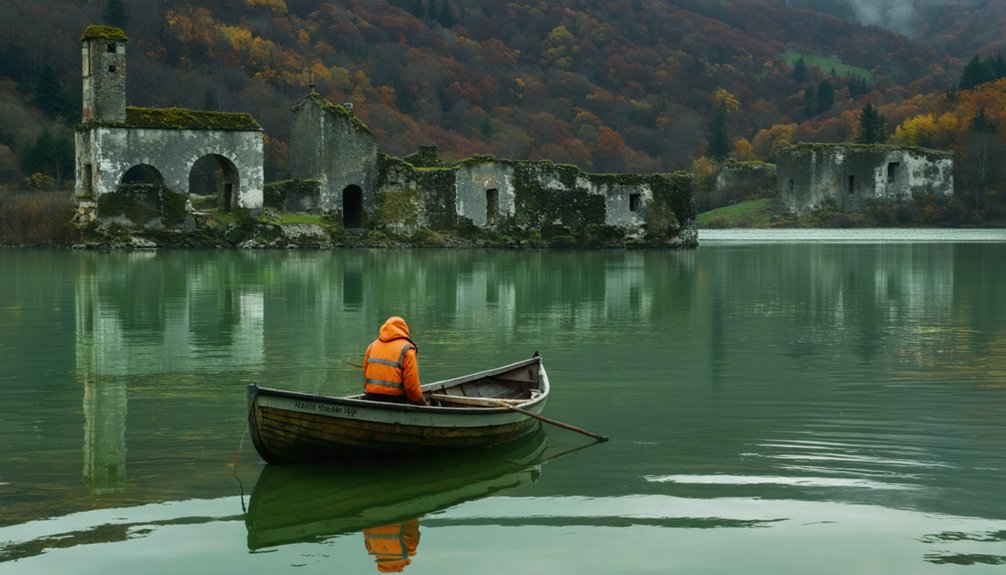
You can access the submerged remnants of Mountain Mills by boat, traversing the waters of Harriman Reservoir to spot the old foundations and roadbeds that once defined this bustling lumber village.
Guided tours are available during low-water seasons, when the reservoir’s receding waters reveal the skeletal remains of mills, schools, and worker quarters beneath the surface.
If you’re planning a visit, aim for late summer or early fall, when dry conditions pull the water levels down and give you the clearest view of Vermont’s submerged industrial past.
Tour Availability And Access
Exploring the ghostly remnants of Mountain Mills is most rewarding during dry seasons, when dropping water levels reveal the submerged foundations, roadbeds, and structural ruins of the former lumber village beneath Harriman Reservoir.
You’ll navigate local waterways freely, discovering the archaeological findings and historical significance of Vermont’s 19th-century industrial past firsthand.
- Boat tours operate during low-water seasons for ideal visibility
- Old mill foundations, school structures, and store remnants surface clearly
- Double-stacked slate and quarried materials confirm 19th-century construction methods
- Road remnants trace the original village layout beneath shallow waters
- No permanent facilities exist, so plan provisions and navigation independently
TransCanada owns the reservoir, keeping it accessible without commercial congestion — giving you an authentic, unhurried connection to Mountain Mills’ forgotten lumber heritage.
Best Viewing Seasons
Late summer and early fall offer the clearest windows into Mountain Mills‘ submerged past, as dropping water levels in Harriman Reservoir gradually expose the old foundations, roadbeds, and structural ruins of the former lumber village.
During these seasons, you’ll spot slate foundations, mill remnants, and worker quarters emerging from the shallows, making ghost town exploration genuinely rewarding. The cooler temperatures and quieter crowds give you room to navigate the reservoir at your own pace.
Vermont’s industrial heritage feels tangible when you’re drifting over a once-bustling 19th-century community.
Winter and spring typically keep these ruins buried under higher water levels, so timing your visit strategically matters. Plan around late August through October for your best opportunity to witness Mountain Mills’ haunting, half-revealed landscape.
When to Visit Harriman Reservoir for the Best Views
When you visit Harriman Reservoir matters as much as where you stand on its banks. Late summer and early fall deliver the lowest water levels, revealing foundations, roadbeds, and historical artifacts that stay hidden during wetter months.
- Late August through October exposes the most submerged structures
- Morning light creates the best photography spots along the eastern shoreline
- Dry years uncover deeper foundations rarely visible during average seasons
- Calm weekday mornings offer clearer water visibility without boat wake disturbance
- Early fall foliage frames the submerged village remnants in striking color
You’ll feel the weight of what once stood here when slate foundations break the surface.
Plan around drought conditions when possible, and always check reservoir levels before making the drive out.
Getting to Harriman Reservoir From Wilmington
Reaching Harriman Reservoir takes less than 10 minutes from downtown Wilmington, making it one of Vermont’s most accessible ghost town destinations. Head northwest on Route 9, then follow Haystack Road toward the reservoir’s southern access points.
You’ll find boat launch areas where you can put in and start exploring the submerged remnants of Mountain Mills at your own pace.
The drive itself rewards you with classic Vermont scenery before you even reach the water.
Once you’re on the reservoir, the historical significance of what lies beneath becomes undeniable — archaeological findings reveal foundations, roadbeds, and mill structures frozen in time since 1924.
You don’t need a guided tour to appreciate it; just navigate toward the shallows and let the ghost town reveal itself.
What to Do Near Harriman Reservoir After Your Visit
After pulling your boat from the water, Wilmington’s downtown core sits less than 10 minutes away and offers a natural next stop for rounding out the day.
The surrounding region packs in plenty of local attractions and outdoor activities worth exploring before heading home.
- Grab a meal at one of Wilmington’s historic Main Street restaurants and taverns.
- Browse locally owned shops selling Vermont-made goods, antiques, and crafts.
- Hike nearby Haystack Mountain for panoramic views of the reservoir you just explored.
- Visit the Deerfield Valley area for seasonal farm stands and regional produce.
- Paddle or fish along the Deerfield River’s quieter stretches below the dam.
The region rewards those who linger, offering that rare combination of wild landscape and small-town Vermont character.
What to Pack for a Day on Harriman Reservoir
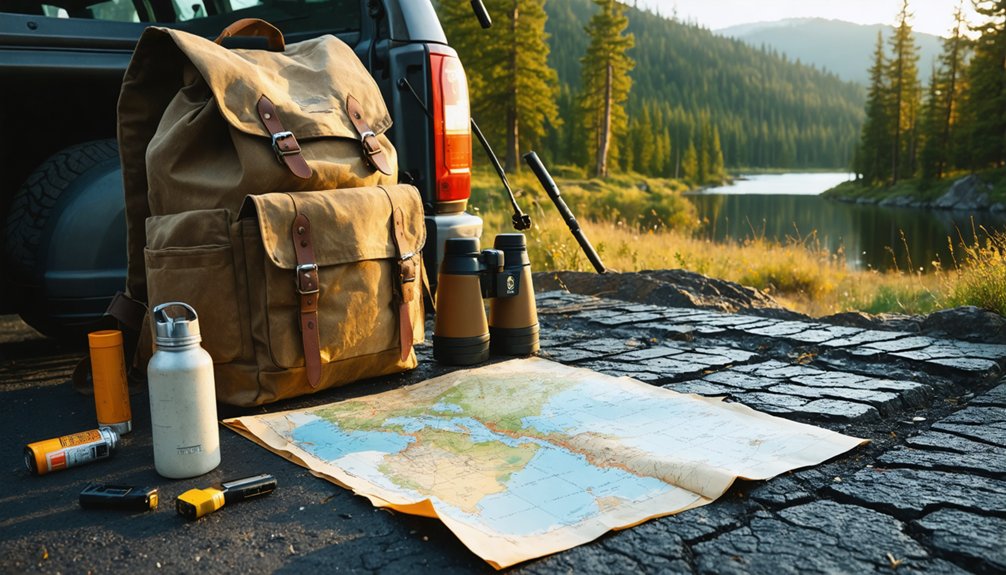
Planning your day on the water starts long before you push off from the boat launch. Harriman Reservoir rewards prepared explorers, so gather your packing essentials before leaving home.
Bring polarized sunglasses to spot submerged foundations beneath the surface, sturdy water shoes for traversing shallow rocky areas, and a dry bag protecting your camera, phone, and snacks. Vermont’s mountain weather shifts quickly, so layer up.
Your safety gear isn’t optional here. A Coast Guard-approved life jacket for every passenger, a throw rope, whistle, and basic first aid kit belong aboard before you leave the dock.
Sunscreen, plenty of water, and a detailed reservoir map round out your load. Pack smart, stay self-sufficient, and you’ll experience Mountain Mills the way it deserves — freely and fully.
Frequently Asked Questions
Who Owned Mountain Mills Before the 1924 Flooding Project Began?
Like roots torn from earth, the Mountain Mills history shows local timber community members owned this thriving village. Flooding impacts forever silenced their sawmills, schools, and stores when New England Power Company claimed it all in 1924.
How Deep Is Harriman Reservoir Above the Submerged Village Foundations?
The knowledge doesn’t specify the exact reservoir depth, but you’ll find submerged history resting beneath Harriman’s waters. When reservoir depth drops during dry seasons, you can actually glimpse Mountain Mills’ haunting foundations calling you back through time.
Can Visitors Legally Dive or Swim Near the Submerged Mountain Mills Site?
Like ancient mariners exploring forgotten seas, you’ll find swimming regulations restrict diving near Mountain Mills. Always check with TransCanada’s current safety precautions before you venture out — they’re guardians of this hauntingly beautiful, submerged Vermont freedom.
Are There Any Artifacts From Mountain Mills Displayed in Local Museums?
You’ll find artifact preservation efforts tied to Mountain Mills’ historical significance at local Vermont museums, where you can explore remnants of this lost lumber village and connect with the freedom of uncovering Vermont’s fascinating, submerged industrial past.
Did All Mountain Mills Residents Receive Compensation Before the Village Flooded?
Over 100 families lost their homes in 1924. Compensation details remain historically unclear, but you can feel the community impact — residents faced difficult choices as they left behind everything they’d built in Mountain Mills.
References
- https://www.sentinelsource.com/elf/outside_my_door/what-lies-beneath-the-lost-town-of-mountain-mills/article_c8ee6ba0-b843-11e9-b097-7bc51baebe73.html
- https://www.onlyinyourstate.com/experiences/vermont/underwater-ghost-town-vt
- https://www.facebook.com/mountsnowvalleychamberofcommerce/posts/1274458501382788/
- https://en.wikipedia.org/wiki/List_of_ghost_towns_in_Vermont
- https://wilmingtonhistoricalsociety.com/wp-content/uploads/2024/03/Newsletter2024.pdf
- https://happyvermont.com/2010/03/11/pieces-of-history-in-harriman-reservoir-2/
- https://www.youtube.com/watch?v=YrQNbrIrNT8
- https://www.vermonter.com/ricker-basin-vermont-ghost-town/
- http://freepages.rootsweb.com/~gtusa/history/usa/vt.htm
- https://northernwoodlands.org/blog/article/a_reservoir_of_history