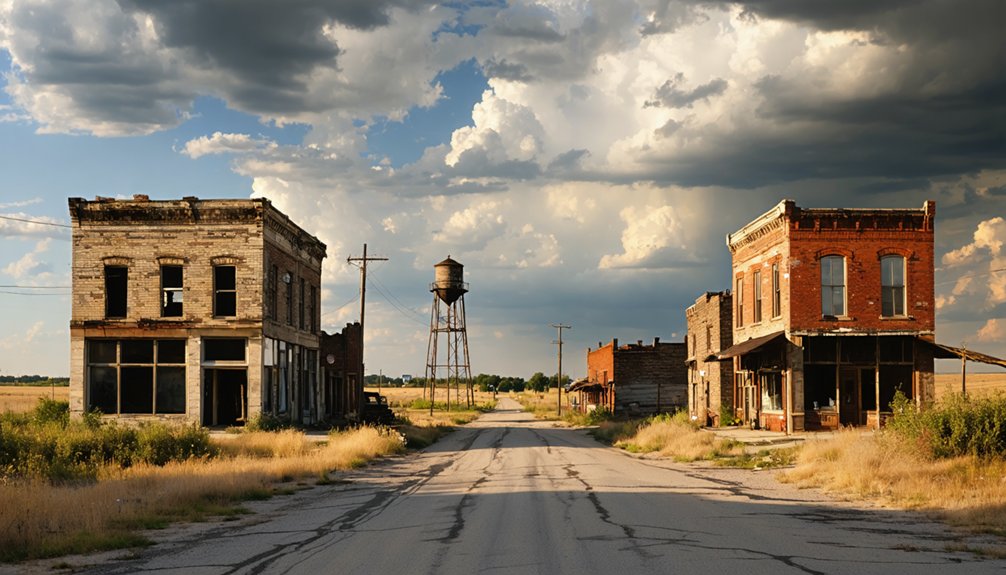
Paris, Kansas is a ghost town in Lincoln County, roughly 150 miles northwest of Wichita. You’ll want a high-clearance vehicle for the gravel roads connecting it to nearby forgotten towns like Potsy, Towerspring, Cedron, and Milo. Use Lexington as your base and check KanDrive or dial 511 before heading out, since weather can close rural roads fast. What you’ll find out there — crumbling foundations, collapsed schoolhouses, and quiet cemeteries — tells a story worth knowing.
Key Takeaways
- Paris, Kansas, a ghost town in Lincoln County, is approximately 150 miles northwest of Wichita, accessible via I-135 and US-56.
- Use Lexington as your base to explore nearby ghost towns, including Potsy, Towerspring, Cedron, and Milo, within a full day.
- Higher-clearance vehicles are recommended, as gravel roads connect the ghost towns and conditions can vary significantly.
- Check KanDrive or dial 511 before traveling, since weather can affect rural road accessibility throughout Lincoln County.
- Historical remnants like an 1870 schoolhouse and church steeple illustrate how railroad abandonment caused Paris’s economic collapse and disappearance.
What Is Paris, Kansas (and Why Visit a Ghost Town)?
Paris, Kansas won’t show up on your GPS as a destination worth stopping for — no diner, no motel, no welcome sign.
What you’ll find instead is a quiet stretch of Lincoln County where a town once stood and then quietly disappeared. That’s exactly the point.
Paris earned its ghost town significance through railroad abandonment in the late 1800s, a fate shared by dozens of small agricultural communities across central Kansas.
When the rail lines shifted, towns like Paris lost their economic lifeline and faded into foundation stones and overgrown lots.
Understanding Paris history means understanding how transportation shaped — and erased — entire communities.
If you’re drawn to open roads, forgotten places, and honest ruins over manufactured attractions, this is the kind of stop that actually delivers.
How to Get to Paris, Kansas From Wichita
Getting there’s half the story. From Wichita, you’re looking at roughly 150 miles northwest through the open Kansas plains.
Head north on I-135, then pick up US-56 or cut west toward Salina before dropping into Lincoln County on smaller state roads. Lexington becomes your anchor point — it’s the closest practical base for reaching Paris and the surrounding ghost town history scattered across the county.
Don’t expect a smooth interstate the whole way. Once you leave the main corridors, you’re traversing gravel roads that demand a higher-clearance vehicle and a slower pace.
Check KanDrive or dial 511 before you leave — weather hits rural roads hard. The Wichita route rewards patience, and that unhurried drive through central Kansas sets the mood perfectly.
Build Your Ghost Town Loop Around Lexington
Once you reach the Paris area, make Lexington your anchor point for the day since it puts you within striking distance of more than a dozen Lincoln County ghost towns.
From there, you’ll connect the stops using gravel roads that thread through the countryside, so plan your loop carefully and give yourself extra time for slow travel and photo stops.
Potsy, Towerspring, Cedron, and Milo all sit close enough to fold into a single circuit without excessive backtracking.
Lexington As Your Base
Everything in this part of Lincoln County spreads out across gravel roads, so you’ll want a practical anchor before you start chasing ghost towns—and Lexington fits that role better than anywhere else nearby.
It sits close enough to Paris and the surrounding abandoned sites that you’re not burning half your day just getting oriented. Rural navigation out here isn’t complicated, but unpaved surfaces and unmarked turnoffs can slow you down fast if you haven’t mapped your stops in advance.
Use Lexington as your reset point between sites, check your directions before leaving pavement, and keep your fuel topped off.
The Lexington attractions won’t fill a weekend, but the town gives you a reliable starting point for pushing out in any direction across the county.
Connecting Gravel Road Loops
Building your loop out of Lexington is less about following a fixed route and more about connecting a string of nearby ghost towns across Lincoln County’s gravel road network.
You’ll find Potsy, Towerspring, Cedron, and Milo all within striking distance, making it easy to string together a full day of rural exploration without backtracking unnecessarily.
The gravel roads linking these sites demand patience and a higher-clearance vehicle, but they reward you with the kind of unhurried access that makes ghost town photography worthwhile.
Foundation stones, weathered fence lines, and cemetery markers appear without warning, so keep your camera ready.
Plan your direction loosely, stay flexible when road conditions shift, and let the landscape guide your pace rather than a rigid schedule.
Nearby Ghost Town Stops
Lexington anchors the whole loop, but the real draw lies in what surrounds it — a cluster of ghost towns scattered across Lincoln County’s backroads, all within roughly 30 miles of each other.
Stops like Potsy, Towerspring, Cedron, and Milo give your rural exploration real depth, each one adding another layer of ghost town history to the drive.
Farther out, LeLoup, Homewood, and Agricola trace the same railroad-decline story along US-50, rounding out the broader picture of how rail abandonment reshaped central Kansas.
You’re not chasing reconstructed attractions here — you’re reading foundation stones, weathered fence lines, and forgotten cemeteries.
String these stops together on connecting gravel roads and you’ll cover serious ground without retracing a single mile.
The Best Ghost Towns Near Paris, Kansas in Lincoln County

Once you’ve parked along the grassy shoulder outside Paris, it’s worth knowing that Lincoln County holds roughly 13 ghost towns within a tight cluster, making it one of the more rewarding backroad circuits in central Kansas.
That concentration means your rural exploration doesn’t stop at Paris—it multiplies across every gravel road you turn down.
Potsy and Towerspring sit within 30 miles of Lexington, offering scattered foundation stones and cemetery remnants that deepen the ghost town history of the region.
Cedron and Milo round out a workable loop, while LeLoup, Homewood, and Agricola connect the railroad-decline narrative further south along US-50.
Each stop adds another layer to how rail abandonment quietly erased dozens of small agricultural communities from Kansas’s map.
Gravel Roads, High Clearance, and Checking KanDrive First
Before you head out, pull up KanDrive or dial 511 to check current road conditions, because wet weather can shut down the rural routes that connect Lincoln County’s ghost towns faster than you’d expect.
Many of the roads leading toward Paris and its neighboring sites run on unpaved gravel, so a higher-clearance vehicle isn’t just a comfort upgrade — it’s a practical necessity.
Pack your patience too, since slow travel and unplanned detours come with the territory on backroad Kansas.
Know Before You Go
Bring a higher-clearance vehicle if you have one — the backroads connecting Lincoln County’s ghost towns aren’t maintained for low-profile cars.
Download offline maps before you lose signal, and pack water, a snack, and basic supplies.
Rural exploration and exploring history in places like Paris reward preparation.
The fewer surprises between you and the road, the more freedom you actually have once you’re out there.
Vehicle Clearance Matters
A few miles of gravel road can quickly separate a smooth trip from a frustrating one, and Lincoln County delivers plenty of both. Higher-clearance vehicles handle the unpaved county roads far better than low-riding cars, so factor that into your vehicle maintenance checklist before leaving home.
Check tire pressure, inspect your spare, and confirm your suspension can absorb washboard surfaces without trouble.
Road safety starts before you turn the ignition. Pull up KanDrive or dial 511 to get current Kansas road conditions, especially after recent rain, when gravel turns soft and low-lying sections flood without warning.
Mud can close a route entirely and strand you miles from pavement. A little preparation before departure keeps the focus on exploring ghost towns rather than managing an avoidable breakdown.
Foundation Stones, Cemeteries, and Church Ruins: What Survives
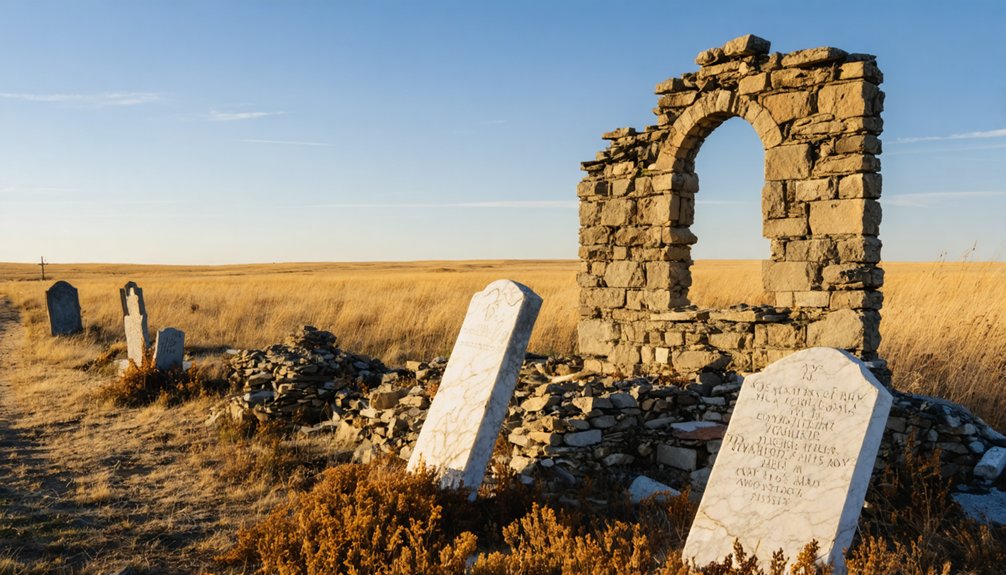
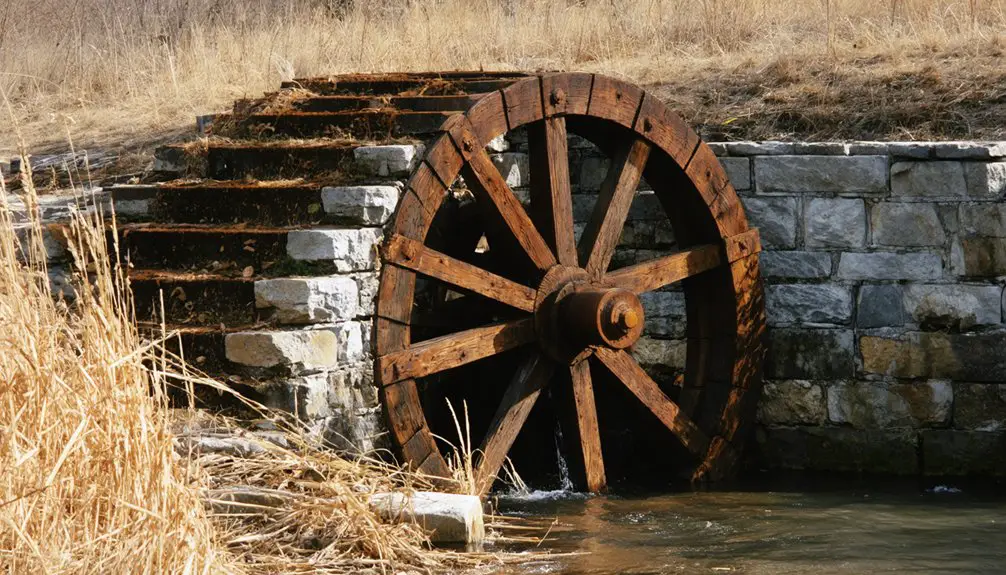
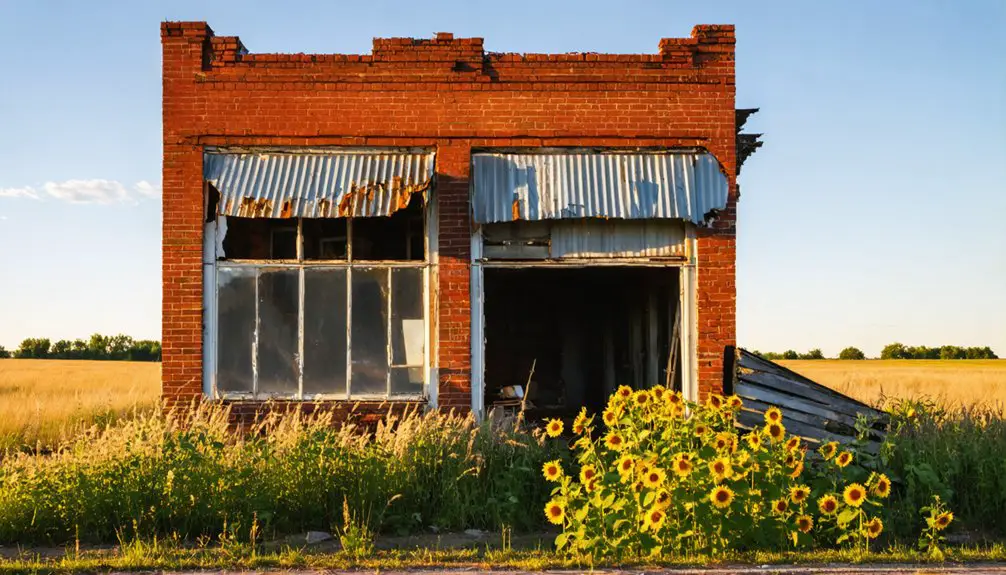
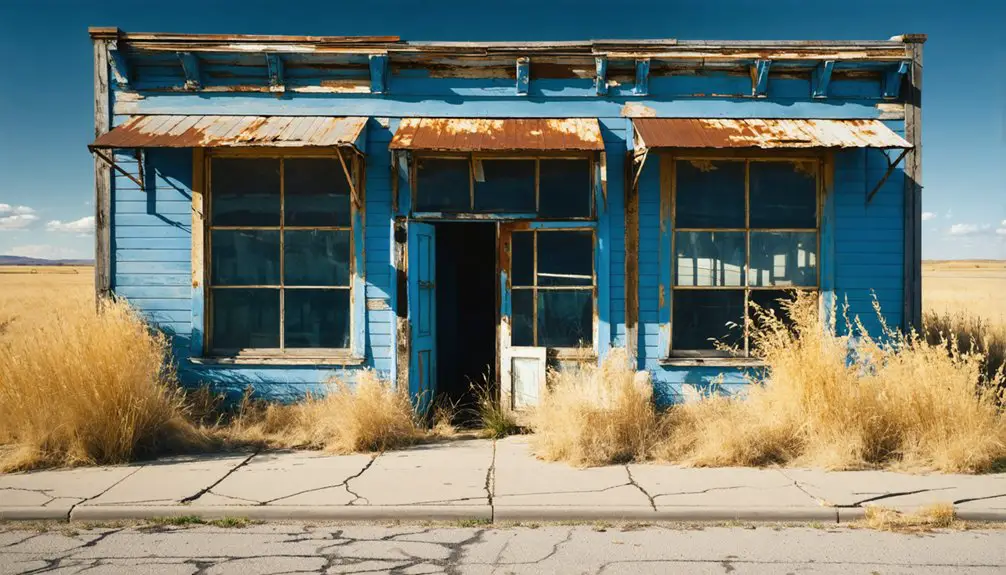
What greets you at Paris and its neighboring Lincoln County ghost towns isn’t a preserved historic district—it’s the quieter evidence of lives once lived: foundation stones half-swallowed by grass, cemetery plots still standing where towns no longer do, and the crumbling steeple ruins of a church that outlasted its congregation.
Nearby, an 1870 schoolhouse has collapsed into rubble, and weathered structures lean against the prairie wind. These foundation remnants don’t announce themselves—you’ll find them by slowing down, reading the land, and letting rural exploration guide you off the obvious path.
Cemeteries often mark former townsites better than any roadside sign. They’re unfenced, unattended, and honest. This is what railroad abandonment actually left behind: not monuments, but traces—quiet, scattered, and worth every gravel mile it takes to reach them.
How Railroad Decline Created Lincoln County’s Ghost Town Cluster
Paris didn’t vanish by accident—it was abandoned by economics. Railroad history shaped every town in Lincoln County, and when the tracks shifted or disappeared, so did the people.
Settlement patterns across central Kansas followed a simple rule: towns lived and died by the rail line.
Settlement patterns were brutally simple: find the rail line, or disappear waiting for one that never came.
Three forces collapsed communities like Paris:
- Railroad abandonment cut off shipping routes that small agricultural towns depended on completely.
- Competing rail stops pulled commerce toward better-connected neighbors, draining local businesses dry.
- Population migration followed the tracks outward, leaving foundations where storefronts once stood.
You’re not just exploring ruins when you drive these roads—you’re reading an economic collapse written in stone and soil.
Lincoln County’s ghost town cluster is railroad history made visible, and Paris is one of its quietest chapters.
Frequently Asked Questions
Is There an Entrance Fee or Permit Needed to Visit Paris, Kansas?
You don’t need to worry about entrance requirements or permit details to visit Paris, Kansas. It’s an open, self-guided ghost town on rural backroads, so you’re free to explore its weathered remnants at your own pace.
What Is the Best Time of Year to Visit Lincoln County Ghost Towns?
Spring and fall offer you the best conditions to explore Lincoln County’s ghost towns. You’ll find mild weather ideal for uncovering historical significance, photographing ruins, and chasing local legends across open backroads without summer’s heat or winter’s unpredictable road closures.
Are Any Lincoln County Ghost Towns on Private Property Requiring Landowner Permission?
“Tread lightly where you wander.” Some Lincoln County ghost towns sit on private land, so you’ll need to respect landowner rights and local ghost town regulations — always research access before you explore and ask permission when needed.
Can I Bring My Dog on a Ghost Town Road Trip in Kansas?
You can bring your dog on this adventure! These open, rural sites make great dog friendly attractions. Practice travel safety by packing water, a leash, and watching for uneven terrain around crumbling foundations.
Are There Any Gas Stations or Restrooms Near Paris, Kansas?
You won’t find local amenities like gas stations or restrooms near Paris, Kansas. Stock up on road trip essentials before leaving Lexington, your closest practical base, so you’re fully prepared for remote backroad exploration.
References
- https://www.youtube.com/watch?v=YQHVP21sYC8
- https://www.youtube.com/watch?v=_DLl0NgdIPo
- https://www.youtube.com/watch?v=LNAm0sZuNyw
- https://www.onlyinyourstate.com/trip-ideas/kansas/haunted-kansas-road-trip
- https://www.onlyinyourstate.com/kansas/abandoned-kansas-road-trip/
- https://www.onlyinyourstate.com/kansas/kansas-ghost-town-road-trip/
- https://www.rtpkansas.com/locations
- https://www.youtube.com/watch?v=8dtIPX7pIqI
- https://www.youtube.com/watch?v=KBXINX0xqnU
- https://www.legendsofamerica.com/66-ghosttowns/