Planning a ghost town road trip to Quihi, Texas is easier than you’d think. You’ll find this forgotten settlement just six miles east of Hondo on FM 2676, a standard paved road any everyday vehicle can handle. Founded in 1846 by German and French colonists, Quihi once thrived before fading into history. Today, only about 20 residents remain among the ruins. Stick around to uncover everything this hauntingly quiet corner of South Texas has to offer.
Key Takeaways
- Quihi, Texas, is located 6 miles east of Hondo on FM 2676, an easy paved road accessible by standard vehicles.
- Visit between November and early January for mild temperatures, quieter roads, and a comfortable ghost town exploration experience.
- Key attractions include 19th-century rock house ruins and Bethlehem Lutheran Church, reflecting Quihi’s German settler heritage.
- No fuel or services exist in Quihi, so stock up on food, water, and supplies in Hondo beforehand.
- Bring a camera and comfortable walking shoes to fully explore the ruins and surrounding farmland of this historic settlement.
What Makes Quihi, Texas a True Ghost Town?
When most people picture a ghost town, they imagine crumbling buildings and zero inhabitants—but Quihi, Texas tells a quieter story. Founded in March 1846 by ten German and French colonist families under Empresario Henri Castro, Quihi once thrived near Quihi Lake as a local education hub and growing rural community.
Its ghost town history isn’t defined by sudden abandonment—it’s shaped by gradual decline after 1900, when younger generations drifted toward nearby cities.
Today, only about 20 residents remain, surrounded by farmland and old rock house ruins that whisper local legends of early Indian attacks and pioneering resilience.
You won’t find a bustling tourist trap here. Instead, you’ll discover an honest, stripped-down piece of Texas heritage that rewards curious travelers willing to look closer.
How to Get to Quihi From Hondo
Getting to Quihi from Hondo is invigoratingly straightforward — you’ll head just 6 miles east on FM 2676, a route any standard 2WD vehicle handles with ease.
You don’t need a truck or SUV, so if you’re making this part of a longer road trip, there’s no need to worry about rough terrain or backroads.
The short drive makes Quihi a practical and low-effort stop before or after exploring other spots in Medina County.
Distance From Hondo
Quihi sits just 6 miles east of Hondo, making it one of the easiest ghost town detours you’ll find in South Texas. You’ll head out on FM 2676, a straightforward 2WD road that any standard vehicle handles without trouble.
The short drive means you’re not committing a full day — you’re stealing an hour or two to explore something genuinely off the beaten path.
Hondo serves as your practical base, offering fuel, food, and lodging before you push east.
It’s worth noting that Hondo history and Quihi heritage are deeply connected, both shaped by the same wave of German and French colonists who settled Medina County in the mid-1800s.
That context makes the short drive feel less like a detour and more like a continuation of the same story.
Road Type And Accessibility
The road out to Quihi won’t test your vehicle or your patience. FM 2676 is a standard paved farm-to-market road, and road conditions stay manageable for everyday drivers. You don’t need a truck, an SUV, or any special gear — vehicle suitability is a non-issue here, since a regular 2WD car handles the route without any trouble.
That accessibility is part of what makes Quihi such an easy ghost-town target. You leave Hondo heading east, cover about 6 miles, and you’re there.
No gravel detours, no washed-out back roads, no second-guessing your tires. The drive itself is flat, open, and quintessentially South Texan — farmland stretching wide on both sides, the kind of road that feels like it belongs to no one and everyone at once.
The Best Time to Visit Quihi, Texas
You’ll get the most out of your visit to Quihi if you plan your trip during late fall or early winter, when the weather is at its most comfortable.
The region’s mild winters make outdoor exploration and photo stops far more enjoyable than the punishing heat of summer.
If you’re building a broader ghost-town itinerary through Medina County, that cooler window gives you the stamina to cover more ground without the brutal Texas sun working against you.
Ideal Visiting Season
When you visit Quihi matters more than you might think. The area’s mild winters and brutally hot summers make late fall to early winter the sweet spot for exploration. You’ll dodge the punishing South Texas heat while enjoying cooler, comfortable temperatures that make walking among the old rock ruins far more pleasant.
Late autumn brings subtle autumn colors to the surrounding farmland, and the region occasionally hosts local festivals that connect visitors to the area’s German heritage.
You’ll find the rural roads quieter, the light softer for photography, and the overall pace perfectly matched to unhurried historical sightseeing.
If you’re mapping out your ghost-town route, plan your Quihi stop between November and early January for the most rewarding experience on the road.
Weather Conditions Overview
Understanding what drives those seasonal recommendations means looking at Quihi’s actual weather patterns throughout the year.
Medina County sits in South Texas, so you’re dealing with a climate that swings hard between extremes.
Summers run hot and unforgiving, with temperatures regularly pushing past 100°F. That kind of heat makes outdoor exploration genuinely exhausting, especially when you’re walking ruins or photographing old rock structures.
Winter flips the script entirely. Climate trends here show mild temperatures and lower humidity during the late fall and early winter months, creating comfortable conditions for walking the grounds and taking your time.
Spring offers a brief window before heat builds again, but unpredictable rain can complicate travel on rural farm roads.
Late fall simply delivers the most consistent, traveler-friendly conditions Quihi has to offer.
What You’ll Actually See in Quihi, Texas
Though Quihi won’t dazzle you with polished museums or tourist attractions, it offers something more authentic — the quiet, weathered remnants of a 19th-century German settler community.
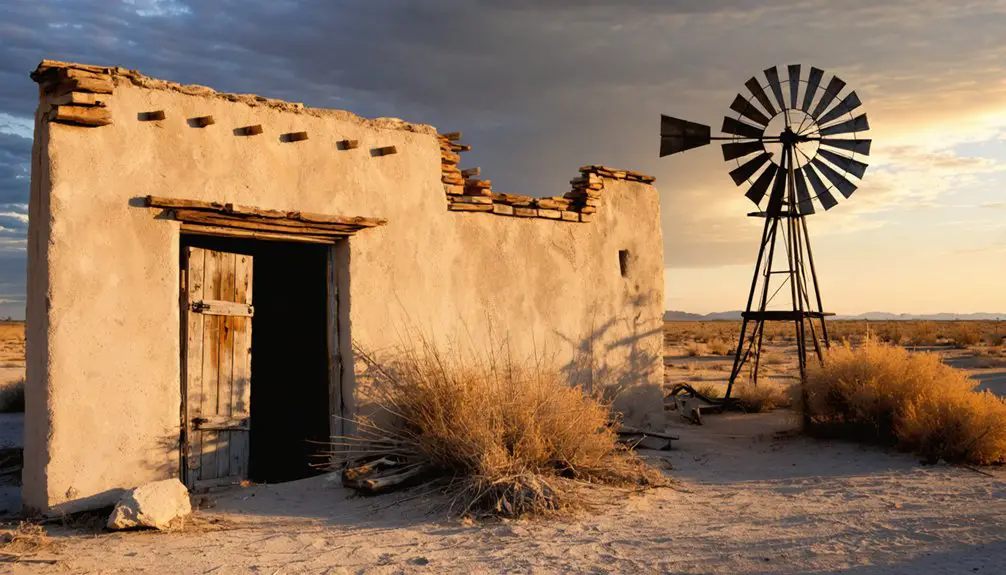
You’ll find old rock house ruins scattered across the landscape, their stone walls still standing as silent symbols to the families who built lives here after 1846.
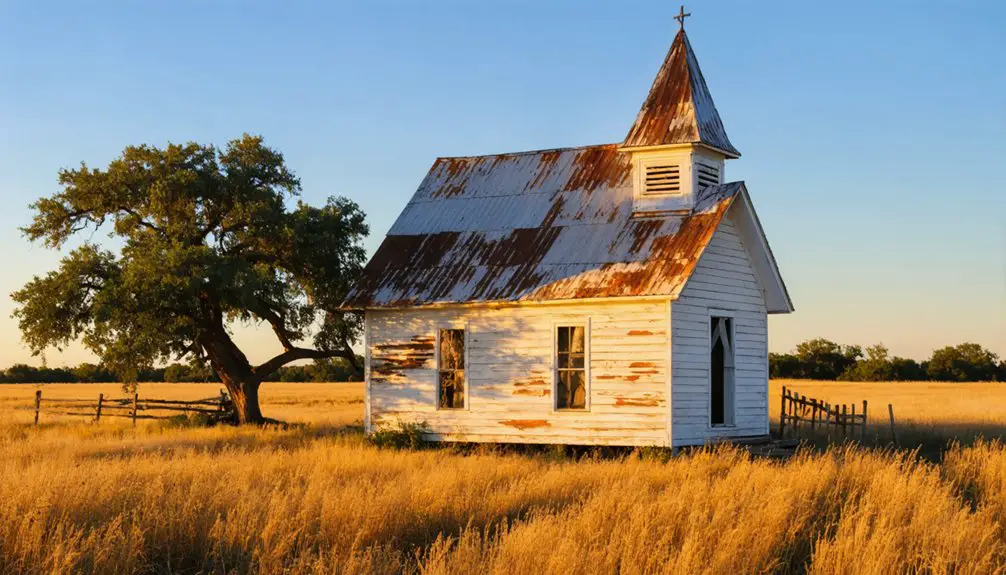
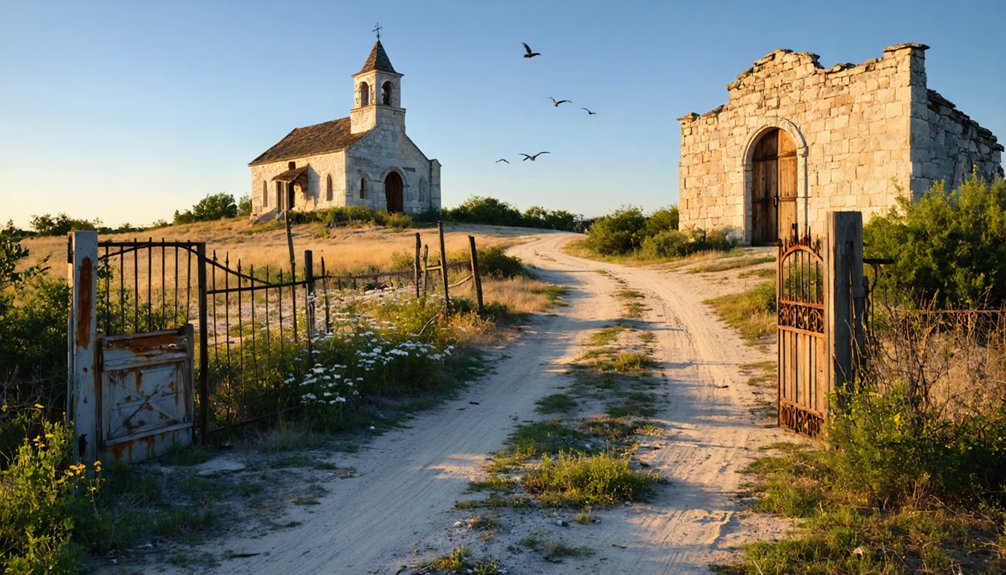
Bethlehem Lutheran Church stands as one of the area’s most recognizable historical landmarks, anchoring the community’s heritage in a tangible way.
Surrounding farmland stretches in every direction, giving you a strong sense of the rural isolation these settlers once endured.
With only about 20 residents remaining, the town feels genuinely empty — not staged.
You’re fundamentally walking through living history, free to explore and interpret it on your own terms.
Nearby Ghost Towns That Pair Well With Quihi
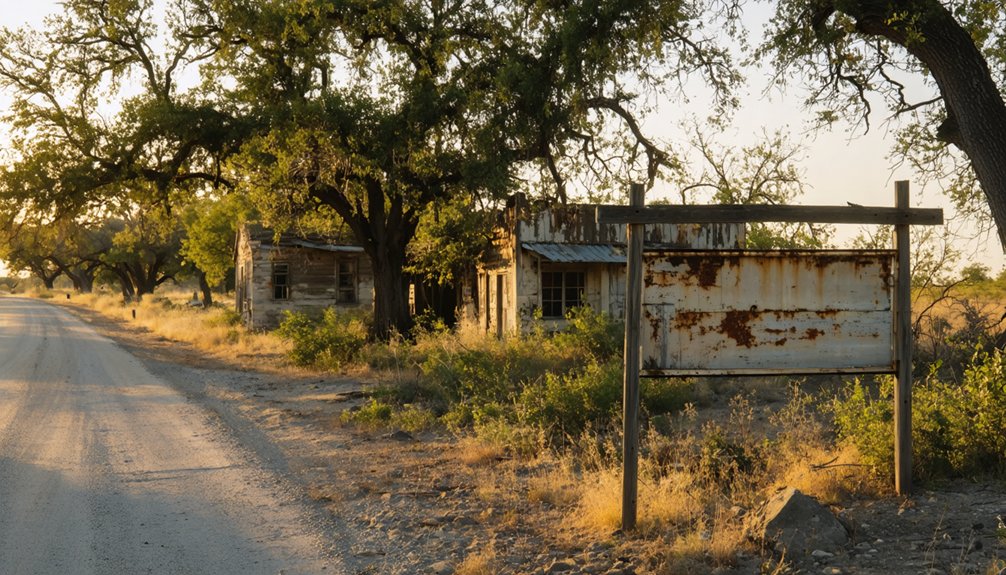
Quihi makes an ideal anchor stop on a broader ghost-town loop through Medina County and the surrounding Hill Country, since Texas holds more ghost towns than almost any other state — giving you plenty of options within a short drive.
From Quihi, you can push west toward Hondo and pick up nearby ghost towns scattered along rural farm roads, each carrying its own collection of historical landmarks like crumbling rock structures and weathered churches.
The Hill Country rewards explorers who move at their own pace, letting you string together stops without rigid schedules.
Keep your tank full using Hondo as a fuel base, bring a camera, and treat each community as a chapter in the same long story of Texas settlement, ambition, and quiet decline.
Fuel, Services, and What to Bring to Quihi, Texas
Since Quihi offers no fuel stations, convenience stores, or roadside services of any kind, you’ll want to treat Hondo — just six miles west on FM 2676 — as your full-service base before making the short drive out.
Stock up on all your fuel options there, filling your tank completely before heading east.
For packing essentials, think practically. Bring plenty of water, snacks, a paper map or downloaded offline route, and a fully charged phone.
The rural setting rewards photographers, so don’t forget your camera. Comfortable walking shoes help when you’re exploring old rock ruins on uneven ground.
Since the best visiting season runs late fall through early winter, layer your clothing for shifting temperatures.
Quihi rewards the self-sufficient traveler who arrives prepared and ready to explore freely.
Frequently Asked Questions
Is There an Admission Fee to Visit Quihi, Texas?
You don’t pay any admission fee to explore Quihi, Texas! You’re free to roam its ruins, soak in Quihi history, and chase local legends through this open, hauntingly beautiful ghost town anytime you’d like.
Can You Camp Overnight Near Quihi, Texas?
You won’t find a campsite on every corner in tiny Quihi, but camping options abound near Hondo, your perfect base for exploring nearby attractions, ghost towns, and wide-open Texas freedom just miles away!
Is Quihi, Texas Accessible for Visitors With Mobility Limitations?
You’ll find Quihi’s 2WD roads manageable for most visitors with mobility limitations. Wheelchair accessibility within the rural site may be uneven, so check local accommodations in nearby Hondo before exploring this historic ghost town.
Are There Guided Ghost Town Tours Available in Quihi?
No guided tours exist here — and that’s actually freeing! You’ll explore Quihi’s ghost stories and local legends entirely on your own terms, wandering crumbling rock ruins and absorbing the town’s haunting, untamed history without anyone rushing you along.
Does the Quihi Gun Club Welcome Visitors to Its Monthly Dances?
You’ll want to check directly with the Quihi Gun Club about visitor access to its monthly dances. These gatherings celebrate vibrant dance traditions and likely showcase local cuisine, giving you an authentic taste of free-spirited, small-town Texas culture.
References
- https://www.youtube.com/watch?v=EcKNorOzxtk
- https://www.ghosttowns.com/states/tx/quihi.html
- https://www.huffpost.com/entry/abandoned-america-night_n_4079720
- https://myfamilytravels.com/the-spookiest-road-trips-in-texas-with-abandoned-landmarks/
- https://www.traveltexas.com/articles/post/spooky-roadtrip/
- https://en.wikipedia.org/wiki/List_of_ghost_towns_in_Texas
- https://www.onlyinyourstate.com/trip-ideas/texas/ghost-town-road-trip-tx
- https://www.tripadvisor.com/Attractions-g28964-Activities-c47-t14-Texas.html
- https://www.youtube.com/watch?v=jPR2_2il31w
- https://www.youtube.com/watch?v=MK5CQ5daV9w