Placerville, Idaho sits less than 90 minutes northeast of Boise on Highway 21, making it one of the most accessible ghost town road trips in the state. Start in Idaho City, fuel up, and grab a meal before heading into the basin. You’ll find weathered cemeteries, frontier-era structures, and gold rush legends waiting around every bend. Pair Placerville with nearby ghost towns like Pioneerville and Centerville, and there’s far more to this loop than you’d expect.
Key Takeaways
- Placerville is located about 50 miles northeast of Boise via Highway 21, a scenic drive through Boise National Forest taking under 90 minutes.
- Visit between late spring and early fall for optimal road conditions, as winter weather may cause closures or hazardous driving.
- Fuel up and dine in Idaho City, 12 miles from Placerville, before exploring the ghost towns along the Boise Basin Loop.
- The loop connects Placerville with Pioneerville, Quartzburg, and Centerville, and can be completed as a half-day or full-day trip.
- Pack water, snacks, layered clothing, a first-aid kit, and a paper map, as cell service may drop in forested areas.
What Made Placerville, Idaho a Gold Rush Boomtown?
When gold was discovered in the Boise Basin in late 1862, Placerville didn’t just appear on the map — it exploded onto it. Starting as a supply base with just six cabins, it swelled to nearly 5,000 residents and 300 buildings by early summer 1863. You’re looking at one of the West’s fastest frontier transformations.
Placerville’s position on a main route into the Basin made it a natural hub. Miners from across Europe flooded in, shaping a culturally rich community worth celebrating for its cultural preservation legacy.
By 1864, over 4,500 mining claims had been recorded here.
Of course, that level of extraction left a real environmental impact on the land — a reminder that freedom always carries responsibility. That tension defines Placerville’s story.
How to Get to Placerville From Boise and Idaho City
Once the boom faded, Placerville was left as a quiet echo of its gold-rush self — and that’s exactly what makes it worth the drive today.
When the gold rush ended, Placerville didn’t disappear — it simply became something better: a genuine glimpse into Idaho’s past.
From Boise, head northeast on Highway 21 through the Boise National Forest — a scenic corridor where wildlife viewing opportunities appear around nearly every bend. The drive runs roughly 50 miles and takes under 90 minutes.
If you’re already in Idaho City, Placerville sits just 12 miles northwest, making it an effortless extension of your Boise Basin loop.
Stop in Idaho City first to sample local cuisine at one of its frontier-flavored spots before pushing on. The roads are well-maintained and easy to navigate, so you’ll spend less time planning and more time exploring.
What Survives in Placerville Today and What’s Gone
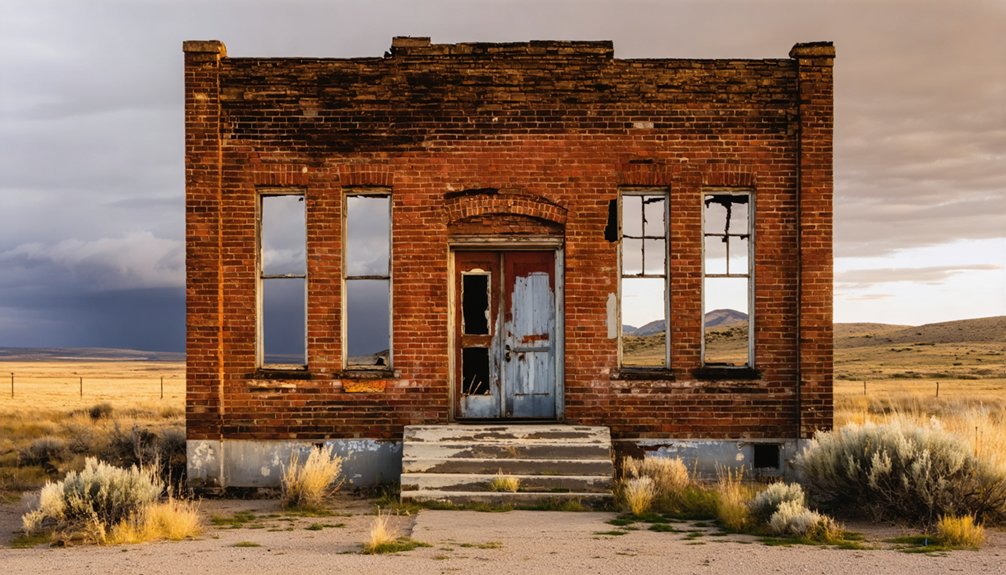
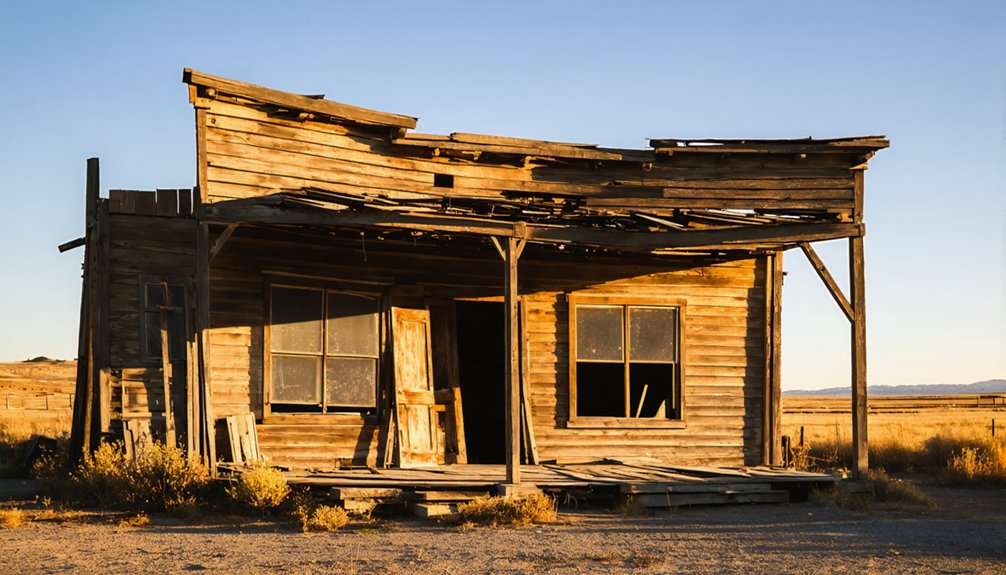
Arriving in Placerville today, you’ll notice the town wears its losses plainly — fires in 1874 and 1899 erased much of what the gold rush built, and decades of quiet decay took care of the rest.
The early settlers who worked the placer deposits and experimented with various mining techniques left behind a landscape that’s more absence than presence. Still, meaningful remnants survive.
The old Masonic Hall stands as one of the most recognizable structures, and the Placerville Cemetery holds frontier-era stories worth your time, including the legendary “three fiddlers” grave.
Historic remains here carry National Register of Historic Places designation.
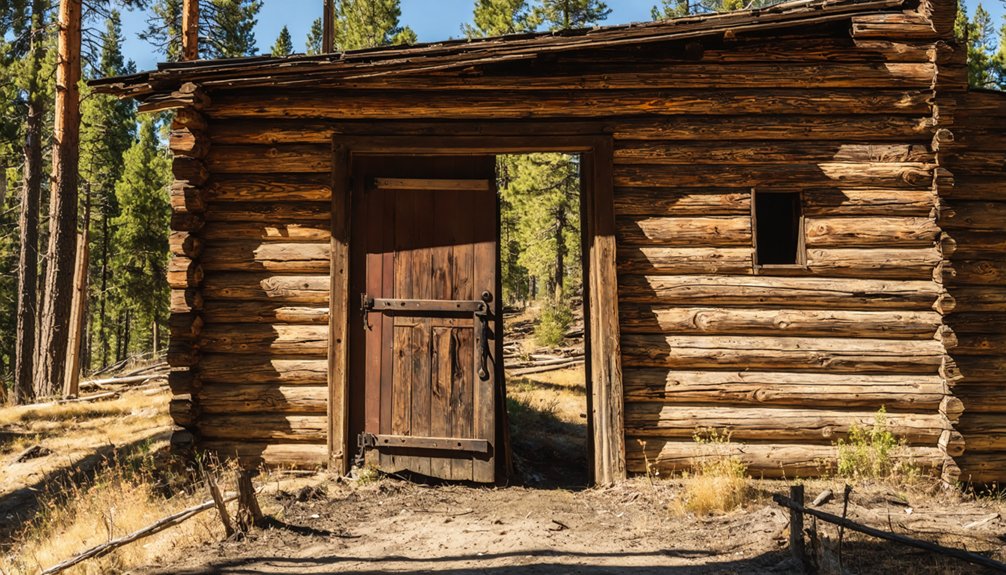
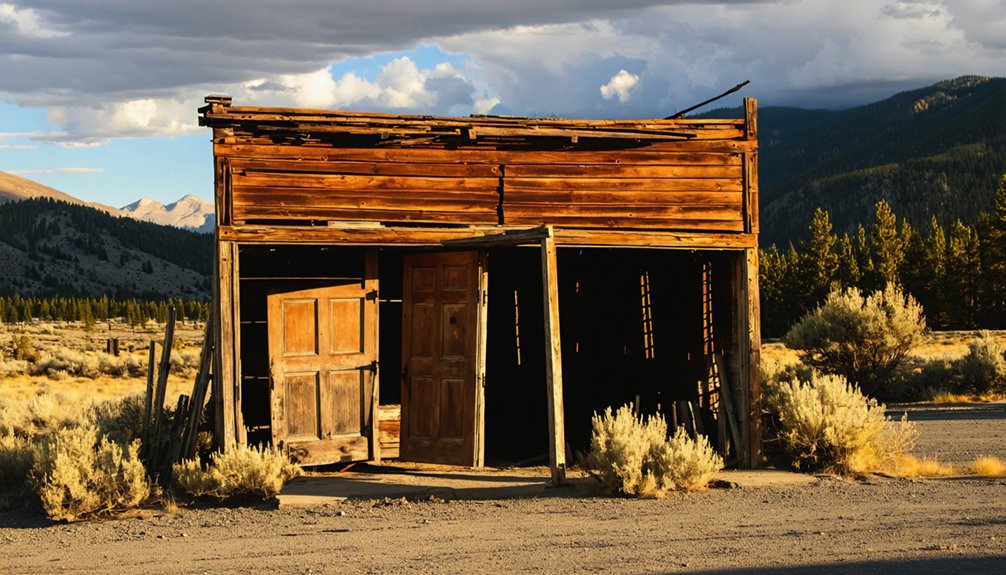
You won’t find a preserved Main Street, but what does survive carries genuine weight — scattered, honest, and exactly what a real ghost town looks like.
The Historic Sites in Placerville Actually Worth Your Time
Two stops genuinely earn your attention in Placerville: the old cemetery and the surviving Masonic Hall.
At the cemetery, you’ll find frontier-era graves tied to local legends, including the well-known tale of the “three fiddlers” that’s become one of the town’s most memorable stories.
The Masonic Hall, one of the few standing structures from the boom years, gives you a rare look at what Placerville looked like when thousands of miners called it home.
Placerville Cemetery Key Legends
Tucked at the edge of town, the Placerville Cemetery is where the gold rush stops feeling like a history lesson and starts feeling personal. Weathered markers tell stories of miners who chased fortune and never made it home.
The most talked-about legend centers on the “three fiddlers” grave, a frontier tale that locals still pass down today. You won’t find modern amenities here — no polished signage or guided tours — just raw history standing quietly in the trees.
That’s exactly what makes it worth your time. Pair your visit with local cuisine in nearby Idaho City before or after, and you’ve got a half-day that genuinely connects you to the people who built this basin from nothing but gold dust and ambition.
Surviving Masonic Hall
Standing among the few structures that survived Placerville’s repeated fires and long decline, the old Masonic Hall is one of the most tangible links to the town’s incorporated past. While most of Placerville’s town architecture vanished, this building held on, giving you a rare, physical connection to the 1860s boom era.
When you walk up to it, consider what it represents:
- A community that organized itself beyond mining technology and raw survival
- Frontier residents who built institutions, not just extraction operations
- Town architecture that once anchored thousands of residents now reduced to a handful of remnants
You don’t need hours here. A focused stop lets you absorb the contrast between Placerville’s explosive peak and its quiet, weathered present before you move on.
The Stories Behind Placerville’s Most Famous Landmarks
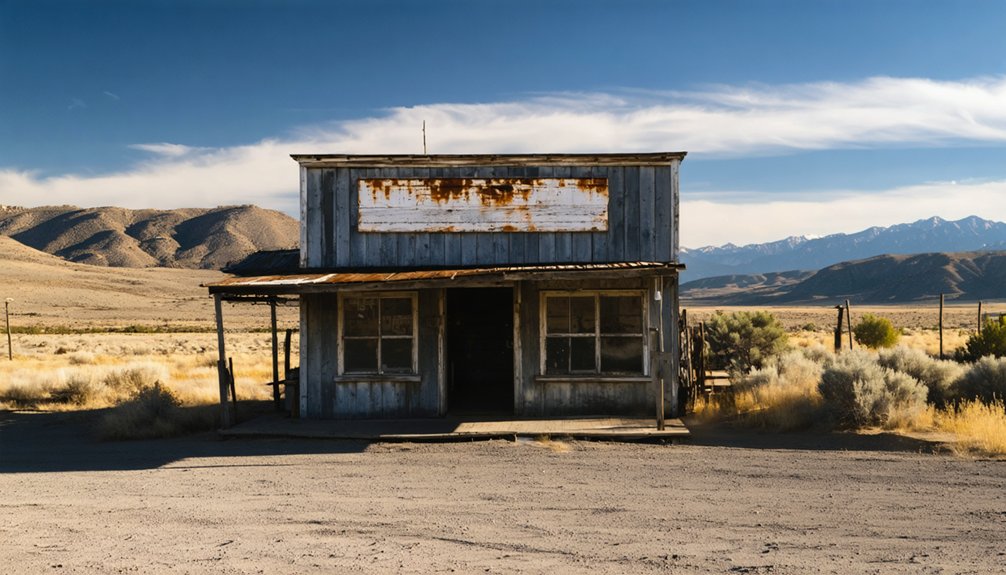
Once you step into Placerville Cemetery, you’ll find yourself surrounded by frontier legends that give this ghost town its haunting character.
The most compelling story centers on the grave of the “three fiddlers,” a local tale that’s become one of Placerville’s most retold pieces of gold-rush lore.
Pull yourself away from the cemetery and you’ll spot the old Masonic Hall standing as one of the few original structures that actually survived the fires and decades of decay.
Placerville Cemetery’s Frontier Legends
Few stops on a Boise Basin ghost-town road trip carry as much atmosphere as the Placerville Cemetery, where frontier-era legends have outlasted most of the town itself. Local legends tied to this burial ground give you a genuine sense of lives lived hard and fast during the gold rush era. Walk among the headstones when wildflower blooms soften the landscape, and the stories hit differently.
A few highlights worth knowing before you visit:
- The “three fiddlers” grave remains the cemetery’s most talked-about local legend
- Frontier-era inscriptions on surviving markers reveal raw details about early mining life
- The setting feels genuinely remote, rewarding visitors who seek unfiltered history
You don’t need a guided tour here — just curiosity and a willingness to slow down.
The Three Fiddlers Tale
Among the cemetery’s weathered markers, one story pulls at you more than the rest — the tale of the three fiddlers. Legend holds that three musicians, each representing different cultural influences that shaped this rough mining settlement, died under mysterious circumstances and were buried together. Their grave became one of Placerville’s most enduring landmarks.
Standing there, you sense the weight of a boomtown that drew people from across the world, each bringing their own traditions into this wild Idaho canyon. The architectural styles of the surviving structures nearby echo that same diversity — a frontier community stitched together from many origins.
Nobody owns this story. You’re free to interpret it, question it, and carry it with you down the road toward your next stop.
Old Masonic Hall History
The old Masonic Hall stands as one of Placerville’s most recognizable survivors, and when you see it rising against the Idaho hillside, you understand immediately why it matters. Far from modern amenities and today’s local cuisine scenes, this structure anchors you to a rougher, realer era.
Here’s why it deserves your attention:
- It survived fires that erased most of Placerville’s original buildings, making it a rare physical connection to the 1860s boom
- Its listing on the National Register of Historic Places confirms its historical legitimacy, not just local legend
- It represents organized community life during a chaotic gold-rush period, proving miners built institutions, not just claims
Walk around it slowly. You’re standing inside a story that most of Idaho’s modern landscape has already forgotten.
Nearby Ghost Towns That Pair Well With a Placerville Visit
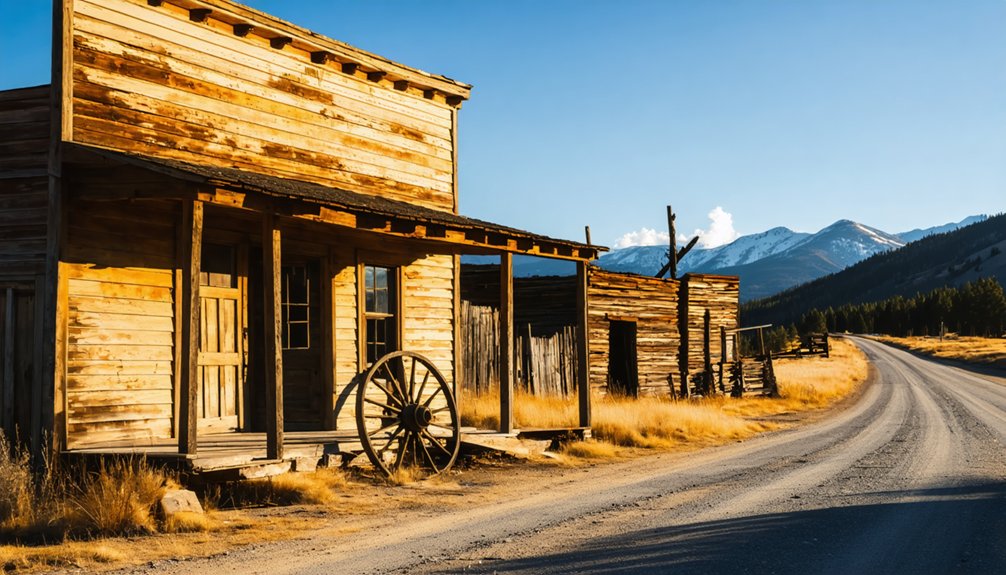
Placerville doesn’t stand alone in the Boise Basin—it’s surrounded by fellow ghost towns that make a half-day loop feel like a full chapter of frontier history. Pioneerville, Quartzburg, and Centerville each carry their own local legends and fragments of historical architecture worth exploring on your own terms.
You’ll find weathered structures, forgotten cemeteries, and traces of the same gold-rush energy that built Placerville practically overnight. Idaho City anchors the route with a stronger concentration of preserved history, museums, and services, making it a smart base for your loop.
String these towns together along a single driving route, and you’re not just sightseeing—you’re moving through one of the most concentrated corridors of frontier mining history in the American West.
How to Build a Full Boise Basin Ghost Town Loop
Building a full Boise Basin ghost town loop takes less planning than you’d expect, and the payoff is a single drive that connects Placerville, Pioneerville, Quartzburg, Centerville, and Idaho City into one coherent frontier timeline. Start in Idaho City, work your way through each settlement, and let the landscape tell the story between stops.
One drive. Five ghost towns. A single coherent frontier timeline winding through the heart of the Boise Basin.
Pack your loop with purpose:
- Fuel up on local cuisine in Idaho City before heading out, since options thin quickly once you’re deep in the basin.
- Watch for wildlife viewing opportunities along forested stretches between towns, where deer and elk frequently appear roadside.
- Budget your time wisely, allocating roughly 20–30 minutes per ghost town and saving Idaho City for a longer historical deep-dive.
The whole loop runs comfortably as a half-day or full-day drive.
Road Conditions, Timing, and What to Bring for the Boise Basin Loop
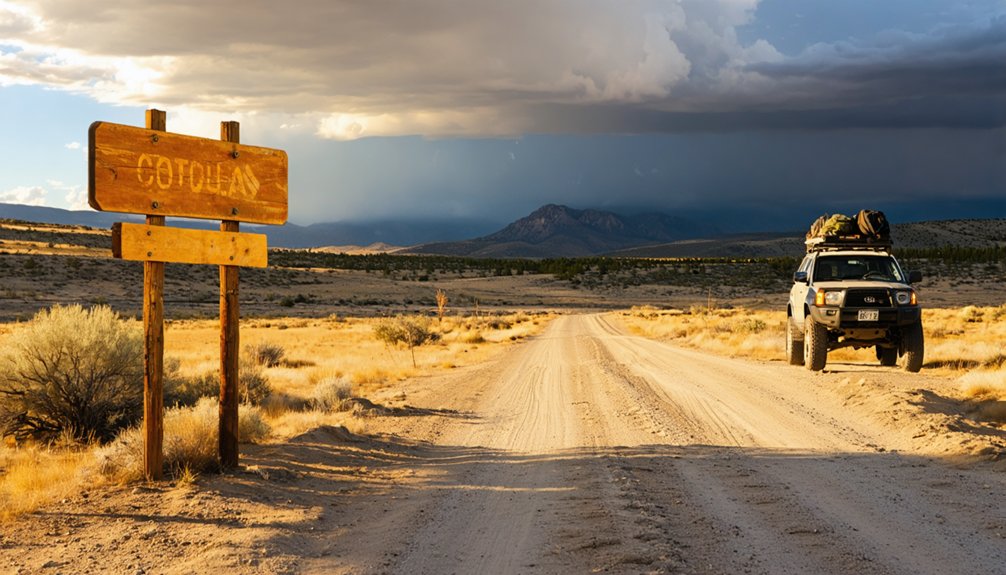
Road conditions on the Boise Basin loop shift noticeably with the seasons, so timing your visit between late spring and early fall gives you the best combination of dry pavement, accessible pullouts, and daylight to spare.
Winter closes or complicates several stretches, so check Idaho Transportation Department updates before you head out. Pack water, snacks, a paper map, and a first-aid kit since cell service drops in stretches between towns.
Wildlife sightings are common along forested canyon roads, so slow down and stay alert. Build extra time into your schedule to stop for local cuisine in Idaho City, where a handful of spots serve solid meals before or after your loop.
Comfortable walking shoes and layers handle the elevation swings you’ll encounter throughout the day.
Frequently Asked Questions
Is There a Fee to Visit Placerville’s Historic Sites and Cemetery?
You’ll find no fee to explore Placerville’s historic sites and cemetery! Walk freely through these grounds, where historical significance runs deep and preservation efforts keep this frontier spirit alive for adventurers like you to discover.
Are Pets Allowed on the Walking Trails Around Placerville’s Ghost Town Area?
Specific pet safety rules and trail regulations aren’t confirmed for Placerville’s ghost town trails, so you’ll want to check locally before visiting. Keep your pets leashed, respect the land, and explore freely!
Can You Camp Overnight Near Placerville During a Boise Basin Road Trip?
You’ll find camping options near Placerville that’ll satisfy your adventurous spirit! Check local camping regulations before heading out, and always verify road conditions, as some routes into the Boise Basin can be rugged and unpredictable.
Is Placerville Accessible Year-Round, or Does Winter Close the Roads?
You can reach Placerville year-round, but winter accessibility gets tricky. Snow and ice can make mountain roads treacherous, and seasonal closures occasionally affect routes, so you’ll want to check Idaho road conditions before heading out.
Are There Restaurants or Restrooms Available in or Near Placerville?
Like a mirage in the desert, don’t expect historic dining or restroom facilities in Placerville itself. You’ll want to fuel up and plan ahead in nearby Idaho City before hitting this rugged ghost town trail.
References
- http://www.ghosttowngallery.com/htme/placerville.htm
- https://www.tripadvisor.com/Attractions-g35570-Activities-Placerville_Idaho.html
- https://en.wikipedia.org/wiki/Placerville
- http://www.llystwrog.com/50plusdc/html/body_idghosttowns.html
- https://yellowpinetimes.wordpress.com/2024/05/12/idaho-history-may-12-2024/
- https://skyscraperpage.com/forum/showthread.php?t=187413
- https://www.tripadvisor.com/Attractions-g35570-Activities-c49-t33-Placerville_Idaho.html
- https://history.idaho.gov/wp-content/uploads/2018/08/0064.pdf
- https://www.reddit.com/r/Placerville/comments/1nlieh5/placerville_things_to_do/
- https://th.tripadvisor.com/Attractions-g35570-Activities-Placerville_Idaho.html