Planning a ghost town road trip to Randsburg, California means heading to a living slice of Old West history in the Mojave Desert, home to just 70 residents. You can reach it roughly 138 miles northeast of Los Angeles or 200 miles southwest of Las Vegas. Explore historic saloons, antique shops, and gold rush artifacts without the tourist traps. Pack water, cash, and sun protection — and there’s plenty more to uncover before you hit the road.
Key Takeaways
- Randsburg is a living ghost town in California’s Mojave Desert, approximately 138 miles northeast of Los Angeles, about a 2-hour 15-minute drive.
- U.S. Highway 395 provides scenic, accessible access to Randsburg, requiring no special vehicle equipment for standard road travel.
- Key attractions include the 1897 White House Saloon, antique shops, a desert museum, old jail, and nearby Burro Schmidt Tunnel.
- Spring and fall offer the most comfortable visiting conditions, while summer heat requires extra preparation for the arid desert environment.
- Pack ample water, sun protection, sturdy shoes, snacks, a paper map, portable charger, and cash for small local shops.
What Makes Randsburg a Living Ghost Town?
While most ghost towns fade into complete abandonment, Randsburg defies that fate with a small but resilient community of roughly 70 residents who’ve kept the town’s pulse beating since its 1895 gold rush origins.
This living ghost town sits in California’s Mojave Desert, where you’ll find operational saloons, antique shops, and a general store still serving visitors rolling through on Highway 395.
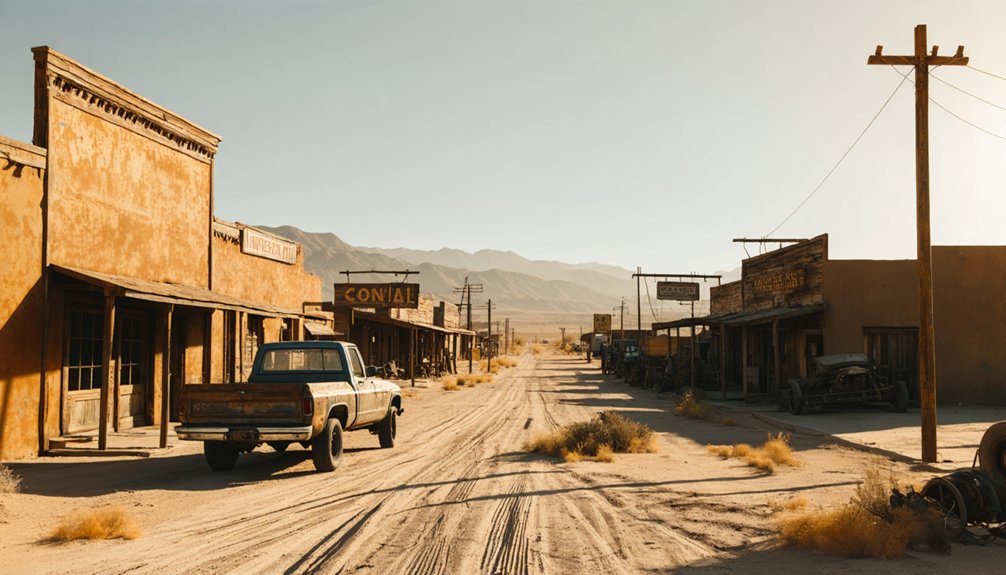
Randsburg’s ghost town history isn’t just preserved behind museum glass — it’s woven into everyday life here. The mining legacy runs deep, from scattered rusted equipment to original wooden-facade buildings that survived over a century of desert sun.
Privately owned and fiercely independent, Randsburg resists formal state park status, giving you an authentic, unfiltered glimpse into the Old West without the tourist traps.
How to Get to Randsburg From Los Angeles, Las Vegas, and Beyond
Getting to this living ghost town is straightforward once you know your route. From Los Angeles, you’re looking at roughly 138 miles northeast, about a 2-hour 15-minute drive via U.S. Highway 395 — one of California’s most rewarding scenic routes.
You’ll pass sun-bleached desert hills that hint at Randsburg history long before you arrive.
Coming from Las Vegas, it’s approximately 200 miles southwest, making it a perfect weekend escape. From Ridgecrest, you’re only 21 miles south, an easy half-day excursion.
U.S. Highway 395 ties everything together, cutting through the high Mojave Desert with dramatic landscape views the entire way.
Standard vehicles handle the roads fine, so you don’t need special equipment — just fuel up, pack water, and hit the open road.
What to See and Do in Randsburg?
Once you roll into Randsburg, you’ll find a handful of authentic attractions that make the detour genuinely worthwhile.
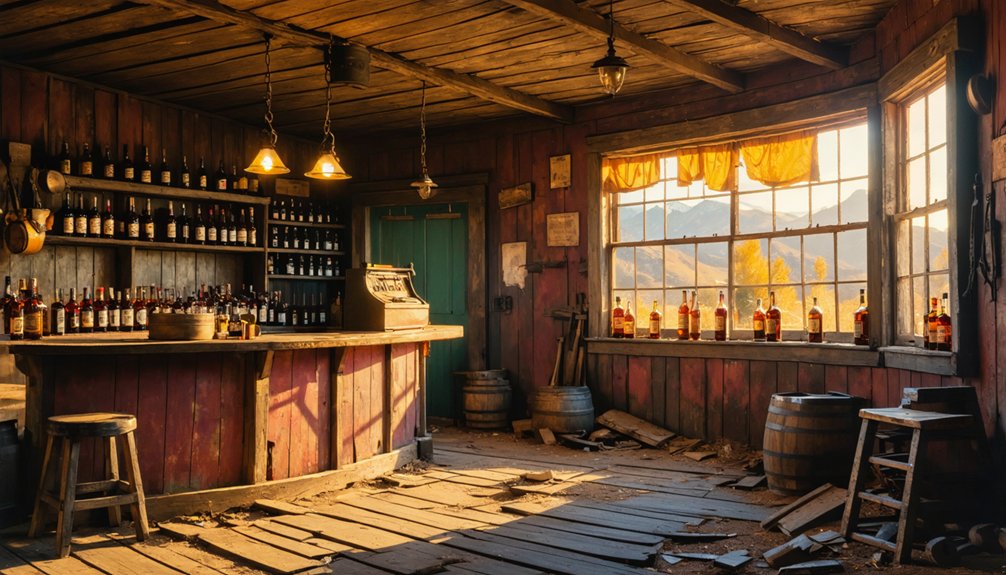
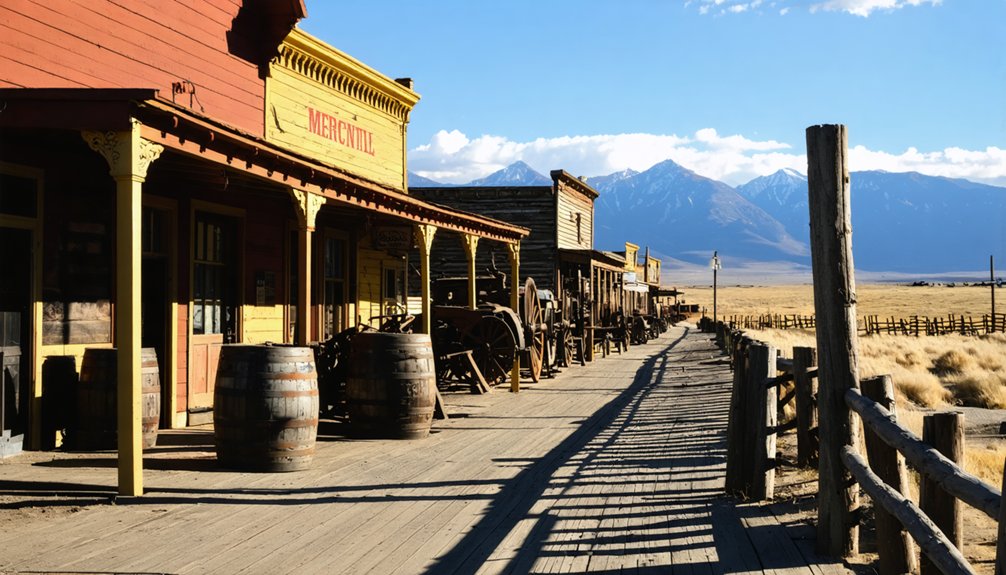
The White House Saloon, dating back to 1897, stands as one of the most iconic Historic Sites in the Mojave Desert — weathered, sun-bleached, and dripping with character. Wander past original wooden-facade buildings that have survived over a century of desert heat.
Weathered, sun-bleached, and steeped in history — the White House Saloon has anchored Randsburg since 1897.
Randsburg’s Mining Heritage runs deep. Browse antique shops stocked with gold rush-era relics, or visit the desert museum showcasing tools and artifacts from the Rand Mining District.
The old jail structure offers a raw glimpse into frontier justice. Nearby, the hand-dug Burro Schmidt Tunnel rewards curious explorers willing to venture a short drive beyond town.
Every corner here tells an unfiltered story of boom, bust, and stubborn survival.
When Is the Best Time to Visit Randsburg?
Timing your visit to Randsburg can make or break the experience. Spring and fall are the best visiting months, offering mild temperatures perfect for exploring weathered buildings, browsing antique shops, and wandering the sun-soaked streets comfortably.
You’ll move freely without battling brutal heat or unexpected cold snaps.
Summer’s intense Mojave Desert heat can drain your energy fast, so prepare thoroughly if you’re visiting between June and August — carry plenty of water and limit outdoor exposure.
Weekends year-round attract ATV riders and dirt bike enthusiasts, adding unexpected energy to this otherwise quiet desert enclave.
Seasonal activities shift naturally with the weather, but Randsburg’s rugged charm never disappears.
Whenever you arrive, you’re stepping into living history — just pick your season wisely.
What to Bring on Your Randsburg Road Trip?
Knowing when to visit Randsburg sets you up for success, but knowing what to pack seals the deal. These road trip tips keep you prepared for the Mojave’s unforgiving conditions.
Pack plenty of water since the arid desert offers no quick resupply options. Sun protection is non-negotiable — bring sunscreen, sunglasses, and a wide-brimmed hat.
Your packing essentials should include sturdy walking shoes for exploring uneven terrain around historic mining structures. Carry snacks, a paper map, and a portable phone charger since cell service gets spotty.
If you’re riding ATVs or dirt bikes, pack safety gear and extra fuel.
A camera captures the weathered wooden facades beautifully. Cash is smart too, since small-town shops don’t always accept cards.
Frequently Asked Questions
Who Were the Original Founders of Randsburg and When Was It Established?
Three prospectors—Burcham, Mooers, and Singleton—established Randsburg in 1895, earning the title “Three Lucky Men” through their founders’ background in gold discovery. Their town establishment sparked a thrilling desert mining boom you’d love exploring today!
How Much Gold Did the Yellow Aster Mining Company Produce Historically?
You’ll be amazed that the Yellow Aster Mining Company’s gold production exceeded $25 million! Their innovative mining techniques transformed Randsburg into the “Gold Town of the High Desert,” giving you a glimpse into California’s thrilling, freedom-defining gold rush era.
What Is the Current Permanent Population of Randsburg Today?
You’ll find Randsburg’s current demographics remarkably small — only about 69 to 77 permanent residents call it home today. Despite its rich town history, this resilient desert community defies abandonment, keeping the Old West spirit vibrantly alive.
Is Randsburg Listed on the National Register of Historic Places?
Yes, Randsburg’s on the National Register of Historic Places! Its historic significance earned that designation in 1981, and you’ll love seeing how preservation efforts keep this privately owned desert gem’s original mining camp buildings alive today.
How Long Did William Schmidt Take to Hand-Dig the Burro Schmidt Tunnel?
Like a man possessed by the earth itself, William Schmidt hand-dug the Burro Schmidt Tunnel over 38 years. You’ll marvel at this tunnel construction feat, a tribute to solo mining history and relentless human determination.
References
- https://www.sfgate.com/california/article/randsburg-ghost-town-22265400.php
- https://www.vvdailypress.com/story/lifestyle/travel/2024/02/21/what-you-need-to-know-when-you-visit-kern-county-ghost-town-randsburg/72629893007/
- https://www.youtube.com/watch?v=MYAwA6lntZo
- https://www.youtube.com/watch?v=2aATJnFz10E
- https://www.facebook.com/groups/americansouthwest/posts/1753998808562919/
- https://digital-desert.com/randsburg-ca/
- https://www.youtube.com/watch?v=KLN9UPProF4
- https://ermakvagus.com/noam/usa/West/Randsburg/Randsburg.htm
- https://www.californiacuriosities.com/randsburg/
- https://www.gerds-welt.de/g_welt/ghosttown_sites_ca1/randsburg_ghost_town.htm