Rath City, Texas, lasted just four years before the buffalo disappeared and took the boomtown with them. Today you’ll find open West Texas plains, two marked graves, and a damaged historical marker near US 83, about 9.1 miles south of Hamlin. Bring water, download offline maps, and visit between late September and November for the best conditions. Everything else you need to know about making this ghost town road trip worthwhile is just ahead.
Key Takeaways
- Rath City, founded in 1876 near the Brazos River, was a buffalo hide trade boomtown that collapsed by 1880, leaving no standing structures.
- The site is located approximately 9.1 miles south of Hamlin off US 83, with no signs marking its existence.
- Visit between late September and early November for the best weather, avoiding extreme summer heat exceeding 100°F.
- Pack water, snacks, a first aid kit, and offline maps, as cell coverage is unreliable beyond Hamlin.
- Inform someone of your travel plans, limit travel to daylight hours, and carry a spare tire for remote roads.
How Rath City Boomed on Buffalo Hides and Disappeared in Four Years
When the southern plains still smelled of blood and tallow, Rath City rose from nothing in 1876 and burned bright for barely four years. Charles Rath planted his trading post on the Double Mountain Fork of the Brazos, and hunters, teamsters, and hide buyers flooded in behind him.
The buffalo hide trade built this place fast and ugly — saloons, a dance hall, dugouts, corrals stacked with stinking hides.
During the winter of 1877–78, business reportedly crossed $1 million. Frontier settlement life here wasn’t romantic; it was relentless, raw, and tied entirely to one animal.
When the southern buffalo herds collapsed, so did Rath City. By 1880, it was gone. You won’t find it on most maps today, but you can still find it on the land.
What You’ll Actually Find at the Rath City Ghost Town Site
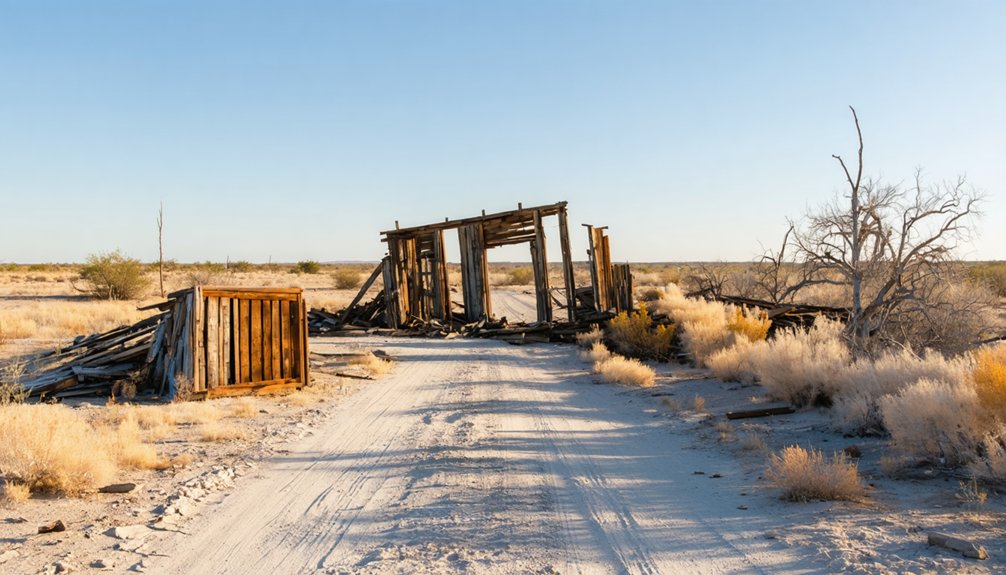
When you pull off near the Rath City site today, you won’t find standing walls or weathered storefronts—just open West Texas plain where one of the frontier’s busiest hide-trade operations once thundered with wagons and commerce.
What survives are two marked graves, commonly identified as those of Spotted Jack and Lumpkins, anchoring the site with a quiet human weight that the vanished buildings can’t provide.
After rains or shifting winds, the ground still surrenders artifacts, reminding you that beneath this scraped and ordinary-looking landscape, more than a million buffalo hides once changed hands.
Remains On The Ground
Standing at the Rath City site today, you’ll find almost nothing left above the surface — and that absence tells its own story. This frontier settlement was never built to last. Tents, dugouts, and rough timber structures didn’t survive the decades, and the original townsite was plowed under in 1971, erasing most of what remained.
What you can still find are two marked graves, commonly identified as Spotted Jack and Lumpkins, quiet reminders of the men who worked this harsh stretch of West Texas.
After rains or shifting winds, artifacts occasionally surface from the soil. A historical marker once stood here, though it was reported damaged in 2016.
For anyone drawn to ghost town history, the site rewards imagination more than observation.
Marked Graves And Artifacts
Two graves break the flatness of the Rath City site, marked with stones that identify their occupants as Spotted Jack and Lumpkins — names that carry more frontier atmosphere than biographical detail.
Little else is known about either man, but their grave markers anchor you to the human cost behind the hide trade’s brief, brutal commerce.
Beyond the graves, historical artifacts occasionally surface after hard rains or shifting winds expose what the soil’s been keeping.
Fragments of the old settlement still work their way up through the ground, quiet evidence that a boomtown once operated here at full throttle.
You won’t find anything dramatic, but if you look carefully, the land itself tells you something genuine about the people who built this place and disappeared with the buffalo.
Is Rath City Worth the Drive?
Whether you’re chasing the bones of the frontier or just curious about what a million buffalo hides looks like as a memory, Rath City earns the detour. The historical significance here runs deeper than any marker can hold.
This wasn’t just a stop on the plains — it was the economic engine of a vanished world, built fast and abandoned faster.
Ghost town experiences don’t always require standing walls. Sometimes the power lives in open ground, scattered artifacts, and two lonely graves with weathered names.
You’ll stand where teamsters haggled and hunters drank, where commerce roared briefly then went silent. Near US 83, it’s an easy addition to any West Texas route.
Come ready to look closely — and imagine harder.
Other Ghost Towns Near Rath City Worth the Detour
Once you’ve walked Rath City’s open ground, the surrounding region pulls you deeper — West Texas ghost towns cluster thickly here, each one a collapsed chapter of the same frontier story.
Hamlin sits close by, carrying its own faded Texas history in weathered storefronts. Further out, scattered settlements mark where ranching and farming communities rose hard and fell fast across the rolling plains.
These ghost town attractions don’t announce themselves with signs or parking lots — you find them by reading the landscape, spotting foundations, and following county roads that most drivers ignore.
Each stop layers onto what Rath City started: a picture of a frontier economy that burned bright, collapsed fast, and left the land largely unchanged.
Pack water, download offline maps, and keep driving.
How to Get to Rath City From US 83
Knowing where these ghost towns hide is half the work — and getting to Rath City itself demands the same attention you’d give any unmarked stretch of West Texas.
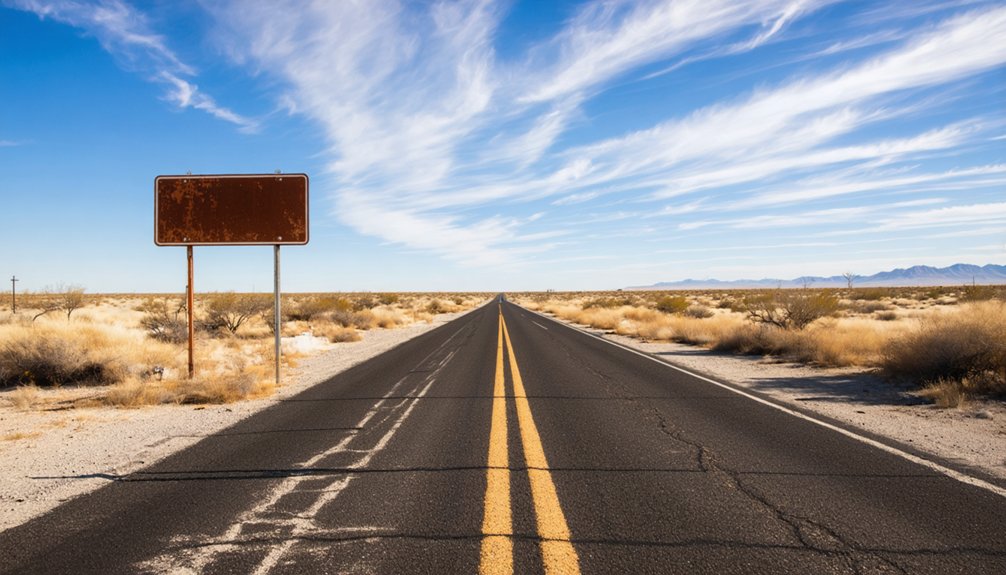
Head south on US 83 toward Hamlin in Stonewall County. Watch for the picnic area on the east side of the road, roughly 9.1 miles south of your starting point, just north of the Double Mountain Fork of the Brazos River.
That’s your landmark. The site sits quietly nearby, holding what’s left of Rath City history — a place where the buffalo hide trade once pushed business volume past a million dollars in a single season.
No signs will shout at you. You’ll need to pay attention, same as the hunters and teamsters who found this place first.
The Best Time of Year to Visit Rath City
Timing your visit to Rath City matters more than you might expect. The best visiting season runs from late September through early November, when West Texas heat breaks and the light falls low across the plains.
Spring works too, though high winds can make standing at an open site uncomfortable. Weather considerations are real here — summer temperatures regularly push past 100°F, and there’s almost no shade protecting you on that exposed ground.
Winter visits carry their own reward: the stripped-down landscape echoes what hide hunters faced during the brutal winter of 1877–78. After rainfall, artifacts surface more readily, so timing a fall visit after early rains sharpens what you’ll find.
Come prepared, come early in the day, and let the silence do its work.
What to Pack for the Drive Out to Rath City
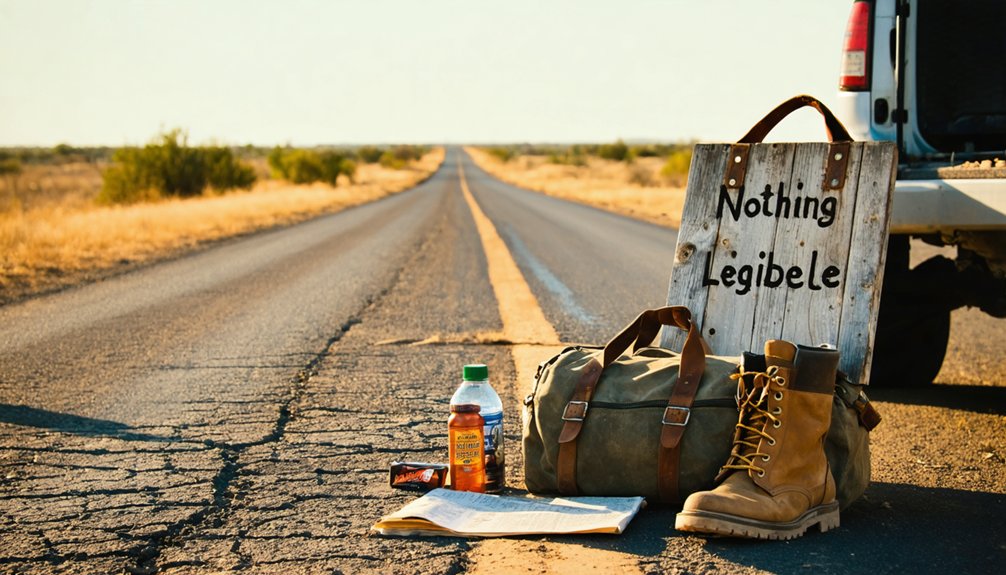
Rath City sits well off the beaten path, so you’ll want to pack smart before heading out to this remote stretch of southern Stonewall County.
Toss in water, snacks, a first aid kit, and sturdy footwear, since the site’s exposed terrain offers no shelter, no services, and no guarantee of smooth ground underfoot.
Because cell coverage thins out fast on the Texas plains, bring a downloaded offline map or a paper backup alongside a charged phone, and throw in a light jacket or sun protection depending on the season.
Essential Supplies To Bring
Before you head out to Rath City, pack like someone who respects the country—because the southern Stonewall County plains don’t offer much in the way of second chances.
These packing essentials aren’t suggestions; they’re survival basics for open terrain with no services nearby.
Bring more water than you think you’ll need—at least a gallon per person. Toss in sunscreen, a wide-brimmed hat, and sturdy boots for walking uneven ground.
Pack a paper map since cell service gets unreliable fast out here. These travel tips apply hard in remote West Texas: carry a spare tire, basic tools, and a charged phone battery pack.
Snacks, a first-aid kit, and a camera round out your kit. The land rewards the prepared.
Navigation and Communication Tools
Getting to Rath City means traversing the same open, disorienting plains that once swallowed hide hunters whole, so pack your navigation tools with that humbling fact in mind.
GPS accuracy matters out here because cell towers thin out fast past Hamlin, and mobile connectivity drops without warning. Download offline maps before you leave civilization behind. A dedicated GPS unit beats a smartphone when you’re bouncing down unmarked ranch roads near US 83.
Bring a printed map as backup — old-school reliability still earns its place in West Texas. A two-way radio or satellite communicator gives you a lifeline if something goes sideways miles from help.
The plains don’t care about your signal bars, but they’ll reward the traveler who prepared honestly for their indifference.
Comfort Items for Travel
Once you’ve squared away your maps and communication gear, turn your attention to the purely physical side of surviving a West Texas day trip — because the Stonewall County plains will test your comfort just as readily as your navigation. Buffalo hunters endured brutal conditions here; you don’t have to.
Pack deliberately:
- Travel snacks and water — the stretch near US 83 offers little between stops
- Sun protection — hat, sunscreen, and sunglasses against relentless open-sky exposure
- Entertainment options — load podcasts or audiobooks covering frontier Texas history before you lose signal
The same wind that shifts sand and surfaces old artifacts will drain you fast. Dress in layers, bring a blanket, and treat comfort as seriously as any historical research you’ve done before rolling out.
Frequently Asked Questions
Can You Camp Overnight at the Rath City Ghost Town Site?
Like a ghost slipping through time, you can’t camp overnight here. Rath City’s camping regulations don’t support stays, so respect its historical significance and explore freely during daylight before moving on.
Are There Any Guided Tours Available at Rath City?
No guided tour options exist at Rath City, so you’ll explore its historical significance completely on your own terms. You’re free to roam this forgotten buffalo hide empire, letting the windswept plains and scattered artifacts tell their untamed story.
Is the Rath City Site on Public or Private Land?
The land ownership details for this Texas history gem aren’t fully confirmed, so you’ll want to contact local Stonewall County authorities before chasing these ghost towns — trespassing won’t earn you any frontier freedom!
Who Were Spotted Jack and Lumpkins Buried at Rath City?
The historical record doesn’t clearly identify who Spotted Jack and Lumpkins were, but you’ll find their ghostly legends woven deeply into local folklore, marking two souls the buffalo frontier claimed and Rath City’s unforgiving earth quietly kept.
Did Charles Rath Operate Any Other Trading Posts in Texas?
Before Rath City’s trading post significance peaked with $1 million in hides, Charles Rath operated Adobe Walls — you’ll find that Rath City history stretches across multiple Texas frontier outposts he established chasing the booming buffalo trade westward.
References
- https://en.wikipedia.org/wiki/Rath_City
- https://www.legendsofamerica.com/rath-city-texas/
- https://atlas.thc.texas.gov/Details/5433004203
- https://kids.kiddle.co/Rath_City
- https://www.tshaonline.org/handbook/entries/rath-city-tx
- https://buffalogaptx.com/rath-city-and-hide-towns/
- https://www.lubbockonline.com/story/lifestyle/2016/01/24/caprock-chronicles-rath-city-was-trade-center-bison-hunters/14923669007/
- https://texashistory.unt.edu/ark:/67531/metapth492940/
- https://authentictexas.com/texas-ghost-towns/
- https://www.ghosttowns.com/states/tx/rathcity.html