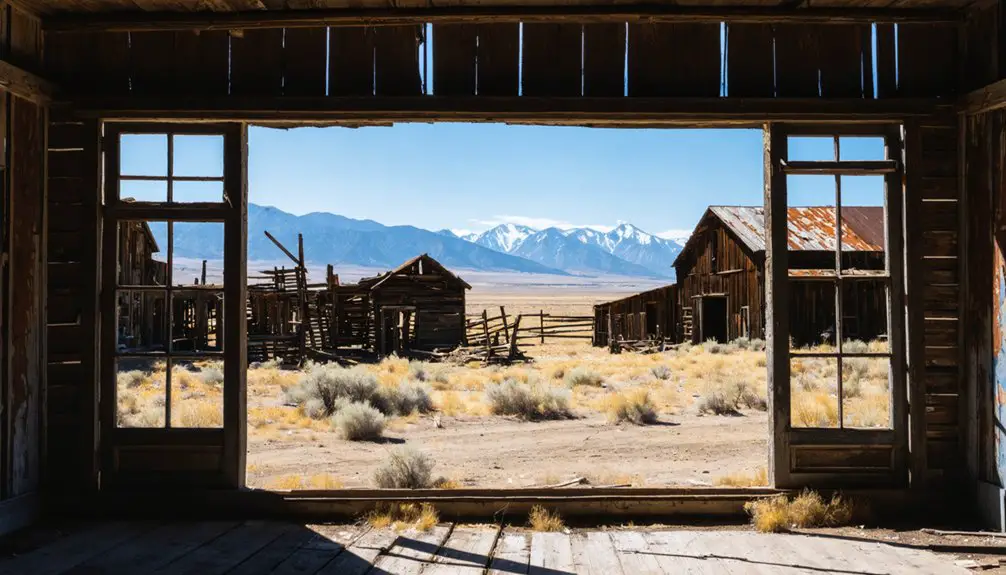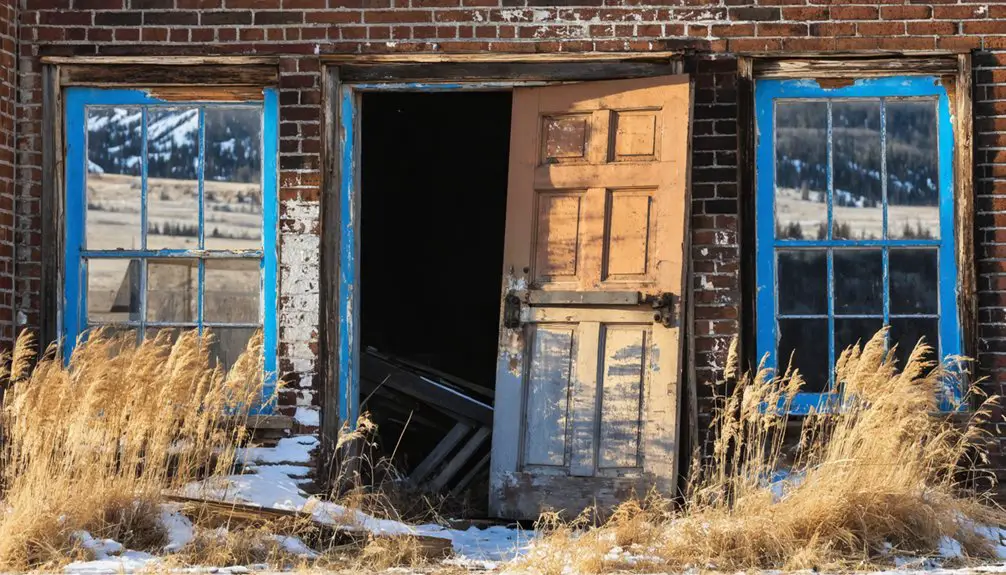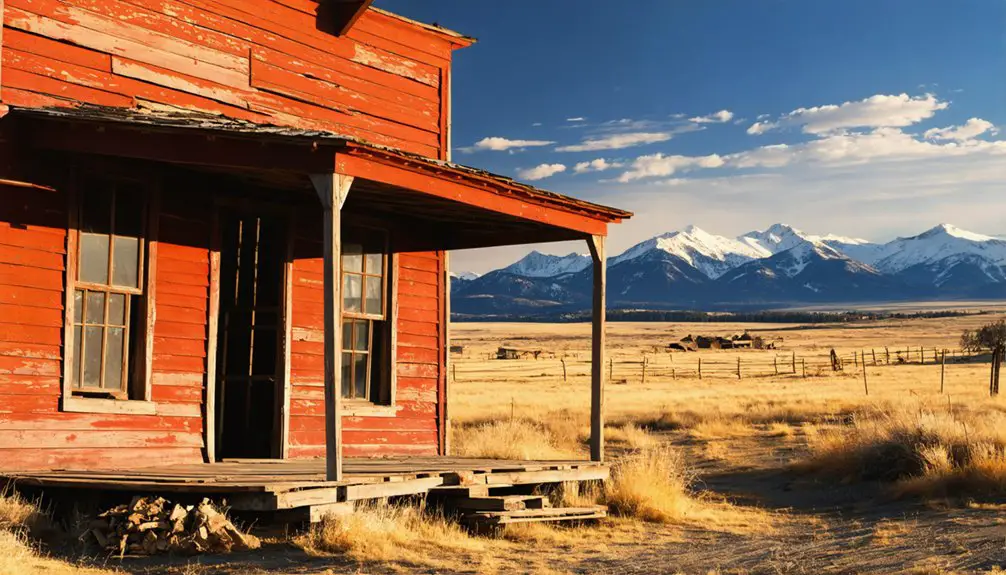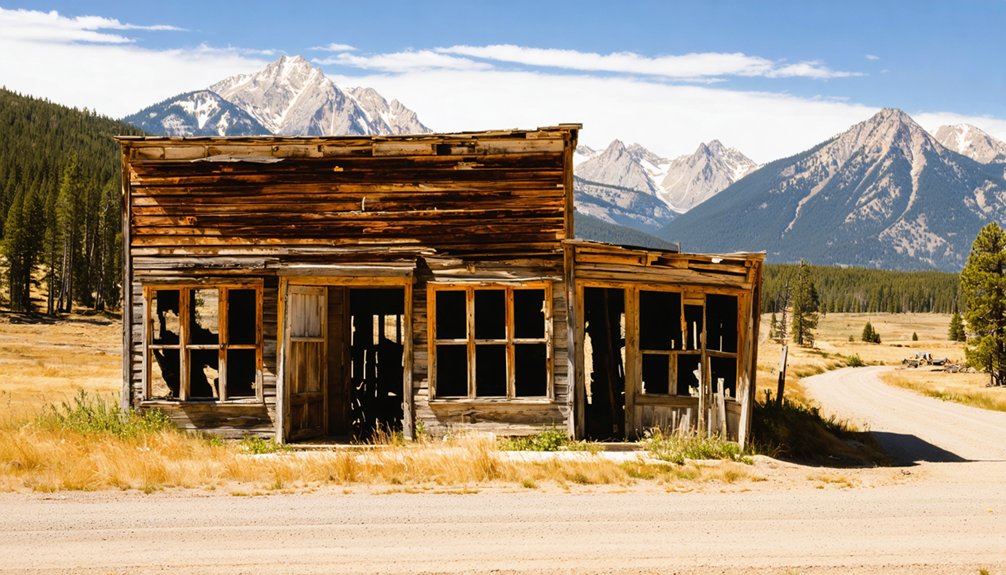
Planning a Ruby Gulch ghost town road trip puts you in Phillips County, Montana, tucked inside the Little Rockies near the small town of Zortman. Standard 2WD roads get you there, so no specialized vehicle is needed. You’ll pay a $12 admission fee and visit Thursday through Sunday. The site holds original cabins, a historic General Store, and gold rush remnants dating back to 1884. Keep scrolling to uncover everything you need for an unforgettable trip.
Key Takeaways
- Ruby Gulch is located in Phillips County, Montana, accessible via 2WD roads, with Zortman serving as the nearest landmark and last reliable stop.
- The site is open Thursday through Sunday, charges a $12 admission fee, and has a full-time caretaker on-site.
- Key historic structures include the General Store, original cabins, and an old church, all dating back to the 1870s mining era.
- Pack layers, a wide-angle lens, extra memory cards, water, snacks, cash, and a printed map due to unreliable cell service.
- Combine your visit with nearby Zortman to explore Pete Zortman’s Alabama Mine and experience the broader Little Rockies mining landscape efficiently.
Where Is Ruby Gulch, Montana, and How Do You Get There?
Tucked into Phillips County in Montana’s Little Rockies region, Ruby Gulch sits on BLM land east of Lewistown, making it a rewarding detour for road trippers already exploring Montana’s vast Hi-Line country.
Understanding Ruby Gulch geography helps you plan efficiently — the site neighbors the small town of Zortman, which serves as your most practical landmark and last reliable stop before heading in.
The good news about access routes is that you don’t need a high-clearance vehicle. The road is 2WD accessible, so most standard cars handle it without trouble.
Most standard vehicles handle the road to Ruby Gulch just fine — no high-clearance required.
That said, Montana’s winters bring snow that can complicate conditions, so checking road status before you go is smart.
Spring and fall visits often offer the clearest driving and the most dramatic scenery surrounding the site.
Ruby Gulch Admission, Hours, and Visitor Rules
Before making the drive out to Ruby Gulch, you’ll want to know that the site operates on a limited schedule — Thursday through Sunday only — so timing your visit around those days is vital.
Ruby Gulch accessibility is straightforward once you’re there, with 2WD-friendly roads keeping the site reachable without a specialized vehicle.
Admission runs $12 per person, a reasonable trade-off for stepping into a preserved piece of Montana’s gold rush history.
A full-time caretaker lives on-site, maintaining the grounds and assisting visitors, so you won’t be exploring completely alone.
Follow visitor guidelines by respecting the historic structures — deterioration is already a challenge, and foot traffic matters.
Treat the ruins carefully, and you’ll help guarantee future travelers experience Ruby Gulch just as you did.
What Structures Still Stand at Ruby Gulch Today?
When you walk through Ruby Gulch today, you’ll find several surviving structures that transport you back to the 1870s mining era, including the iconic General Store/Post Office, which local legend claims was built directly over a padre’s grave.
You can explore a scattering of original cabins, shacks, and remnants of the tent settlements that once housed nearly 2,000 miners during the town’s peak production years.
Keep in mind, though, that ongoing structural deterioration continues to claim these historic buildings despite active restoration efforts to slow the decay.
Surviving Historic Buildings
Despite decades of abandonment and weathering, Ruby Gulch still holds onto several of its original structures, giving you a tangible connection to its rough-and-tumble mining past.
The General Store and Post Office stands as the site’s most compelling example of architectural significance, carrying legends of a padre’s grave beneath its foundation and two documented murders within its walls.
Scattered cabins, shacks, and remnants of tent foundations round out what remains of this once-bustling settlement.
Historic preservation efforts have slowed deterioration, though nature continues reclaiming the site gradually.
Walking among these surviving buildings, you’ll feel the weight of 1870s frontier life firsthand.
Each structure tells a story that no museum replica ever could, making Ruby Gulch a genuinely rewarding stop for history-minded travelers craving authenticity.
Ongoing Structural Deterioration
Time, weather, and decades of neglect are slowly winning their battle against Ruby Gulch’s remaining structures. Despite restoration efforts, preservation challenges continue threatening the site’s structural integrity.
You’ll notice visible signs of decay throughout the town:
- Sagging rooflines bowing under years of accumulated snow weight
- Crumbling adobe walls eroding from seasonal freeze-thaw cycles
- Rotting wooden beams weakening foundational supports across multiple buildings
- Collapsing doorframes making certain structures unsafe to enter
A full-time caretaker works hard to slow the deterioration, but nature remains relentless. Each visit reveals subtle changes — boards loosening, walls shifting, history quietly disappearing.
If exploring abandoned places drives your wanderlust, visit soon. What stands today may not survive another decade of Montana’s unforgiving climate.
The Gold Rush History Behind Ruby Gulch’s Rise and Fall
Once you understand the gold rush history behind Ruby Gulch, the silence of its abandoned streets hits differently. Major discoveries sparked in 1884, drawing prospectors hungry for fortune into Montana’s Little Rockies.
At its peak, Ruby Gulch yielded an astonishing $14,000 in gold daily. Early mining techniques couldn’t reveal the ore’s full potential, but the introduction of the cyanide reduction process changed everything. Nearly 2,000 miners flooded the area, transforming a rugged landscape into a thriving settlement almost overnight.
That prosperity, however, was never guaranteed. When the gold ran out, the economy collapsed just as fast as it had risen. The post office closed in 1941, and by 1958, even sporadic operations had ceased, leaving Ruby Gulch frozen in time.
How Ruby Gulch Became a Ghost Town
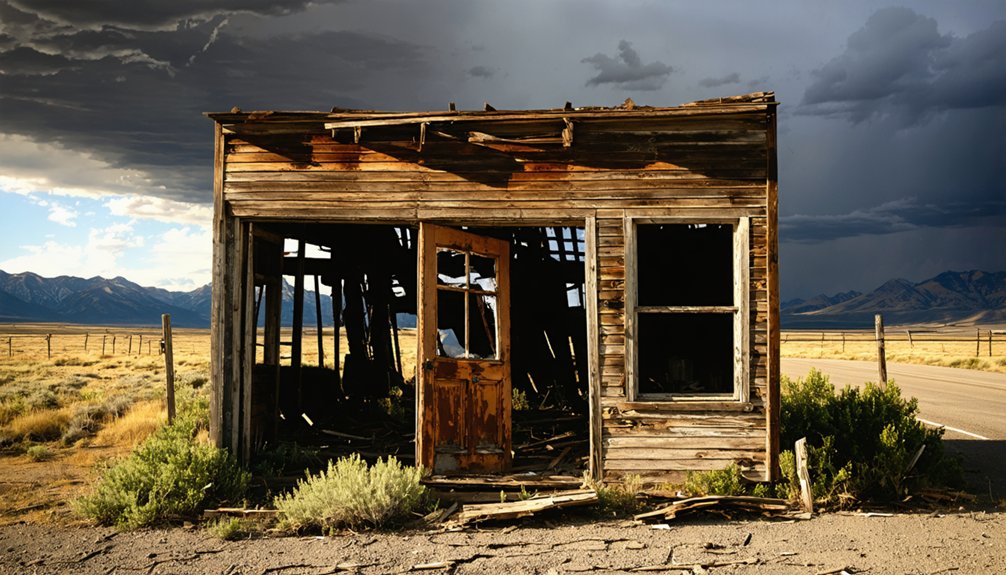
Once the main mine shut down, Ruby Gulch‘s collapse came swiftly, leaving behind only scattered ruins where a thriving community once stood.
Sporadic operations limped along until 1958, mostly processing leftover tailings, but the town’s fate was already sealed long before that.
The post office closure on May 31, 1941, stands as the clearest marker of Ruby Gulch’s shift from a bustling gold camp to a ghost town frozen in time.
Peak Mining Operations Collapse
As the primary mine shuttered, Ruby Gulch’s bustling economy collapsed with stunning speed. Mining technology advancements had driven incredible wealth, but once the ore ran out, everything unraveled fast. The economic impacts touched every corner of daily life:
- The main mine closed, eliminating the town’s primary income source overnight.
- Sporadic operations continued until 1958, focusing mostly on tailings processing.
- Tents vanished first, followed by steady residential abandonment.
- The post office officially closed May 31, 1941, signaling the town’s final chapter.
You’re looking at a place that went from producing $14,000 in gold daily to complete silence within years.
Nearly 2,000 miners once crowded these streets — then they were simply gone, leaving behind structures that still stand today as powerful witnesses to boom-and-bust frontier life.
Post Office Closure Marks Decline
Few milestones mark a town’s death more clearly than the closure of its post office. On May 31, 1941, Ruby Gulch lost that final thread connecting it to the outside world.
The post office significance can’t be overstated — it represented commerce, communication, and community identity. Once the mining economy collapsed, residents didn’t stick around waiting for things to improve. They left, taking their livelihoods with them.
Tents vanished first, then cabins emptied one by one. The town that once buzzed with nearly 2,000 miners pursuing gold-driven dreams grew eerily quiet.
Although sporadic operations continued processing tailings until 1958, the soul of Ruby Gulch had already departed long before. That sealed post office door fundamentally announced what everyone already knew — the town was finished.
When to Visit Ruby Gulch for the Best Experience
When should you plan your trip to Ruby Gulch? You’re free to visit anytime, but understanding the best seasons guarantees a rewarding experience.
Summers offer comfortable exploration temperatures, while winters deliver dramatic snowy landscapes for adventurous souls.
Top visitor tips for maximizing your Ruby Gulch experience:
- Visit Thursday through Sunday — those are the only days the site accepts visitors.
- Arrive in summer for clear roads and ideal photography lighting.
- Budget $12 per person for admission before hitting the road.
- Pack for temperature swings — cool summers shift quickly into cold evenings.
The road remains 2WD accessible, meaning you don’t need a specialized vehicle. Just show up ready to explore history firsthand.
What to Photograph at Ruby Gulch
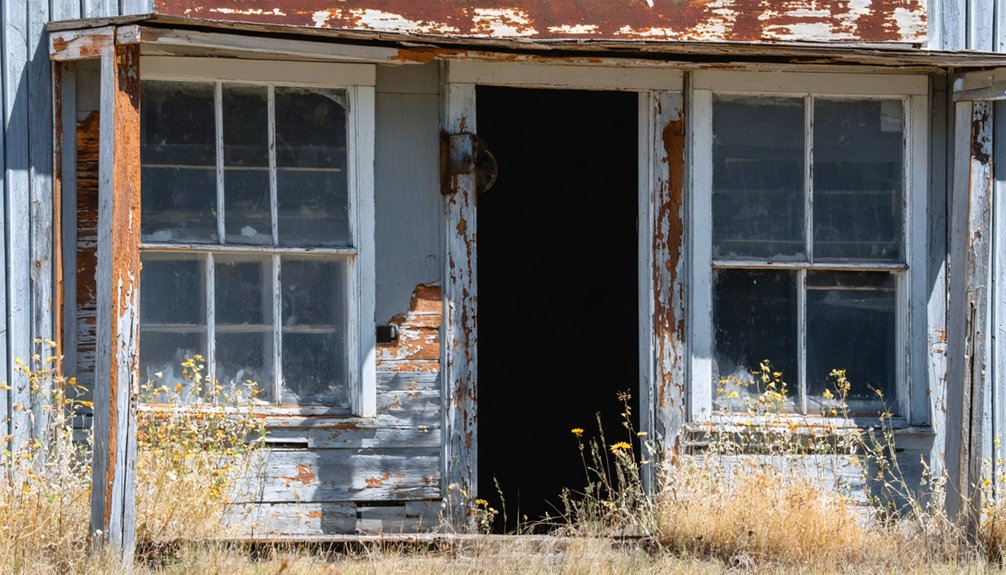
Once you’ve sorted out the logistics of your visit, it’s time to think about what you’ll actually capture through the lens. Ruby Gulch rewards photographers who appreciate historical context alongside compelling composition.
Start with the General Store and Post Office — a structure carrying legends of a buried padre and two documented murders. That backstory transforms an ordinary facade into something haunting.
Move through the remaining cabins and shacks, letting decay tell its own story. The old church standing among scattered ruins offers striking architectural contrast against Montana’s open sky.
For stronger photography tips, shoot during golden hour when long shadows emphasize weathered textures across deteriorating wood and stone.
Wander the surrounding landscape too — the mountain backdrop that originally drew gold-hungry miners still makes for powerful, contextually rich framing.
Is Zortman Worth Adding to Your Ruby Gulch Route?
If you’re already making the drive through Phillips County to reach Ruby Gulch, adding Zortman to your route is a natural decision.
Zortman history runs parallel to Ruby Gulch connections — the town’s prosperity grew directly from the richer mines nearby.
Here’s why you should stop:
- Explore Pete Zortman’s legendary Alabama Mine claim on the Little Rockies’ eastern side.
- Trace the mining economy that linked both towns during their peak production years.
- Photograph remnants of a community built on the same gold-bearing geology as Ruby Gulch.
- Experience the broader Little Rockies mining landscape in a single road trip loop.
Both destinations reward curious travelers who want the full picture of Montana’s frontier mining heritage without backtracking unnecessarily across the same terrain.
What to Bring on Your Ruby Gulch Day Trip
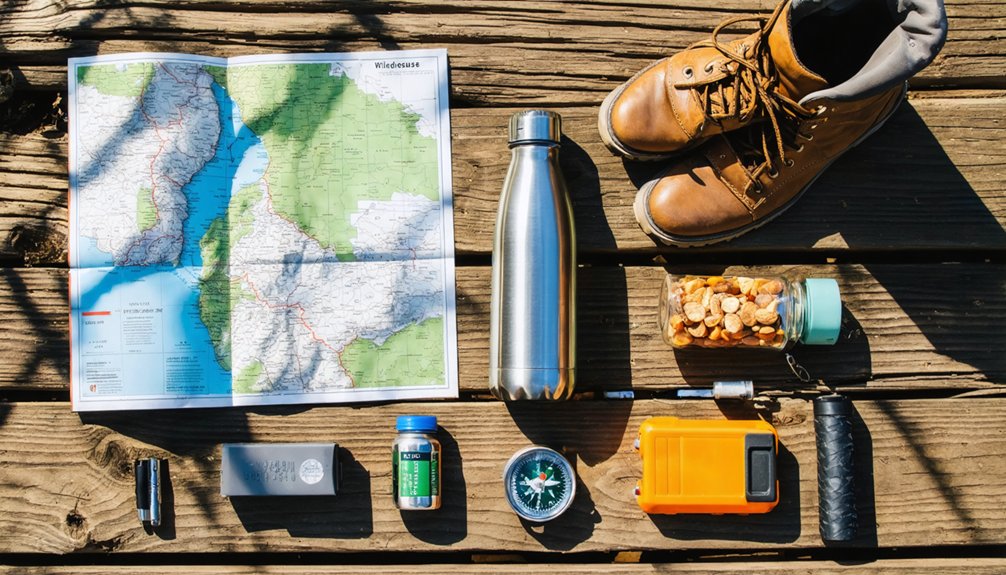
Packing smart makes the difference between a frustrating outing and a genuinely rewarding ghost town experience. Ruby Gulch rewards prepared visitors, so bring layers since mountain temperatures shift quickly between morning and afternoon.
Packing smart transforms a ghost town visit from frustrating to genuinely rewarding — Ruby Gulch favors the prepared traveler.
Sturdy walking shoes handle the uneven terrain around deteriorating structures comfortably.
For ghost town photography, a wide-angle lens captures sprawling ruins effectively, while a polarizing filter manages harsh midday glare on weathered wood. Bring extra memory cards because you’ll shoot more than expected.
Carry water and snacks since no services exist on-site. Pack a printed map because cell service proves unreliable in the Little Rockies.
A small notebook helps document historical exploration observations that photos alone won’t capture. Finally, bring $12 cash per person for the admission fee before entering.
Frequently Asked Questions
Is There a Full-Time Caretaker Living at Ruby Gulch Ghost Town?
Yes, a full-time caretaker lives at Ruby Gulch! They’re dedicated to preserving the ghost town history, handling caretaker responsibilities like ongoing maintenance and welcoming visitors, so you’ll always have knowledgeable support during your adventure there.
Was Ruby Gulch Listed on the National Historic Register?
Like a viral post frozen in time, Ruby Gulch earned its spot on the National Historic Register in 1975. You’ll appreciate how this milestone highlights its historical significance and honors ongoing preservation efforts at this remarkable site.
Were Any Murders Documented at the Ruby Gulch General Store?
Yes, you’ll find two documented murderous incidents tied to the General Store/Post Office, adding chilling ghost stories to Ruby Gulch’s historical accounts. It’s a hauntingly fascinating stop that’ll captivate your adventurous, freedom-seeking spirit!
Did the Cyanide Reduction Process Impact Mining Growth at Ruby Gulch?
Yes, the cyanide effects revolutionized mining techniques at Ruby Gulch! You’d be amazed how this breakthrough process allowed miners to extract ore more efficiently, attracting nearly 2,000 miners and dramatically accelerating the region’s gold production growth.
Is the General Store at Ruby Gulch Built Over a Grave?
You’re literally standing on a grave! Local legend claims Ruby Gulch’s General Store holds chilling ghost stories beneath its floors, adding eerie historical significance to this remarkable structure that’ll make your skin crawl with every creaking step inside.
References
- https://www.gvrhc.org/Library/Ruby.pdf
- https://destinationmontana.com/ghost-towns/
- https://www.ghosttowns.com/states/mt/zortman.html
- https://www.youtube.com/watch?v=gAeFd4XXl3M
- https://en.wikipedia.org/wiki/List_of_ghost_towns_in_Montana
- https://treasurestate.com/ghost-towns/zortman/