If you’re planning a trip to Ruby, Montana, you’ve got the wrong state — Ruby is actually a ghost town in Santa Cruz County, Arizona, just seven miles north of the Mexican border. It’s one of Arizona’s best-preserved ghost towns, with roughly 25 standing structures scattered across rugged mountain terrain at 4,219 feet. You’ll need a permit to enter, and the road demands a high-clearance vehicle. Stick around to uncover everything you need to plan your visit.
Key Takeaways
- Ruby is actually a ghost town in Santa Cruz County, Arizona, not Montana, located 25 miles west of Rio Rico.
- Entry requires a permit (issued in 24+ hours), with admission costing $15 per person; book online in advance.
- The site operates Thursday through Sunday, 9:00 am until dusk, across roughly 350 acres of trails and ruins.
- Travel via unpaved road with a high-clearance vehicle; avoid monsoon season (July–August) due to muddy, impassable conditions.
- Pack water, sturdy shoes, sunscreen, and cash in case online reservations aren’t processed before arrival.
Where Is Ruby, Arizona (Not Montana)?
Despite what the article title suggests, Ruby isn’t in Montana at all — it’s a ghost town tucked into Santa Cruz County, Arizona, roughly 25 miles west of Rio Rico and just 7 miles north of the Mexico–United States border.
Ruby isn’t in Montana — it’s a ghost town in Santa Cruz County, Arizona, just miles from the Mexican border.
The site rests near the base of Montana Peak in the Pajarita Wilderness at an elevation of 4,219 feet, flanked by Ruby Peak to the north and rugged, uninhabited mountain terrain in every direction.
You’ll find a landscape shaped by deep mining history, where lead and zinc once made Ruby Arizona’s most productive operation between 1935 and 1939.
Preservation efforts earned the town a National Historic Register listing in 1975, and today private owners maintain the fenced property.
It’s remote, it’s raw, and it rewards the adventurous traveler willing to seek it out.
What’s Left to See at the Ruby Ghost Town?
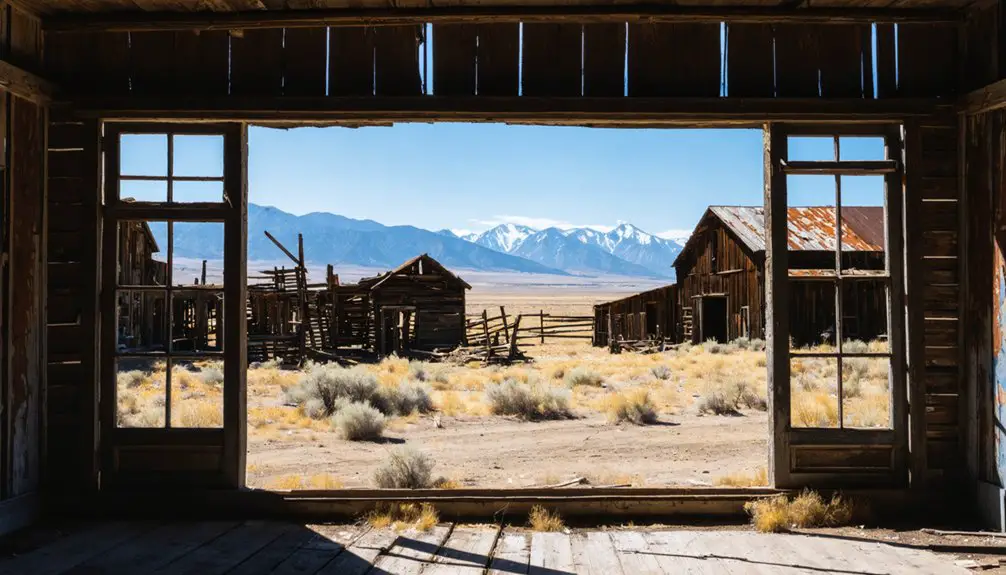
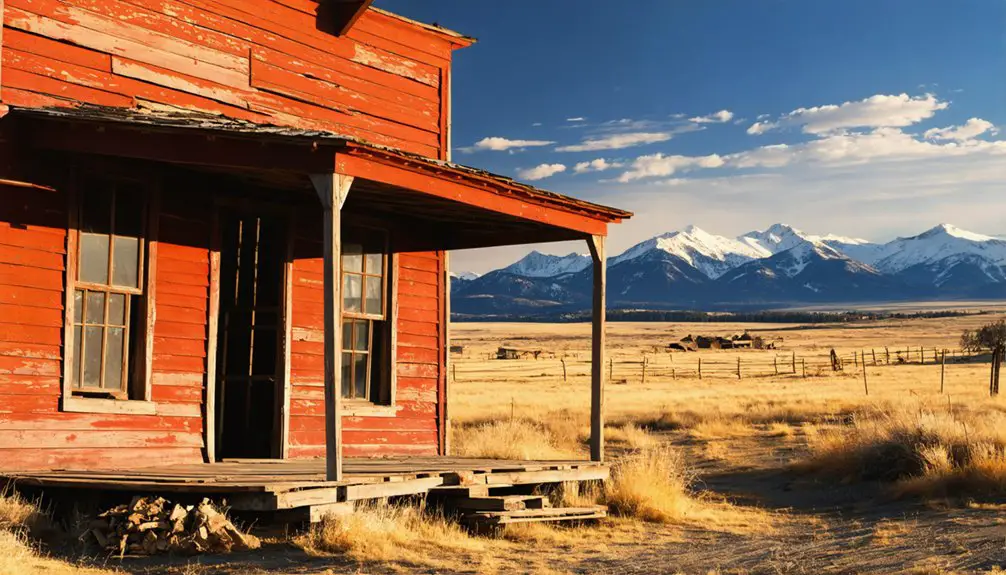
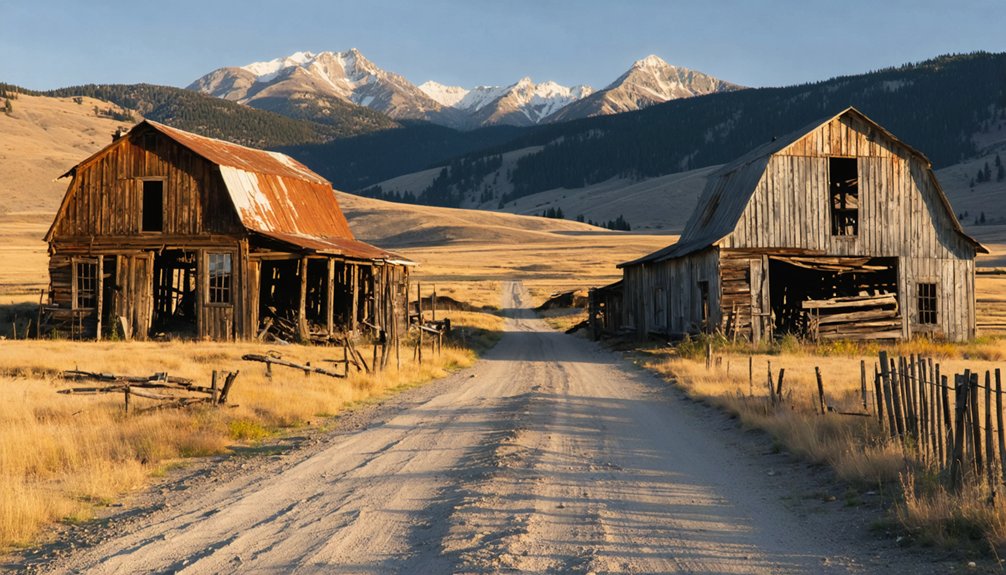
After decades of abandonment and vandalism, Ruby still holds roughly 25 standing structures, including a school, jail, store, clinic, and coffee shop — about a dozen of which remain in particularly dilapidated condition.
You’ll find abandoned buildings in various states of decay, from roofless adobe shells to surprisingly intact frame structures. An on-site museum displays historical artifacts, including old mining equipment and photographs that bring the boom years vividly to life.
Two small lakes, stocked with bass and bluegill, sit separated by mine tailings at the town’s foot.
Over 350 acres of trails wind through the surrounding hills and canyons.
The irregular layout of the townsite reflects its origins as a collection of separate mining claims, giving the place a raw, unplanned character you won’t find anywhere else.
How to Get Into Ruby: Permits, Fees, and Hours?
Seeing the ruins is one thing — actually getting through the gate requires a bit of planning. You’ll need an entry permit, and getting one typically takes over 24 hours, so don’t count on walking up same-day. The site opens Thursday through Sunday, from 9:00 am until dusk.
Admission runs $15 per person for a day pass covering the town and trails. Camping overnight costs $20 per person. Book online to avoid paying cash at the gate.
The fencing and restricted access aren’t arbitrary — they’re direct results of the preservation efforts protecting the historical artifacts still scattered across the property. Vandalism forced owners to lock things down.
Respect that history, plan ahead, and you’ll earn yourself a genuinely unforgettable visit.
How Bad Is the Road to Ruby and What Should You Bring?
The road into Ruby isn’t paved, and it’ll test your vehicle — but it’s manageable. Road conditions vary dramatically by season. During July and August monsoons, dirt roads turn muddy and occasionally impassible, so check forecasts before heading out. A high-clearance vehicle gives you the best shot at a smooth trip, though most standard cars handle it fine in dry weather.
Pack your essential gear thoughtfully. Bring enough water for the full day since there’s no convenience store waiting at the end of that road. Wear sturdy shoes for hiking the 350 acres of trails. Toss in sunscreen, a hat, and layers — mornings run cool, afternoons warm up fast.
Cash helps too, in case your online reservation doesn’t process before arrival.
Fishing, Hiking, and Camping at Ruby Ghost Town
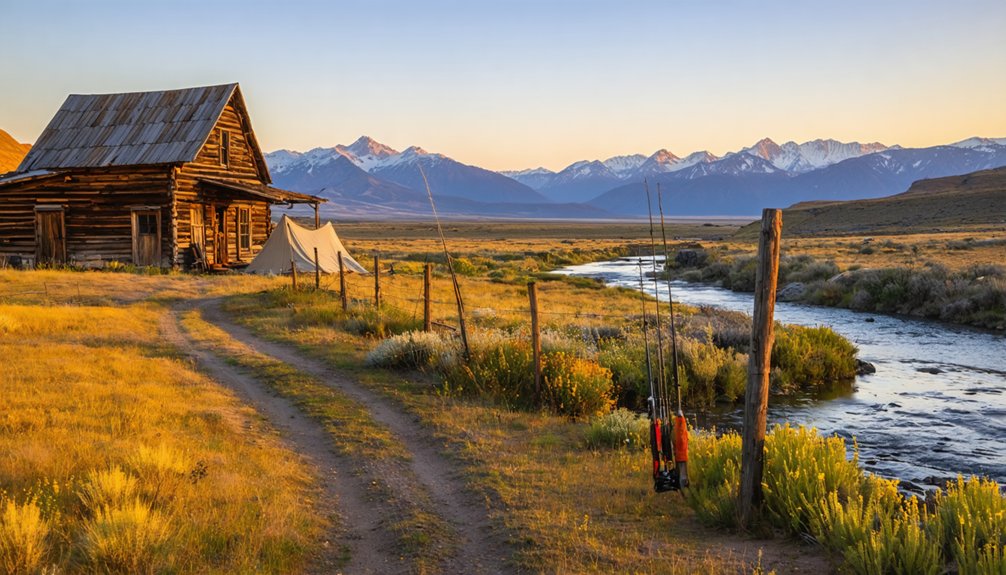
Once you’ve sorted out your gear and gotten a feel for the road, Ruby rewards you with more than just crumbling buildings to photograph. Two small lakes stocked with bass and bluegill sit at the foot of town, separated by old mine tailings, making fishing a legitimate reason to linger.
Lace up your boots and explore roughly 350 acres of trails where wildlife encounters are common and scenic viewpoints open up across the surrounding Pajarita Wilderness. If one day isn’t enough, camping is available for $20 per person, giving you quieter morning hours before day visitors arrive.
The site opens Thursday through Sunday at 9:00 am, so plan accordingly, arrive with a valid permit, and bring enough water to stay comfortable throughout your visit.
Frequently Asked Questions
When Did Ruby’s Post Office Permanently Close Its Operations?
Coincidentally, as mining history faded, Ruby’s post office permanently closed in May 1941, marking the town’s ghost town tourism era. You’ll find this abandoned relic of Arizona’s past frozen in time, waiting to be explored.
Who Currently Owns the Ruby Ghost Town Property Today?
Pat and Howard Frederick, alongside five other families, currently own this ghost town history treasure. You’ll find it’s a unique tourist attraction managed by survivors of the original 1961 investors who purchased Ruby’s decaying property.
Was Ruby Ever Listed on the National Historic Register?
After years of uncertainty, Ruby’s historic preservation efforts finally paid off — it’s listed on the National Historic Register since 1975, making it one of Arizona’s most fascinating tourist attractions you can actually explore yourself.
What Minerals Made Ruby Arizona’s Most Productive Mining Town?
You’ll find Ruby Arizona’s mining history dominated by lead and zinc mineral deposits, making it the state’s largest producer of both metals between 1935 and 1939 — a remarkable achievement worth exploring firsthand.
How Many People Lived in Ruby During Its Peak Population?
Surprise—it’s not Montana! Ghost town legends say Ruby, Arizona’s historical population trends peaked at around 2,000 people between 1926 and 1940, with roughly 350 miners working around-the-clock shifts during its thriving, free-spirited glory years.
References
- https://en.wikipedia.org/wiki/Ruby
- https://www.gvrhc.org/Library/Ruby.pdf
- https://npgallery.nps.gov/GetAsset/b8f89a7e-4b6b-45b2-aba0-76c7e0de80a5
- http://www.usa-ti.com/Arizona/Ghost_Towns/Ruby/brochures/2004_The_Private_Life_Of_Ruby-Mining_GhostTown.pdf
- https://historynet.com/ghost-towns-ruby-arizona/
- https://www.thetravel.com/how-to-visit-ruby-arizona/
- https://www.tripadvisor.com/Attraction_Review-g8454832-d8453019-Reviews-Ruby_Ghost_Town-Ruby_Arizona.html
- https://tucson.com/news/local/subscriber/ruby-ghost-town-closing-soon-southwest-of-tucson-arizona-mining-history-environment-wildlife/article_031056d4-124b-11ef-a39c-c3dec98379c7.html
- https://www.ghosttowns.com/states/az/ruby.html