Sage, California sits near Hemet in Riverside County, and it’s one of those rare ghost towns that hasn’t been polished for tourists. You’ll reach it along Sage Road and historic St. John’s Grade, where roadside ruins of adobe walls, wooden structures, and stone foundations tell a quiet frontier story. Visit in spring or fall for the best conditions, and pair it with Calico or Bodie for a full circuit. There’s far more to uncover about this forgotten hamlet.
Key Takeaways
- Sage, California, located near Hemet in Riverside County, is an off-the-beaten-path ghost town best reached via Sage Road along St. John’s Grade.
- Ruins include late-1800s adobe structures, wooden building remnants, stone walls, and a well, all viewable from the roadside behind barbed wire fencing.
- Visit during spring or fall to avoid extreme summer heat and winter rains for the most comfortable exploration experience.
- Pair Sage with nearby sites like Calico Ghost Town, Old Town Temecula, and the Hemet Museum to build a full ghost town circuit.
- No formal parking, signage, or guided tours exist, so visitors must self-guide, respect property boundaries, and research road conditions beforehand.
What Is Sage, California: Ghost Town or Forgotten Hamlet?
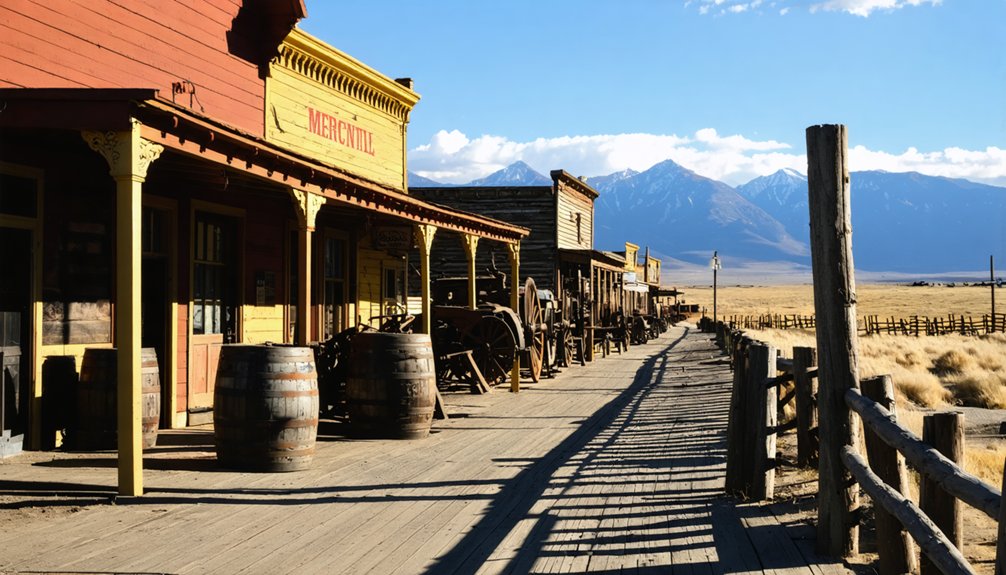
While it doesn’t appear on most ghost town bucket lists, Sage, California, quietly holds its own as one of Riverside County’s most overlooked historic relics. Tucked into the rural hills near Hemet in the Inland Empire, Sage isn’t a polished tourist destination with paved walkways and gift shops. It’s rawer than that.
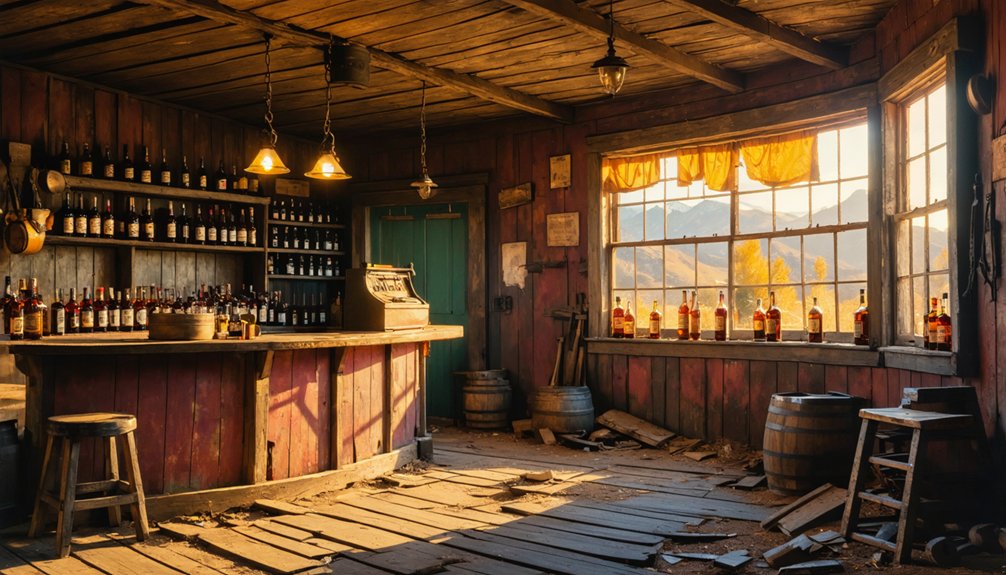
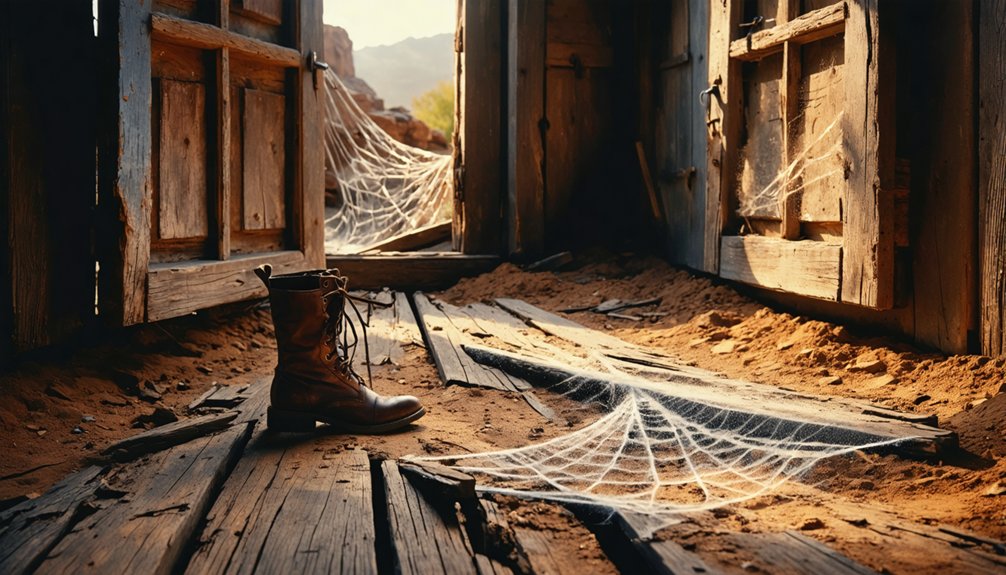
You’ll find crumbling adobe walls, collapsed wooden structures, and stone foundations slowly surrendering to time. Modern preservation efforts here are minimal, and tourist interest remains low, which is exactly what makes it worth seeking out.
Sage sits somewhere between a ghost town and a forgotten hamlet, never fully abandoned but never truly thriving either. If you crave unfiltered history off the beaten path, Sage delivers that experience honestly.
How Sage Grew From a Road Stop Into a Fading Settlement
Before Sage had a name most people recognize, it had a purpose: keeping travelers moving through tough inland terrain. The settlement began as San Ignacio, a stop along early roads connecting San Jacinto, Temecula, and inland routes toward the Colorado River. John Ticknor opened a store there in 1875, and by 1891, the place carried the name Sage.
You’re tracing a route shaped by ranchers, road surveyors, and St. John’s Grade, a path that once mattered deeply to frontier movement. Local legends hint at a blacksmith shop and small commercial life, but growth never took hold.
As roads shifted, Sage quietly faded. Today, preservation challenges leave its ruins exposed and fenced, asking you to piece together its story from fragments rather than signage.
The Ruins Still Standing at Sage Today
What’s left of Sage won’t greet you with interpretive signs or paved walkways. You’ll find scattered ruins carrying real cultural significance, telling a quiet story of frontier life. Preservation challenges mean much sits unprotected, so treat every remnant with respect.
Sage won’t meet you halfway. Come ready to look, listen, and leave every remnant exactly as you found it.
Here’s what you can expect to see:
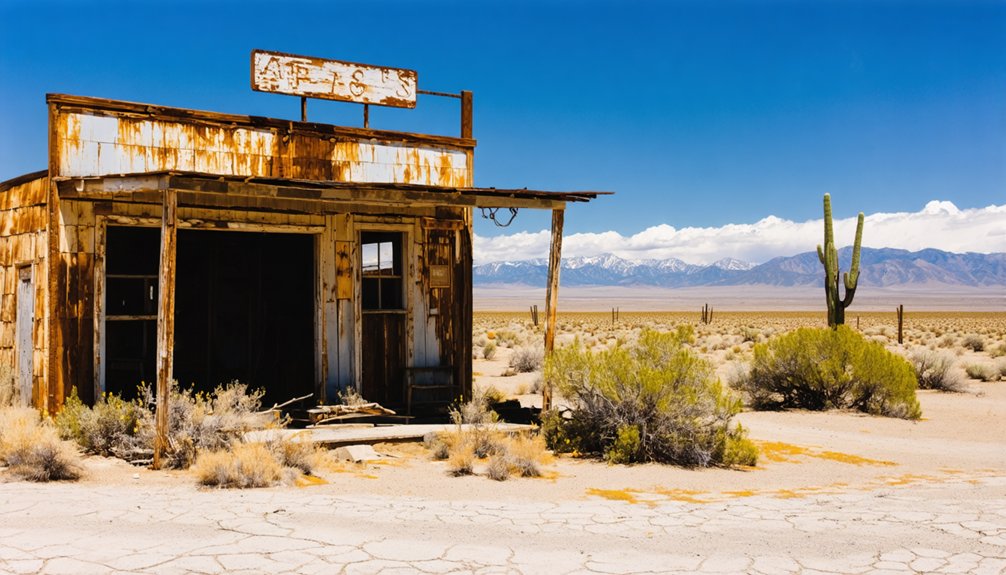
- A late-1800s adobe structure enclosed behind barbed-wire fencing
- Two wooden building ruins once standing beside that adobe
- Concrete foundations spread across a field south of the adobe
- Stone walls outlining former building footprints
- A well and collapsed structures hinting at a once-active community
You’re not walking through a museum. You’re reading a landscape. Stay on roadsides where fencing restricts access, keep your eyes open, and let Sage speak for itself.
Why Sage Declined While Other Inland Communities Survived
Those ruins tell you what Sage became, but the road tells you why. When St. John’s Grade lost its role as a primary inland route, travelers stopped passing through, and Sage lost its purpose.
Unlike communities that found modern preservation efforts or developed stronger economic roots, Sage never evolved beyond a small road stop. It had a store, possibly a blacksmith shop, and not much else.
Community resilience requires more than foot traffic — it needs industry, water, or strategic geography that keeps people coming back. Sage had none of those anchors.
Other inland towns adapted when roads shifted. Sage didn’t get that chance.
What’s left is honest though — scattered adobe, crumbling foundations, and a quiet road that still carries the ghost of every traveler who once passed through.
How to Reach Sage Along Historic St. John’s Grade
Reaching Sage means driving a stretch of inland Southern California that hasn’t changed much in spirit since ranchers and road travelers used it more than a century ago.
St. John’s Grade, historically linking San Jacinto and Temecula, carries real cultural significance as the backbone that once kept Sage alive.
Use these navigation notes before you go:
- Follow Sage Road through Riverside County toward Hemet
- St. John’s Grade forms the historic corridor framing your approach
- Ranchers once rerouted through Sage when Rawson Grade flooded
- Expect no formal parking or signage — this isn’t a curated destination
- Preservation challenges mean fenced ruins require roadside viewing only
You’re fundamentally tracing a working frontier route, not a tourist loop.
That freedom to explore raw, unpolished history is exactly what makes this drive worthwhile.
What to Expect on the Ground Before You Visit
Before you pull off Sage Road, understand that this site won’t greet you with interpretive signs or paved walking paths. What you’ll find is raw urban decay — barbed-wire fences protecting a crumbling late-1800s adobe, weathered wooden building remnants, and a field scattered with concrete foundations, stone walls, and a collapsed well.
Cultural preservation here is minimal and unofficial, so respect fenced boundaries and stick to roadside viewing. The ruins spread across an open landscape without clear markers, meaning you’ll need sharp eyes and patience to piece together Sage’s former layout.
No visitor center, no guided tours, no curated experience awaits you — just fragments of a forgotten frontier settlement standing quietly against the inland Southern California sky. Come prepared, stay observant, and move freely through history on your own terms.
The Best Time of Year to Drive Through Sage
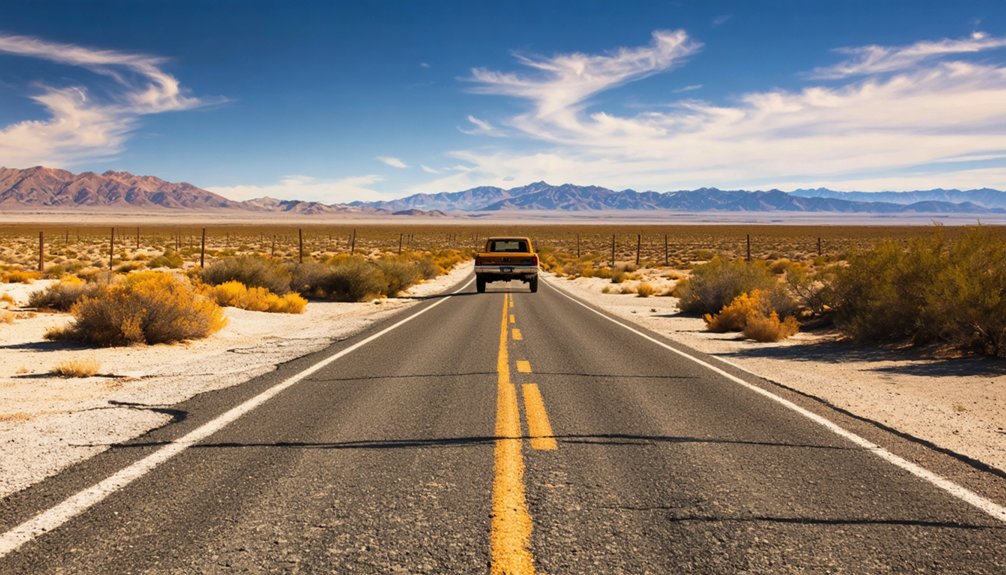
Timing your visit to Sage makes a real difference between a rewarding drive and a miserable one. Southern California’s inland terrain shifts dramatically across seasons, and Sage rewards those who plan ahead.
- Spring (March–May): Mild temperatures make roadside exploration comfortable.
- Fall (September–November): Clear skies highlight the cultural significance of the crumbling adobe ruins.
- Summer: Brutal heat turns the exposed landscape punishing — avoid midday stops.
- Winter: Rawson Grade becomes impassable during rains, cutting off alternate routes.
- Weekday visits: Less traffic lets you absorb the quiet without interruption.
Preservation challenges mean fencing and private land already limit access, so you’ll want favorable conditions working in your favor.
Come when the weather cooperates, and Sage reveals its forgotten story on your terms.
Is Sage Worth the Trip Without Other Stops Nearby?
Once you’ve sorted out the best window to visit, the next honest question is whether Sage alone justifies the fuel. Honestly, it depends on what drives you.
Whether Sage alone justifies the fuel depends entirely on what drives you.
If you crave escaping urban development and the polished sameness of modern preservation sites, Sage delivers something rawer. You’ll find no gift shop, no ranger, no curated trail — just crumbling adobe, collapsed walls, and open sky. That freedom has real value.
However, if you need a full day’s itinerary, pair Sage with Hemet’s local history or a cruise along St. John’s Grade itself. The drive through inland Riverside County carries its own reward.
Sage works best for travelers who find meaning in quiet, overlooked places rather than those expecting a dramatic destination.
Other Inland Empire Ghost Towns Worth Adding to the Drive
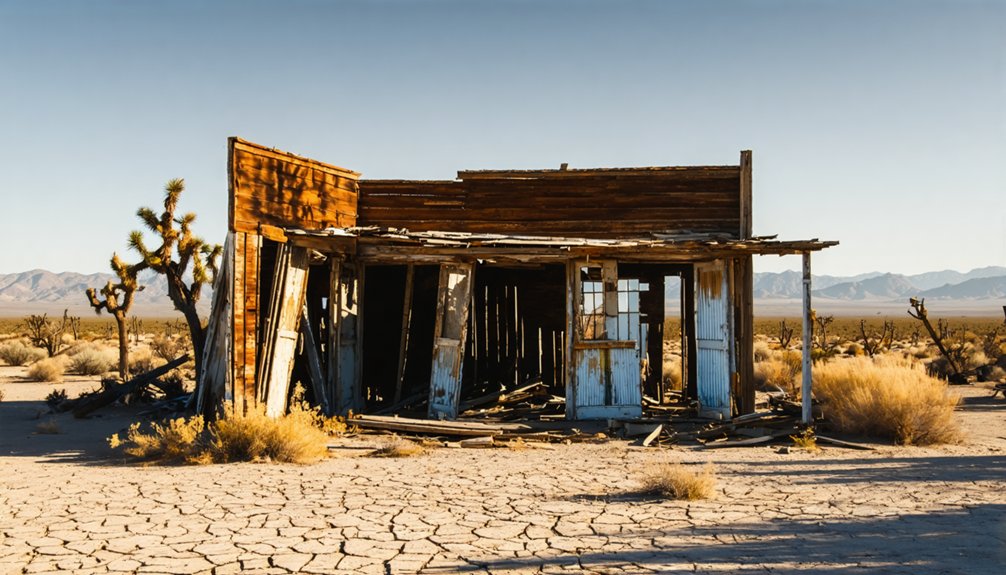
If you’re already making the drive out to Sage, you’d be smart to build a longer route through the Inland Empire’s other forgotten corners.
California’s ghost town trails connect naturally, and historic mining routes, abandoned road stops, and crumbling settlements reward explorers who plan ahead.
Pairing Sage with well-known sites like Calico or lesser-known desert relics turns a short detour into a full day of living history.
Nearby Ghost Town Stops
Sage pairs naturally with several other Inland Empire ghost towns worth folding into your drive. The region rewards explorers who value modern preservation efforts alongside raw, unfiltered ruins. Tourist access varies by site, so research each stop before you go:
- Calico – a restored silver mining town near Barstow with walkable streets and museum exhibits
- Bodie – farther north but worth the detour for its arrested-decay state preservation
- Llano del Rio – a crumbling utopian colony ruin off Highway 138
- Mentone – scattered remnants of an early citrus-era community in the San Bernardino foothills
- Agua Caliente – a faded desert stop with strong stagecoach-era roots
String these together and you’ve built a genuinely compelling inland California ghost town circuit.
Inland Empire Historic Routes
The back roads threading through the Inland Empire carry more ghost town history than most travelers realize, and pairing Sage with a few strategic stops turns a single-site visit into a full historic circuit. Mining closures, route abandonment, and shifting economies left dozens of settlements fading across this region, each carrying its own historical context worth tracing.
Calico and Bodie offer more structured experiences, but the rawer, roadside stops demand sharper eyes and a willingness to explore. Preservation challenges are real here — private land, deteriorating structures, and fading records make documentation difficult.
Drive St. John’s Grade, follow Sage Road, and stay curious about every crumbling wall you pass. The Inland Empire rewards travelers who move slowly and read the landscape carefully.
Day Trip Pairing Ideas
Pairing Sage with a few nearby stops stretches your drive into something worth planning a full day around. The Inland Empire hides pockets of cultural significance that reward curious travelers willing to leave the freeway behind.
Consider adding these stops to your route:
- Calico Ghost Town – a preserved silver mining camp with visible preservation challenges kept alive through restoration efforts
- Bodie State Historic Park – California’s most dramatic frozen-in-time settlement
- Old Town Temecula – frontier history meeting modern energy
- San Jacinto Historic District – ranching-era architecture still standing
- Hemet Museum – compact exhibits grounding regional history in one place
Each stop adds depth without overwhelming the day. You’re building a route that connects forgotten places, not just checking boxes.
How to Build a Southern California Ghost Town Road Trip Around Sage
Once you’ve mapped out Sage as your anchor stop, you can build a full Southern California ghost town loop by adding destinations like Calico or Bodie to your itinerary.
You’ll want to plan your route around road conditions, since some historic grades near Sage can become impassable after heavy rains.
String your stops together with purpose, letting the old travel corridors that once connected these fading settlements guide your path.
Nearby Ghost Towns Worth Visiting
Sage works best as one stop on a longer Southern California ghost town road trip, and a few well-chosen additions can turn a short detour into a full day of historical exploration. Each nearby site carries its own cultural significance and faces unique preservation challenges worth understanding before you visit.
- Calico – a restored silver mining town near Barstow with preserved structures
- Bodie – a state historic park frozen in time near the Nevada border
- Randsburg – a living ghost town still holding onto its mining-era identity
- Llano del Rio – a collapsed utopian colony with roadside ruins off Highway 138
- Garlock – a quiet desert remnant near Mojave with scattered foundations
String these stops together and you’ll cover serious ground across California’s forgotten frontier.
Planning Your Route Stops
Building a ghost town road trip around Sage means thinking in loops, not straight lines. Start in Hemet, where modern amenities like gas stations and restaurants give you a solid base before you head into quieter territory.
Drive Sage Road and let the landscape shift around you — chaparral, old fences, crumbling adobe. From Sage, you can loop toward Temecula along routes that echo the old St. John’s Grade corridor.
Stop where locals linger and ask about local legends; ranchers and longtime residents often carry stories that no historical marker ever will.
Fold in nearby sites like Calico or other Inland Empire remnants to build a fuller picture.
Keep your route flexible, your tank full, and your curiosity sharp.
Frequently Asked Questions
Is There a Fee to Visit the Sage Ruins or Surrounding Area?
Ready to roam free? You won’t pay a fee to visit Sage’s roadside ruins. Respect the historical significance and preservation efforts by viewing fenced adobe remnants from the road, keeping your adventurous spirit—and conscience—clear.
Are There Any Camping Spots Near Sage Along the Road Trip Route?
You’ll find camping spots near Sage along the route, where you can embrace historical preservation and wildlife observation. Nearby forests and parks offer rugged, freeing sites perfect for adventurous road-trippers craving open skies and untamed Southern California wilderness.
Can Visitors Legally Enter the Fenced Adobe Structure at Sage?
You can’t enter the fenced adobe — trespassing regulations protect it. Respect historic preservation by admiring it from the roadside, where you’ll still feel the adventurous thrill of discovering Sage’s weathered, centuries-old ruins on your own terms.
Is a Four-Wheel-Drive Vehicle Necessary to Access Sage Safely?
Safely steering standard vehicles suits Sage’s accessible roads — you don’t need four-wheel-drive! Vehicle requirements stay simple, and off-road accessibility isn’t demanding, so pack your pioneer spirit and cruise confidently toward this forgotten fragment of California’s frontier past.
Are There Any Guided Tours Available Covering Sage’s History?
You won’t find formal guided tours here, but you’ll uncover historical artifacts and local legends independently as you explore freely. Sage rewards the adventurous self-guided traveler who craves raw, unfiltered discovery along its forgotten, windswept roads.
References
- https://www.youtube.com/watch?v=-SPJdyvDXIE
- https://www.facebook.com/californialandmarkfoundation/videos/california-ghost-town-bodie-california-is-one-of-the-best-preserved-boomtowns-fr/1639090977198276/
- https://en.wikipedia.org/wiki/List_of_ghost_towns_in_California
- https://www.facebook.com/groups/ilovethesierra/posts/7077637272323287/
- https://www.tshaonline.org/handbook/entries/sage-tx
- https://forgottennevada.org/sites/fortsage.html
- https://beyond.nvexpeditions.com/california/riverside/sage.php
- https://kids.kiddle.co/Sageland
- https://www.youtube.com/watch?v=eplx4m-2c_U
- https://mojavedesert.net/mining-history/chronology.html