Starting in Sierraville, you’ll explore nineteenth-century storefronts and mining-era landmarks before heading east on Highway 49 toward Bodie’s 200 preserved buildings. Pack water, layered clothing, and sturdy shoes since Bodie sits above 8,000 feet with zero facilities. Visit between May and October to avoid impassable winter roads. Bridgeport, just 13 miles from Bodie, makes a practical overnight base. There’s much more to this ghost town corridor than most drivers ever discover.
Key Takeaways
- Sierraville’s historic storefronts, general store, and blacksmith shop reflect its 1850s role supplying hay and grain to Nevada mining towns.
- Nearby ghost towns include Bennettville, Dog Town, Cerro Gordo, and Boca, all reachable within a day’s drive from Sierraville.
- The route east on Highway 49 covers roughly 100 miles, with Bodie’s final three miles requiring navigation on a rough dirt road.
- Bodie State Historic Park preserves 200 buildings with artifacts in place; bring water, sturdy shoes, and arrive early for solitude.
- Visit between May and October for ideal conditions, as heavy winter snowfall above 8,000 feet can make roads completely impassable.
Sierraville’s Surviving Storefronts, Hotels, and Mining-Era Landmarks
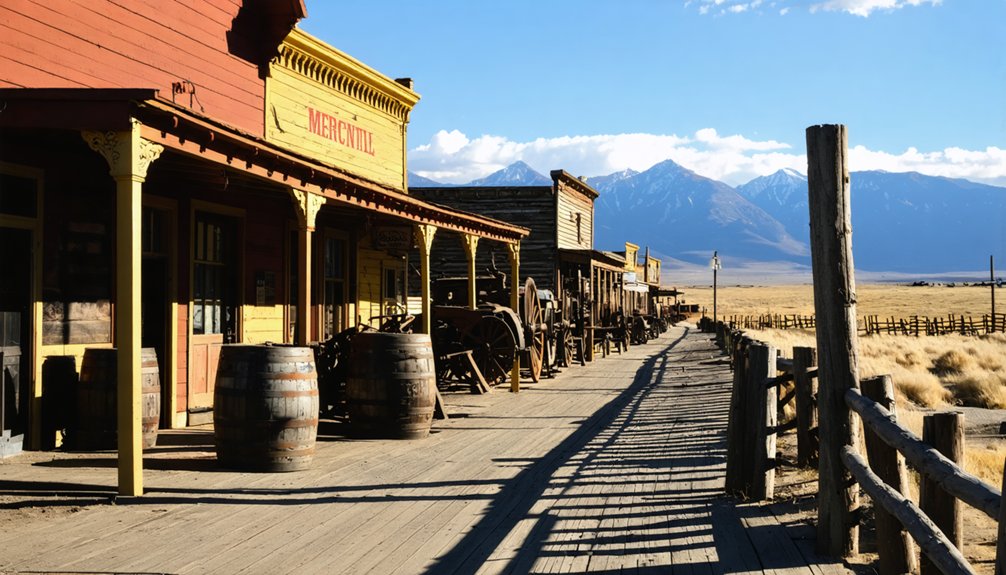
When you roll into Sierraville, the town’s nineteenth-century bones are still visible in its surviving storefronts and weathered facades. William Arms built the town’s commercial core in the 1850s, establishing a general store, hotel, blacksmith shop, and public hall that shaped daily life for early settlers and miners alike.
The Sierraville storefronts you’ll see today echo that entrepreneurial spirit, standing as quiet reminders of a community that once supplied hay and grain to Virginia City and Carson City mining operations.
The storefronts still standing in Sierraville quietly tell the story of a town that fed the mining West.
These mining landmarks anchor your understanding of how the northern Sierra Nevada economy functioned before the boom towns emptied out.
Wander the streets slowly. You’ll notice architectural details that no restoration crew has sanitized, giving you an honest, unfiltered look at frontier California.
Ghost Towns Within a Day’s Drive of Sierraville
Sierraville’s storefronts give you a solid anchor, but the surrounding region holds an entire constellation of ghost towns worth chasing. Each site carries distinct ghost town history and mining heritage that rewards curious travelers.
Head toward Bennettville near Yosemite, perched at 10,000 feet, where a bunkhouse and assay office still stand from 1870s silver operations.
Dog Town, Mono County’s earliest gold settlement, offers stone ruins from its 1857 boom.
Cerro Gordo above Owens Valley preserves a hotel and cabins from its peak silver-producing years.
Boca’s railroad camp remnants tell a story of ice, lumber, and brewing.
Each destination sits within roughly a day’s drive, letting you build a multi-stop route that traces California’s raw, restless mining past across dramatic Sierra Nevada terrain.
The Drive From Sierraville to Bodie: Route, Distance, and Road Conditions
From Sierraville, you’ll head east on Highway 49, covering roughly 100 miles through the high Sierra Nevada at elevations exceeding 8,000 feet.
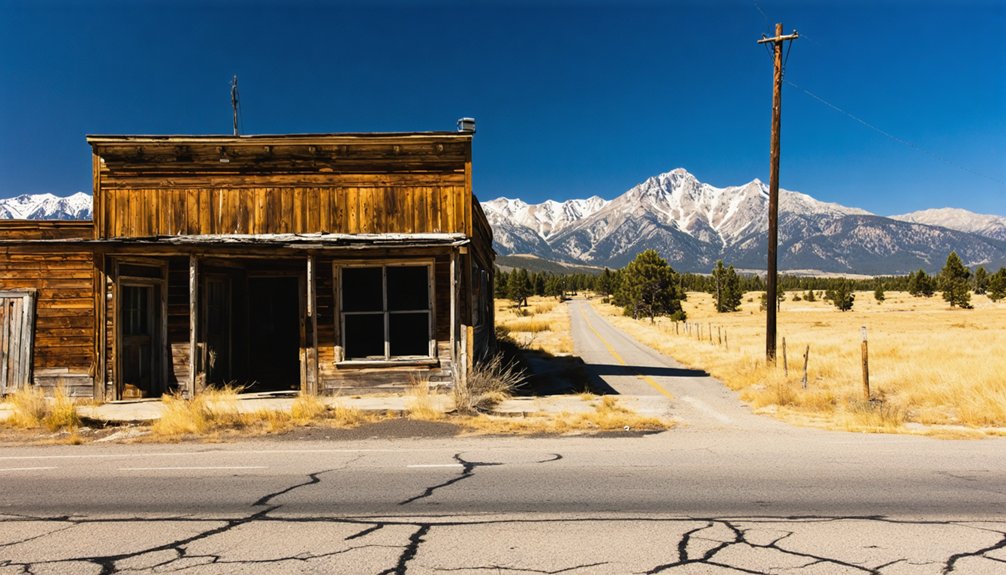
The terrain shifts from pine-forested valleys to stark, wind-swept plateaus. The highway stays paved and manageable for most of the route, but you’ll want to check seasonal conditions before you go, since fierce winters can close passes well into spring.
Once you turn off onto Highway 270, the final three miles to Bodie turn to rough dirt road.
Slow down, watch for loose rocks, and make sure your vehicle can handle the uneven surface.
Route Overview And Distance
Heading east from Sierraville toward Bodie State Historic Park, you’ll cover roughly 100 miles of dramatic Sierra Nevada terrain, climbing above 8,000 feet in elevation.
Highway 49 carries you through open valleys and dense pine forests where local wildlife, including mule deer and golden eagles, frequently appears roadside.
The landscape shifts noticeably as you gain altitude, rewarding you with sweeping views that reinforce the historical significance of these remote mining corridors. Early prospectors traveled these same mountain passages seeking fortune, and you’re fundamentally retracing their determined steps.
From Highway 395, you’ll turn onto Highway 270, which delivers you directly toward Bodie. The final three miles turn to rough dirt road, so plan your timing accordingly and keep your gas tank full before leaving Bridgeport.
Highway Conditions And Terrain
Three distinct road personalities define the drive from Sierraville to Bodie, and knowing what to expect keeps your trip running smoothly.
Highway 49 delivers well-maintained pavement through rolling Sierra foothills, rewarding you with sweeping mountain views. As elevation climbs above 8,000 feet, terrain navigation demands sharper attention — curves tighten, grades steepen, and alpine conditions can shift quickly.
Road safety becomes critical on Highway 270, where the final three miles turn to rough dirt that rattles unprepared vehicles. High-clearance vehicles handle this stretch most confidently, though standard cars navigate it carefully during dry conditions.
Winter closures make May through October the smart window for visiting. Check current road conditions before departing Sierraville, since mountain weather moves fast and unpredictably at these elevations.
Final Miles To Bodie
Once Highway 270 peels away from the main road, Bodie’s final approach begins — and it’s unlike anything you’ve driven to reach this point.
The final miles stretch roughly three unpaved miles of washboard dirt, rattling your vehicle and slowing your pace to a crawl. You’ll want a high-clearance vehicle here — sedans struggle, and weather can close the road entirely.
But that rough entry earns you something rare. As the ghost town crests into view, you’re stepping into one of California’s most authentic Bodie experiences — 200 weathered buildings standing exactly where miners left them.
No tourist traps, no reconstructions. Just frozen time, thin mountain air at 8,375 feet, and a place that demands your full attention the moment you arrive.
Inside Bodie: 200 Buildings, No Crowds, and No Facilities
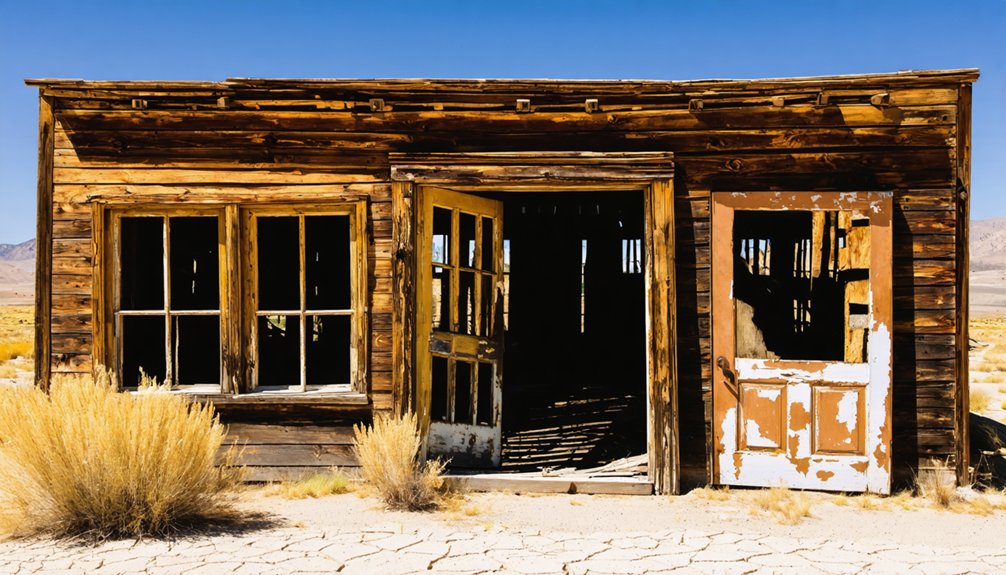
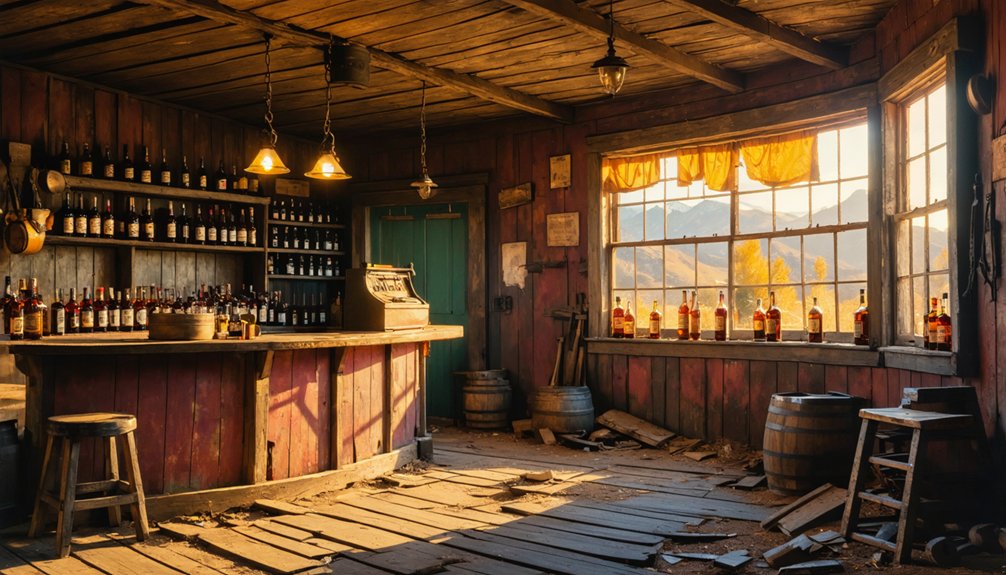
Stepping inside Bodie feels like walking into a photograph taken just after everyone left. You’ll wander freely through 200 preserved buildings, encountering Bodie artifacts exactly where residents abandoned them — dishes on tables, tools mid-task, calendars frozen in time.
Ghost town legends breathe through every weathered wall here.
Every crumbling wall holds a story. Every broken window whispers a name. Bodie’s legends never truly died — they just waited.
Before you explore, remember three essentials:
- Bring your own water — there are zero facilities inside the park boundaries
- Wear sturdy shoes — uneven terrain and broken floorboards demand serious footwear
- Arrive early — the deserted streets genuinely feel deserted before tour groups arrive
No gift shops interrupt your experience. No concession stands pull you away. Just open sky, crumbling history, and the rare freedom to walk through time completely on your own terms.
The Places Most Drivers Miss Between Sierraville and Bodie
Most drivers lock their eyes on Bodie and blast straight through the corridor between Sierraville and the state park, missing two stops that genuinely earn a detour.
Sierra Hot Springs sits just southeast of Sierraville, offering natural thermal pools before you climb into higher elevation. It’s one of those hidden gems that rewards travelers who aren’t rigidly chained to a schedule.
Further east, pull over at the scenic overlooks above Mono Lake before you reach Highway 270. The lake’s tufa towers rise from alkaline water in formations that feel genuinely otherworldly.
You’re already traveling through remote terrain, so slowing down costs you nothing but adds everything. Both stops break the monotony of open highway and deepen the experience that Bodie alone can’t fully deliver.
Best Time of Year to Visit Bodie and the Sierra Ghost Towns
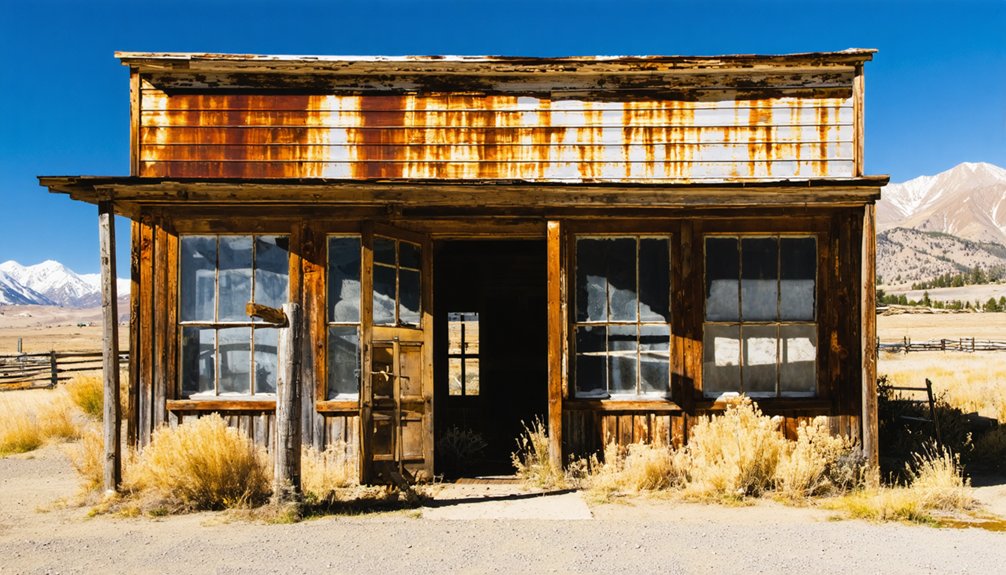
You’ll get the most out of Bodie and the surrounding Sierra ghost towns by planning your visit between May and October, when the roads are passable and the sites are fully accessible.
Winter closes in fast at elevations above 8,000 feet, turning Highway 270 and the final dirt stretch into Bodie into a treacherous or impassable route.
If you push your luck with a late-season visit, you’ll find fierce snowstorms, locked gates, and none of the seasonal guided tours that bring these weathered streets to life.
Ideal Visiting Seasons
Although Bodie and the surrounding Sierra ghost towns are technically open year-round, fierce winters at elevations above 8,000 feet can make roads impassable and conditions brutal from November through April.
You’ll find ideal weather and the richest seasonal events between May and October. Plan your visit around these peak moments:
- May–June: Wildflowers blanket the high Sierra as snowmelt reveals forgotten roads and fresh discoveries await.
- July–August: Long daylight hours let you explore every weathered building, crumbling ruin, and sun-bleached artifact without rushing.
- September–October: Crisp autumn air sharpens the haunting atmosphere, crowds thin, and golden light makes Bodie’s decaying structures feel eerily alive.
Don’t gamble with winter access — claim your freedom on the open road when nature cooperates.
Winter Access Challenges
Winter transforms Bodie and the surrounding Sierra ghost towns into a frozen, inaccessible frontier that’ll test even the most determined traveler.
Brutal winter weather dumps heavy snowfall above 8,000 feet, closing Highway 270 and making Bodie’s already-rough dirt road completely impassable. Road maintenance crews prioritize major highways, leaving ghost town access routes buried until spring thaw.
You’ll face similar obstacles throughout the Sierra Nevada corridor. Sierra Hot Springs and mountain passes along your route become treacherous between November and April.
Even four-wheel-drive vehicles struggle against ice-packed mountain roads. Park officials may close Bodie entirely during severe storms, turning your adventure into a dead end.
Check road conditions through Caltrans and Bodie State Historic Park before committing to any winter excursion into this unforgiving high-elevation terrain.
What to Pack for Bodie’s Elevation, Dirt Roads, and No-Facility Policy
Packing smart for Bodie means accounting for 3 distinct challenges: thin air above 8,000 feet, a punishing dirt road for the final 3 miles, and a site with absolutely no water, restrooms, or food vendors once you’re inside.
Don’t let poor preparation cut your adventure short. These packing essentials will keep you roaming freely:
Don’t let poor preparation steal your Bodie adventure before it begins. Pack smart, roam freely.
- Water and snacks — Bodie weather shifts fast; dehydration hits harder at elevation.
- Layered clothing — Morning cold and afternoon heat demand flexibility.
- Sturdy, closed-toe shoes — Broken glass, uneven ground, and loose gravel punish unprepared feet.
Respecting these conditions means spending more time exploring 200 preserved buildings and less time retreating to your car.
Where to Stay Between Sierraville and Bodie on a Two-Day Loop
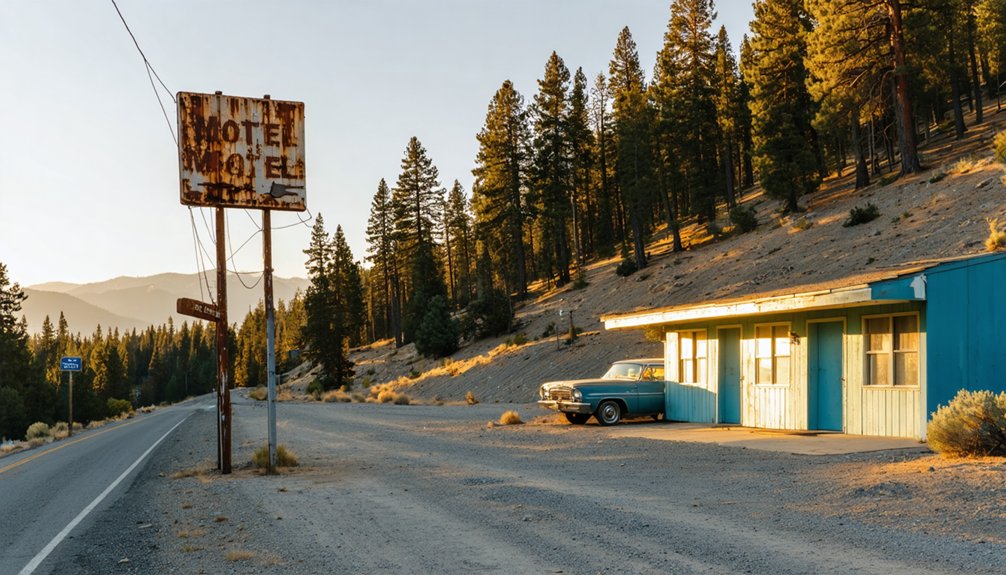
Once you’ve tackled Bodie’s dusty roads and thin air, you’ll want a basecamp that doesn’t feel like an afterthought. Your best ghost town accommodations sit along the Sierraville-to-Bodie corridor, giving you flexibility without backtracking.
Bridgeport, just 13 miles from Bodie, offers motels and inns that work perfectly for an overnight split. It’s small, unpretentious, and positioned exactly where you need it.
On the Sierraville end, historical lodging options near Sierra Hot Springs let you decompress after day one with thermal soaks and mountain quiet.
Structure your two-day loop by sleeping in Bridgeport after visiting Bodie, then driving north through Markleeville and back toward Sierraville the following morning.
You’ll cover the route efficiently while actually experiencing each stop rather than rushing through it.
How to Spend Two Days on This Road Trip
With your accommodations locked in, you’re ready to map out exactly how those two days unfold.
Day One takes you through Sierraville’s quiet streets, where mining heritage shaped every building still standing.
Day Two delivers Bodie’s raw, unfiltered power — 200 structures frozen in historic preservation like time stopped mid-breath.
Structure your experience around these emotional anchors:
- Walk Bodie’s deserted Main Street alone at dawn before other visitors arrive — the silence is deafening.
- Touch the weathered timber of a miner’s cabin and feel 150 years of human struggle beneath your fingertips.
- Stand at the Standard Mine site and absorb what $35 million in gold actually cost in human terms.
Bring water, wear sturdy shoes, and let the high desert speak freely.
Frequently Asked Questions
Can You Bring Pets Inside Bodie State Historic Park Grounds?
You can bring your beloved furry companion onto Bodie’s haunted grounds, but pet regulations restrict them to outdoor areas only. With limited park amenities, you’ll want to keep them leashed and hydrated throughout your adventure!
Are There Guided Photography Tours Specifically Available at Bodie Ghost Town?
The knowledge doesn’t confirm Bodie photography-specific ghost town tours, but you’ll find seasonal guided tours available. They’ll take you through interiors and share rich history, letting you capture Bodie’s hauntingly preserved streets on your own terms.
Is Gold Panning Still Legally Permitted Anywhere Near Sierraville Today?
Sure, you can still chase gold panning dreams near Sierraville — if you navigate legal regulations first! Check BLM-permitted public lands, secure your claim rights, and embrace that rebellious prospector spirit legally without surrendering your freedom to bureaucratic ghost-town irony.
What Native American History Existed in This Region Before Mining Began?
You’ll discover that Native tribes called this region home for thousands of years, leaving cultural artifacts, historic trails, and rich oral traditions that predate mining’s arrival and shaped the Sierra Nevada’s deep, enduring human legacy.
Are Any Sierraville Ghost Town Sites Accessible to Wheelchair Users?
Wheelchair accessibility varies at these historic preservation sites. You’ll find Bodie’s main streets partially navigable, but uneven terrain challenges most visits. Always call ahead, as conditions change seasonally and some preserved buildings don’t accommodate mobility devices well.
References
- https://www.parks.ca.gov/?page_id=26330
- https://travelthruhistory.com/gold-rush-ghost-towns-and-ruins-in-californias-high-sierra/
- https://www.youtube.com/shorts/xpNGm1VT0iE
- https://thevelvetrocket.com/2012/01/25/california-ghost-towns-st-louis/
- https://sierratrails.org/history-of-sierraville/
- https://californiahighsierra.com/trips/explore-ghost-towns-of-the-high-sierra/
- https://en.wikipedia.org/wiki/List_of_ghost_towns_in_California