Planning a ghost town road trip to Stannard, Vermont means trading smooth pavement for rutted dirt roads, cell service for paper maps, and tourist traps for genuine solitude. You’ll need a high-clearance 4WD vehicle, all-terrain tires, and a solid pack list before heading into Caledonia County’s forgotten hills. Visit in fall for jaw-dropping foliage or summer for hiking and kayaking at Flagg Pond. Everything you need to make this trip unforgettable is just ahead.
Key Takeaways
- Stannard, Vermont, is a remote ghost town in Caledonia County, named after Civil War hero General George J. Stannard, featuring weathered buildings and abandoned landmarks.
- High-clearance 4WD vehicles with all-terrain tires are essential, as all roads are unpaved and spring mud season creates significant accessibility challenges.
- Pack water, food, a first-aid kit, paper maps, recovery gear, and bear spray, as cell coverage is unreliable and wildlife is prevalent.
- The best visit times are late September through mid-October for fall foliage or summer for hiking, kayaking, and wildlife sightings.
- Key attractions include Stannard Mountain’s panoramic views, Flagg Pond fishing, an abandoned rail line, and the historic Old Methodist Church.
What Makes Stannard, Vermont a True Ghost Town?
With a population of just 208 people spread across 12.5 square miles of rugged Vermont wilderness, Stannard isn’t your typical ghost town — it’s a living, breathing relic of a forgotten era.
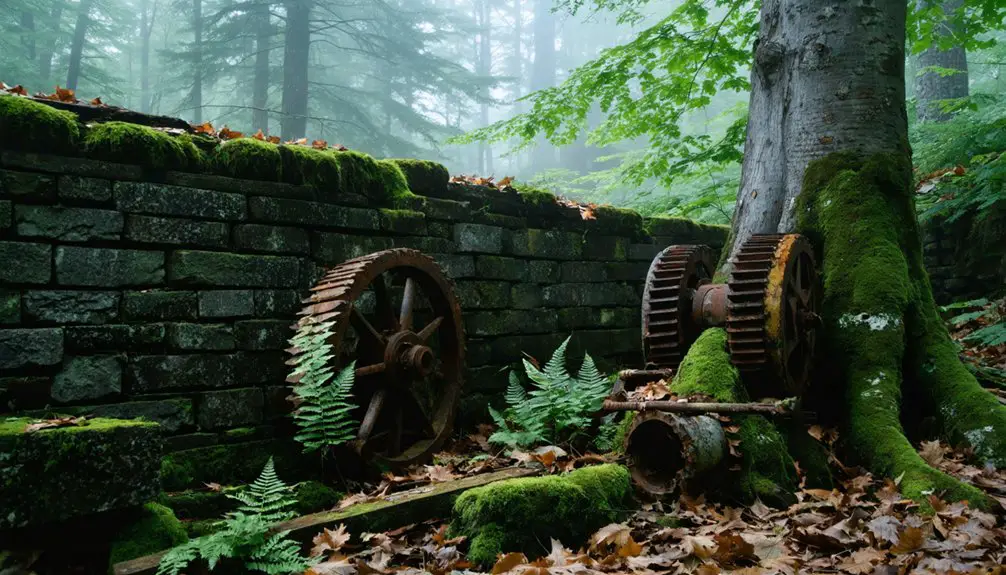
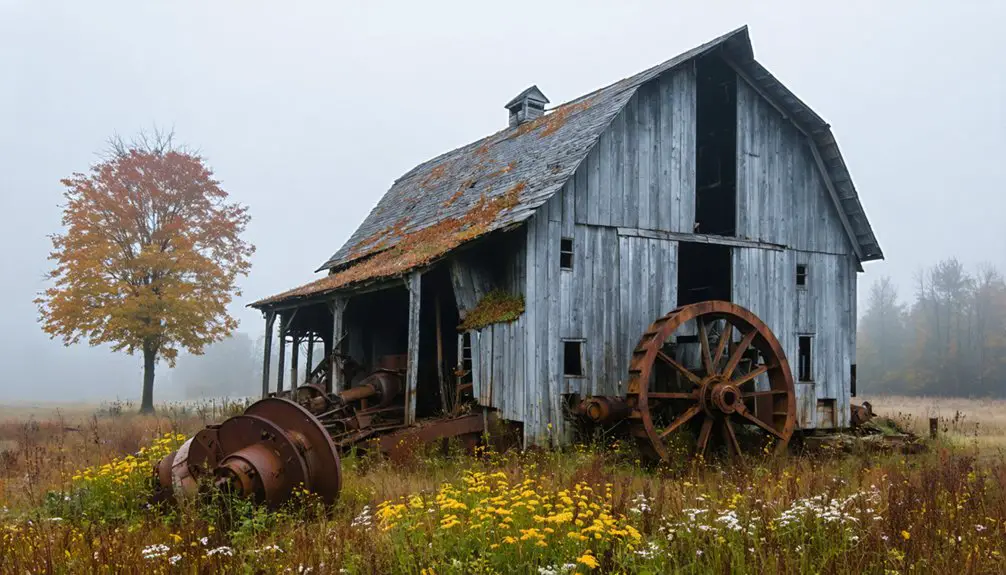
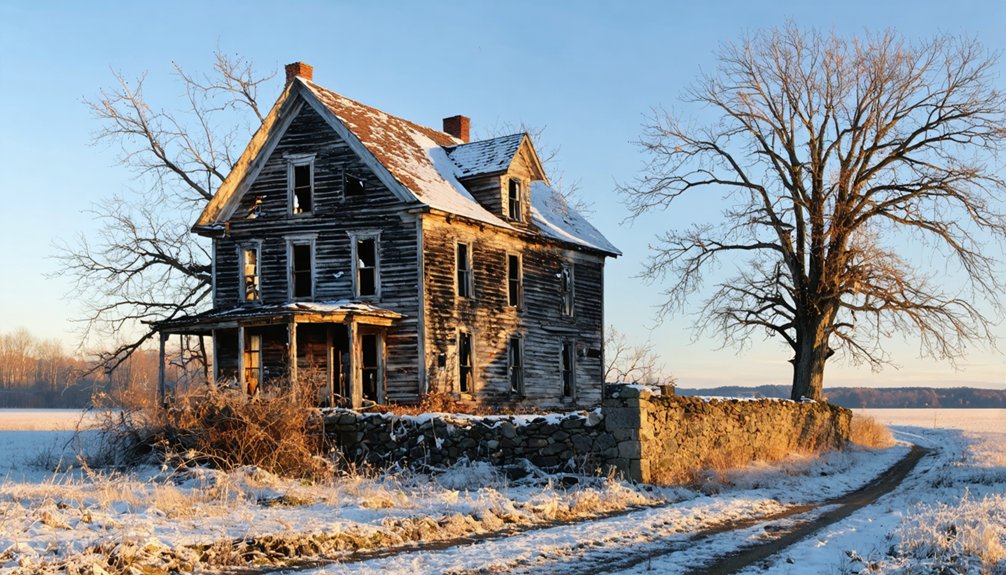
You won’t find paved roads here, and that’s precisely the point. This remote Caledonia County settlement has shed nearly two-thirds of its peak population since 1880, leaving behind weathered buildings, an abandoned rail line, and a deserted train station that whisper stories of busier times.
Yet Stannard’s rural charm isn’t just about decay — it’s about raw, unfiltered freedom.
No traffic lights, no crowds, no noise. Just you, winding unpaved mountain roads, and wilderness stretching in every direction.
If you’re craving genuine solitude, this Vermont ghost town delivers it without compromise.
Why Stannard Is Vermont’s Only Town Named for a Civil War Hero
When you explore Stannard, you’re standing in the only Vermont town named after a Civil War figure — General George J. Stannard, a hero whose battlefield courage earned him lasting recognition.
Stannard led the 2nd Vermont Brigade in a decisive maneuver against Pickett’s Charge at Gettysburg, a moment that helped turn the tide of one of the war’s bloodiest battles.
In 1865, the Vermont legislature commended him for his skill and bravery, and the town’s incorporation in his honor cemented that legacy into the landscape itself.
Stannard’s Civil War Legacy
Few towns earn their names through acts of battlefield heroism, but Stannard is Vermont’s singular exception. When you explore Stannard’s history, you’re walking ground that honors General George J. Stannard, whose heroic legacy reshaped the Civil War’s most pivotal moment.
During Pickett’s Charge at Gettysburg, Stannard commanded the 2nd Vermont Brigade, delivering a flanking maneuver that shattered Confederate momentum. Vermont’s legislature recognized his skill and bravery in 1865, cementing his historical significance permanently into the community’s identity.
That community impact echoes today through local stories passed between residents and visitors alike. You won’t find another Vermont town carrying a Civil War hero’s name, making Stannard truly unique.
Its very existence is a tribute — carved from wilderness and dedicated to courage under fire.
Vermont’s Unique Military Honor
Vermont has 246 towns, yet only one carries the name of a Civil War hero — and that distinction belongs entirely to Stannard. General George J. Stannard earned this military heritage through extraordinary courage, commanding the 2nd Vermont Brigade against Pickett’s Charge at Gettysburg. His tactical brilliance helped turn the battle’s tide, and Vermont’s legislature formally recognized his skill and bravery in 1865.
When you visit, you’re stepping into living historical significance — a community that chose to permanently enshrine a soldier’s sacrifice into its very identity. That decision reflects deep community resilience, transforming a remote logging settlement into a meaningful tribute.
Unlike countless forgotten honors, Stannard’s name endures across unpaved roads and mountain trails, reminding you that true freedom often carries an extraordinary price.
Do You Need 4WD to Drive Stannard’s Roads?
Stannard’s roads will test your vehicle in ways most Vermont drives won’t. With zero paved roads throughout town, you’ll need serious 4WD considerations before pointing your wheels toward this remote wilderness.
Vehicle recommendations for traversing Stannard:
- High-clearance 4WD trucks or SUVs handle the rutted, unpaved mountain terrain most reliably.
- All-terrain tires grip loose gravel and muddy seasonal conditions that regularly catch drivers off guard.
- Avoid standard sedans and low-clearance vehicles — rough terrain concentrates toward the eastern portions, making passages genuinely impassable.
Seasonal conditions dramatically affect road quality. Spring mud season transforms these routes into genuine obstacles, while autumn rewards prepared drivers with breathtaking foliage corridors.
Mud season turns Stannard’s roads into real obstacles, but fall delivers stunning foliage worth every careful mile.
Your freedom to explore this untamed corner of Caledonia County depends entirely on arriving with the right machine underneath you.
What to Pack for Stannard’s No-Pavement, No-Services Roads
Getting the right vehicle under you solves only half the problem — what you carry inside it determines whether an unexpected snag becomes a minor inconvenience or a genuine emergency.
Stannard offers zero services, so pack your camping essentials before leaving civilization: water, food, a first-aid kit, a paper map, a portable phone charger, and basic tools for roadside repairs. Cell coverage is unreliable at best.
For wildlife safety, store food securely, carry bear spray on trails, and stay alert near Flagg Pond’s dense tree lines. Throw in extra layers, because mountain temperatures drop fast even in summer.
Mud-rated recovery gear — traction boards, a tow strap, a shovel — rounds out your kit. Out here, self-sufficiency isn’t optional; it’s the entire point.
How to Get to Stannard, Vermont
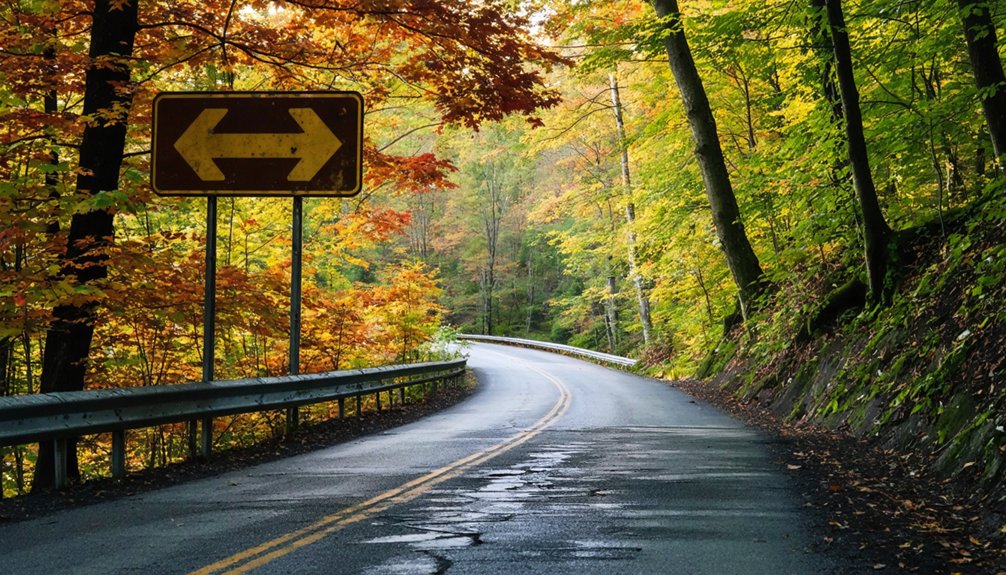
Reaching Stannard means committing to a journey that grows progressively wilder the closer you get. Caledonia County’s back roads lead you deep into Vermont’s untamed northeast, where Stannard History whispers through every crumbling landmark and Local Legends echo across forested ridgelines.
Prepare your route carefully:
- Navigate from Lyndonville – Head northeast on Route 122, your last reliable paved stretch before civilisation fades.
- Shift into high-clearance mode – No paved roads exist inside town, so ditch the sedan and bring a capable vehicle.
- Download offline maps – Cell service disappears fast; paper backups aren’t overkill here.
Once you cross into Stannard’s boundary, the outside world genuinely falls away. You’re not just driving somewhere — you’re escaping everywhere else.
When Is the Best Time to Visit Stannard?
If you’re chasing Stannard’s most breathtaking scenery, time your visit for late September through mid-October, when the unpaved mountain roads transform into corridors of blazing foliage.
Summer offers the most reliable conditions for hiking the rugged trails and kayaking Flagg Pond, with longer daylight hours giving you more time to explore the wilderness.
Winter, however, turns Stannard’s dirt roads treacherous and potentially impassable, so you’ll want a high-clearance four-wheel-drive vehicle and a willingness to accept that some areas simply won’t be reachable.
Fall Foliage Peak Season
When fall arrives in Stannard, Vermont, the unpaved mountain roads transform into winding corridors of blazing red, amber, and gold.
You’ll want to time your visit perfectly for the most breathtaking scenic drives through this untouched wilderness.
Peak fall foliage typically occurs:
- Early October – Higher elevations near Stannard Mountain (2,618 feet) display the first brilliant color changes.
- Mid-October – The valley roads reach peak saturation, making scenic drives absolutely stunning.
- Late October – Sparse remaining leaves create dramatic silhouettes against crisp mountain skies.
You’re completely free to explore at your own pace here.
There’s no tourist congestion, no traffic signals, and no pavement interrupting your connection with nature’s most spectacular seasonal display.
Summer Hiking Conditions
Summer transforms Stannard’s rugged trails into an explorer’s paradise, though you’ll want to plan carefully to make the most of the season’s unpredictable conditions.
Summer trail conditions vary dramatically here — early mornings bring cooler temperatures ideal for climbing toward Stannard Mountain’s 2,618-foot summit, where sweeping views reward your effort. Afternoon thunderstorms can roll in quickly, turning unpaved paths into slick, muddy obstacles, so start hikes early and carry rain gear.
Wildlife sightings peak during summer months, with white-tailed deer, wild turkey, and black bear frequently spotted along wooded routes near Flagg Pond. Bring binoculars and move quietly.
High-clearance vehicles remain essential since no paved roads exist anywhere in town. Pack water, sturdy boots, and navigation tools — cell service is virtually nonexistent throughout this untamed Vermont wilderness.
Winter Road Accessibility
Winter transforms Stannard’s already-challenging unpaved roads into a gauntlet of ice, deep snow, and frozen ruts that can trap even high-clearance vehicles.
Snow accessibility becomes nearly impossible from December through March, making spontaneous visits genuinely risky.
Before you attempt winter road conditions here, prepare carefully:
- Check local forecasts — A single overnight snowfall can render all routes impassable within hours.
- Equip your vehicle — Four-wheel drive with snow chains isn’t optional; it’s survival gear on these mountain roads.
- Tell someone your plans — Cell service is unreliable, and rescue response times are slow in this remote terrain.
If freedom means adventure without recklessness, wait until late spring when roads soften but remain gloriously wild and unpredictable.
Hike Stannard Mountain for Panoramic Vermont Views
Rising to 2,618 feet, Stannard Mountain rewards hikers with sweeping panoramic views across Vermont’s Northeast Kingdom. You’ll feel the freedom of untouched wilderness as you navigate the Scenic Trails winding through the Stannard Wilderness, far removed from crowded tourist destinations.
The ascent challenges you with rugged terrain, but each step reveals dense forests, rolling hills, and pristine valleys stretching endlessly toward the horizon.
There’s no manicured path here — just raw, authentic wilderness demanding your full attention and rewarding your effort.
Pack sufficient water, wear sturdy boots, and bring a trail map since cell service remains unreliable.
The summit offers breathtaking 360-degree views that justify every demanding step. This mountain doesn’t disappoint those seeking genuine adventure and unfiltered natural beauty.
Kayak and Fish Flagg Pond Like a Local
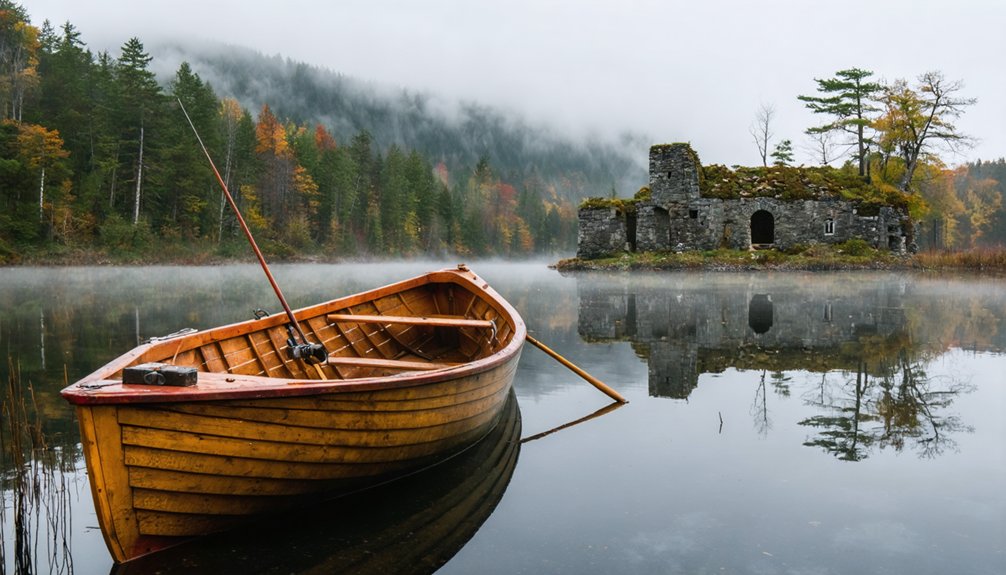
If you’re new to kayaking, you’ll want to pack a few essentials before hitting Flagg Pond’s calm, wildlife-rich waters — a personal flotation device, a dry bag for your gear, and a waterproof map of the area.
Cast your line near the pond’s shaded edges and submerged vegetation, where fish tend to congregate in the cooler, quieter depths.
For broader angling options, the surrounding Caledonia County waterways offer additional freshwater fishing spots worth exploring on your way through this rugged, remote corner of Vermont.
Essential Gear For Beginners
Tucked away in Vermont’s Northeast Kingdom, Flagg Pond rewards kayakers and anglers with glassy water, abundant wildlife, and that rare sense of true wilderness solitude.
Before launching, nail your gear recommendations and packing checklist:
- Kayak & Safety – Bring a stable recreational kayak, Coast Guard-approved life jacket, and a dry bag protecting your valuables from unexpected splashes.
- Fishing Essentials – Pack a lightweight rod, Vermont freshwater fishing license, polarized sunglasses for spotting fish, and a tackle selection suited for cold-water species.
- Wilderness Readiness – Carry insect repellent, a first-aid kit, waterproof trail map, and enough water since no amenities exist nearby.
Best Fishing Spots Nearby
Flagg Pond’s still, mirror-like surface conceals more than it reveals — beneath it, cold, oxygen-rich water supports healthy populations of brook trout and bass that reward patient anglers who know where to look.
Launch your kayak near the northern shore, where submerged structure and shaded coves concentrate fish throughout the day.
Your most effective fishing techniques here involve slow, methodical retrieves along weed edges at dawn and dusk.
Skip the fancy tackle — local bait like worms and small crayfish consistently outperform artificial lures in these clear, undisturbed waters.
Keep your movements quiet; this pond sees minimal pressure, meaning fish respond sharply to noise.
Pack light, stay patient, and Flagg Pond will deliver exactly the untamed, rewarding experience you came here for.
Explore Stannard’s Forgotten Rail Line and Ghost Station
Stannard’s forgotten rail line and deserted train station rank among the town’s most hauntingly atmospheric landmarks, and you won’t want to miss them.
This railway history tells a story of a once-connected community now swallowed by wilderness. Ghostly encounters with the past feel inevitable as you walk tracks reclaimed by nature.
Here’s what you’ll discover:
- Abandoned rail line — follow overgrown paths where trains once rumbled through dense Vermont forest
- Deserted train station — explore weathered timber frames frozen in time, whispering forgotten stories
- Untouched wilderness surroundings — photograph striking contrasts between crumbling infrastructure and raw, untamed landscape
Bring sturdy footwear, your curiosity, and a camera.
Stannard rewards those willing to roam freely beyond the beaten path.
Stannard’s Best Stops: What’s Actually Worth Your Time
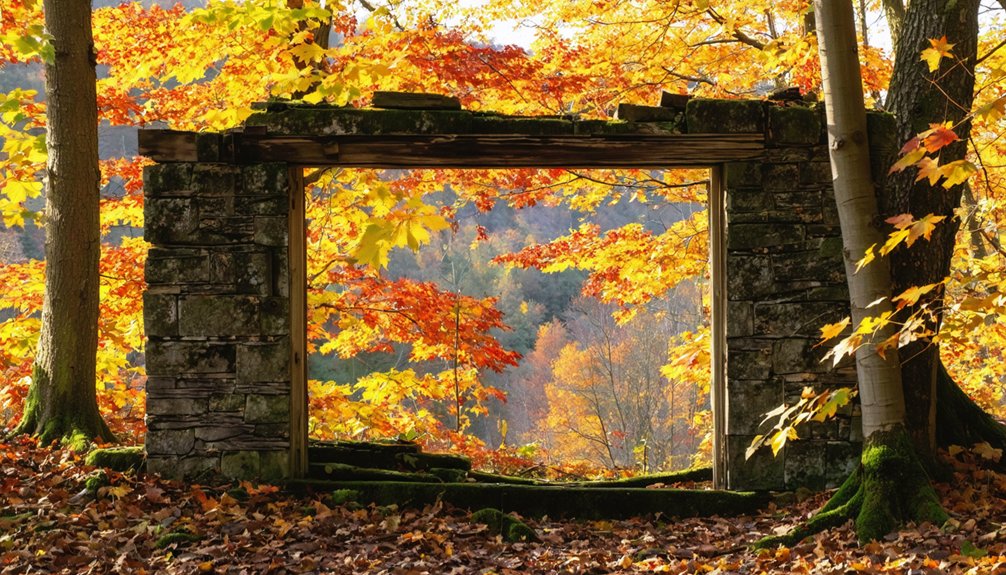
With so much to explore in Stannard, knowing where to focus your time makes all the difference.
Stannard Mountain delivers sweeping, unfiltered views at 2,618 feet — worth every step of the climb.
Stannard Mountain rises to 2,618 feet and pays you back with views that stretch far and breathe free.
Flagg Pond draws you in with calm waters perfect for kayaking while you spot local wildlife along the undisturbed shoreline.
Don’t skip the historical landmarks scattered through town. The Old Methodist Church and Stannard Schoolhouse, now a functioning government building, connect you directly to the town’s rugged past.
The Town Cemetery holds headstones that tell quiet, compelling stories of early settlers.
Every stop here feels intentional — nothing’s commercialized, nothing’s crowded.
Stannard rewards the curious traveler who moves slowly, looks closely, and appreciates a place that refuses to be anything other than exactly what it is.
Frequently Asked Questions
Can You Camp Overnight Near Stannard Mountain or Flagg Pond?
You’ll want to check local camping regulations before pitching your tent near Stannard Mountain or Flagg Pond. Both spots teem with local wildlife, offering you an untamed, freeing overnight escape into Vermont’s breathtaking wilderness.
Did Bernie Sanders Own Property or Just Rent in Stannard?
The records don’t clarify whether Sanders’ residency involved owning or renting, leaving that chapter of Stannard’s property history a mystery. You’ll find his brief 1960s-70s connection adds fascinating countercultural intrigue to this fiercely independent town.
Are There Any Food or Gas Services Near Stannard?
You won’t find local dining or gas in Stannard’s rugged wilderness, so stock up before you arrive. Nearby attractions in surrounding towns offer fuel and food, keeping your adventurous spirit free to explore!
How Long Did T.G. Bronson’s Steam Sawmill Actually Operate?
The knowledge doesn’t specify how long T.G. Bronson’s steam sawmill operated. What you do know is that its sawmill history shaped the area, and the Bronson legacy of nearly 1 million feet of annual lumber production defined Stannard’s mid-1800s era.
Is the Old Methodist Church Still Holding Regular Services Today?
“All good things must end.” The Old Methodist Church no longer holds regular services today — it stands at the town center as a quiet relic of Methodist history, where you’ll sense the faded Church community spirit.
References
- https://vtdigger.org/2011/02/14/stannard-on-stannard/
- https://www.youtube.com/watch?v=ScW-H7A8yL8
- https://en.wikipedia.org/wiki/Stannard
- https://farmandforest.com/area-information/stannard-vermont/