Planning a ghost town road trip to Union, Michigan means heading deep into Ontonagon County, where the failed Union Mine left behind crumbling foundations, collapsed shafts, and dense wilderness that’s swallowed nearly everything whole. Start from Ontonagon, drive south on M-64, then west toward White Pine, and bring a high-clearance vehicle. Visit between late June and early September for the best access. There’s far more to this forgotten copper boom settlement than you’d expect.
Key Takeaways
- Union, Michigan, is a ghost town in Ontonagon County, rooted in a short-lived copper mining boom from 1846 to 1847.
- Drive south on M-64 from Ontonagon, then head west toward White Pine, using offline maps due to limited cell service.
- Visit between late June and early September for the best access, avoiding muddy spring terrain and winter road closures.
- Explore crumbling mine foundations and weathered equipment near White Pine, but exercise caution around unstable structures and ground.
- Pack navigation gear, bear spray, a first aid kit, water, and book accommodations in White Pine or Ontonagon in advance.
Union, Michigan: Ontonagon County’s Most Overlooked Ghost Town
Tucked deep in Michigan’s Upper Peninsula, Union stands as one of Ontonagon County’s most forgotten relics — a ghost town that once hummed with the ambitions of mid-19th century copper miners and now exists as little more than a whisper in the wilderness.
Its historical significance traces back to the Union Mine, which operated briefly from 1846 to 1847, reopened during the Civil War, and saw one final exploration attempt in 1908 before silence reclaimed it.
Ghost town legends surrounding Union carry the weight of broken dreams and vanished fortunes — stories born from a copper boom that promised everything and delivered little.
If you crave destinations that feel genuinely untouched, Union rewards the curious traveler willing to venture beyond Michigan’s well-worn tourist corridors.
Why Union Became a Ghost Town in the First Place
When you look at Union’s history, you’ll find that the town’s fate was sealed by the same force that created it: copper mining.
The Union Mine’s brief runs in the 1840s and again during the Civil War era never produced the sustained output needed to anchor a permanent community, leaving residents little reason to stay once the ore dried up.
You can trace the town’s collapse directly to that boom-bust cycle, where a mining industry that promised prosperity instead triggered a steady population exodus that ultimately erased Union from Michigan’s living map.
Mining Industry Collapse
Like many copper mining settlements that briefly flourished across Michigan’s Upper Peninsula, Union rose fast and collapsed even faster. The Union Mine operated from 1846 to 1847, a lifespan so short it barely registered in regional history.
When copper yields proved insufficient to sustain profitable extraction, investors pulled out and workers followed.
The economic impacts hit immediately — no mine meant no wages, no wages meant no residents, and no residents meant no town.
Brief revivals during the Civil War era and again in 1908 couldn’t resurrect what market forces had already buried.
Tightening mining regulations, shifting commodity prices, and exhausted ore deposits sealed Union’s fate permanently.
What you’ll find today is a quiet reminder of how ruthlessly the copper boom discarded the communities it once created.
Population Exodus Factors
The copper ran out, and everything else left with it. When the Union Mine’s yields dwindled, population dynamics shifted dramatically and fast. Workers didn’t linger — they followed opportunity elsewhere, chasing Michigan’s newer, richer copper strikes further west. Families packed wagons. Businesses shuttered.
The economic shifts that gutted Union weren’t unique; dozens of Michigan mining settlements collapsed identically.
What you’re seeing today when you visit Union isn’t just abandoned buildings — it’s the physical record of a community that made a rational choice. When the land stopped paying, people stopped staying.
No government intervention, no corporate rescue, no sentimental attachment outweighed empty pockets. Union’s population exodus was swift, decisive, and total. The freedom to leave was exactly what its former residents exercised without hesitation.
The Copper Mining Ruins That Make Union Worth the Drive
Scattered across the rugged terrain near White Pine in Ontonagon County, the remnants of Union Mine tell a story of ambition, hardship, and abandonment that you can still read in the landscape today.
Operating from 1846 to 1847, then briefly revived during the Civil War, this site carries undeniable copper heritage that draws history enthusiasts and adventure seekers alike.
You’ll find crumbling stone foundations, collapsed shaft openings, and weathered equipment scattered through the wilderness. The historical significance here isn’t locked behind museum glass — it’s raw, touchable, and unapologetically real.
You’re walking ground where miners once gambled their futures on Michigan copper. That unfiltered connection to America’s industrial past makes Union Mine worth every mile of the drive through Ontonagon County’s remote, breathtaking landscape.
Driving Directions to Union, Michigan
Reaching those copper ruins requires traversing some of Michigan’s most remote roads, so knowing your route before you leave saves headaches later.
From Ontonagon, head south on M-64, then connect westward toward White Pine. Your driving routes through this corridor reward patience — dense forest flanks both sides, and the occasional overlook delivers stunning Lake Superior glimpses worth pulling over for.
Download offline maps before departing, because cell service vanishes quickly in Ontonagon County. Mark your scenic stops deliberately: the Porcupine Mountains region sits nearby and deserves at least a windshield view.
A high-clearance vehicle handles the final unpaved stretches far better than a standard sedan. Fuel up in White Pine — it’s your last reliable station before the landscape swallows civilization entirely.
What’s Left to See at Union, Michigan Today?
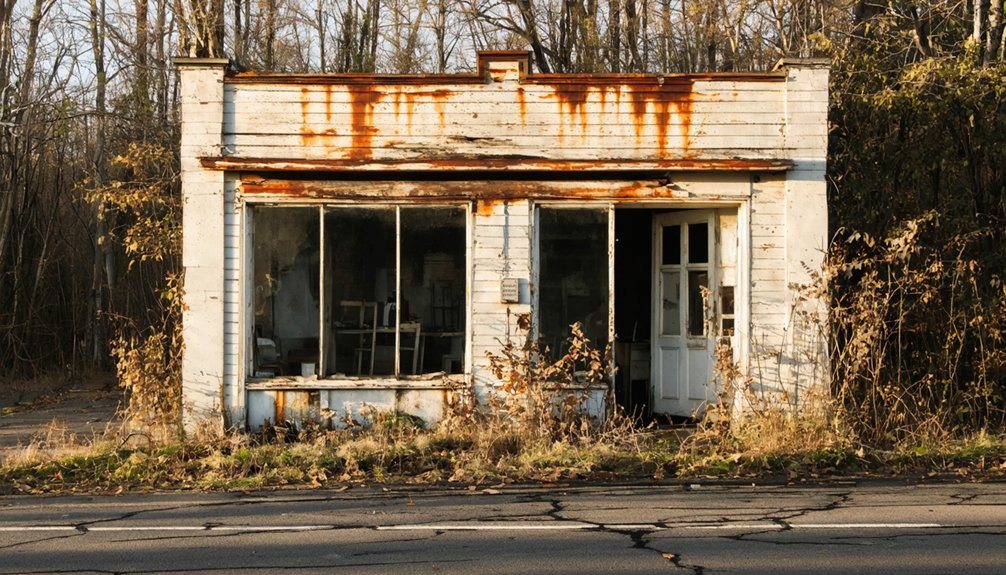
Once you arrive at Union, you’ll find scattered ruins and remnants that whisper the site’s industrial past, including crumbling foundations and weathered structural fragments from the old mine operation.
The Union Mine site itself offers tangible echoes of mid-1800s copper mining, where you can trace the outlines of long-abandoned shafts and earthworks carved into the landscape.
Beyond the man-made remnants, the surrounding Upper Peninsula wilderness has dramatically reclaimed the area, wrapping the ruins in dense forest and rugged terrain that makes the ghost town feel both eerie and breathtaking.
Remaining Structures and Ruins
Although nature has steadily reclaimed much of what was Union, Michigan, a handful of remnants still reward curious explorers willing to make the trek.
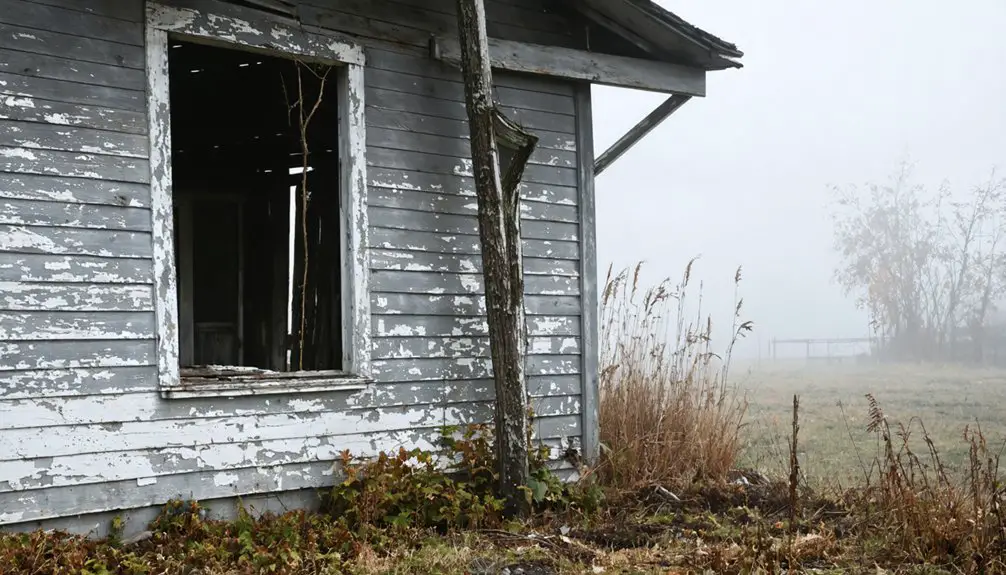
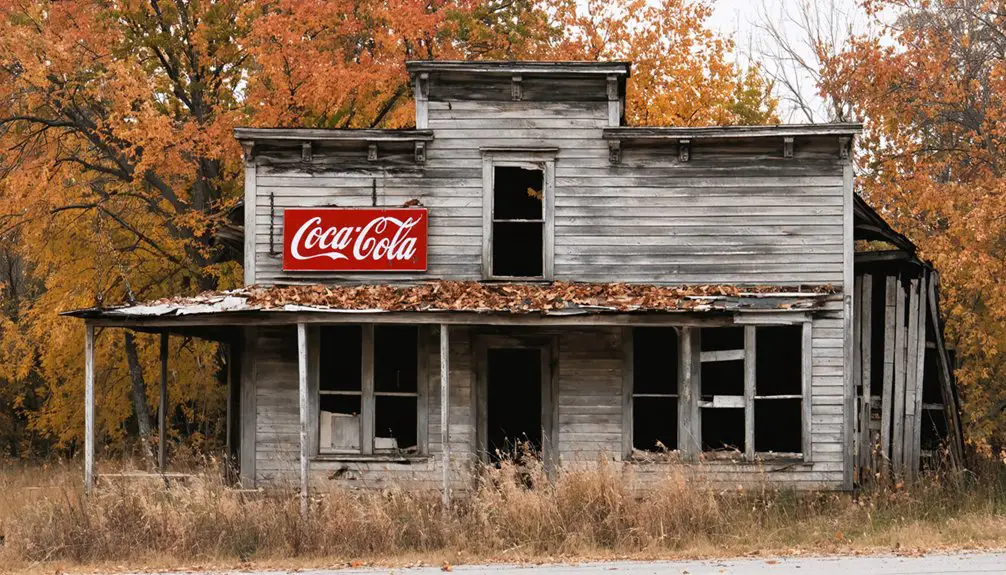
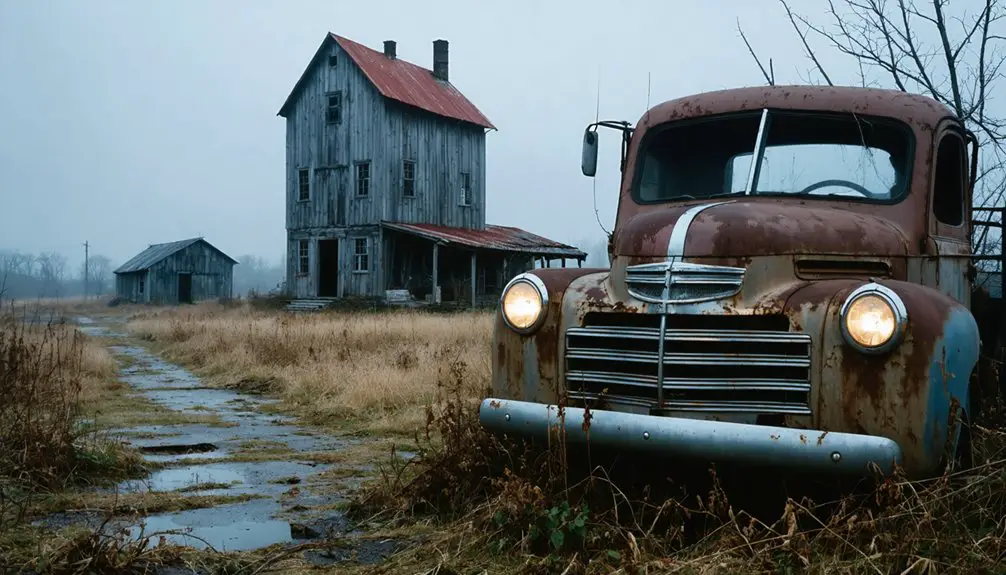
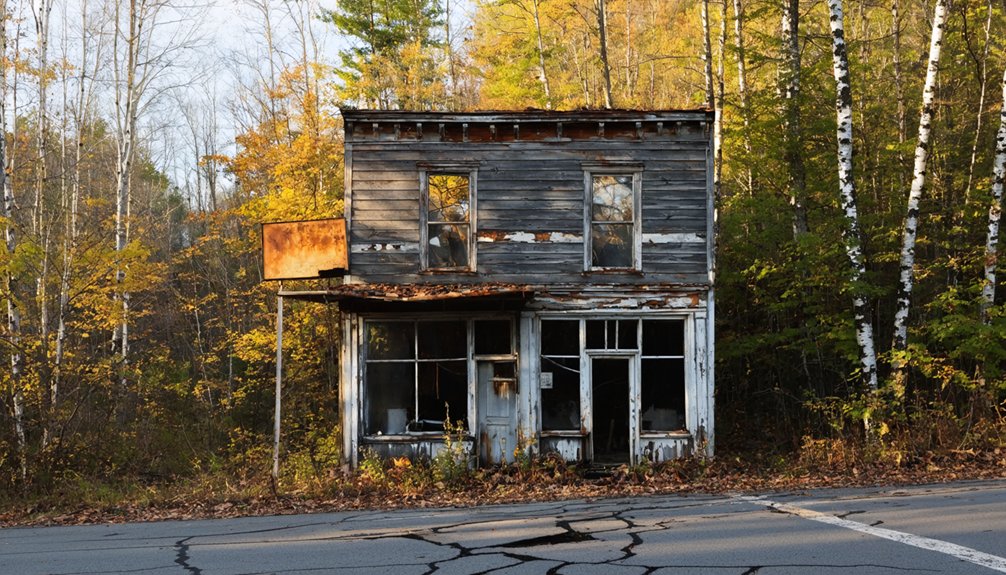
You’ll discover crumbling foundation stones half-swallowed by forest undergrowth, rusted mining equipment frozen mid-decay, and collapsed timber structures that whisper of a community’s rise and sudden abandonment.
These silent ruins fuel ghost stories and local legends that have circulated among Upper Peninsula residents for generations.
Walk carefully through the overgrowth, and you’ll notice depressions in the earth marking former cellar holes where families once lived.
Weathered stone walls still outline what were once functional mining operation buildings.
Every fractured beam and moss-covered rock tells a specific story about the Union Mine’s brief but intense period of human activity between 1846 and the Civil War era.
Mine Site Remnants
Beyond the scattered foundations and collapsed timber, the Union Mine site itself holds the most tangible connections to this community’s industrial past.
You’ll find remnants of the original shaft works, where copper was extracted during the 1840s operations that briefly shaped this remote Upper Peninsula corridor. The collapsed infrastructure tells a story without requiring a guided tour — you’re free to interpret it on your own terms.
Mine exploration here demands caution, as unstable ground and deteriorating structures present real hazards. Stay alert and respect the terrain’s unpredictability.
Despite its modest scale, the site carries genuine historical significance as one of Michigan’s earliest copper mining attempts, predating the region’s major copper boom. That pioneering effort, however short-lived, makes Union worth the deliberate journey off the beaten path.
Surrounding Natural Landscape
The forest has quietly reclaimed most of what Union’s miners left behind, and that reclamation is itself worth witnessing. Towering hardwoods and dense undergrowth have swallowed old foundations, creating a landscape where history and natural beauty exist in raw, unfiltered tension.
You’ll find yourself walking terrain that feels genuinely untouched, far removed from crowded tourist destinations.
Ontonagon County’s wilderness surrounds Union with striking scenery — rolling hills, dense canopies, and the kind of silence that reminds you why you sought escape in the first place.
Scenic trails wind through this remote Upper Peninsula landscape, rewarding explorers willing to venture off paved roads.
Keep your eyes open; nature doesn’t erase history completely. Subtle depressions and clearings hint at human presence, making every step feel like genuine discovery.
Best Time of Year to Visit Union, Michigan
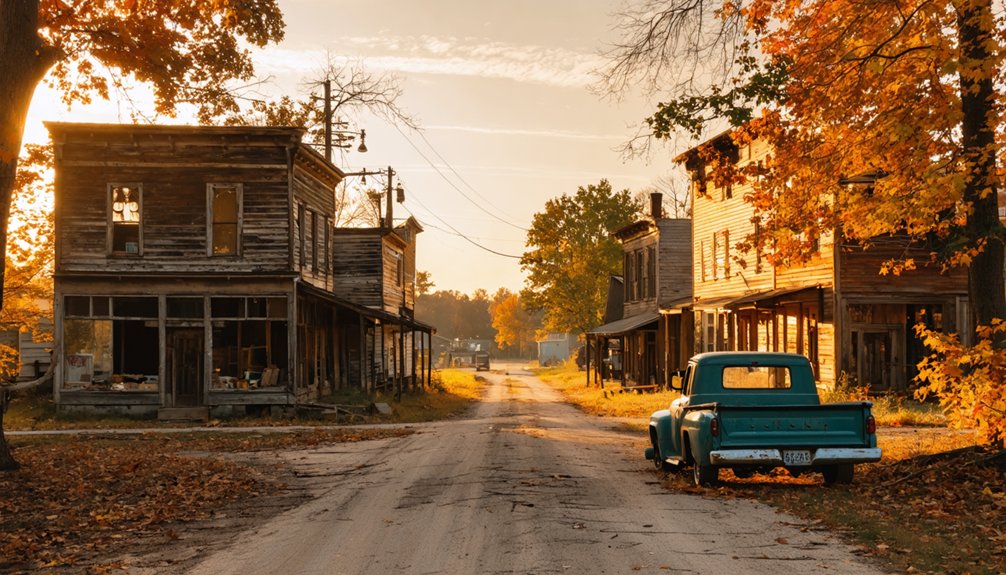
Timing your visit to Union, Michigan’s Upper Peninsula can make or break the experience, especially when you’re traversing remote terrain to reach a ghost town site like the old Union Mine near White Pine in Ontonagon County.
The best season is late June through early September, when ideal weather brings mild temperatures, manageable road conditions, and longer daylight hours for exploration.
Spring thaws create muddy, unpredictable terrain, while winter’s brutal snowfall can completely cut off access to remote sites.
Spring’s thawing ground turns backcountry trails treacherous, while winter’s relentless snowfall can render remote sites completely unreachable.
Fall offers stunning color displays but arrives quickly alongside early frost warnings.
Pack insect repellent for summer visits, as Upper Peninsula mosquitoes are legendary.
Always check local road conditions before departing, since Ontonagon County’s backcountry routes can deteriorate rapidly after heavy rainfall regardless of season.
What to Pack for Your Trip to Union, Michigan
Packing smart for a ghost town road trip to Union, Michigan’s Upper Peninsula means covering 5 essential categories: navigation, safety, clothing, sustenance, and documentation.
Your packing essentials should include offline maps, a compass, and a fully charged power bank since cell service is unreliable.
Safety gear is non-negotiable: bring a first aid kit, bear spray, emergency whistle, and a flashlight with extra batteries.
Layer your clothing for unpredictable U.P. weather — waterproof boots are mandatory.
Pack enough water, trail snacks, and a portable water filter for extended exploration.
Finally, document everything responsibly. Bring your camera, extra memory cards, and a weatherproof notebook.
You’re venturing into remote, largely untouched territory, so self-sufficiency isn’t optional — it’s your ticket to a safe, rewarding experience.
Where to Stay Near Union, Michigan
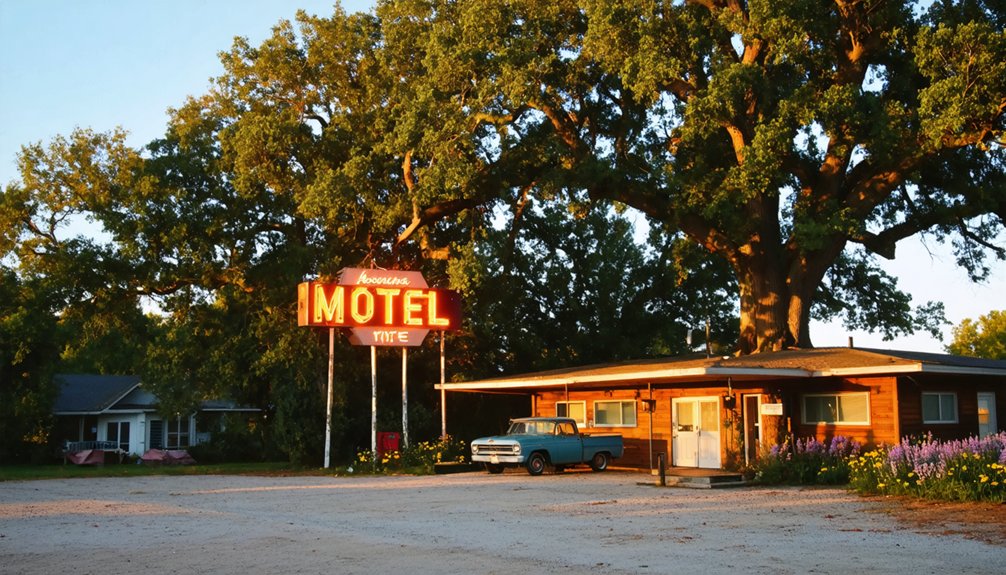
When you’re ready to rest after exploring Union’s haunting remnants, you’ll find a handful of hotel options in nearby towns like White Pine and Ontonagon that offer comfortable bases for your adventure.
If you’d rather sleep under Michigan’s Upper Peninsula sky, local campgrounds bring you closer to the wild, rugged landscape that once drew miners to this forgotten corner of the state.
Whether you choose a soft bed or a tent, planning your accommodations in advance guarantees you won’t scramble for a spot after a long day on the road.
Nearby Hotel Options
Since Union, Michigan sits in the remote Upper Peninsula, you’ll want to plan your accommodations well in advance—lodging options are sparse in this rugged, sparsely populated region.
Your closest hotel options cluster around Ontonagon and White Pine, roughly 10–20 miles away. The Bayshore Resort in Ontonagon offers waterfront rooms with reliable hotel amenities like free Wi-Fi and complimentary breakfast—ideal after a long day of exploring abandoned mining sites.
When following booking tips, reserve at least two weeks ahead during summer months, as regional tourism spikes considerably. Shoulder seasons like late spring or early fall offer better availability and lower rates.
Consider calling ahead directly—smaller UP properties sometimes offer unpublished discounts unavailable through third-party booking platforms, giving you maximum flexibility and value.
Local Camping Sites
For ghost town explorers who’d rather sleep under the stars than in a hotel room, the forests surrounding Union, Michigan deliver some genuinely spectacular camping options.
Ottawa National Forest sits nearby, offering dispersed backcountry camping that lets you set up virtually anywhere within designated zones. You’ll want to review current camping regulations before pitching your tent, as rules vary by season and specific location within the forest.
Porcupine Mountains Wilderness State Park also provides excellent campgrounds ranging from rustic tent sites to cabins.
Keep your food secured properly — local wildlife including black bears, deer, and coyotes roam these woods actively. Campfire restrictions change seasonally, so check with forest rangers beforehand.
Reserving your site early during summer months prevents disappointment, as these spots fill quickly.
Nearby Upper Peninsula Ghost Towns Worth Adding to Your Route
While you’re exploring Union, the Upper Peninsula rewards curious travelers with several other ghost towns scattered across its rugged landscape.
Nearby Freda and Redridge offer stunning abandoned structures along Lake Superior’s shoreline, where crumbling stamp mills and forgotten worker cottages tell silent industrial stories.
Copper Country’s ghost towns carry rich local folklore about immigrant miners who built tight-knit communities, then vanished when copper profits collapsed.
Head toward Keweenaw Peninsula to discover Mandan and Central Mine, where weathered buildings stand remarkably intact.
Fayette Historic State Park delivers a nearly complete ghost town experience with preserved iron-smelting furnaces overlooking Big Bay de Noc.
Each stop deepens your understanding of the UP’s boom-and-bust heritage, transforming a single destination visit into an immersive, freedom-fueled journey through Michigan’s forgotten past.
What to Know Before You Wander Into an Abandoned Mining Site
Abandoned mining sites like the Union Mine carry a magnetic pull, but before you set foot on crumbling ground, you’ll want to arm yourself with practical knowledge that could save your life.
Old shafts collapse without warning, so never explore alone and always tell someone your route. Wear sturdy boots, carry a first aid kit, and bring more water than you think you’ll need.
Michigan’s Upper Peninsula hosts dense wilderness, meaning local wildlife encounters are real possibilities. Bears, wolves, and venomous snakes share this territory, so stay alert and store food properly.
Research safety precautions specific to abandoned mines, including avoiding unstable structures and watching for toxic air pockets in enclosed spaces. Respecting these boundaries isn’t timidity — it’s the smartest way to keep your freedom intact and return home with great stories.
Frequently Asked Questions
Is Photography Permitted at Abandoned Mining Sites in Ontonagon County?
You’ll find abandoned photography at Ontonagon County’s mining history sites is generally permitted, but always respect private property boundaries. Capture the haunting beauty responsibly, and you’re free to document these incredible remnants of Michigan’s rich industrial past.
Are There Guided Tours Available Specifically for Union, Michigan Ghost Town?
Like a map with no legend, guided tours for Union, Michigan’s ghost town history and local legends don’t officially exist — you’ll forge your own path, uncovering forgotten stories independently through self-guided exploration of this mysterious, abandoned landscape.
Can Children Safely Visit the Union, Michigan Ghost Town Ruins?
You can bring children to explore Union’s ghost town history, but you’ll want to take safety precautions. Watch for unstable ruins, uneven terrain, and hidden hazards, keeping kids close as you discover this fascinating, freedom-filled adventure together.
Is Union, Michigan Ghost Town Accessible to Visitors With Mobility Limitations?
Unfortunately, you’ll find wheelchair access challenging at Union, Michigan’s ghost town, as its rugged terrain isn’t mobility-friendly. Despite its historical significance, you’d need to carefully assess paths before visiting to fully explore its fascinating remnants.
Does Union, Michigan Ghost Town Have Any Cell Phone Signal Coverage?
Ever wonder if you’ll stay connected off the grid? You can’t rely on cell service at Union, Michigan — signal strength is virtually nonexistent there, so embrace the freedom of disconnecting completely during your ghost town adventure.
References
- https://lostinthestates.com/union-level-ghost-town/
- https://mikelbclassen.com/2024/04/12/union-mine-porcupine-mountains-michigan/
- https://www.visitkeweenaw.com/things-to-do/museums-history/ghost-towns/
- https://lostinmichigan.net/union-church/
- https://www.hmdb.org/m.asp?m=185730
- https://www.youtube.com/watch?v=yyYu9j1naDA
- https://www.youtube.com/watch?v=7-vjuqiGWJU
- https://en.wikipedia.org/wiki/List_of_ghost_towns_in_Michigan
- https://99wfmk.com/arden-grafton-hodunk/