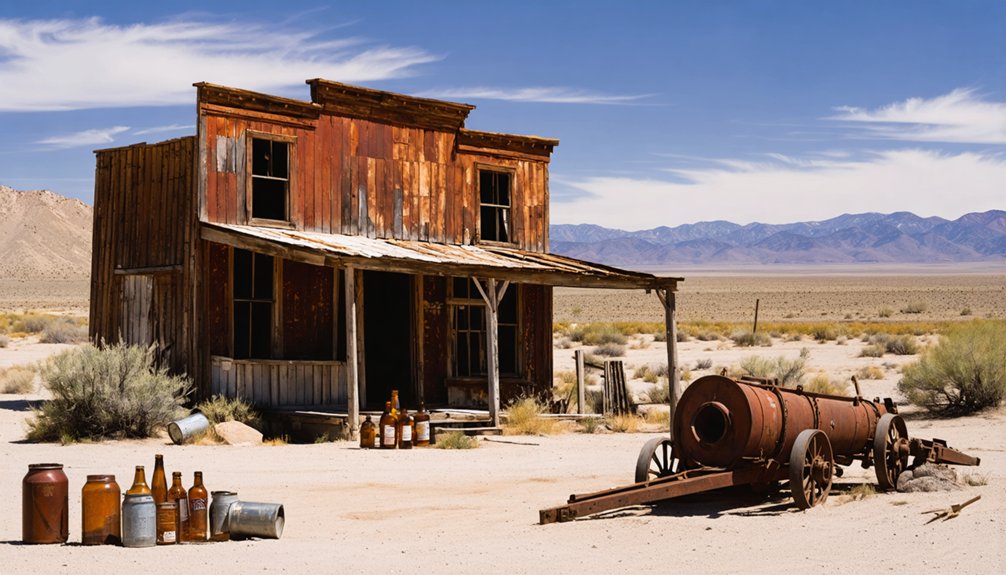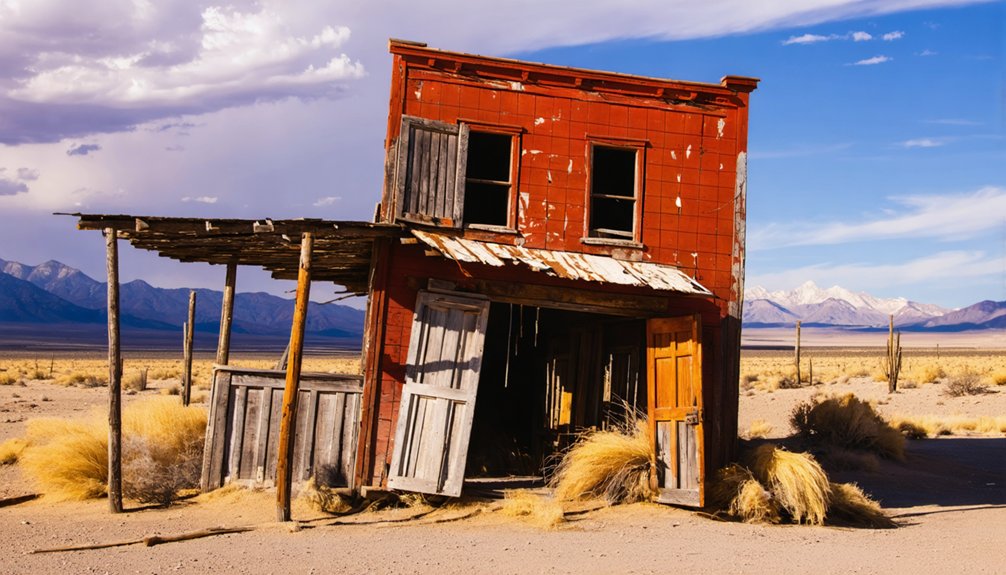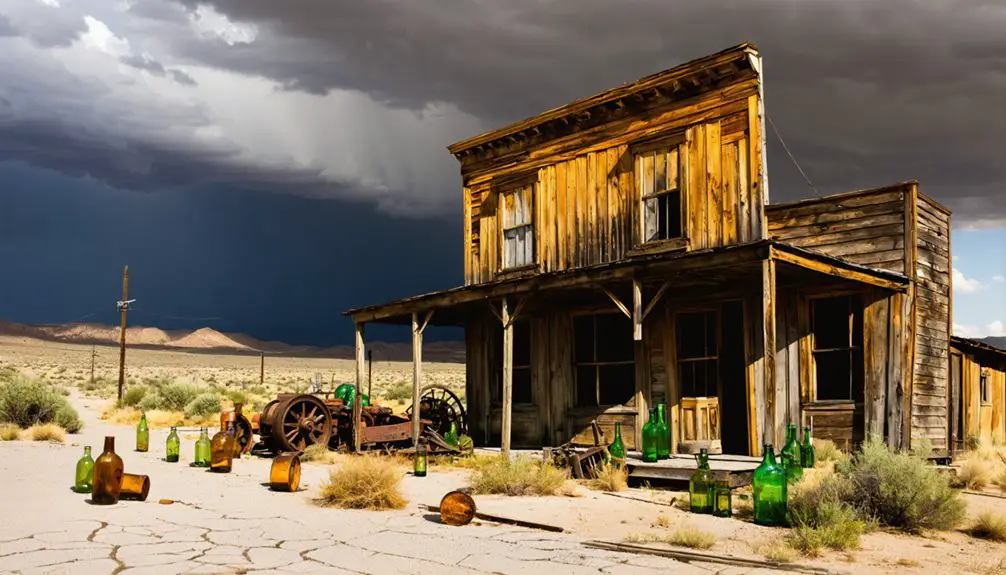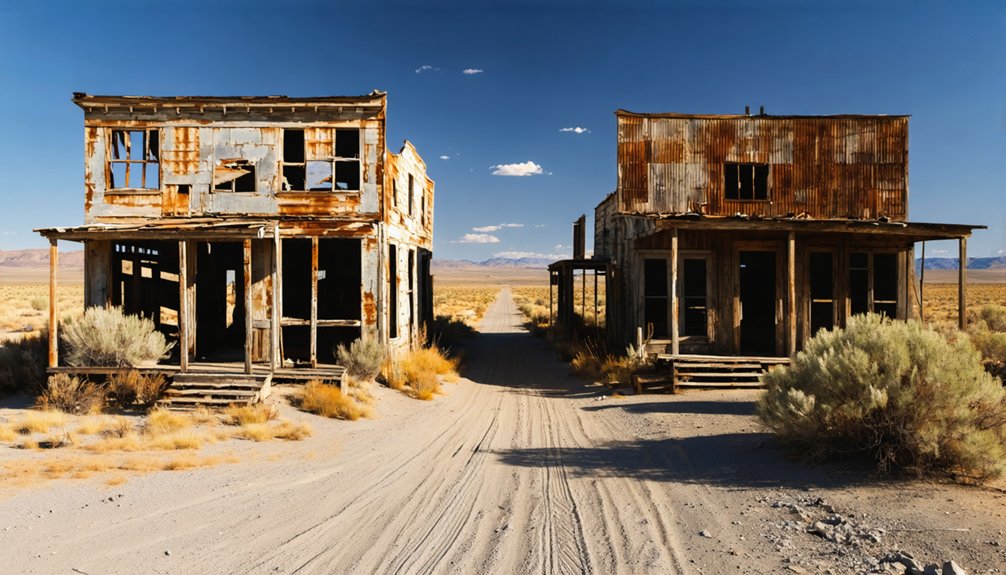
You’ll drive about an hour northeast of Las Vegas along US-93 North to reach Louisville, Nevada — a Mormon settlement swallowed by Lake Mead’s rising waters in 1938. Pay the $25 park entry fee, navigate a 3.5-mile gravel road, and you’ll stand above stone foundations that drought has slowly reclaimed from the reservoir. It’s a haunting, historically rich experience that rewards the curious — and there’s far more to uncover about making the most of this forgotten journey.
Key Takeaways
- Louisville, Nevada, a Mormon settlement established in 1865, was submerged by Lake Mead in 1938 and resurfaces during drought conditions.
- From Las Vegas, drive northeast on US-93 North, then merge onto NV-169 toward Overton, approximately one hour away.
- Pay the $25 Lake Mead National Recreation Area entry fee, then navigate a 3.5-mile gravel road to the overlook parking area.
- Expect visible stone foundations, historical artifacts, waterline contrasts, and informational signs providing context about this submerged Mormon community.
- Extend your road trip by visiting Goldfield’s Car Forest and Rhyolite’s stone ruins along Highway 95 northwest.
What Is the History of Louisville Nevada’s Submerged Ghost Town?
When you peer across the glassy surface of Lake Mead, you’re looking at something most travelers completely miss — a drowned town with a story stretching back to 1865.
Beneath Lake Mead’s mirror-calm surface lies a drowned town most travelers never know exists.
That year, Mormon settlers established Louisville at the confluence of the Muddy and Virgin Rivers, building a Mormon settlement rooted in rich agricultural history. They farmed fertile bottomlands, supplying nearby mining camps with food and sustaining a tight-knit community for decades.
Then came Hoover Dam. By 1938, rising reservoir waters swallowed Louisville whole, erasing what pioneers had carefully built. No evacuation drama made headlines — the town simply disappeared beneath the surface.
Today, drought conditions periodically expose the foundations, giving you rare access to ruins that federal water projects buried over eighty years ago.
How Do You Get to Louisville Nevada From Las Vegas?
Knowing Louisville’s story makes the drive out there feel like more than just a road trip — it feels like a pilgrimage. From Las Vegas, you’re looking at roughly one hour heading northeast.
Keep these route options and travel tips in mind:
- Take US-93 North, then merge onto NV-169 toward Overton.
- Pay the Lake Mead National Recreation Area entry fee at the gate.
- Turn left onto the 3.5-mile gravel road leading to the overlook parking area.
- Walk the trail from the parking lot — informational signs guide you through the ruins.
Go during daylight since the park closes after dark.
Fill your tank before leaving Las Vegas — services disappear fast once you leave the city behind.
What Entry Fees and Road Conditions Should You Expect?
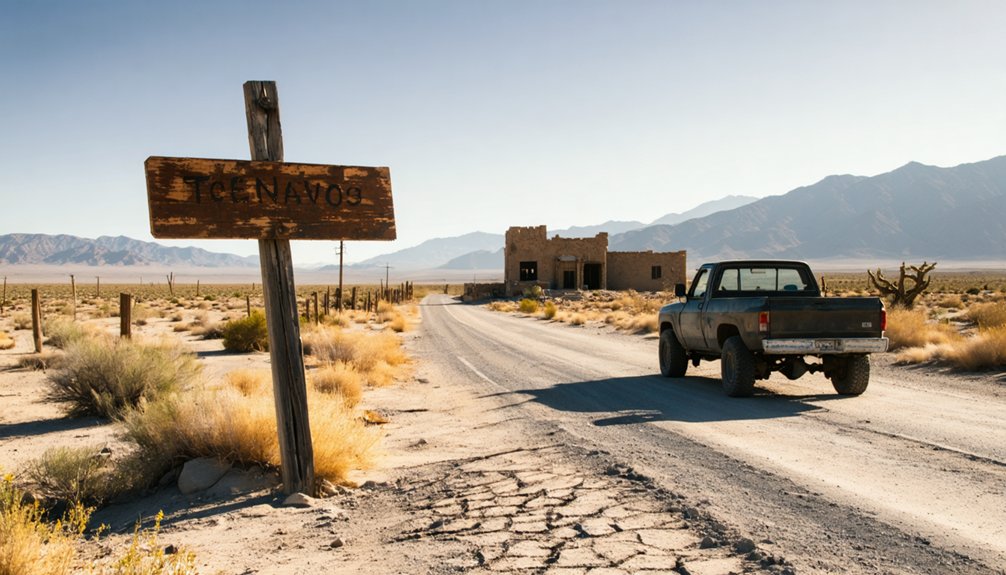
Before you chase down a ghost town swallowed by a federal reservoir, you’ll want to budget for the Lake Mead National Recreation Area entry fee — currently around $25 per vehicle — which covers seven days of access across the recreation area.
That pass buys you more than just access; it buys you passage into a drowned Mormon settlement that most travelers don’t even know exists.
Once you’ve paid, navigate toward Overton and turn left onto a 3.5-mile gravel road that dead-ends at the overlook.
Road conditions are manageable but unpaved — expect washboard stretches and dust. A standard rental car handles it fine, but drive deliberately.
The road closes after dark, so arrive with daylight to spare and leave before the desert swallows your exit route whole.
What Will You Actually See at the Louisville Nevada Ruins?
What you’ll find at the Louisville ruins depends entirely on Lake Mead’s water levels — and right now, prolonged drought has pulled the reservoir back far enough to expose foundations, stone walls, and scattered artifacts that haven’t seen open air since 1938.
This ruins exploration feels genuinely raw, like stumbling onto forgotten history nobody packaged for tourists.
Expect to encounter:
- Stone foundations from Mormon-era homes and agricultural buildings
- Historical artifacts embedded in sediment, remnants of 1860s frontier farming life
- Informational signs along the trail contextualizing what stood here before flooding
- Dramatic waterline contrasts showing exactly how deep the reservoir once buried everything
You’re walking through a community that federal infrastructure erased overnight — and the land is finally talking again.
Which Nevada Ghost Towns Pair Well With a Louisville Road Trip?
Once you’ve walked the Louisville ruins and felt the weight of a drowned town, it’s hard to just point the car back toward Las Vegas and call it a day — Nevada’s ghost town circuit rewards the curious traveler who keeps driving.
Head northwest on Highway 95 and you’ll hit Goldfield attractions worth stopping for: the surreal Car Forest, a haunted hotel, and a town that refuses to fully die.
Keep pushing toward Beatty and the Rhyolite ruins open up — roofless stone buildings and a bottle house standing against desert silence, remnants of a boomtown that peaked at 4,000 residents before collapsing almost overnight.
String these stops together and you’re not just sightseeing; you’re tracing the raw, restless arc of Nevada’s forgotten ambitions.
Frequently Asked Questions
What Is the Best Time of Year to Visit Louisville Nevada?
You’ll find the best season is spring or fall, when cooler temps make exploring Louisville’s haunting ruins bearable. Check local events in Overton, embrace the freedom of open Nevada roads, and chase history boldly.
Are Pets Allowed on the Trail Leading to the Louisville Ruins?
Pets potentially permitted, but you’ll want to verify current pet regulations with Lake Mead National Recreation Area directly. Prioritize trail safety by keeping your furry companion leashed while you’re exploring Louisville’s hauntingly historic, submerged ruins adventurously.
Can You Swim or Kayak Near the Submerged Louisville Nevada Ruins?
You can kayak over Louisville’s submerged ruins, embracing underwater exploration where Mormon pioneers once farmed. Prioritize kayaking safety on Lake Mead’s shifting waters, and you’ll drift above history’s drowned heartbeat, free and untethered.
Is Louisville Nevada Suitable for Young Children or Elderly Visitors?
Like pioneers crossing uneven terrain, you’ll find Louisville’s 3.5-mile gravel road and uneven ruins challenging for elderly visitors and young children. Family activities exist, but accessibility options are limited, so plan accordingly for comfort and safety.
Are There Any Guided Tours Available for Louisville Nevada Ghost Town?
No official guided tours exist for Louisville’s ghost town history, but you’ll find informational signs along the trail for self-guided exploration. Embrace your freedom—venture independently, uncover submerged ruins, and let history speak directly to you.
References
- https://pinintheatlas.com/travel-blogs/hwy-95-road-trip/
- https://www.youtube.com/watch?v=jBgXMYH9XF0
- https://www.roadunraveled.com/blog/et-highway-ghost-towns-nevada/
- https://usghostadventures.com/americas-most-haunted-trending/ghost-towns-to-visit-on-your-summer-road-trip-along-route-66/
- https://hitraveltales.com/stories/getting-weird-in-nevada-with-art-history-ghosts-clowns
- https://www.youtube.com/watch?v=vekC6WPhrsI
- https://travelnevada.com/ghost-town/