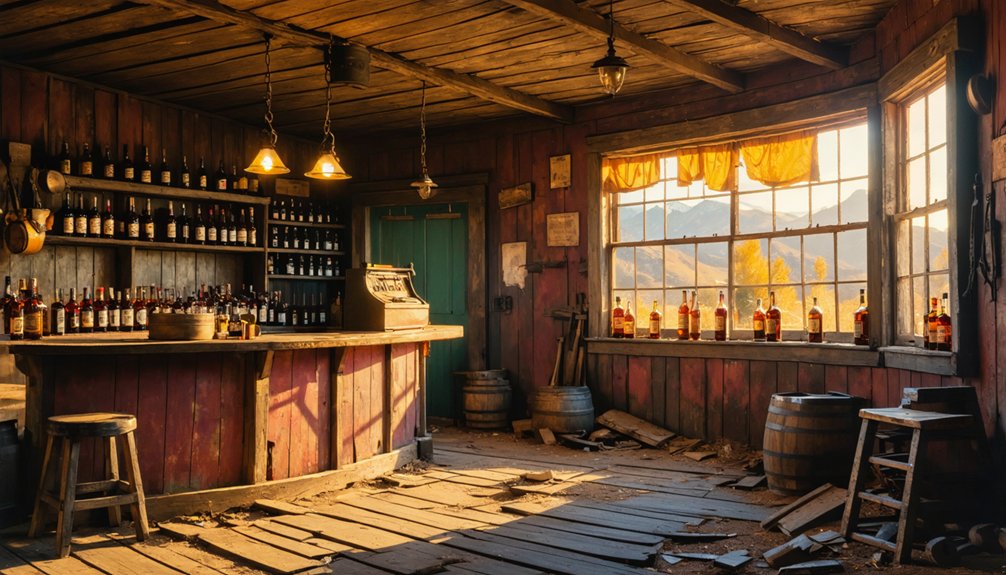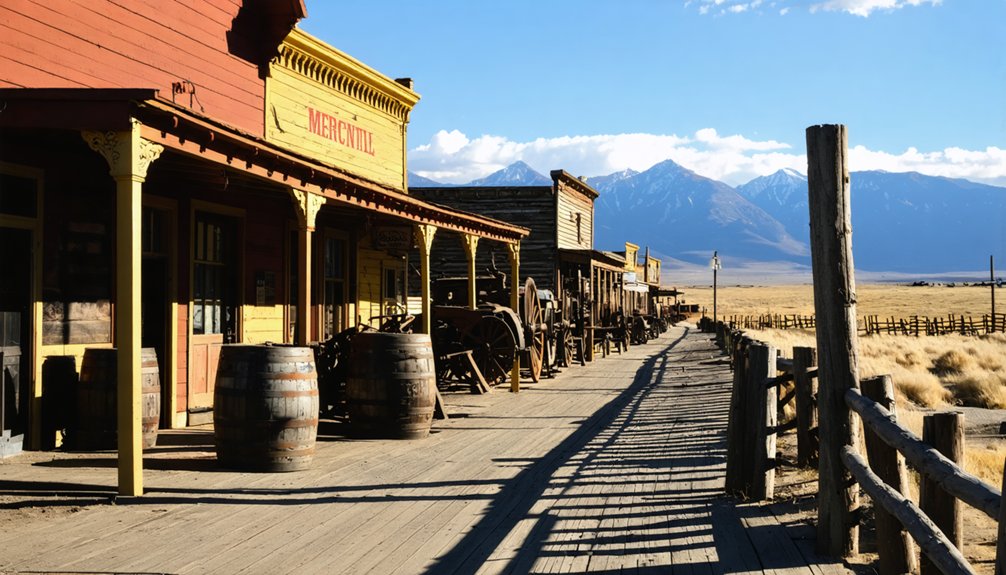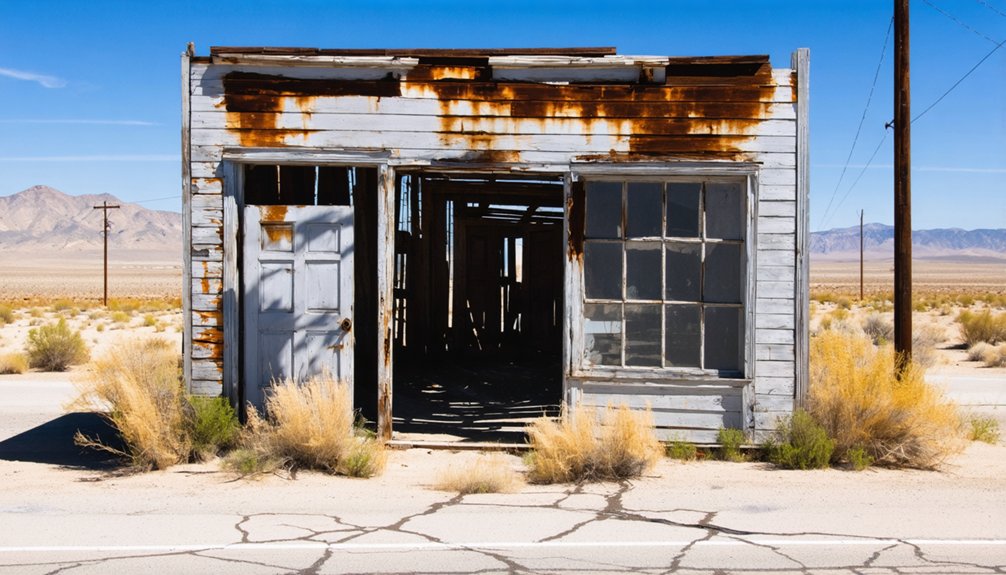
Vaccaro, California sits beyond the tourist maps, waiting for travelers willing to earn the view. You’ll need a high-clearance four-wheel drive, reserve fuel, and three days of supplies before tackling the final 20 miles of rough granite tracks. Visit between late October and early April to avoid punishing desert heat. This lesser-known ghost town rewards the committed explorer with raw, unfiltered mining history — and there’s far more to uncover ahead.
Key Takeaways
- Vaccaro is a remote California ghost town best accessed via Highway 99, Interstate 5, and Highway 33, requiring a high-clearance four-wheel-drive vehicle.
- The final 20 miles feature rough dirt and granite tracks with washboard surfaces, embedded rocks, and weather-related hazards demanding careful navigation.
- Fill your tank completely at the last verified town, carry two gallons of reserve fuel, and download offline maps before losing cell service.
- Pack three days of water and food, with at least one gallon of water per person daily, as the area is arid and remote.
- Visit between late October and early April to avoid extreme desert heat, with weekdays offering the most solitude for exploration.
What Makes Vaccaro One of California’s Most Overlooked Ghost Towns?
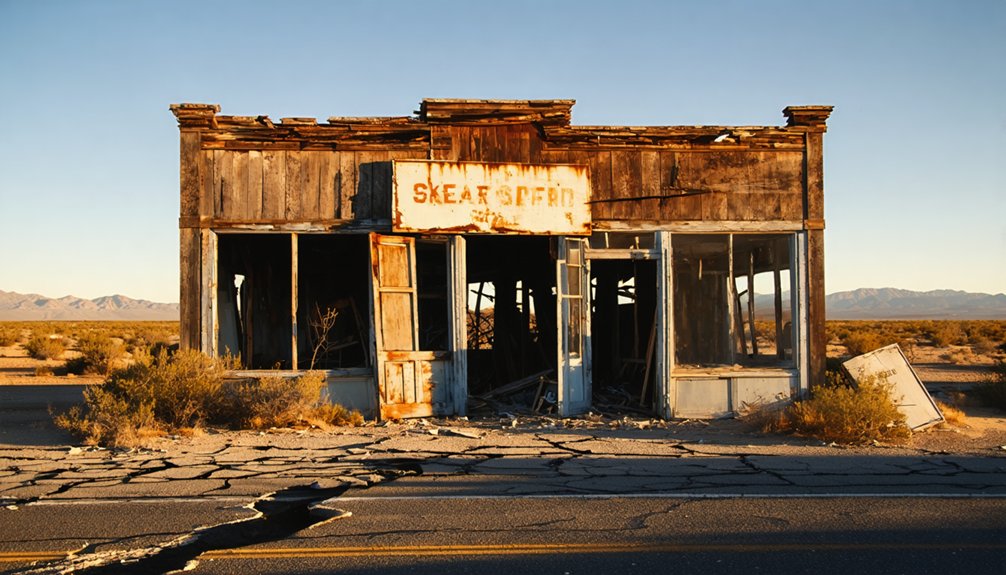
Although California’s ghost-town circuit draws steady crowds to Calico and Bodie, Vaccaro sits well outside that familiar rotation—a settlement so thoroughly swallowed by boom-and-bust cycles that even dedicated road-trippers rarely find it on a standard map.
That overlooked history is precisely what makes it worth chasing. While preserved parks offer curated narratives and gift shops, Vaccaro represents something rawer: a place where mining economics built a community and then quietly erased it.
You won’t find stabilized buildings or interpretive signage here—just traces, silence, and the kind of hidden treasures that reward travelers willing to dig past the obvious.
If you crave open roads, unfiltered history, and destinations that haven’t been packaged for easy consumption, Vaccaro offers exactly that kind of unscripted freedom.
Where Vaccaro Fits on a California Ghost Town Road Trip
Because California’s ghost-town circuit stretches nearly 800 miles from Shasta State Historic Park in the north to Calico in the Mojave Desert, Vaccaro doesn’t sit in isolation—it slots into a broader web of mining-era collapse that shaped entire regions of the state.
Understanding Vaccaro history means reading it against that larger pattern: boom, extraction, abandonment, silence.
Vaccaro doesn’t explain itself in isolation—it only makes sense inside the longer story of boom, extraction, and silence.
Ghost town significance here isn’t accidental. The same economic forces that hollowed out silver camps in Death Valley and gold camps along the Sierra Nevada touched smaller, lesser-known settlements too.
Vaccaro represents that quieter tier—places that don’t anchor official itineraries but reward travelers willing to push past the curated stops.
Position it as a detour, not a destination, and it starts to make complete sense.
How to Reach Vaccaro and What the Drive Actually Involves
Getting to Vaccaro means committing to roads that haven’t been engineered for convenience—you’ll want to anchor your approach off the nearest reliable state highway before conditions thin out.
The terrain shifts quickly in California’s ghost-town corridors, moving from paved access roads to rutted desert tracks that demand higher clearance and slower speeds.
Fuel up and stock water before you leave the last town of any size, because supply stops don’t appear on schedule once you’re pushing toward a place the map barely remembers.
Nearest Major Highway Access
Reaching Vaccaro means committing to the kind of drive that strips away the comfortable margins of modern travel—you’ll leave the freeway behind well before the destination appears, trading maintained asphalt for roads that thin out the farther you push into California’s interior.
Highway 99 and Interstate 5 serve as your primary spine through the Central Valley, with Highway 33 functioning as a useful lateral corridor depending on your approach direction.
Watch highway landmarks carefully once you exit the major arteries—junction signs grow sparse, and cellular navigation loses confidence in these stretches.
Among essential travel tips: fuel up at every reasonable opportunity, note your odometer readings at key turns, and carry a physical map.
The infrastructure thins deliberately the closer you get to California’s forgotten edges.
Road Conditions And Terrain
The last 20 miles into Vaccaro will test your patience before they test your suspension—dirt and decomposed granite replace asphalt somewhere past the final highway junction, and the road narrows into a single-lane track that mining-era wagons once wore into the earth.
Terrain challenges multiply quickly: washboard surfaces rattle loose bolts, embedded rocks threaten sidewalls, and seasonal rains carve ruts deep enough to ground a standard sedan.
Road safety demands you carry two spare tires, not one. High-clearance four-wheel drive isn’t a suggestion here—it’s the price of admission.
Watch for blind crests where the track bends around eroded hillsides. The desert doesn’t negotiate. Come prepared, move deliberately, and read the land the way prospectors once did—like your return trip depends on it.
Fuel And Supply Stops
Four fuel stops stand between you and Vaccaro’s silence, and missing any one of them turns an adventure into an emergency.
Fuel availability thins dramatically once you leave the last highway corridor, so stock up early and treat every station as essential. Supply options don’t improve the deeper you push into the desert.
- Fill your tank completely at the last verified town before the desert stretch begins.
- Carry two gallons of reserve fuel in an approved container secured in your truck bed.
- Stock three days of water and food because supply options vanish past the final rural crossroads.
- Note station hours in advance since remote fuel availability often ends by early afternoon, leaving late arrivals stranded.
What Road and Vehicle Conditions to Expect Before You Arrive
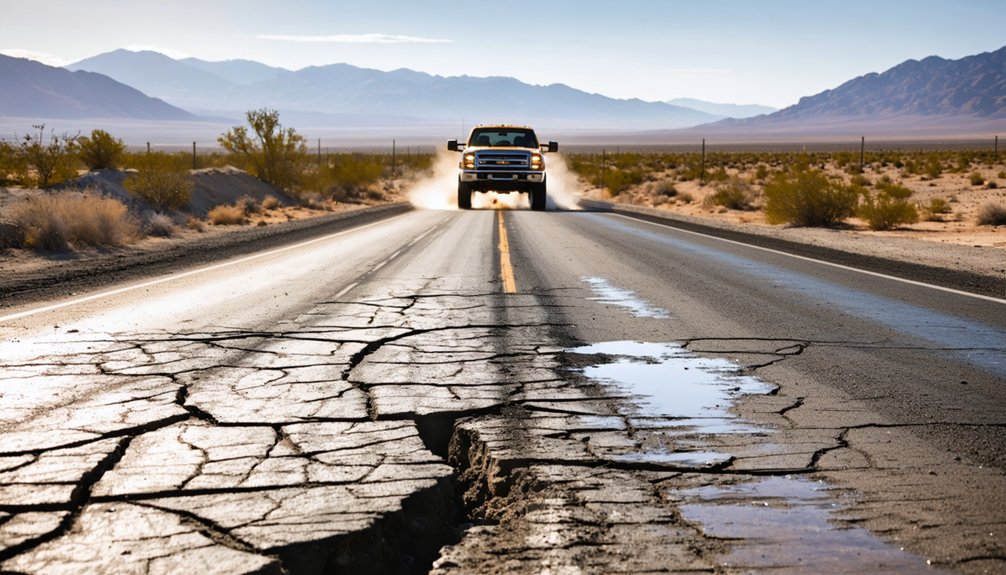
The final miles into Vaccaro will likely test both your patience and your vehicle, as remote California ghost towns typically swap paved roads for rutted dirt tracks that demand high clearance and slow, deliberate driving.
You’ll want a full tank before you leave the last sizable town behind, because fuel stations thin out fast in the desert stretches that define this kind of journey.
Carry more water than you think you need — these arid corridors don’t forgive the same miscalculations that swallowed the mining communities you’ve come to find.
Road Surface Conditions Ahead
Most ghost-town routes in California’s mining country weren’t built for modern vehicles—they were carved out for ore wagons, mule teams, and narrow-gauge rail lines that haven’t existed in over a century.
The roads that replaced them often reflect that neglect. Terrain challenges and inconsistent road maintenance shape every mile before you reach the site.
Expect these conditions:
- Washboard gravel that loosens wheel bolts and rattles suspension over sustained stretches
- Flash-flood erosion cutting ruts across desert flats with no warning signs posted
- Loose shale switchbacks on canyon approaches where traction disappears without notice
- Sand drift crossings that can swallow a low-clearance vehicle mid-route
Check road conditions within 48 hours of departure—desert terrain shifts fast.
Vehicle Clearance Requirements
Before you load the gear and pull onto the highway, understanding clearance requirements can mean the difference between reaching the site and watching your oil pan scrape gravel two miles short of it.
Desert mining roads weren’t built for modern sedans — they were carved by ore wagons and supply trucks that demanded durability over comfort.
Different vehicle types handle these routes very differently. A high-clearance 4WD with at least eight inches of ground clearance handles washboard stretches and eroded shoulders without strain.
Standard sedans and low-profile crossovers struggle where the road crowns sharply or drops unexpectedly. Clearance height matters most when you hit rutted switchbacks or wash crossings that seasonal flooding has reshaped.
Check your owner’s manual, know your numbers, and choose your vehicle accordingly before departure.
Fuel And Water Planning
Knowing your vehicle’s limits gets you to the trailhead — knowing your fuel range and water supply keeps you from becoming part of the ghost town‘s story.
Desert mining routes once supported entire supply chains; today, those same corridors leave modern travelers exposed.
Fuel strategies and water sources to plan before departure:
- Fill your tank at the last confirmed station — gaps between towns can exceed 50 miles on remote corridors.
- Carry a minimum one-gallon water reserve per person, per day in arid stretches.
- Research water sources in advance; natural springs marked on older maps may be seasonal or contaminated.
- Download offline fuel-station maps before losing cell service — dead zones begin well before ghost-town access roads.
What Remains at Vaccaro: Ruins, Relics, and Site Access
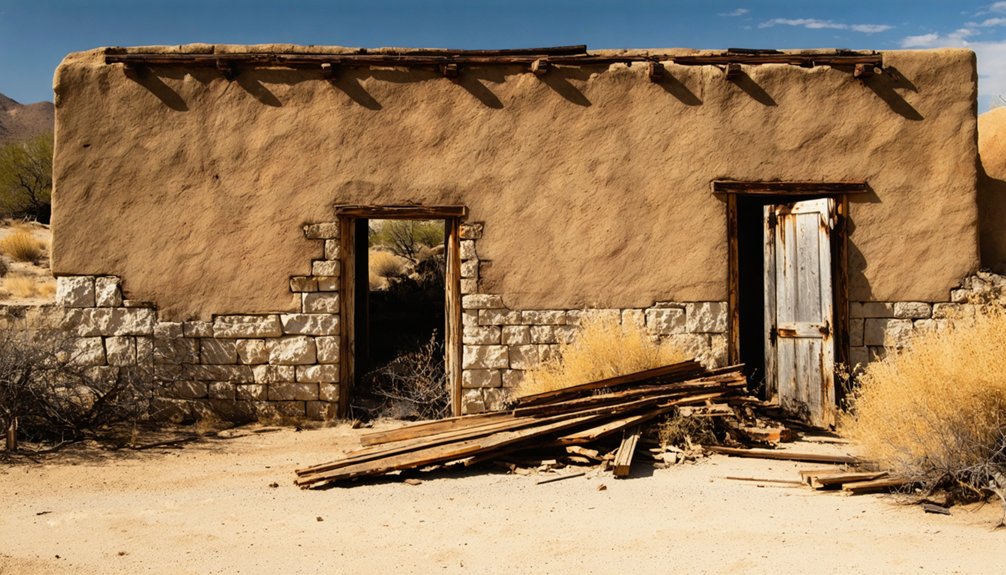
Though confirmed documentation on Vaccaro remains thin, what draws explorers to lesser-known California ghost towns is precisely that uncertainty — the sense that you’re piecing together a place from what’s left rather than what’s labeled.
Ruin exploration here means reading the landscape itself: scattered foundations, oxidized metal, collapsed timber frames that hint at what once stood.
The historical significance of sites like Vaccaro ties directly to California’s boom-and-bust mining cycles — communities that rose fast and disappeared faster. You won’t find interpretive signs or paved paths. What you’ll find instead are fragments demanding your own analysis.
Before visiting, verify land access through local county or BLM records. Some remnants sit on private property.
Respect boundaries, photograph carefully, and leave everything exactly as you found it.
Which California Ghost Towns Pair Best With Vaccaro on the Same Route
Where you place Vaccaro on a broader California ghost-town route determines how much historical weight the drive actually carries.
Stack it alongside towns rooted in mining narratives and hidden histories, and the journey builds real meaning.
- Shasta State Historic Park — Northern gold-rush ruins anchor the route’s opening chapter.
- Bodie State Historic Park — A preserved boomtown frozen mid-collapse, offering unmatched structural drama.
- Cerro Gordo — A silver-mining vertical town above Owens Valley that rewrites desert ambition.
- Calico Ghost Town — A restored silver camp near the Mojave that closes the loop with commercial history alongside genuine ruin.
Thread Vaccaro between stops like these and you’re no longer just driving — you’re reading California’s buried economic biography mile by mile.
When to Visit Vaccaro for the Best Weather and Fewest Crowds
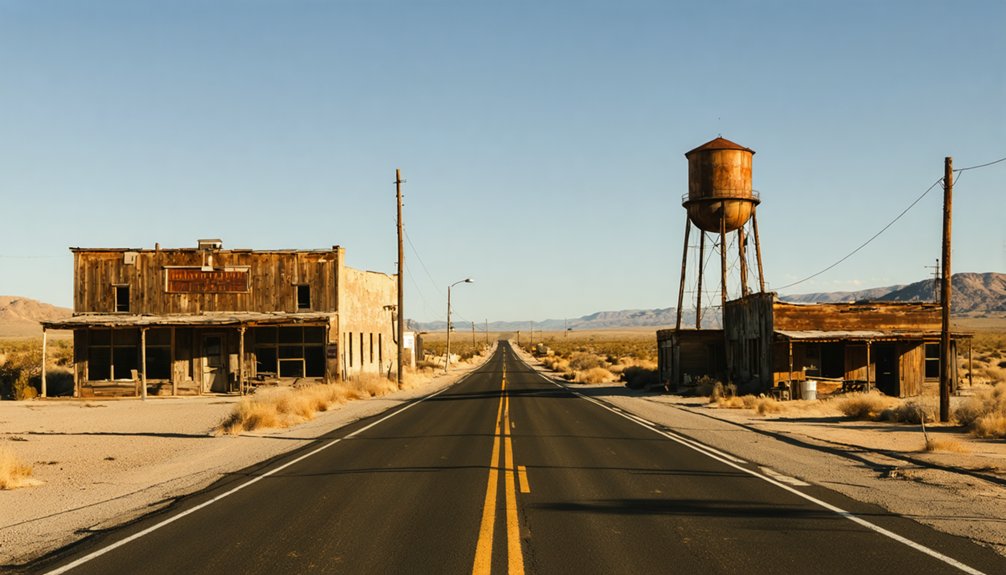
Timing your visit to Vaccaro shapes everything — the light you’ll photograph, the solitude you’ll feel, and whether the desert heat turns the trip into an ordeal.
California’s ghost towns follow distinct weather patterns that reward the prepared traveler.
The best seasons fall between late October and early April, when temperatures stay manageable and harsh summer sun retreats.
Spring brings softer morning light ideal for capturing weathered structures. Fall delivers cool, quiet days when crowds thin dramatically after the summer tourist surge.
Avoid July and August entirely. Desert heat in California’s interior routinely exceeds 100°F, turning exploration into a survival exercise rather than a discovery.
Weekdays in shoulder seasons offer genuine solitude — the kind that lets abandoned places speak without interruption.
Plan accordingly, and Vaccaro rewards you with unfiltered, unhurried history.
Frequently Asked Questions
Is There an Entrance Fee or Permit Required to Visit Vaccaro?
Over 300 California ghost towns lack verified access data. We couldn’t confirm Vaccaro’s entrance fees or permits, so check local authorities before you go—its historical significance and local legends deserve your respectful, informed exploration.
Are Pets Allowed When Exploring the Vaccaro Ghost Town Site?
Before you load up your four-legged companion, verify current pet policies directly with local authorities, as rules shift. Prioritize pet safety amid local wildlife that’s reclaimed these forgotten, historically rich grounds since miners departed long ago.
Can You Camp Overnight Near Vaccaro During a Road Trip?
You’ll find camping options near California’s ghost town corridors, but verify access rules first. Embrace the freedom of sleeping under desert stars, and follow safety tips like packing water, fuel, and weather gear for remote overnight stays.
Is Vaccaro Privately Owned or Located on Public Land?
You can’t confirm Vaccaro’s ownership status yet—its history significance remains unverified in authoritative sources. Before you roam freely, research accessibility concerns carefully, checking whether it’s public land or privately held to avoid trespassing.
What Photography Rules or Restrictions Apply at Vaccaro’s Ruins?
Before you frame a shot of those abandoned structures or capture sweeping landscape photography, verify Vaccaro’s access rules directly with land managers, since photography restrictions vary depending on whether you’re standing on public or privately held ground.
References
- https://tisqui.github.io
- https://en.wikipedia.org/wiki/List_of_ghost_towns_in_California
- https://www.nps.gov/deva/learn/historyculture/death-valley-ghost-towns.htm
- https://en.wikipedia.org/wiki/Reportedly_haunted_locations_in_California
- https://www.pbs.org/video/ghost-towns-qfokls/
- https://www.youtube.com/watch?v=KMJ9x5kvrLw
- https://dornsife.usc.edu/magazine/echoes-in-the-dust/
- https://www.youtube.com/watch?v=_HzKTSRR7IQ
- https://www.facebook.com/groups/americansouthwest/posts/1240189036610568/
- https://www.youtube.com/watch?v=y_-RtIvwMO4&list=TLPQMjAwMjIwMjY2gSWM1A3T9A&index=10