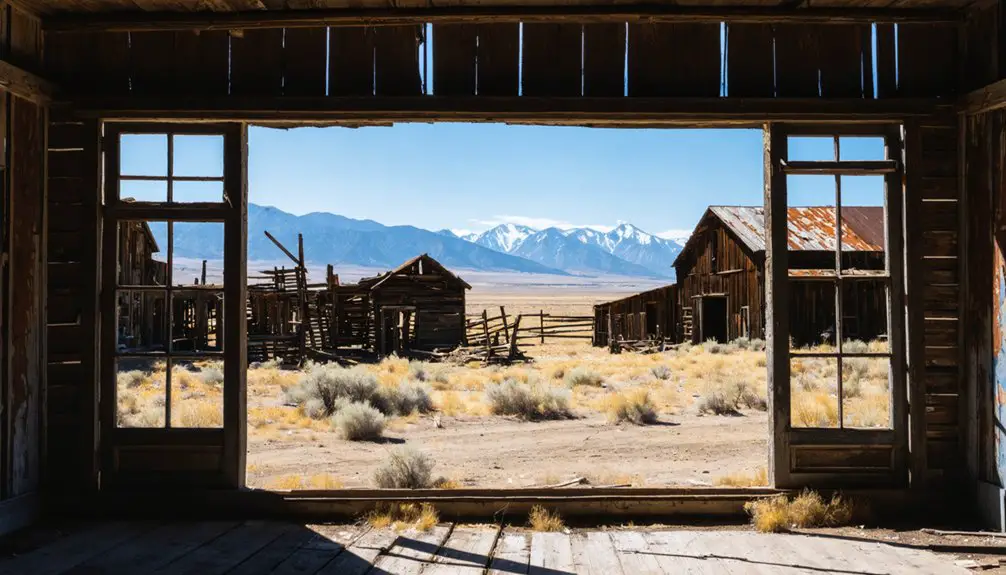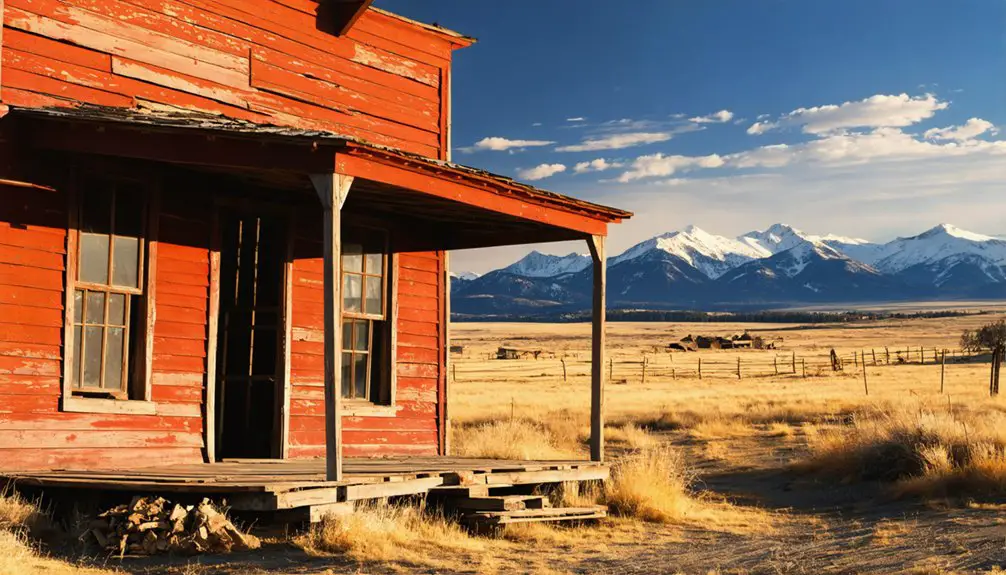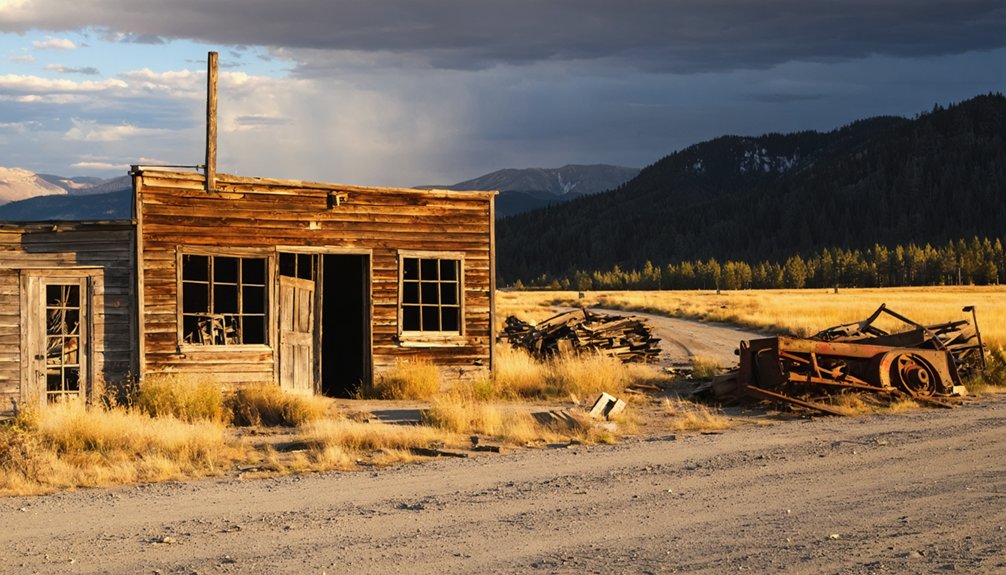
Plan your road trip to Wickes, Montana by exiting Interstate 15 at Jefferson City, then heading west on Corbin Road through Jefferson County’s silver-scarred landscape. You’ll reach this ghost town at 5,197 feet, where smelter ruins and domed coke ovens still stand from the 1893 Silver Panic that silenced nearly 1,500 residents overnight. Visit between late May and October for the best conditions. Everything you need to explore Wickes like a seasoned ghost town hunter is waiting just ahead.
Key Takeaways
- Wickes, Montana, is a ghost town in Jefferson County, once home to nearly 1,500 residents during the 1877 silver boom.
- Visit during late May through June or September to early October for optimal road and weather conditions.
- Access Wickes by exiting Interstate 15 at Jefferson City, then traveling west on Corbin Road approximately five miles.
- Explore industrial ruins including domed coke ovens, charcoal kilns from 1881, and smelter remnants from silver processing operations.
- Nearby Corbin and Jefferson City offer additional mining history, extending your ghost town road trip through Jefferson County.
What Is Wickes, Montana and Why Visit?
Silence greets you at Wickes, Montana — no traffic, no voices, just wind moving through the ruins of what was once a roaring silver boomtown. Tucked into Jefferson County at 5,197 feet, this ghost town sits about five miles west of Jefferson City, completely abandoned yet remarkably present.
Wind moves through the ruins of Wickes — a silver boomtown abandoned, yet remarkably, hauntingly present.
Wickes history stretches back to 1877, when a silver reduction works transformed a remote mountain valley into a thriving industrial camp of nearly 1,500 people.
Today, that mining legacy survives in crumbling smelter ruins, domed coke ovens, and charcoal kilns that stand like monuments to ambition.
You won’t find crowds here. You’ll find raw history, open land, and the rare freedom of walking through a forgotten world entirely on your own terms.
Smelter Ruins, Coke Ovens, and Charcoal Kilns: What Survives at Wickes
What draws you deeper into Wickes isn’t the absence of people — it’s the presence of industry frozen mid-collapse. The smelter ruins dominate the landscape, massive reminders of a silver economy that once roared through this Montana valley.
Smelter history lives here in crumbling stone walls and collapsed machinery foundations.
You’ll also find domed coke oven remnants scattered across the site — industrial archaeology at its most tangible. Run your hand along the curved brickwork and you’re touching the 1880s. The charcoal kilns built in 1881 still stand nearby, surprisingly intact against the surrounding decay.
Nothing’s been polished for tourists. No interpretive signs soften the rawness.
You’re reading the ruins yourself, piecing together a boom-town story that fire, silver panic, and time nearly erased completely.
The Silver Boom That Built Wickes
Before the smelter ruins and the ghost town silence, there was silver — and silver changed everything.
In 1869, miners struck a rich deposit at the Alta Mine, and that discovery set Wickes on a trajectory few Montana camps ever matched.
Silver mining drew investors, workers, and ambition into this Jefferson County valley fast.
How the 1893 Silver Panic and Fires Killed Wickes
Wickes didn’t die slowly — it got hit fast and hard from multiple directions at once. The Silver Panic of 1893 collapsed silver prices overnight, forcing mine closures across the district and gutting the economy that had sustained thousands of workers.
That same year, the reduction works burned to the ground, taking the town’s industrial heartbeat with it.
But the destruction didn’t stop there. Fires tore through Wickes again in 1900, 1902, 1906, and 1910, each one stripping away more of what remained.
Town decline wasn’t gradual — it was relentless. By the time the flames finally finished, Wickes had gone from a roaring smelting powerhouse to a scatter of ruins.
What you’ll find walking those grounds today is the raw evidence of that brutal collapse.
Best Time of Year for a Wickes Ghost Town Visit
Montana’s high country doesn’t forgive poor planning, and a ghost town visit at the wrong time of year can turn an adventure into a miserable slog through mud, snow, or oppressive summer heat.
You’ll find the best weather and richest seasonal attractions by timing your trip carefully:
- Late May through June – Wildflowers frame the smelter ruins, and roads stay passable after spring thaw.
- September through early October – Golden larches and crisp air make ghost town photography stunning.
- Avoid November through April – Snow closes Wickes Road and buries the industrial remnants you came to explore.
Summer works, but July heat bakes the valley hard.
Shoulder seasons reward the freedom-minded traveler with open roads, solitude, and Wickes entirely to yourself.
How to Reach Wickes From Interstate 15
To reach Wickes, you’ll exit Interstate 15 at the Jefferson City interchange and head west toward a landscape shaped by Montana’s 19th-century silver boom.
From there, Corbin Road carries you through the quiet high-country terrain toward Wickes Road, tracing a route once traveled by ore wagons and smelter workers.
Follow the road south, and the ghost town‘s industrial ruins—smelter remnants, domed coke ovens, and charcoal kilns—will rise into view against the Jefferson County hills.
Jefferson City Interchange Exit
Reaching Wickes starts at the Jefferson City interchange on Interstate 15, where you’ll exit and follow Corbin Road westward before connecting to Wickes Road for the final stretch into the old mining district.
This route carries you straight into Montana’s mining heritage, past rugged terrain that once supported a booming silver economy.
Follow these steps as you leave the interstate:
- Exit at the Jefferson City interchange and head west on Corbin Road.
- Pass through Corbin, another community tied to the region’s ghost town history.
- Connect onto Wickes Road for your final approach into the abandoned district.
The landscape shifts noticeably as civilization fades behind you.
You’re trading pavement comfort for raw history, rolling toward ruins that silver fever built and hard fortune abandoned.
Corbin Road To Wickes
Once you’ve cleared the Jefferson City interchange and pointed yourself west, Corbin Road becomes your guide through a stretch of Jefferson County that time hasn’t entirely forgotten.
You’ll pass through Corbin, a quiet community carrying its own layered mining history, where hardrock ambitions once drove men deep into the surrounding hills.
As Corbin Road shifts onto Wickes Road, the Wickes landscape begins asserting itself — rugged, open, and raw with the silence of abandoned industry.
Mountains press closer, sagebrush thickens, and the road narrows into something that feels genuinely off the beaten path.
You’re covering roughly five miles of terrain that once supported a silver empire.
Keep your eyes open. The ruins don’t announce themselves. They simply appear, waiting for someone willing enough to find them.
Corbin and Jefferson City: Extend Your Wickes Trip
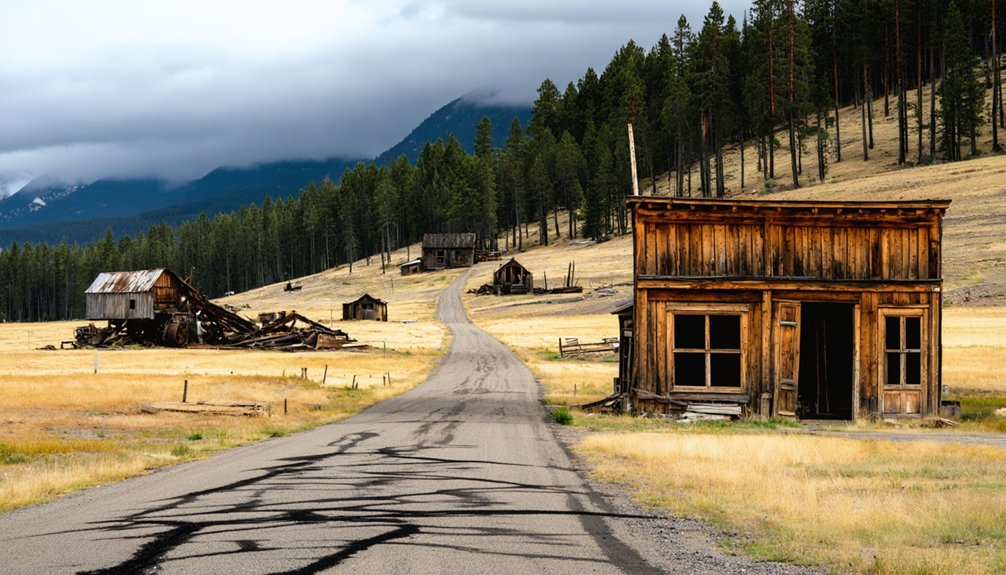
Heading out from Wickes, you don’t have to venture far to squeeze even more mining history into your day. The surrounding Jefferson County landscape rewards curious travelers willing to push a little further down the road.
The road out of Wickes doesn’t end at Wickes — Jefferson County still has plenty left to offer.
Extend your route with these three stops:
- Corbin – Explore Corbin history along the same road that brought you here, a quiet reminder of Montana’s industrial past.
- Jefferson City – Just five miles east, Jefferson City anchors the region’s mining heritage with authentic character.
- Jefferson County Back Roads – Connect the dots between ruins, relics, and forgotten communities tucked into the hills.
This corridor once roared with ore wagons and railroad cars.
Today it belongs to those who seek it out on their own terms.
Camera Gear and Footwear for Wickes’ Open Smelter Ruins
Wickes’ open smelter ruins demand 2 things before you step out of the car: the right boots and the right glass. The terrain here is uneven, rubble-strewn, and unforgiving, so follow these hiking tips — wear ankle-support boots with serious grip.
You’ll scramble over century-old masonry and navigate loose rock without a trail crew watching your back.
For photography, bring a wide-angle lens to swallow the collapsed smelter walls whole, and a telephoto for picking apart domed coke oven details from a safe distance.
Your camera settings should favor a narrow aperture — f/8 to f/11 — for maximum depth across these layered industrial ruins. Golden hour light cuts dramatic shadows through broken archways.
Shoot raw. This landscape earns every megabyte.
Jefferson County Ghost Towns Worth Adding to Your Wickes Trip
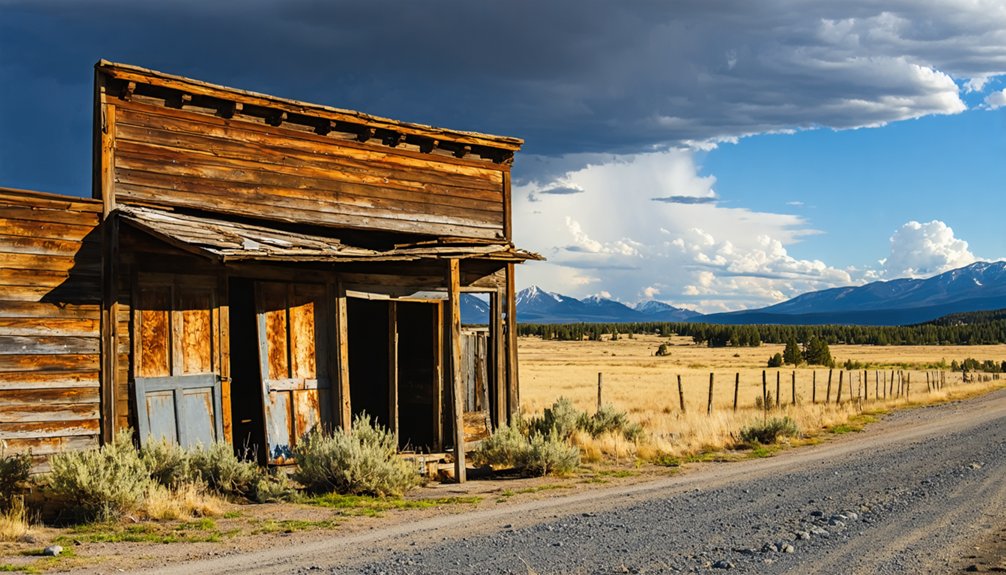
While you’re tracing Wickes’ silver-boom legacy through Jefferson County, don’t overlook the nearby ghost town of Corbin, a fellow mining community sitting right along your route in from Interstate 15.
The broader Jefferson County landscape holds scattered ruins that echo the same ore-fever era that built and broke Wickes, giving you a richer picture of the district’s industrial past.
Pack your curiosity alongside your camera, because a single day’s driving can connect you to multiple layers of Montana’s mining history without much extra mileage.
Nearby Ghost Towns
Jefferson County hides several ghost towns within easy striking distance of Wickes, and you’d be selling the region short if you stopped at just one crumbling smelter.
This corridor carries deep mining heritage, and each stop adds another layer to the ghost town history you’re chasing.
Roll these into your route:
- Corbin – Sitting directly along Corbin Road, it’s practically unavoidable and rewards a slow drive-through.
- Jefferson City – A faded mining community just five miles east, offering context for the district’s silver-era scale.
- Basin – A short push further down the Boulder River valley delivers weathered storefronts and genuine frontier atmosphere.
Each town sharpens your understanding of why this stretch of Montana once roared with ambition.
Corbin Mining Community
Corbin sits right on your path to Wickes, hugging the road that carries its name through a narrow Jefferson County valley worn smooth by decades of mining traffic.
Corbin history runs parallel to Wickes in nearly every way — silver drew men here, industrial ambition built the infrastructure, and economic collapse eventually silenced both communities.
You’ll notice the landscape still bears the scars of hard-rock extraction, a reflection of the aggressive mining techniques that defined this district’s character.
Drill marks, tailings piles, and collapsed structures tell the story better than any plaque ever could.
Don’t rush past Corbin on your way to Wickes. Stop, look around, and let this forgotten valley remind you what genuine frontier ambition actually looked like before the silver market erased it.
Jefferson County Mining Ruins
Once you’ve soaked in what Corbin has to offer, the surrounding Jefferson County landscape rewards anyone willing to push a little further down these back roads.
This region’s mining heritage runs deep, and its industrial archaeology tells a raw, unfiltered story of boom, fire, and collapse.
Don’t leave without tracking down these standout remnants:
- Domed coke ovens — weathered but still standing, they reveal the scale of Wickes’ smelting operation
- Charcoal kilns from 1881 — remarkably intact, offering a direct connection to frontier-era fuel production
- Smelter and refinery ruins — crumbling walls that once processed silver from surrounding mines
You’re not just sightseeing here.
You’re reading a landscape that refused to be completely erased.
Frequently Asked Questions
Was Wickes, Montana Ever Considered for National Historic Landmark Designation?
The knowledge doesn’t confirm Wickes ever received National Historic Landmark consideration, but you’ll find its ghost town significance undeniable. Its industrial ruins deserve historic preservation attention as you explore Montana’s boldly weathered, freedom-calling silver mining legacy.
Are There Any Guided Tours Available at the Wickes Ghost Town Ruins?
Who needs a guide when adventure calls? No formal guided tours exist, but you can explore Wickes’ haunting ruins independently. Embrace guided exploration freely, uncovering local history among crumbling smelters, charcoal kilns, and ghost town remnants on your own terms.
Is Overnight Camping Permitted Anywhere Near the Wickes Ghost Town Site?
The knowledge doesn’t confirm camping regulations at Wickes, so you’ll want to check with Jefferson County authorities. Nearby attractions and surrounding public lands may offer your adventurous spirit a wild, historic base camp beneath Montana’s vast, starlit skies!
Did Wickes Ever Have a School, Church, or Hospital During Its Peak?
Like a boomtown roaring to life, Wickes history reveals it likely supported schools, churches, and community life during its 1,500-person peak — you’d have found real civilization thriving amid those silver-fueled mountains before disaster struck.
Are Metal Detecting or Artifact Collecting Activities Allowed at Wickes Ruins?
Before you grab your detector, know that metal detecting etiquette and artifact preservation laws protect Wickes’ ruins. You’ll need proper permits, as federal regulations guard these historically rich grounds, keeping Montana’s silver-boom legacy alive for every freedom-seeking explorer.
References
- https://westernmininghistory.com/towns/montana/wickes/
- https://www.youtube.com/watch?v=KidpG5MDBG4
- https://en.wikipedia.org/wiki/Wickes
- https://montanahistoriclandscape.com/tag/wickes-montana/
- https://treasurestate.com/ghost-towns/wickes/
- https://www.ghosttowngallery.com/htme/wickes.htm
- https://www.facebook.com/ghosttownsandhistoryofmontana/posts/wickes-montana-it-seems-hard-to-believe-but-in-february-1880-wickes-montana-terr/1001269449893760/
- https://jcmonitor.com/the-history-of-wickes-boom-to-bust/
- https://www.ultimatemontana.com/helena area/3381-wickes-ghost-camp
- http://www.ghosttowngallery.com/htme/wickes.htm