If you’re planning a ghost town road trip to Wilson, Maryland, you’ll find this forgotten timber mill town just 2.15 miles northeast of Dunkirk along Maryland Route 260. Founded by George Washington Wilson, the settlement thrived during the timber boom before vanishing from maps by 1901. Today, weathered structures and nature-reclaimed land are all that remain. Spring and fall offer the best conditions for exploration, and there’s far more to this hauntingly quiet stretch of road than you’d expect.
Key Takeaways
- Wilson, Maryland, founded by George Washington Wilson, thrived during the timber boom but was abandoned by 1901 after virgin timber supplies were exhausted.
- Located 2.15 miles northeast of Dunkirk along Maryland Route 260, Wilson is accessible via a quiet road with safe roadside parking.
- Spring and fall offer the best visiting conditions, with mild temperatures, wildflowers, and clearer visibility of remaining structures and remnants.
- Weathered houses, overgrown structures, and nature-reclaimed land provide rewarding exploration and excellent photography opportunities for ghost town enthusiasts.
- Nearby destinations like Dunkirk, Prince Frederick, and the Chesapeake Bay shoreline complement a comprehensive Calvert County ghost town road trip.
What’s Left of Wilson, Maryland Today?
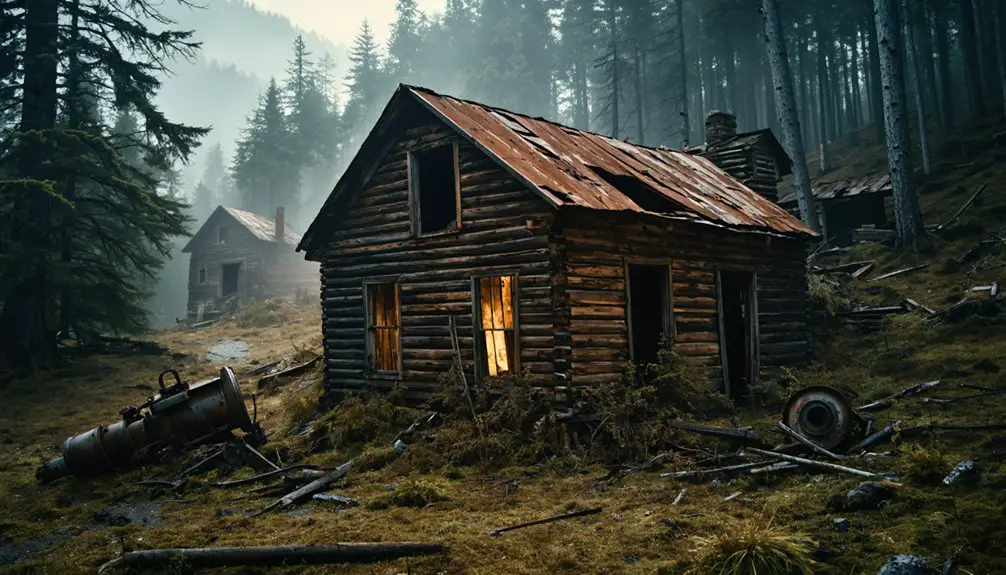
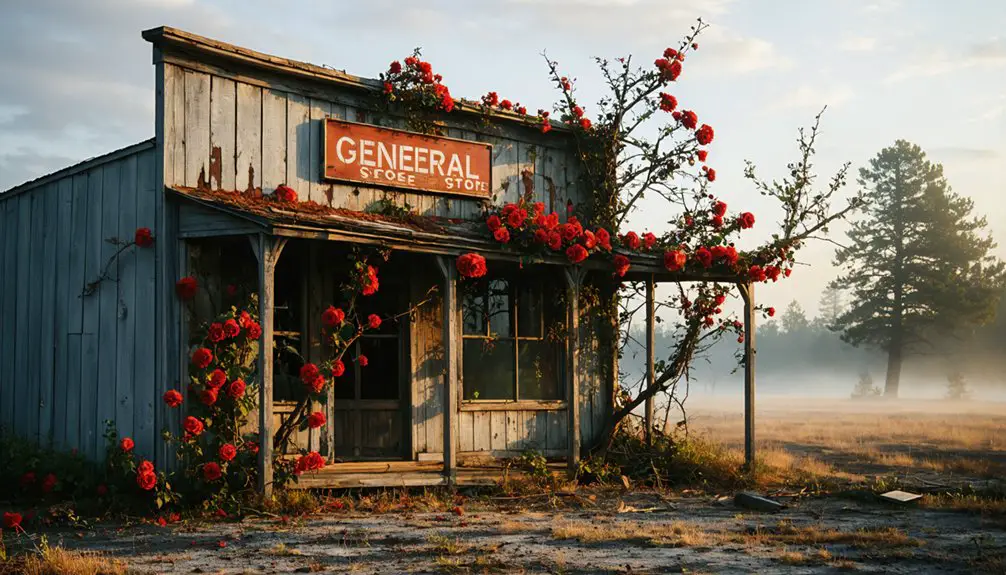
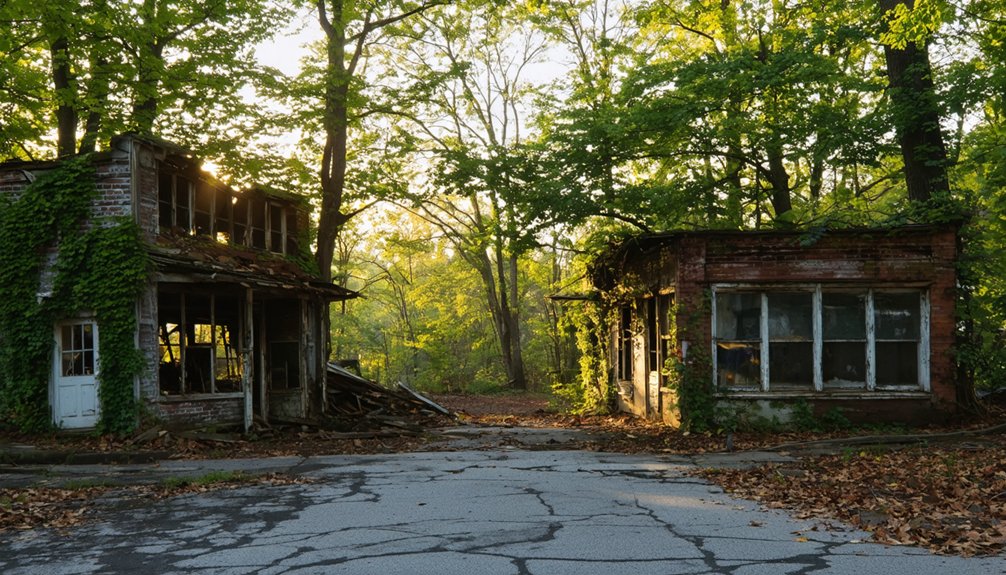
Although Wilson, Maryland once thrived as a timber-driven community, you’ll find little evidence of that past if you visit today. A handful of weathered houses still stand along Maryland Route 260, surrounded by open fields and dense forest that have slowly reclaimed the land.
Wilson, Maryland once thrived on timber, but today the land has quietly reclaimed its own forgotten story.
No commercial structures remain, and the roads stay quiet.
Local legends hint at a more vibrant past, giving curious travelers something to imagine as they explore the area.
Unfortunately, no formal preservation efforts exist to protect what little remains, so the site continues its slow return to nature.
If you’re drawn to places where history whispers rather than shouts, Wilson delivers that experience.
Drive northeast from Dunkirk, keep your eyes open, and you’ll discover what a forgotten community looks like on its own terms.
How Wilson Went From Timber Mill Town to Ghost Town
When you trace Wilson’s roots, you’ll find George Washington Wilson founded the settlement as Wilson’s Mills, building it around the timber industry that once made this corner of Calvert County thrive.
By 1900, the surrounding forests had given up their virgin timber, and the economic engine driving the community simply ran out of fuel.
Without the mills to sustain it, the population steadily drained away until only a handful of houses remained on what’s now a quiet stretch of Maryland Route 260.
George Wilson’s Timber Origins
Once a thriving timber mill town, Wilson owes its origins to George Washington Wilson, son of Thomas Wilson IV, who founded the settlement known as Wilson’s Mills.
You’re stepping into a place where dense forests once fueled an entire community’s livelihood.
George and his brother-in-law, Ebenezer Kitzmiller, built something remarkable from raw wilderness, transforming timber into commerce and identity.
Timber Exhaustion Drives Decline
By 1900, the very resource that built Wilson had run out. The virgin timber was gone, and without it, there was no reason to stay. Workers left, families followed, and Wilson quietly faded into the woods it once cleared.
Local legends suggest the decline happened faster than anyone expected. Here’s what drove the collapse:
- Timber supplies were completely exhausted by 1900
- Mill operations shut down, eliminating all local employment
- Population drained steadily, leaving only a handful of houses
- The settlement vanished from official maps by 1901
Today, preservation efforts remain minimal, leaving Wilson largely reclaimed by nature.
For you, the freedom-seeking road tripper, that’s actually the appeal — raw, unfiltered history standing quietly along Maryland Route 260, waiting to be discovered.
From Settlement To Abandonment
George Washington Wilson didn’t build a town — he built a timber operation, and that distinction made all the difference. Once the virgin forests surrounding Wilson’s Mills were stripped bare, there was no economic foundation left to sustain the community. Families packed up and moved on, chasing work elsewhere.
By 1901, Wilson had vanished from official maps entirely. What remained were a handful of houses, overgrown clearings, and scattered mining relics half-swallowed by returning vegetation. Nature didn’t wait long to reclaim what industry had taken.
Today, forest preservation efforts have allowed those same woods to grow back thick and wild. When you visit, you’re walking through living history — a landscape that quietly absorbed a community and moved forward without it.
How to Get to Wilson, Maryland From Dunkirk
Reaching Wilson from Dunkirk is a short, straightforward drive of just 2.15 miles along Maryland Route 260 heading northeast.
You’ll pass through open fields and dense forest, feeling the landscape shift as civilization thins out.
Follow these steps to navigate your journey:
- Start at Dunkirk’s center and head northeast on Maryland Route 260.
- Watch for rural markers where local folklore places the original Wilson’s Mills settlement.
- Slow down near forested stretches where archaeological findings have surfaced from the timber-era community.
- Park safely along the roadside to explore the few remaining structures still standing.
You won’t need complicated directions or GPS gymnastics.
The road leads you directly there, offering an unfiltered, independent experience through Maryland’s quietly forgotten rural history.
What You’ll Actually See Along Maryland Route 260 Near Wilson
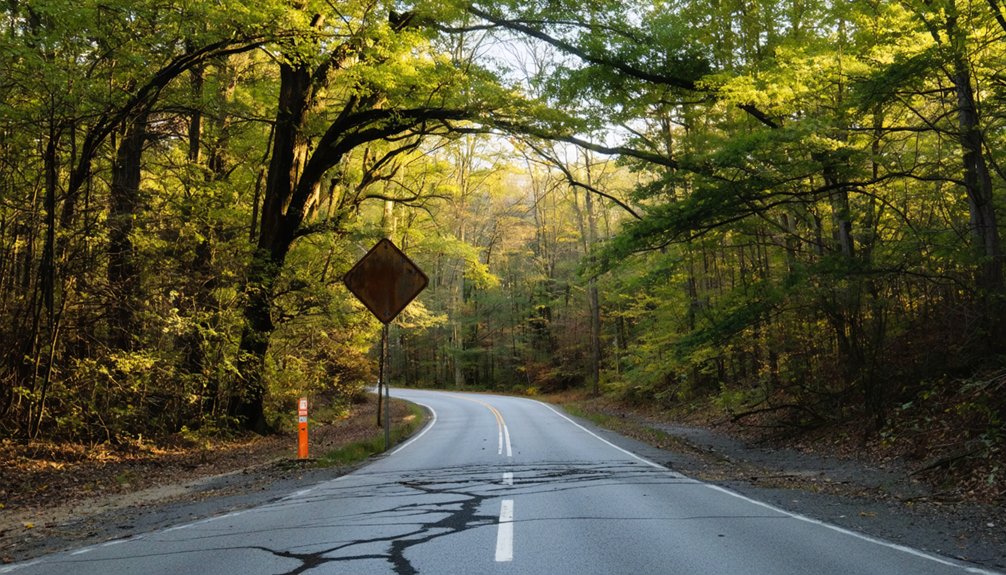
Once you’ve parked and stepped out along Maryland Route 260, the landscape tells Wilson’s story better than any historical marker could. You’ll notice dense forest pressing against open fields, nature quietly reclaiming what timber industry ambition once cleared.
A handful of weathered structures still stand, offering glimpses of historic architecture that survived the town’s long decline after 1900.
Listen to locals and you’ll encounter local folklore about the Wilson family’s mill operation and the community’s rapid unraveling once the virgin timber disappeared.
The road itself feels unhurried, cutting through rural Calvert County with little traffic interrupting your exploration. There’s no commercial noise here, no crowds — just fields, tree lines, and the honest silence of a place that simply ran out of reasons to stay.
What Time of Year Is Best for Visiting Wilson?
Spring and fall offer you the best conditions for exploring Wilson, with mild temperatures making it comfortable to walk the roadside and surrounding rural landscape. You’ll want to avoid summer visits if possible, since Maryland’s humid heat and thick foliage can make the already sparse remnants even harder to spot along Route 260.
Winter strips the trees bare, which actually improves visibility of old structures. However, icy roads and bitter cold can turn a scenic drive into a hazardous one.
Best Seasons To Visit
Although Wilson’s rural landscape welcomes visitors year-round, spring and fall offer the most rewarding experiences. Each season brings something distinct to this forgotten corner of Calvert County.
- Spring – Wildflowers frame the remaining structures, and local legends feel alive along Route 260’s quiet stretches.
- Summer – Dense forest cover provides shade, though humidity can slow exploration considerably.
- Fall – Crisp air and golden foliage create dramatic backdrops for photography while preservation efforts become more visible as vegetation thins.
- Winter – Bare trees expose foundations and hidden remnants normally swallowed by undergrowth, rewarding the dedicated explorer.
You’ll find spring and fall strike the ideal balance between comfortable temperatures and atmospheric beauty, making your road trip through Wilson genuinely memorable.
Weather Considerations For Travelers
Weather shapes every aspect of your visit to Wilson, Maryland, so timing your road trip thoughtfully makes a real difference. Spring and fall deliver the most rewarding experiences, offering mild temperatures, manageable humidity, and stunning natural backdrops along Maryland Route 260.
Summer brings thick humidity and dense foliage that can obscure the remnants of this ghost town while limiting wildlife encounters to early morning hours. Winter strips the trees bare, actually improving visibility of the site, but icy roads demand serious weather preparedness.
Pack layers regardless of season, since Calvert County’s rural terrain creates unpredictable wind conditions. Autumn remains the standout choice — crisp air, vivid color, and active wildlife encounters make exploring Wilson’s fields and forests genuinely memorable.
Always check forecasts before departing.
Ghost Towns and Historic Sites Near Wilson Worth the Detour
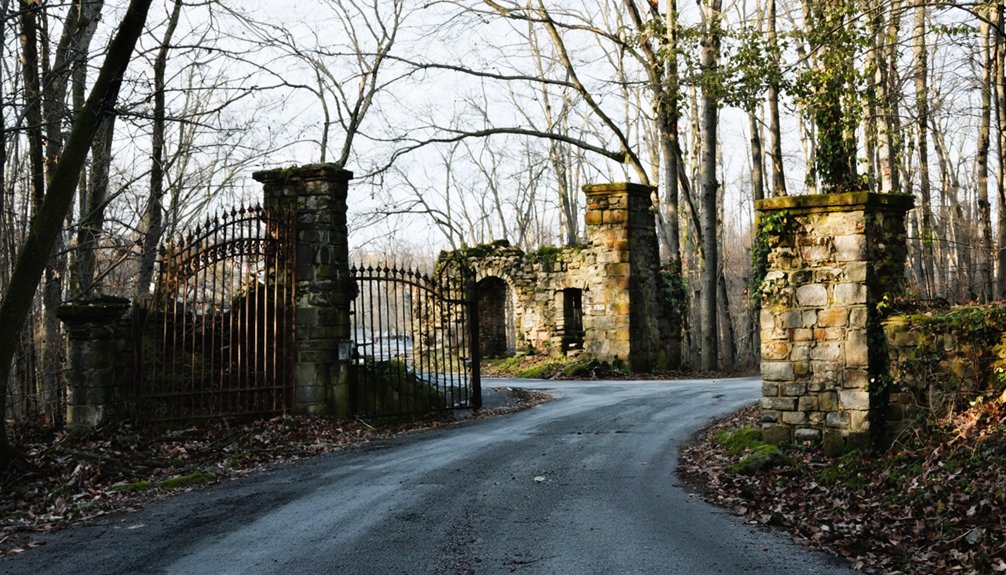
While Wilson itself rewards the curious traveler, the surrounding region of Calvert County packs in even more history worth exploring. Historical preservation efforts here protect stories that local legends have kept alive for generations. Don’t limit your adventure—these nearby sites deserve your attention:
Wilson is just the beginning—Calvert County’s layered history rewards every curious traveler willing to explore further.
- Dunkirk – Just 2.15 miles southwest, this community anchors your route along Maryland Route 260.
- Prince Frederick – Calvert County’s seat offers historic architecture and preserved landmarks worth photographing.
- Daniels Ghost Town – A compelling Maryland ghost town that echoes Wilson’s own abandoned character.
- Chesapeake Bay Shoreline – Approximately 5.5 miles southwest, where colonial maritime history shaped the entire region.
Each stop deepens your understanding of how communities rise, decline, and ultimately surrender themselves back to the land.
Frequently Asked Questions
Who Founded Wilson, Maryland, and What Was His Family Background?
George Washington Wilson, son of Thomas Wilson IV, founded this historical settlement. You’ll find his family lineage fascinating — his brother-in-law, Ebenezer Kitzmiller, also shaped the community, making Wilson’s Mills a true family-driven frontier legacy.
What Are the Exact GPS Coordinates for Locating Wilson, Maryland?
You’ll find Wilson, Maryland’s historical landmarks at 38.73750°N, 76.62611°W. Navigate these coordinates to uncover local legends where ghost town whispers echo through dense forests along Maryland Route 260, northeast of Dunkirk.
Is Wilson, Maryland Officially Listed in Ghost Town Databases and Records?
Yes, you’ll find Wilson, Maryland officially listed in multiple ghost town databases and records! It’s a site of historical preservation, where local legends of timber’s rise and fall echo through Maryland’s fascinating, freedom-rich abandoned landscapes.
What Was Wilson, Maryland Originally Called Before Becoming a Ghost Town?
You’ll find that Wilson, Maryland was originally called Wilson’s Mills, named after founder George Washington Wilson. It’s a historical landmark steeped in local legends tied to the thriving timber industry that once defined this now-forgotten community.
How Far Is Wilson, Maryland From the Chesapeake Bay?
You’re just 5.5 miles southwest from the Chesapeake Bay’s historical landmarks and local legends! That surprisingly short distance means you’ve got vast, freedom-calling waters practically at your doorstep after exploring Wilson’s mysterious, abandoned past.
References
- https://en.wikipedia.org/wiki/Wilson_(ghost_town)
- https://en.wikipedia.org/wiki/List_of_ghost_towns_in_Maryland
- https://kids.kiddle.co/Wilson_(ghost_town)
- https://sv.abcdef.wiki/wiki/List_of_ghost_towns_in_Maryland
- https://en.wikipedia.org/wiki/Category:Ghost_towns_in_Maryland
- https://abandonedonline.net/location/wilson/
- https://rsftripreporter.net/ghost-towns-of-the-upper-potomac/
- https://www.chesapeakequarterly.net/V17N34/main1/
- https://en.wikipedia.org/wiki/Wilson
- https://www.capitalgazette.com/2023/10/14/anne-arundel-county-residents-work-to-preserve-wilsontown-historic-black-community-in-odenton/