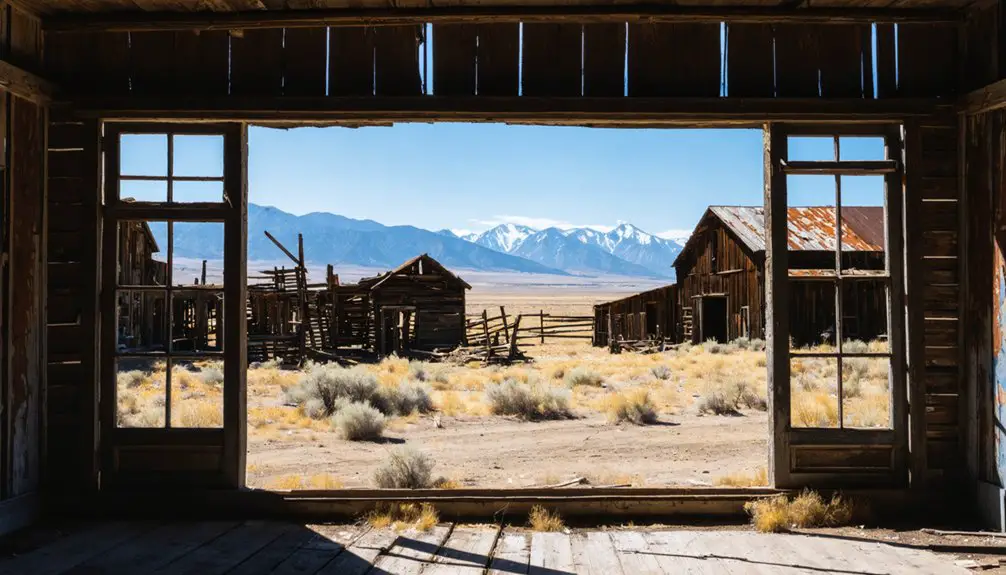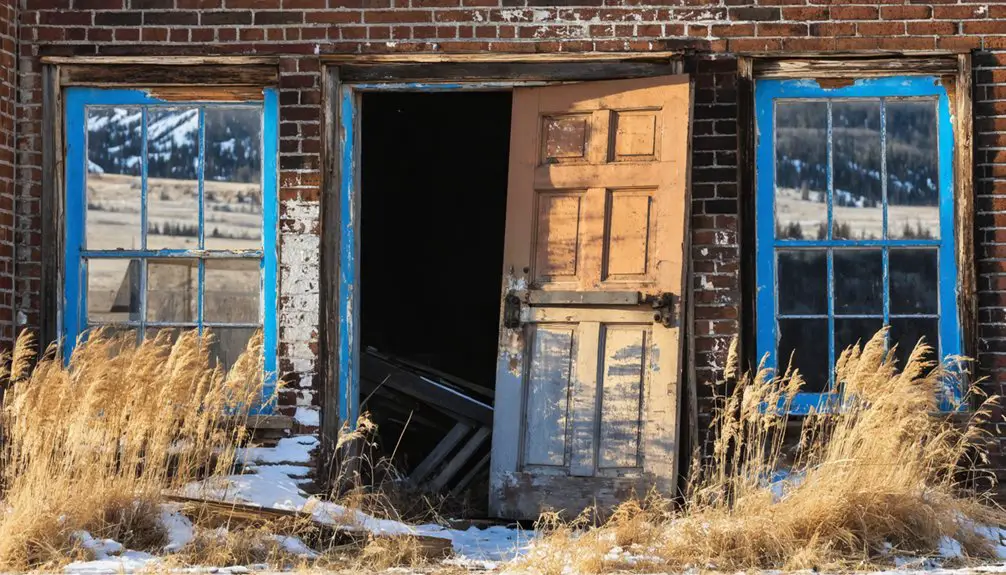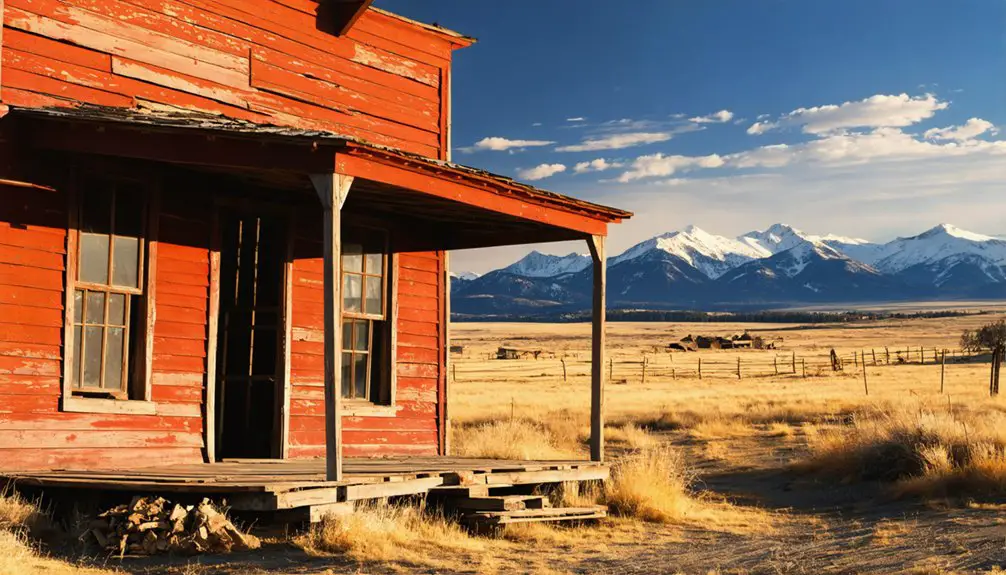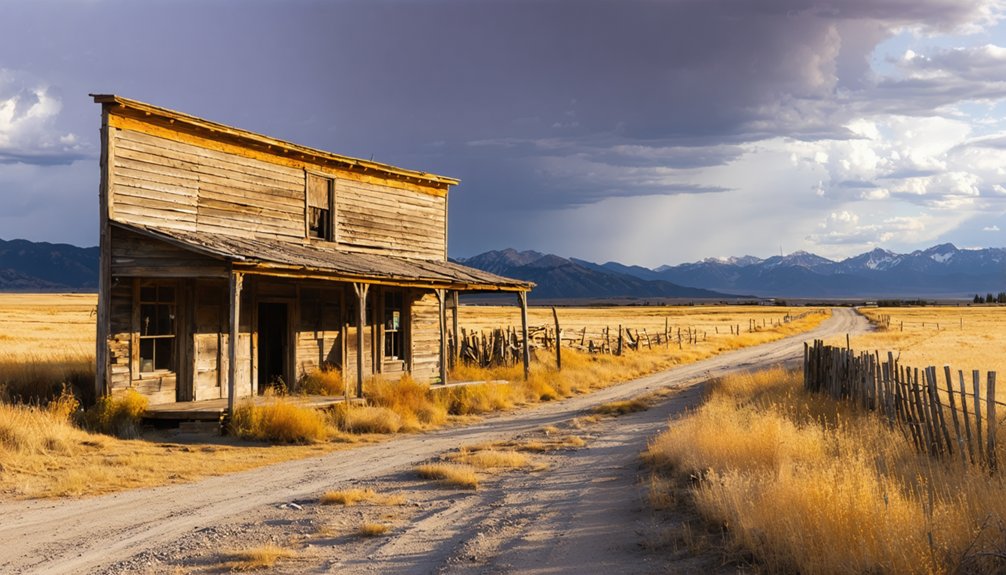
If you’re searching for a ghost town called “Tower” in Montana, you’re chasing a myth. The real abandoned mining settlements worth your time are scattered across southwestern Montana — Garnet, Bannack, Nevada City, and Virginia City, all born from the 1862 gold rush. You’ll need three to four days to cover this 300-mile route properly. Stick around, and you’ll uncover everything you need to plan this trip right.
Key Takeaways
- “Tower, Montana” has no verified ghost town records; real ghost towns in the region include Garnet, Bannack, Nevada City, and Virginia City.
- Plan three to four days to cover the approximately 300-mile southwestern Montana ghost town route with multiple exploration stops.
- Visit between May 1st and October for accessible mountain roads and open attractions.
- Fuel up in Butte or Drummond before heading out, as remote areas offer limited services.
- Pack emergency water, food, a first-aid kit, recovery gear, and offline maps for remote backcountry travel.
Why “Tower” Montana Sends Ghost Town Hunters to the Wrong Place
When you type “Tower, Montana ghost town” into your GPS, you’re already headed in the wrong direction.
“Tower” is misleading nomenclature — no historical record supports a ghost town by that name in Montana’s southwestern mining region. You’re chasing ghost town myths before you’ve even left the driveway.
Montana’s real abandoned treasures carry names like Garnet, Bannack, Nevada City, and Virginia City. These aren’t rumors — they’re preserved remnants of the 1862 gold rush stretching across 300 miles of rugged southwestern Montana.
Montana’s real ghost towns have names — Garnet, Bannack, Nevada City — and roads that actually lead there.
Bannack became the state’s first territorial capital. Garnet stands as the most architecturally intact mining settlement in the region.
Don’t let a bad search term rob you of an extraordinary road trip. Ditch “Tower” and start planning the route that actually exists.
The Real Ghost Towns Near Tower Worth Your Time
Once you’ve abandoned the “Tower” myth, Montana’s actual ghost town circuit snaps into focus — and it’s far more rewarding than any misdirected search result.
Your ghost town discoveries begin in Garnet, the state’s most preserved 1800s mining settlement, tucked along Garnet Range Road outside Drummond.
From there, Bannack State Park commands attention — its historical significance anchored by Montana’s first major gold strike in 1862 and its role as the original territorial capital.
Nevada City and Virginia City round out the circuit, blending living community energy with authentic Gold Rush atmosphere.
Marysville, northwest of Helena, adds a quieter, rawer experience.
Together, these destinations deliver exactly what Tower never could — verified history, open roads, and genuine frontier character worth every mile you’ll drive.
How Many Days You Need for Southwest Montana’s Ghost Town Route
How long should you budget for Southwest Montana’s ghost town route? For most travelers, three to four days hits the sweet spot. The route covers roughly 300 miles, but you’re not just driving — you’re stepping into living history at every stop.
Your ghost town itineraries should account for real exploration time. Bannack alone deserves half a day, and Garnet’s weathered structures reward slow wandering.
Virginia City pulls you in with costumed characters and Victorian energy that’s hard to leave quickly.
Travel duration also depends on your pace. Add a morning at Norris Hot Springs or an afternoon fly-fishing in Ennis, and suddenly four days feels tight.
Give yourself breathing room — Southwest Montana punishes rushing and rewards anyone willing to linger.
Best Time to Visit Montana Ghost Towns and What Roads to Expect
You’ll want to plan your ghost town adventure between May 1st and October, when mountain roads clear of snow and mud and every heritage site opens its doors.
Roads to Garnet demand a vehicle that can handle up to 4 miles of gravel, though the northern approach off Route 200 offers a better-maintained alternative if recent rainfall has softened the southern route.
Always check mountain weather forecasts before you leave, and carry emergency supplies since services thin out quickly once you exit I-90 at Pipestone or Drummond.
Optimal Visiting Season Windows
Planning your ghost town road trip around Montana’s unpredictable mountain weather makes all the difference between an adventure and a muddy ordeal. Your ideal travel timing falls between May 1st and October, when roads clear of snow and seasonal attractions come fully alive.
During summer months, Virginia City hosts Brewery Follies and Grand Victorian Balls, while Crystal Park opens for quartz crystal hunting near Pioneer Mountain. Norris Hot Springs welcomes soakers year-round, but surrounding access roads become treacherous outside your seasonal window.
June brings particular caution — recent rainfall patterns leave Garnet’s gravel approaches muddy and vehicle-punishing. Aim for July through September if you want dry roads, peak programming, and maximum freedom to explore Montana’s remarkable ghost town corridor without weather forcing your hand.
Road Conditions and Access
Montana’s ghost town roads demand respect — 4 miles of gravel separate you from Garnet Ghost Town, accessed via Highway 200 or the Bearmouth exit off I-90.
Road maintenance challenges are real here; recent rainfall turns these tracks muddy and unpredictable, particularly through June. Your vehicle needs to handle rough, poorly maintained surfaces without hesitation.
Ghost town accessibility improves markedly when you approach Garnet from the north off Route 200, where gravel conditions stay comparatively stable.
Fuel up in Butte, Ennis, or Cardwell before venturing into remote stretches — services disappear fast once you’re off the interstate.
Mountain weather shifts rapidly, so check forecasts before you leave. Freedom out here means preparation; unprepared travelers find themselves stranded rather than exploring.
Weather and Safety Considerations
Timing your visit right makes the difference between an adventure and an ordeal — the ghost town circuit runs best from May 1st through October, when snow and mud retreat from mountain roads.
Montana’s weather patterns shift fast, especially at elevation, so you’ll want to prepare before you roll out.
Pack smart and stay free out there:
- Emergency supplies — water, food, and a first-aid kit belong in your vehicle before you hit remote stretches near Pipestone and Drummond
- Safety gear — a recovery strap, flashlight, and paper maps keep you moving when cell service vanishes
- Weather checks — monitor forecasts daily, since mountain storms can close gravel roads without warning
Respect the terrain, and it rewards you with raw, unfiltered Montana history.
Hot Springs, Fly-Fishing, and Victorian Balls Near Montana’s Ghost Towns
Beyond the weathered storefronts and abandoned mine shafts, southwest Montana’s living culture pulls you in just as powerfully as its ghost towns.
Soak at Norris Hot Springs, where locals call the mineral-rich water “water of the gods,” delivering unforgettable hot springs experiences year-round.
In Ennis, outfitters like Tackle Shop and Trout Stalkers put you on world-class rivers for fly fishing adventures that’ll remind you why Montana feels like freedom itself.
Come summer, Virginia City transforms into a Victorian spectacle — rent a costume and join the Grand Victorian Balls or catch the Brewery Follies for an evening unlike anything back home.
These aren’t tourist gimmicks; they’re living extensions of the same raw, independent spirit that built these towns.
What to Pack Before You Hit Remote Montana Ghost Town Roads
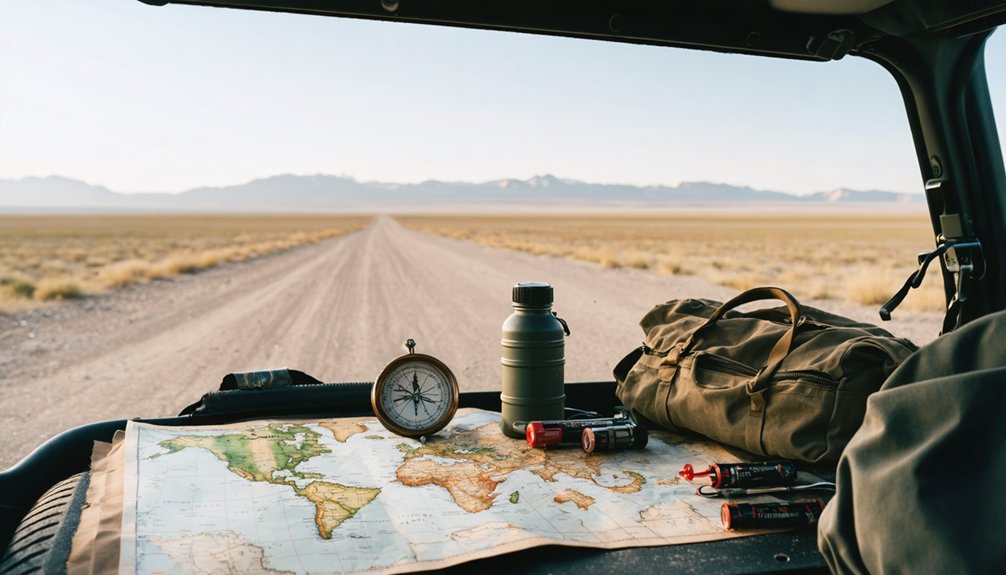
Before you venture down Garnet’s 4-mile gravel road or any other remote stretch of southwestern Montana’s ghost town circuit, you’ll want emergency supplies packed and ready — think first aid kit, extra fuel, and water, since services thin out fast beyond Butte and Ennis.
You’ll also need a capable vehicle that handles poorly maintained gravel without complaint, and you should pull weather forecasts the morning you leave, because mountain conditions shift hard and fast.
Seasonally, plan your packing around the May-through-October window — layers for cool mountain mornings, waterproof boots for muddy June roads, and sun protection for high-elevation afternoons.
Essential Emergency Supply Kit
Packing 10 essential items before you leave pavement behind could mean the difference between a memorable adventure and a dangerous ordeal on Montana’s remote ghost town roads.
Services vanish quickly past Butte and Drummond, so your emergency essentials must ride with you always.
Build your travel preparedness kit around these critical supplies:
- Water and food reserves: Carry at least one gallon per person plus high-calorie emergency rations
- Navigation tools: Download offline maps since cell service disappears on Garnet’s 4-mile gravel approach
- Recovery gear: Pack a tow strap, tire repair kit, and jumper cables for unpredictable mountain terrain
Montana’s backcountry rewards bold travelers who prepare honestly.
Don’t let a flat tire or empty tank cut your freedom short before you reach Bannack’s weathered streets.
Navigating Remote Gravel Roads
Montana’s remote gravel roads demand 3 non-negotiable preparations before you leave pavement: a vehicle that handles rough terrain, a full tank of fuel, and a clear understanding of your route’s access points.
For gravel road navigation to Garnet Ghost Town, you’ll exit I-90 at Bearmouth, then tackle 4 miles of unpaved road that turns treacherous after rain.
Your remote travel tips start here: fuel up in Butte or Drummond because services vanish fast beyond those towns.
Approach from Route 200’s north side if you want better-maintained gravel.
Check current road conditions before departure since June rainfall makes these tracks genuinely impassable.
Your freedom to explore depends entirely on arriving prepared — not scrambling for solutions miles from civilization with no cell signal.
Seasonal Packing Considerations
Whether you’re heading to Garnet in May’s lingering cold or Virginia City’s July heat, your pack list shifts dramatically with the season — and getting it wrong means misery miles from the nearest store.
Layering is your freedom strategy. Montana’s mountain weather turns without warning, so your seasonal clothing must handle both ends.
Pack these packing essentials before you leave civilization:
- Spring/Fall: Thermal base layers, waterproof boots, rain shell, and gloves for muddy gravel road conditions
- Summer: Lightweight moisture-wicking shirts, sun protection, and a fleece for cold canyon evenings
- All seasons: First aid kit, headlamp, paper maps, and two liters of emergency water
The nearest supply store may be Butte or Ennis — both hours away when you’re deep in ghost town country.
Frequently Asked Questions
Are Pets Allowed at Bannack State Park and Garnet Ghost Town?
The knowledge base doesn’t confirm pet policies or park regulations for Bannack or Garnet. You’ll want to contact each site directly to verify your furry companion can freely explore these historic destinations with you.
Can Children Participate in Virginia City’s Victorian Ball Costume Rentals?
Yes, you’ll find Virginia City’s Victorian ball costume rentals include children’s sizes, letting kids step into 1860s elegance! Follow the venue’s costume guidelines to dress your little ones in authentic frontier finery and create unforgettable family memories.
Is There Cell Phone Coverage Along the 300-Mile Ghost Town Route?
The knowledge base doesn’t specify cell service availability along this 300-mile route, but you’ll face real remote area challenges. Carry paper maps, download offline navigation, and embrace the freedom of disconnecting from digital life entirely.
Do Montana Ghost Towns Offer Guided Tours for Large Group Bookings?
With 190 full-time residents calling Virginia City home, you’ll find rich ghost town history alive here. Several sites offer group tour options, so contact Bannack State Park and Virginia City directly to book your large group adventure.
Are Photography Permits Required at Montana’s Protected Ghost Town Sites?
You’ll want to check each site’s photography guidelines before shooting. Bannack State Park may require permits to honor its historical significance. Contact park rangers directly — they’ll guarantee you capture these evocative, freedom-filled landscapes responsibly and legally.
References
- https://visitmt.com/trip-ideas/ghost-town-route
- https://avrextravel.com/montana-ghost-towns/
- https://www.beelovedcity.com/ghost-towns-montana-road-trip
- https://www.nationalgeographic.com/travel/article/small-towns-ghost-towns-road-trip
- https://www.onlyinyourstate.com/trip-ideas/montana/haunted-road-trip-mt
- https://www.youtube.com/watch?v=vCIzpayqA60
- https://www.travelmag.com/montana-ghost-towns-that-turn-history-into-a-hauntingly-beautiful-road-trip/
- https://chaosandcoffeebeans.com/2021/07/05/road-trip-montana-garnet-ghost-town-ringing-rocks-missoula/
- https://visitmt.com/trip-ideas/small-towns-ghost-towns
- https://www.youtube.com/watch?v=rF5KELLLa00