To preserve Native American ghost town relics ethically: 1) Always secure permission from tribal authorities before visiting sites, respecting any access restrictions. 2) Collaborate with Tribal Historic Preservation Offices early in your preservation planning to honor indigenous perspectives. 3) Support community-led initiatives that direct funds to qualified projects with transparent management. These approaches acknowledge that these aren’t just historical artifacts but elements of living cultural traditions deserving protection and reverence.
Key Takeaways
- Consult with THPOs early in preservation planning to respect tribal sovereignty and ensure cultural appropriateness.
- Establish dedicated preservation funds with 100% of donations directed to qualified projects under non-profit oversight.
- Document relics through appropriate channels, following photography restrictions and securing permissions first.
- Implement volunteer engagement strategies like cleanup workdays to supplement financial resources with labor.
- Center indigenous voices and knowledge systems to ensure relics remain meaningful within living cultural contexts.
Respecting Sacred Sites Through Ethical Visitation Practices

When visiting Native American ghost town relics, respecting sacred sites through ethical visitation practices serves as the foundation for responsible cultural tourism.
Always secure sacred permissions before arrival by contacting tribal authorities, site managers, or governing agencies who hold jurisdiction. Remember that indigenous communities may not control access to their ancestral sites despite their deep connections.
Before visiting, obtain permissions from tribal authorities or site managers, as Indigenous peoples may not control access to their own ancestral lands.
Research site-specific protocols thoroughly, as each location maintains unique cultural rituals and restrictions.
Never assume your personal ceremonies are appropriate or that participation in local traditions is permitted without explicit invitation. Be mindful that some sacred sites have restricted access based on gender or other factors that must be respected. Photography restrictions often apply—follow posted signage and always request permission before capturing images of sites, artifacts, or ceremonies.
Stay on designated paths to prevent environmental damage and preserve archaeological integrity.
View sensitive areas from recommended distances, respecting both physical boundaries and spiritual significance that may not be immediately apparent to visitors. Understand that Native American cultures are living traditions today, not just historical relics of the past.
Collaborating With Tribal Historic Preservation Offices
Collaborating with Tribal Historic Preservation Offices (THPOs) provides essential infrastructure for ethical engagement with Native American heritage sites.
These tribal authorities, established under Section 101(d)(2) of the NHPA, serve as crucial partners when you’re exploring or researching indigenous ghost towns or cultural sites. The collaboration benefits extend beyond legal compliance to meaningful preservation strategies.
When working with THPOs, you should:
- Initiate consultation early in your project planning to demonstrate respect for tribal sovereignty
- Provide detailed information about your intended activities and their potential impacts
- Follow THPO guidance regarding sensitive areas, including those with undocumented cultural significance
- Recognize that THPOs represent not just archaeological interests but living cultural traditions deserving protection
This government-to-government relationship honors tribal authority while ensuring responsible stewardship of irreplaceable cultural resources. Established THPOs typically conduct site visits as part of their comprehensive assessment of potential impacts to historic properties. When contacting a THPO such as the one serving the Fort Berthold Reservation, it’s advisable to reach out during their office hours to ensure prompt assistance.
Supporting Community-Led Preservation Initiatives
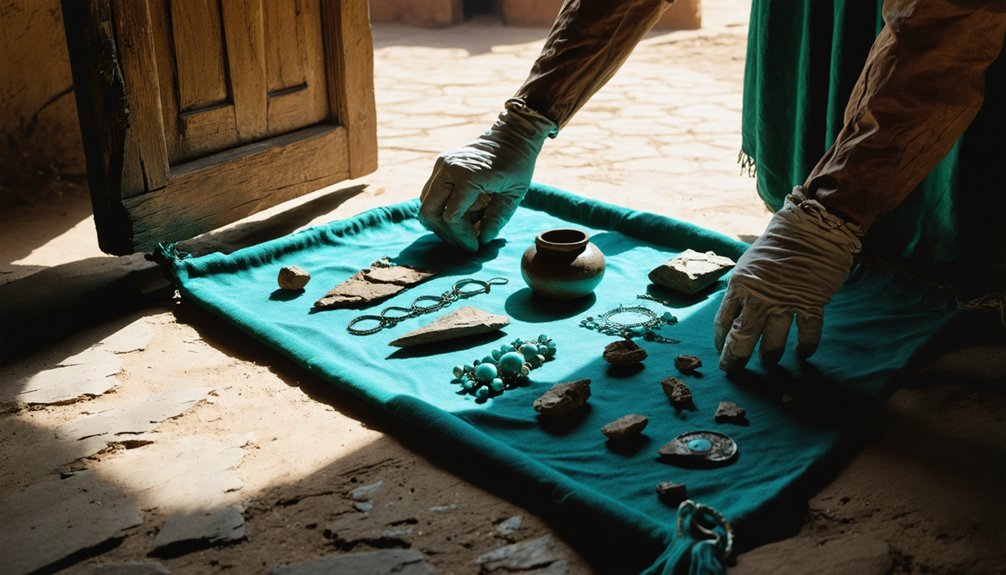
Community-led preservation initiatives represent the most sustainable approach to protecting Native American ghost town relics, as they center indigenous voices and knowledge systems in conservation efforts.
You’ll find greater success by establishing dedicated preservation funds that channel 100% of donations directly to qualified projects under non-profit oversight.
Effective community funding relies on transparency and diverse revenue streams—combine government grants, private donations, and local contributions to build financial sustainability.
Financial sustainability emerges through transparent management of diverse funding channels—governmental, private, and community-based.
Strengthen your approach through volunteer engagement strategies like cleanup workdays that supplement financial resources with labor while fostering community ownership.
Following the example of groups like the Ghost Town Club of Colorado, organizing monthly book drawings and auctions can serve as effective ongoing fundraising methods for preservation projects.
Connect preservation work with broader community development by integrating cultural education, language revitalization programs, and social services.
This holistic approach guarantees relics aren’t preserved in isolation but remain meaningful within living cultural contexts that honor indigenous heritage and values.
Involving representatives from approximately 175 tribes helps ensure preservation efforts respect the diverse cultural traditions and historical perspectives that exist within Native American communities.
native american heritage preservation tips can serve as a valuable resource for both tribal leaders and community members. By sharing best practices and successful case studies, these guidelines foster greater understanding and appreciation of the rich histories and traditions that shape each tribe’s identity. Collaborative efforts to implement these tips can strengthen cultural ties and promote intertribal support.
Frequently Asked Questions
How Do I Identify Unmarked Native American Sites?
Like unearthing buried treasure, identify unmarked Native American sites through systematic site mapping: look for stone flakes, middens, groundstone tools, and shell fragments, while respecting their cultural significance through proper consultation with tribal authorities.
Can I Collect Artifacts for Personal Education?
No, you shouldn’t collect artifacts. Instead, respect artifact ethics by using museums, digital archives, and supervised archaeological programs as educational resources that preserve cultural heritage for everyone’s benefit.
What Photography Restrictions Exist at Native American Sites?
Photography restrictions vary by tribe and site. You’ll need specific photography permits at many locations. Site regulations often prohibit photographing sacred objects, burial offerings, and certain ceremonial areas without tribal authorization.
How Are Traditional Knowledge and Modern Preservation Techniques Balanced?
Over 80% of successful preservation projects integrate cultural heritage committees with professional conservationists. You’ll find preservation ethics require balancing tribal knowledge systems and Western scientific approaches, creating respectful methodologies that honor both traditions.
What Funding Options Exist for Non-Tribal Preservation Projects?
You can access NEH Preservation Assistance Grants and Historic Preservation Fund resources by submitting funding applications through partnering organizations. Explore grant opportunities that welcome non-tribal entities as collaborative partners.
References
- https://savingplaces.org/files/preserving-native-american-places-by-will-cook
- https://www.achp.gov/indian-tribes-and-native-hawaiians/indigenous-historic-preservation
- https://www.legendsofamerica.com/gt-ghosttownethics/
- https://www.fs.usda.gov/lei/archeological-resources-protection.php
- https://news.wttw.com/2024/11/27/how-local-native-americans-are-working-preserve-their-culture-history
- https://savingplaces.org/stories/resource-list-preserving-native-american-places
- https://www.nps.gov/subjects/historicpreservation/laws.htm
- https://sk.sagepub.com/ency/edvol/immigration/chpt/mining-ghost-towns
- https://sacred-sites.org/guidelines-for-visiting-sacred-sites/
- https://www.openwidetheworld.com/blog/etiquette-native-american-sites