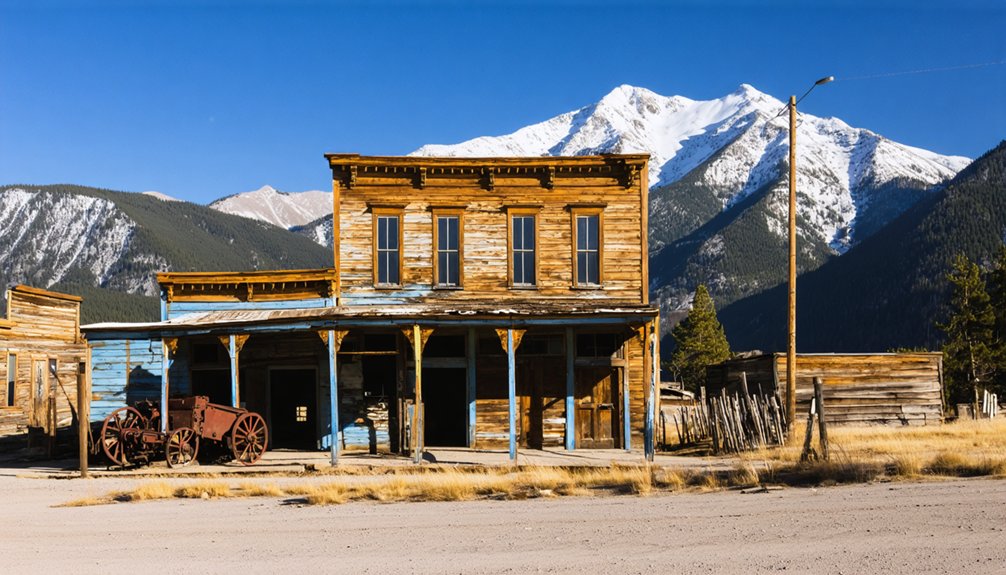
Virginia Dale, Colorado, is one of the few ghost towns where you’ll find a genuinely intact piece of frontier history. Located along U.S. Highway 287 in northwestern Larimer County, it’s home to an 1862 stage station that’s still standing on its original Overland Trail site. Built by outlaw Jack Slade, it’s listed on the National Register of Historic Places. There’s even an unrecovered $60,000 gold treasure allegedly buried nearby—and there’s much more to this story than most people realize.
Key Takeaways
- Virginia Dale is a ghost town in northwestern Larimer County, Colorado, located along U.S. Highway 287, approximately 45 miles northwest of Fort Collins.
- Established in 1862 as an Overland Trail stage stop, the town declined after railroad expansion in the late 1860s made stagecoach travel obsolete.
- The original stage station, built by outlaw Jack Slade, is the only structure still standing on its original Overland Trail location.
- Virginia Dale was listed on the National Register of Historic Places in 1985, recognized for its architectural integrity and historical authenticity.
- Local legend claims $60,000 in Army payroll gold, stolen in 1863, remains buried near Long View Hill and has never been recovered.
What Is Virginia Dale, Colorado?
Nestled in the foothills of the Rocky Mountains along U.S. Highway 287, Virginia Dale is a tiny unincorporated community in northwestern Larimer County, Colorado. You’ll find it roughly 45 miles northwest of Fort Collins, just 4 miles south of the Wyoming border.
It’s not a mining boomtown or a tourist trap — it’s a preserved stage stop with deep roots in frontier history. The surrounding mountain vistas stretch wide across open terrain, and wildflower blooms color the landscape during warmer months.
Virginia Dale developed in 1862 as a critical stop on the Overland Trail, serving mail coaches and travelers pushing west. Today, it stands as one of Colorado’s most authentic and accessible links to overland travel history, sitting quietly off the highway on largely private land.
How Virginia Dale Became a Ghost Town
When you trace Virginia Dale’s decline, you find it tied directly to the abandonment of the Overland Trail stage route. Once railroads expanded across the region, stagecoach travel lost its commercial viability.
The station’s purpose disappeared. Without steady traffic or economic activity to sustain it, Virginia Dale’s population gradually scattered, leaving the station as little more than a quiet remnant of frontier travel.
Stage Route Abandoned
As the railroad expanded across the American West in the late 1860s, it rendered the overland stage routes largely obsolete. The Overland Trail, once a critical artery for mail, passengers, and commerce, lost its commercial purpose almost overnight. Virginia Dale’s economic lifeline vanished with the traffic it once depended on.
Settlers and workers moved toward the railroad towns, leaving the station behind. What remained were the structures, the silence, and eventually the local legends and ghost stories that filled the void left by documented history. The station didn’t burn or collapse—it simply emptied.
That quiet abandonment transformed Virginia Dale from a functioning stage stop into something rarer: a preserved relic that you can still visit today, standing largely as it did in 1862.
Population Gradually Declined
Once the stage traffic dried up, Virginia Dale’s population had no reason to stay. Without steady mail contracts, coach runs, or military supply needs, the families and workers who’d built their lives around the station quietly moved on.
No mining boom replaced the lost commerce, and no railroad spur arrived to spark new growth. The community shrank to a handful of residents who maintained small ranches in the surrounding foothills.
What remained wasn’t a bustling settlement but a place defined by local legends and frontier history rather than economic activity. The station itself stood largely intact, which proved unusual among similar stops along the Overland Trail.
Virginia Dale didn’t burn or collapse — it simply emptied, preserving its past in a way that abandonment, ironically, made possible.
The Virginia Dale Overland Trail Station That Still Stands
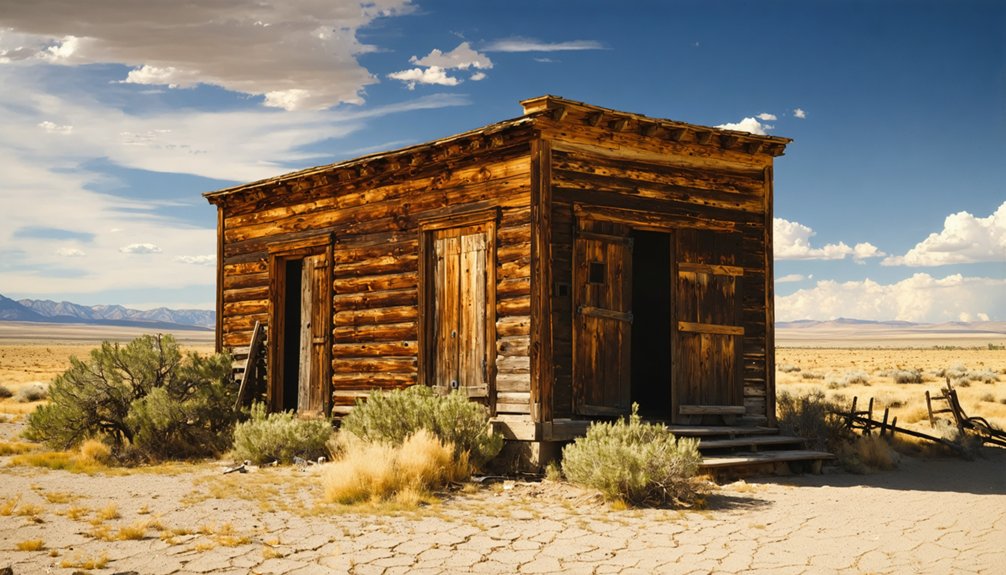
When you visit Virginia Dale today, you’re looking at the only stage station still standing on its original location along the Overland Trail.
The National Register of Historic Places recognized this significance in 1985, cementing the site’s place in documented American frontier history.
The Virginia Dale Community Club continues to lead preservation efforts, having completed renovations that include a new roof, windows, and porch improvements.
Only Surviving Overland Station
Though many Overland Trail stations have vanished over time, the Virginia Dale station still stands on its original location—making it the only surviving stage station of its kind on the trail. Built in 1862, the structure represents a rare, tangible connection to overland travel history that you won’t find replicated elsewhere along the route.
Historic preservation efforts led by the Virginia Dale Community Club, supported by historical grants, have kept the building intact through roof replacement, window installation, and porch improvements.
The station earned its place on the National Register of Historic Places in 1985, validating its documented significance.
Local legends surrounding outlaw activity and frontier violence add cultural texture to the site, but the station’s architectural survival alone makes it an irreplaceable landmark worth understanding on its own documented merits.
Listed On National Register
What does it take for a historic site to earn federal recognition? In Virginia Dale’s case, it took surviving 123 years intact. In 1985, the National Register of Historic Places officially recognized the Virginia Dale Overland Trail Station, acknowledging its frontier architecture and its direct, physical connection to overland travel history.
You’re looking at a structure that federal preservationists determined meets strict criteria for historical integrity, significance, and authenticity. Local legends surrounding Jack Slade and buried payroll gold certainly fuel public interest, but the designation rests on documented evidence — the building’s original location, construction date of 1862, and its unmatched status among Overland Trail stations.
That federal listing also unlocked preservation funding, helping the Virginia Dale Community Club maintain the structure you can still visit today.
Preservation Efforts Today
Three major physical improvements — new windows, a new roof, and porch upgrades — have kept the Virginia Dale Overland Trail Station structurally sound in recent years. The Virginia Dale Community Club drives these efforts, securing historical grants to address ongoing preservation challenges that come with maintaining a 19th-century structure on private land.
You’ll find that local legends surrounding Jack Slade and the buried Army payroll gold actually strengthen public interest, drawing visitors who care about protecting the site’s integrity. That cultural curiosity translates into community support and funding momentum.
The station remains the only Overland Trail stage stop still standing on its original location, making its continued preservation critical. Every structural improvement you see there protects a documented piece of Colorado’s frontier history that no archive can fully replace.
Jack Slade: The Outlaw Who Built Virginia Dale
Few figures in Colorado frontier history are as colorful—or as controversial—as Jack Slade, the man hired to build and manage the Virginia Dale stage station in 1862. You’ll find his name woven through local legends tied to frontier conflicts, outlaw activity, and violent retribution.
Slade earned his reputation partly through his association with the killing of Jules Beni, a rival stage agent, a story that frontier retellings have embellished considerably. The station’s nickname, Robber’s Roost, reflects the outlaw atmosphere Slade cultivated.
While popular accounts dramatize severed ears and ruthless justice, formal histories treat these claims cautiously. What’s documented is that Slade oversaw construction of what became the Overland Trail’s most iconic surviving station—a lasting legacy from one of the frontier’s most disputed figures.
The $60,000 Army Payroll Robbery Near Virginia Dale
Just a mile from the Virginia Dale station, at a stretch of road known as Long View Hill, outlaws robbed a stagecoach carrying roughly $60,000 in Army payroll gold in 1863. The gang hauled the strongbox into the foothills, cracked it open, and buried the gold.
The U.S. Cavalry pursued them, and the outlaws were killed before revealing where they’d hidden it. The treasure was never recovered.
That unresolved ending fuels local legends that still draw visitors to the area today. When you stand near the station’s historic architecture — the only stage stop still standing on its original Overland Trail location — the robbery feels less like folklore and more like unfinished history.
The gold remains buried somewhere out there, and nobody’s found it yet.
Is the Lost Virginia Dale Treasure Still Buried?
Since the outlaws were killed before disclosing the hiding spot, no documented recovery of the $60,000 in Army payroll gold has ever been recorded.
The outlaws died with their secret, and the $60,000 in Army payroll gold was never recovered.
The U.S. Cavalry’s pursuit ended the gang, but it also eliminated the only people who knew exactly where the strongbox was buried in the foothills near Long View Hill.
Local legends have kept the story alive for generations, and treasure myths surrounding Virginia Dale continue attracting researchers and enthusiasts to the area.
You’ll find no credible record of a confirmed excavation or authenticated discovery.
The gold, if it exists where tradition claims, remains somewhere in the rugged terrain south of the Wyoming border.
Without a documented recovery, the buried payroll stays an open historical question rather than a confirmed myth.
The Historic Buildings Still Standing at Virginia Dale
What stands at Virginia Dale today represents something genuinely rare in frontier preservation: the only stage station still occupying its original location on the Overland Trail.
Built in 1862 under Jack Slade’s direction, the structure’s historic architecture has survived where countless others haven’t. You’ll find a building that’s undergone documented renovation — new windows, a new roof, porch improvements — without sacrificing its authentic character.
The Virginia Dale Community Club, supported by historical grants, has driven these preservation efforts.
Local legends surrounding outlaws and buried gold add cultural weight to what you’re seeing, but the physical structure stands on documented history.
Listed on the National Register of Historic Places in 1985, this station gives you direct, tangible contact with overland travel history that no museum replica can replicate.
How to Get to Virginia Dale, Colorado
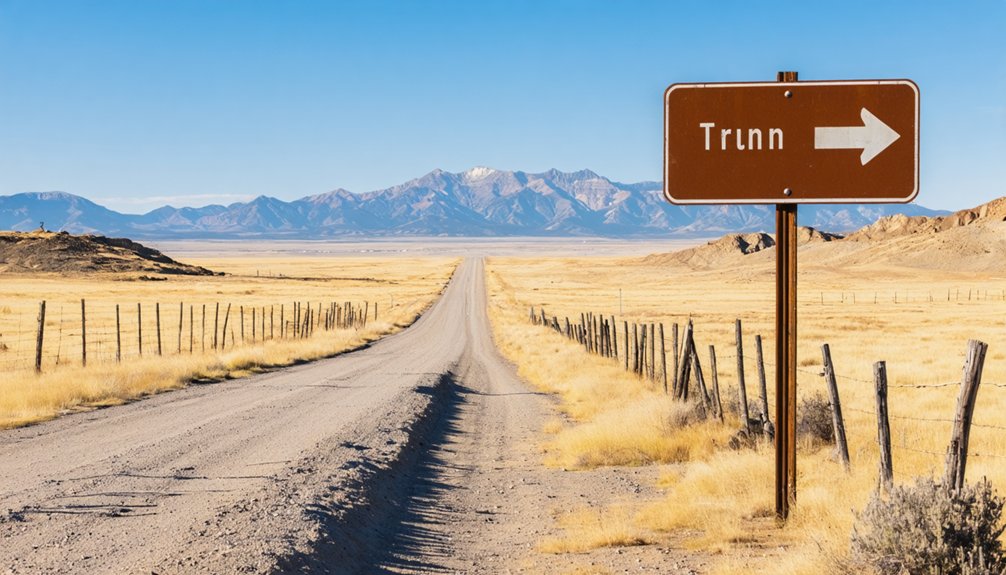
Reaching Virginia Dale is straightforward: follow U.S. Highway 287 northwest from Fort Collins approximately 45 miles until you spot the county road turnoff near the Wyoming border. You’ll reach the site about 4 miles before crossing into Wyoming. The station sits on private land, so respect posted boundaries while exploring.
You can visit year-round, though winter brings harsh foothills conditions.
Once there, you’ll encounter architectural styles ranging from the original 1862 log-and-timber construction to later frontier modifications — structures that survived because locals fought to preserve them.
The surrounding landscape ties directly into local legends: the 1863 payroll robbery, outlaw hideouts, and Jack Slade’s violent frontier reputation.
You’re traveling the same corridor overland pioneers once crossed, and that history remains physically intact here.
The Best Time to Visit Virginia Dale
Although Virginia Dale sits accessible year-round, late spring through early fall gives you the most practical window for a visit. June through September delivers the clearest mountain vistas along U.S. 287, and wildflower blooms push through the foothills, adding context to the landscape the Overland Trail travelers once crossed.
You’ll navigate the county road to the station more easily when snow and ice aren’t factors.
Winter access remains possible, but cold conditions and unpredictable mountain weather can complicate travel. If you’re focused on examining the station’s exterior and surrounding terrain, late summer mornings offer stable light and cooler temperatures before afternoon winds pick up.
Plan your visit on a weekday to avoid what little traffic the area draws during peak season.
Frequently Asked Questions
Is Virginia Dale Located on Private Land or Public Land?
You’ll find Virginia Dale sits on private land, where historic preservation efforts protect it. Land ownership remains in private hands, yet you can still access this documented Overland Trail landmark via a county road off U.S. 287.
Who Manages and Maintains the Virginia Dale Community Club Today?
You’d think it takes an army to handle historic preservation, but it’s the mighty Virginia Dale Community Club that’s driving community engagement, actively managing and maintaining the station’s storied legacy today.
Was Virginia Dale Ever Considered for Full Town Incorporation?
You won’t find documented evidence that Virginia Dale pursued full town incorporation—it’s remained unincorporated, prioritizing historic preservation over municipal structure. Its identity thrives as one of Colorado’s authentic tourist attractions, connecting you to genuine frontier freedom.
Are There Any Annual Events Held at Virginia Dale?
The records don’t document specific annual events, but you’ll find the Virginia Dale Community Club actively drives historical preservation efforts. As visitor attractions go, you can explore this landmark through community-led initiatives tied to its frontier heritage.
Has the Virginia Dale Station Appeared in Any Films or Books?
Built in 1862, the station hasn’t been formally documented in major films, but you’ll find ghost town legends and historic preservation efforts woven throughout frontier literature, making it a compelling subject for independent researchers and freedom-seeking history enthusiasts.
References
- https://www.legendsofamerica.com/virginia-dale-treasure/
- https://coloradosghosttowns.com/Virginia Dale Colorado.html
- https://k99.com/the-bizarre-history-of-the-abandoned-virginia-dale-cafe-on-highway-287/
- https://www.historycolorado.org/story/preservation/2017/08/15/first-right-after-goa-way-exploring-stage-station-overland-trail
- https://jordanblazovich.wordpress.com/2016/09/12/virginia-dale-the-woman-behind-the-ghost-town/
- https://digital-desert.com/new-dale/
- https://digital-desert.com/ghost-towns/umd/dale.html
- https://en.wikipedia.org/wiki/Virginia_Dale
- https://commons.wikimedia.org/wiki/Category:Virginia_Dale
- https://www.ghosttowns.com/states/co/virginiadale.html