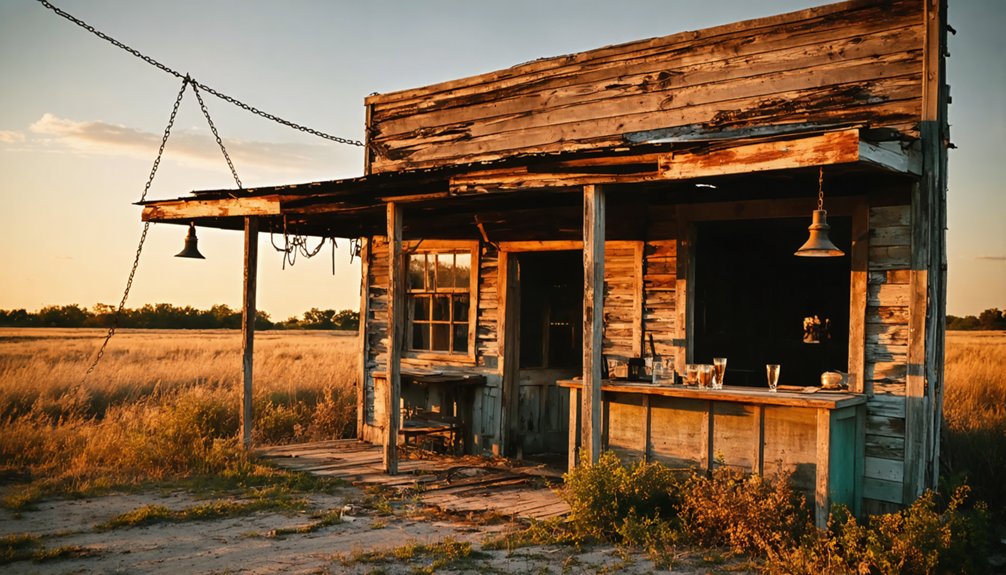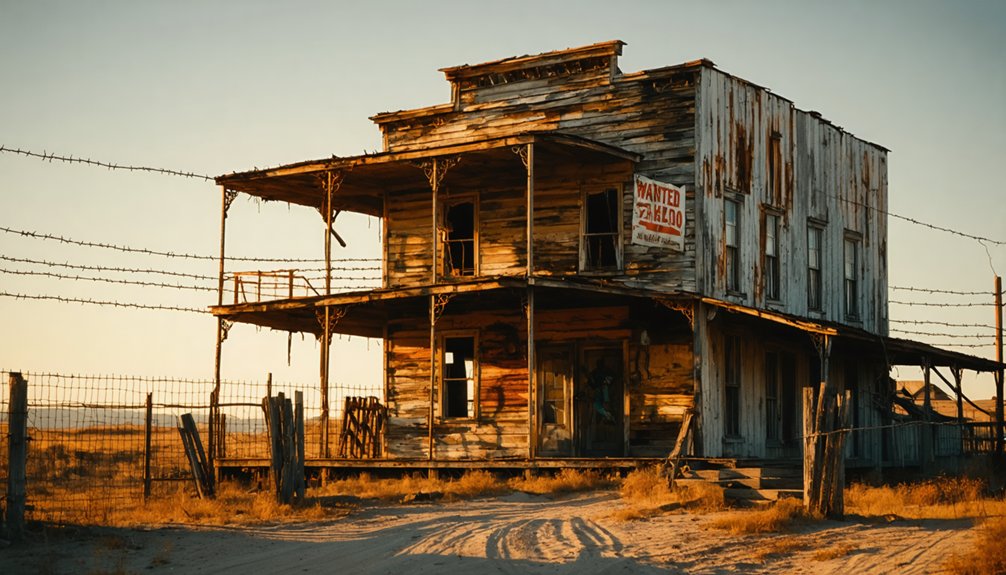
Texas’s best-preserved ghost towns serve as essential windows into your state’s frontier heritage, offering you tangible connections to 19th-century pioneer life. You’ll find architectural remnants that showcase early settlers’ determination, while abandoned structures tell compelling stories of immigrant communities and economic boom-and-bust cycles. These historical sites generate significant tourism revenue, contributing $7.3 billion annually through heritage tourism. The rich layers of cultural significance within these preserved settlements hold countless untold stories of Texas’s dynamic past.
Key Takeaways
- Ghost towns generate substantial heritage tourism revenue, contributing $7.3 billion annually and representing 10.5% of Texas travel industry.
- They serve as outdoor educational spaces where visitors can experience tangible connections to Texas frontier life and pioneer history.
- These sites preserve architectural remnants that showcase diverse immigrant influences, including German and Polish cultural heritage.
- Ghost towns embody Texas’s economic evolution through boom-and-bust cycles, telling stories of industrial ambitions and community resilience.
- They function as living historical monuments, providing authentic settings for cultural events, reenactments, and community-driven preservation efforts.
The Rich Historical Legacy of Texas Ghost Towns
The ghost towns of Texas stand as silent sentinels to the state’s dynamic economic past. You’ll discover these abandoned settlements tell compelling historical narratives of boom-and-bust cycles, from mercury mining in Terlingua to coal production in Thurber.
Each town preserves a unique chapter in Texas’s cultural memory, with populations that once swelled to thousands before dramatically declining. Today, many adventurous visitors seek out these towns for their hidden buried treasures.
These sites aren’t just about economic shifts – they’re testimonies to diverse immigrant communities and pivotal historical moments. You’ll find connections to Texas independence through Sam Houston in Independence, Civil War activities in Indianola, and educational landmarks like the original Baylor University.
The architectural remnants – from sturdy German-built homes to industrial smokestacks – reveal the rich tapestry of frontier life and the determination of early Texas settlers who shaped the state’s development. Many ghost towns offer visitors guided tours to ensure safe exploration of these historical sites.
Preserving Cultural Heritage Through Abandoned Settlements
Through dedicated preservation initiatives, Texas’s ghost towns serve as invaluable repositories of cultural heritage, where you’ll find meticulously maintained courthouses, post offices, and industrial structures that chronicle the state’s developmental arc.
These authentic sites offer you direct connections to diverse cultural narratives, from Native American ceremonies to frontier settlements and early industrial ventures. Terlingua’s remnants of cinnabar mining operations provide a glimpse into the state’s industrial past.
You’ll discover how community engagement drives preservation efforts, with local organizations actively protecting everything from cemeteries to historic lodges. Helena’s active preservation by the Karnes County Historical Society demonstrates the ongoing commitment to safeguarding these historic treasures.
When you explore these abandoned settlements, you’ll encounter carefully curated artifacts in museums, preserved architectural elements, and protected archaeological sites that tell stories of natural disasters, economic shifts, and social evolution.
These towns aren’t just relics – they’re living classrooms where you can experience Texas history firsthand through festivals, reenactments, and guided tours.
Economic Benefits and Tourism Opportunities
You’ll discover that Texas ghost towns generate significant heritage tourism revenue through admission fees, guided tours, and special events that help fund preservation efforts.
Local entrepreneurs have successfully transformed abandoned structures into bed-and-breakfasts, art galleries, and specialty shops, creating sustainable business models in these historic settlements. These ventures provide more stable income streams compared to traditional property investments, given that many Texas cities are seeing home prices plummet by 30-45%.
With over 511 ghost towns documented across Texas, there is immense potential for developing additional tourist destinations that can help revitalize struggling rural economies.
ghost towns in Texas history offer a unique glimpse into the past, often revealing intriguing stories of their former inhabitants. By curating guided tours and interactive exhibits, communities can attract history enthusiasts and adventure seekers alike. Additionally, investing in local artisans and businesses can create a vibrant atmosphere that celebrates the rich heritage of these forgotten places.
The economic ripple effect extends beyond direct tourism spending, as rehabilitated properties increase local tax bases while creating jobs in hospitality, retail, and preservation-related services.
Heritage Tourism Revenue Sources
Heritage tourism has emerged as a powerful economic engine in Texas, generating $7.3 billion annually through visitor spending and accounting for 10.5% of all travel within the state.
When you visit these preserved ghost towns, you’ll find multiple revenue streams that sustain local economies. Your entrance fees, guided tours, and special event tickets directly support site maintenance and preservation efforts. Visitors tend to explore historic sites during the spring and fall seasons when Texas weather is most favorable for outdoor activities.
You’ll discover that heritage tourism creates a ripple effect across local businesses. Your spending at nearby hotels, restaurants, and shops contributes to the $97.5 billion tourism sector.
The Texas Heritage Trails Program has boosted historic site visitation by 13.9%, while places like the San Antonio Missions National Historical Park demonstrate how heritage sites can generate substantial local impact, with visitors spending $95 million and supporting 1,480 jobs in 2023.
Local Business Development Opportunities
As Texas ghost towns capture growing investor interest, these historic sites present compelling business development opportunities across multiple sectors.
You’ll find potential for local entrepreneurship through boutique hotels, themed retail shops, art galleries, and specialized tour operations that can thrive in these atmospheric settings.
Community revitalization efforts create openings for restaurants featuring regional cuisine, craft markets showcasing local artisans, and adventure tourism outfitters.
The growing demand for unique hospitality experiences enables development of bed-and-breakfasts in restored historic buildings, while creative industry spaces attract artists and performers seeking affordable studios.
You can tap into the rising market for sustainable tourism by establishing eco-lodges or glamping sites that capitalize on the remote landscapes. Route 66 enthusiasts regularly visit abandoned towns along the historic highway, creating steady tourism potential.
The town’s new well pump and water system infrastructure provide essential utilities for various business ventures.
Property investments ranging from $100,000 to $1 million provide varied entry points for business development in these preservation-worthy locations.
Learning From the Past: Educational Value
Texas ghost towns serve as powerful outdoor classrooms where the educational heritage of the Lone Star State comes alive through preserved academic institutions.
You’ll discover how pioneering schools like Baylor University and Baylor Female College shaped frontier communities in places like Independence, with their historical architecture revealing the priorities of early Texas settlers.
These sites offer you tangible connections to past educational practices through preserved buildings and artifacts.
When you explore these locations, you’ll uncover stories of community resilience through medicine bottles, inkwells, and clay pipes that paint vivid pictures of frontier life.
The archaeological evidence at these preserved campuses provides invaluable insights into how education evolved during Texas’s formative years, while ghost town ruins create immersive learning experiences that textbooks simply can’t match.
Independence’s prominence as an educational center declined sharply when the railways bypassed the town in the 1860s.
Conservation Efforts and Modern Challenges
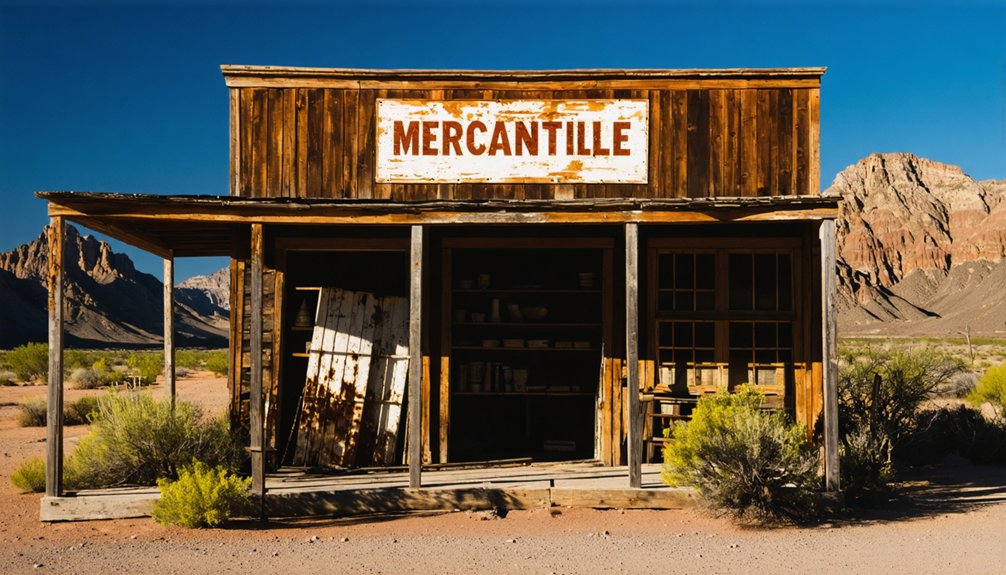
While preserving ghost towns presents formidable challenges, dedicated organizations and volunteers work tirelessly to protect these irreplaceable historical sites across the Lone Star State.
You’ll find conservation strategies ranging from local historical societies managing landmark restoration to innovative fundraising through cultural events and festivals.
- Natural decay poses significant preservation challenges, with forest overgrowth and weather damage threatening structural integrity.
- Limited funding requires creative solutions, including tourism revenue and community-driven fundraising events.
- Historical societies and cemetery boards coordinate essential maintenance despite lacking formal municipal support.
- Environmental threats like flooding and fire damage complicate long-term conservation efforts.
- Private property rights and mixed land ownership create unique hurdles for preservation teams working to maintain public access.
Ghost Towns as Symbols of Texas Identity
Resilience and determination echo through the weathered walls of ghost towns scattered across the Lone Star State, serving as potent symbols of Texas’ distinctive cultural identity.
You’ll find cultural narratives woven into these abandoned settlements, from the German influences in Helena to the Polish heritage preserved in The Grove. These towns embody community resilience, having weathered economic booms and busts, natural disasters, and demographic shifts that shaped Texas history.
Each ghost town tells a unique story of pioneer spirit – like Thurber’s rise to 10,000 residents before its decline, or Indianola’s struggle against devastating hurricanes.
You’re witnessing more than just abandoned buildings; you’re experiencing living monuments to Texas’ frontier past, where immigrant dreams, industrial ambitions, and the raw determination of early settlers converged to forge the state’s enduring character.
Frequently Asked Questions
How Safe Is It to Explore Texas Ghost Towns Alone?
Better safe than sorry – you shouldn’t explore Texas ghost towns alone. The high crime rates, lack of emergency services, and environmental hazards make solo exploration extremely dangerous. Take safety precautions and bring companions.
Can Visitors Legally Collect Artifacts Found in Ghost Towns?
You can’t legally collect artifacts from ghost towns in Texas. Artifact laws protect these sites from unauthorized removal, and proper ghost town etiquette requires leaving historical items exactly where you find them.
Are There Specific Seasons Best Suited for Ghost Town Visits?
You’ll find spring and fall are the best seasons for ghost town exploration, offering mild temperatures and ideal weather conditions. Avoid summer’s extreme heat and winter’s occasional access challenges.
Do Any Ghost Towns Still Have Permanent Residents Living There?
You’ll find current residents in several Texas ghost town communities, particularly in Helena with around 200 inhabitants and Terlingua, where people run tourist services and maintain historical structures.
What Equipment Should Photographers Bring When Documenting Ghost Towns?
You’ll need a DSLR camera, wide-angle and telephoto lenses, tripod, flashlights, protective gear, and backup batteries. Don’t forget lens filters, cleaning supplies, and GPS for safe ghost town photography.
References
- https://www.chron.com/life/travel/article/ghost-towns-texas-21221278.php
- https://en.wikipedia.org/wiki/List_of_ghost_towns_in_Texas
- https://www.hipcamp.com/journal/camping/texas-ghost-towns/
- https://livefromthesouthside.com/10-texas-ghost-towns-to-visit/
- https://www.tripadvisor.com/Attractions-g28964-Activities-c47-t14-Texas.html
- https://tpwmagazine.com/archive/2018/jan/wanderlist_ghosttowns/
- https://www.atlasobscura.com/things-to-do/texas/ghost-towns
- https://www.texasescapes.com/TOWNS/Texas_ghost_towns.htm
- https://www.lonestartreasure.com/texas-ghost-towns-and-their-buried-riches/
- https://takingthekids.com/eerie-texas-ghost-towns-where-time-seems-to-stand-still/