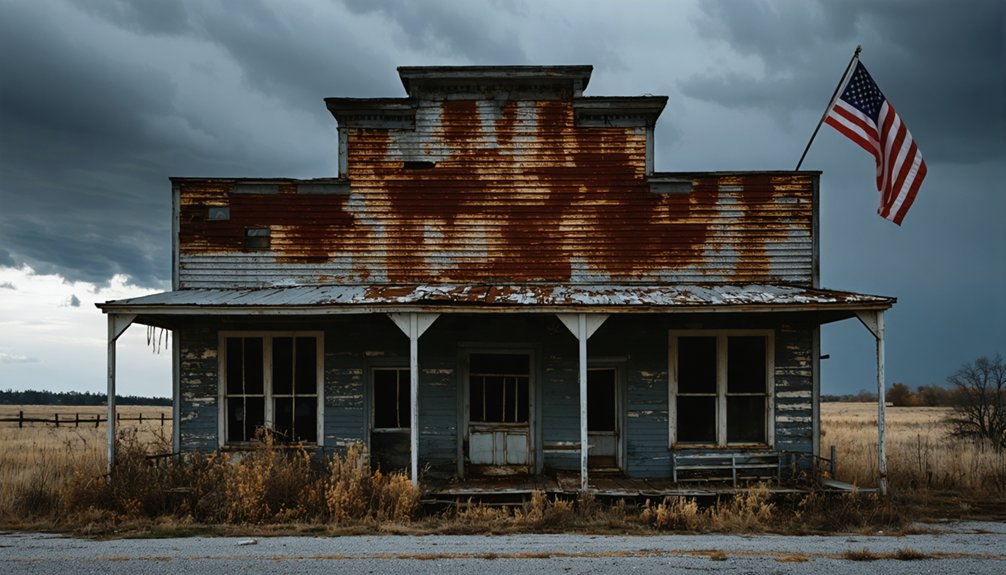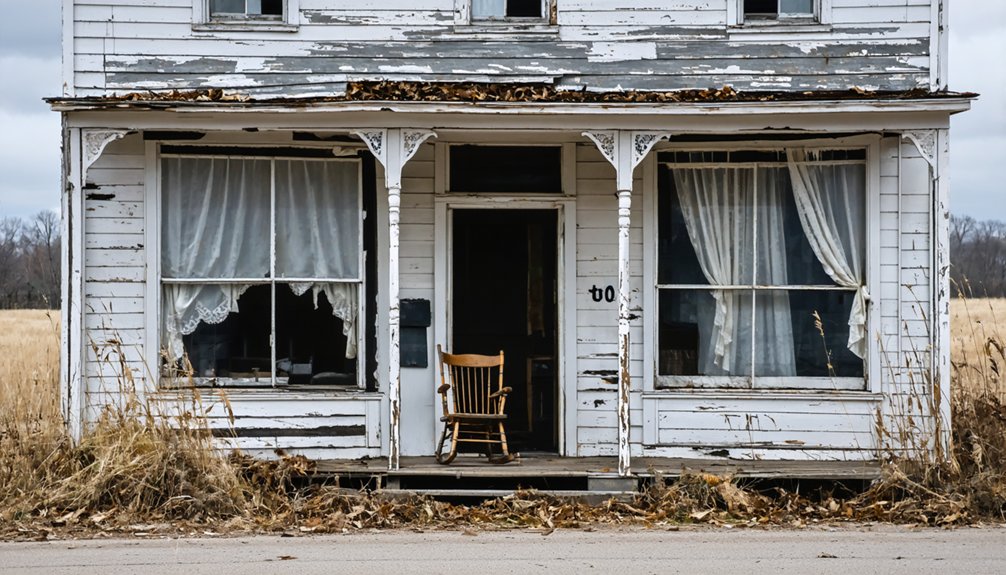
You’ll find haunted relics persisting in Midwest ghost towns due to several key factors working together. Architectural resilience of stone and brick structures allows them to withstand harsh environmental conditions, while cultural preservation efforts by immigrant descendants maintain sacred spaces and artifacts. Geographic isolation protects these sites from development, and tourism revenue funds ongoing preservation. The combination of tragic histories and well-preserved structures creates an atmosphere where ghostly tales naturally take root.
Key Takeaways
- Remote locations and isolation protect historical structures from vandalism and development, allowing haunted relics to remain undisturbed.
- Sacred spaces like churches and spirit houses become repositories of cultural memory, preserving tragic histories and paranormal reputations.
- Environmental factors like forest growth and natural preservation create an eerily preserved atmosphere around abandoned structures and artifacts.
- Architectural resilience of stone and brick structures helps these buildings withstand time, maintaining their haunting presence in ghost towns.
- Cultural heritage preservation efforts funded by tourism maintain these haunted sites as living museums of tragic historical events.
The Economic Cycles That Built and Broke Communities
While the haunting allure of Midwest ghost towns captivates visitors today, their origins reveal a stark pattern of economic volatility driven by resource extraction.
You’ll find these communities were built on dramatic boom-bust cycles, where rapid growth followed the discovery of coal, gold, or silver deposits. The promise of wealth attracted waves of workers, primarily single men, who fueled explosive but unsustainable development. The populations in these areas continue to decline, with ten ZIP codes experiencing over 10% decrease from 2015 to 2020.
What undermined these towns’ economic resilience was their narrow focus on mining. While merchants and service providers initially prospered alongside the mines, few communities diversified enough to weather resource depletion. The Dust Bowl and other economic downturns further devastated many farming communities in the region.
As ore quality declined and mines closed, community vibrancy quickly eroded. The transient workforce departed, leaving behind empty storefronts and abandoned infrastructure – stark reminders that sustainable growth requires more than temporary resource wealth.
Cultural Traditions Preserved in Stone and Wood
You’ll find the heritage of immigrant settlers etched into the weathered stone foundations and hand-hewn timber frames of Midwest ghost town structures, where traditional European building methods merged with local materials and Native American influences.
Similar to how cookhouse and school buildings in Falk preserved community life, the preservation of churches, meeting halls, and communal spaces reveals how ethnic groups maintained their cultural identities while adapting to frontier life through distinct architectural styles and construction techniques.
Written permission from landowners is essential before exploring or documenting these historic structures that remain on private property.
These sacred and social spaces continue to tell stories through their surviving architectural elements, from German-style timber framing to Norwegian stave church features, cementing the legacy of diverse cultural traditions in America’s heartland.
Ethnic Building Techniques Endure
Despite the passage of time, ethnic building techniques brought by immigrant communities to Midwest ghost towns remain visible in the weathered structures that dot the landscape today.
You’ll find their ethnic craftsmanship in the carefully laid stone foundations and traditional joinery that’s kept timber frames standing for over a century. Each building tells a story of architectural resilience, from fire halls constructed with homeland methods to homes designed with cultural symbolism.
These settlers mastered local materials while maintaining their traditional building practices. Their techniques mirror those found at Cahokia’s urban precincts, where distinct architectural styles marked different immigrant communities. The Amik Fire Hall, built in 1911, stands as a testament to their enduring construction methods.
They’ve left behind stone masonry that’s withstood decades of harsh weather and wood-frame structures preserved through time-tested techniques. The buildings showcase how immigrant communities adapted their construction knowledge to frontier conditions, creating structures that continue to embody their cultural heritage through thoughtful design and durable craftsmanship.
Sacred Spaces Shape Memory
As time stands still in Midwest ghost towns, sacred spaces serve as powerful vessels of cultural memory, preserved through both architectural craftsmanship and spiritual significance.
These enduring structures reflect remarkable cultural resilience, from Native American bluff shelters to historic churches that anchor community identity. Ancient peoples used bluff shelters for burials for thousands of years, creating deep ancestral connections to these sacred places. Many congregations are now partnering with Indiana Landmarks to save their historic religious buildings.
- You’ll find sacred landscapes etched with meaning – from rock art depicting creation myths to burial sites that connect generations through carefully preserved rituals.
- Historic preservation grants now support these sacred landmarks, with up to $500,000 available to maintain their architectural integrity.
- Natural formations like caves and grottoes enhance preservation, protecting burial artifacts and ceremonial objects.
- Remote isolation has inadvertently preserved many ghost town relics, allowing original stone and wood structures to remain authentic touchstones of community heritage.
Environmental Forces Shaping Ghost Town Remnants
While ghost towns often conjure images of static, abandoned places, powerful environmental forces actively reshape these historic sites throughout the Midwest.
You’ll find flooding poses one of the greatest threats to preservation, as rising waters erode foundations and spread toxic contaminants through abandoned settlements like Times Beach, Missouri. Environmental erosion accelerates when flood plains meet industrial waste, creating hazardous conditions that require extensive cleanup.
Nature’s reclamation through vegetation management plays a dual role – while invasive species can destroy structures, strategic conservation efforts in places like the Minnesota Valley National Wildlife Refuge help stabilize ruins. Heritage tourism revenue helps fund these essential preservation efforts. Dedicated conservationists have protected nearly 3,000 acres of wildlife corridors in Southeast Ohio, helping preserve historic sites within these protected lands.
You’ll notice how prescribed burns control unwanted growth while protecting native ecosystems. These natural processes transform ghost towns into dynamic landscapes where ruins either persist or fade based on environmental conditions.
Tragic Tales and Their Material Witnesses
Throughout the Midwest’s ghost towns, physical relics stand as silent witnesses to tragic historical events that shaped these abandoned communities.
These haunting remnants create emotional connections to the past, preserving tragic narratives through tangible artifacts and structures you can still explore today.
- Elaborate mausoleums and cemeteries showcase the ethnic heritage of former residents while marking mass casualties from mining accidents and epidemics.
- Buildings like the Villisca Axe Murder House maintain their original condition, allowing you to experience historical crime scenes firsthand.
- Abandoned homes with personal belongings tell stories of sudden evacuations and economic collapse.
- Sacred spaces and churches serve as architectural time capsules, their weathered walls holding memories of community gatherings and final services.
In these places, you’ll find history frozen in time, each artifact contributing to the larger story of human struggle and resilience.
The Role of Immigrant Heritage in Relic Preservation
The rich immigrant heritage of Midwest ghost towns profoundly shapes their preservation efforts today.
You’ll find immigrant architecture reflecting Northern European and Canadian influences, from Scandinavian log construction techniques to locally-sourced building materials that tell stories of cultural adaptation and resilience.
Immigrant descendants maintain cultural continuity through active historical societies, protecting not just buildings but entire cultural landscapes.
They’ve transformed former worker cottages into immersive heritage sites where you can experience authentic period furnishings, traditional artifacts, and ethnic-specific community spaces.
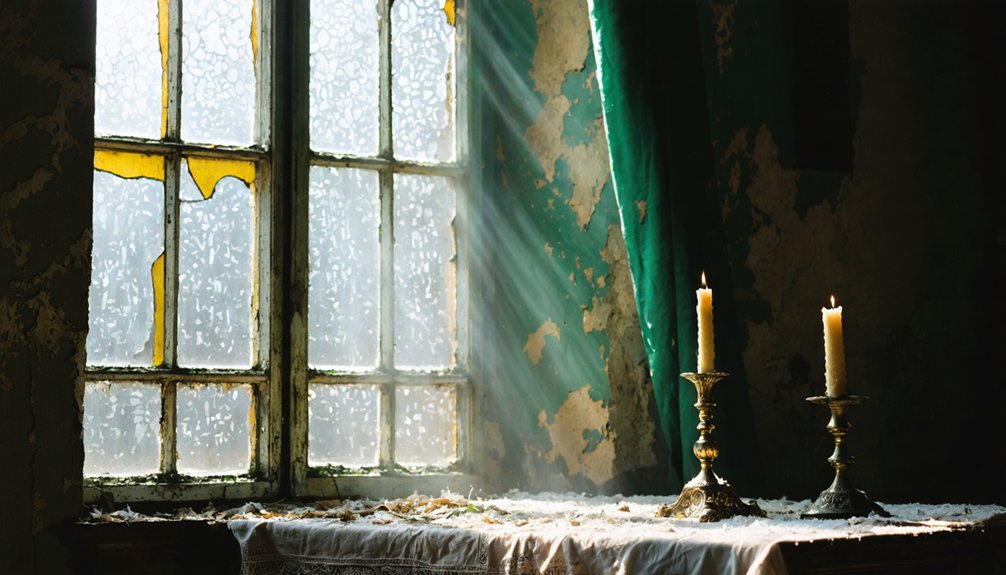
In these preserved spaces, you’ll discover immigrant customs frozen in time – from lace tablecloths to multilingual gravestones.
Even now, seasonal “snowbird” volunteers return annually to maintain these sites, ensuring that their ancestors’ legacy endures through carefully preserved relics and living traditions.
Sacred Spaces and Spirit Houses: Enduring Religious Sites
As pioneers established Midwest settlements, religious institutions emerged as essential anchors that shaped both spiritual life and social cohesion.
These sacred spaces exemplified community identity through distinctive sacred architecture and served as focal points for both worship and mutual support.
Even as towns declined, religious sites often endured, preserved by their spiritual significance and cultural heritage.
- Spirit houses and religious structures became repositories of local history, protecting records and artifacts long after congregations dissolved.
- Sacred sites gained paranormal reputations, attracting visitors interested in both spiritual history and supernatural phenomena.
- Religious buildings outlasted secular structures due to their role as cultural touchstones.
- Salvaged elements like stained glass windows and altars extended the sacred sites’ influence beyond their original locations.
Natural Elements Versus Historical Architecture
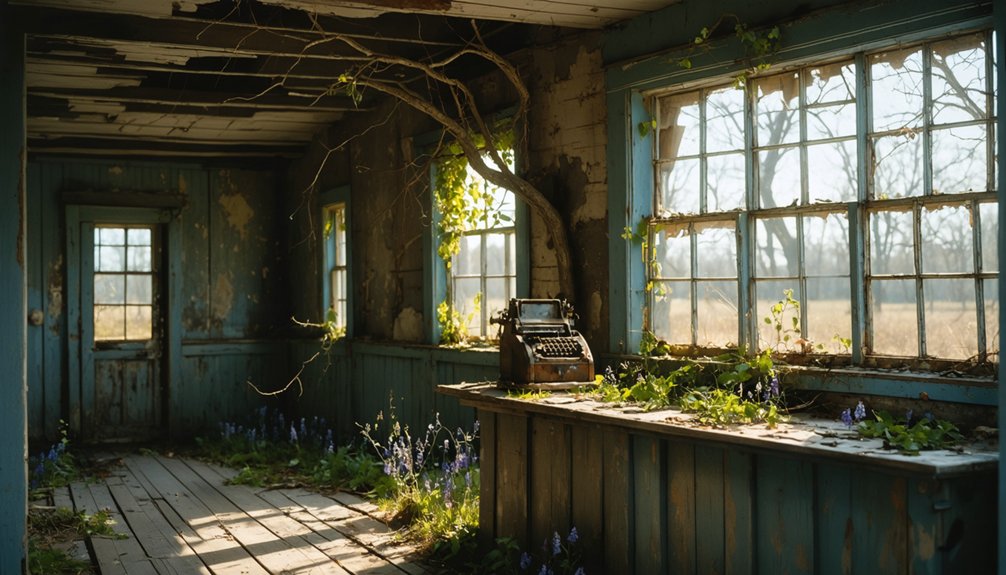
Moving beyond sacred spaces, Midwestern ghost towns showcase an ongoing battle between architectural persistence and natural reclamation.
You’ll find stone and brick structures displaying remarkable architectural resilience, while wooden buildings surrender more readily to nature’s advance. In places like Cliff and Central, Michigan, forest growth envelops abandoned buildings, with only stone foundations and chimneys defying complete absorption into the landscape.
The region’s extreme climate accelerates this transformation, as freeze-thaw cycles crack foundations and seasonal moisture weakens structural integrity.
Nature wages its war through seasons, as Midwestern winters split stone and summer rains dissolve what remains of human endeavor.
Lake-effect conditions near water bodies like Fayette intensify decay through increased humidity and erosion. Yet this environmental assault creates an atmospheric fusion where weathered ruins and advancing vegetation merge, turning these abandoned settlements into haunting testimonies of humanity’s temporary imprint on the landscape.
Tourism’s Impact on Ghost Town Preservation
You’ll discover that ghost town tourism creates a sustainable cycle of preservation, with visitor revenue directly funding the maintenance of historical structures and cultural assets.
Ghost tours and heritage-focused activities generate essential income streams that help stabilize deteriorating buildings while simultaneously shaping public understanding of these historical sites.
Your tourism dollars contribute to both the physical conservation of these haunted relics and the preservation of their stories, as guided tours often incorporate local oral histories and documented accounts of paranormal experiences.
Preservation Through Tourism Revenue
Tourism revenue plays a pivotal role in preserving Midwest ghost towns and their haunted relics through multiple economic channels.
Exploring the haunted history of midwestern ghost towns invites visitors to immerse themselves in tales of the past, where every creaking floorboard and shadowy corner holds a story. These towns often host events that celebrate their eerie past, drawing enthusiasts of the supernatural and history alike. As people seek unique experiences, the allure of these ghost towns continues to grow, creating a vibrant community dedicated to preserving their legacies.
You’ll find that tourism funding creates a sustainable cycle of preservation, where visitor spending directly supports the maintenance of these mysterious locations. The income generated helps establish economic stability through employment opportunities and local business development.
- Your entrance fees and tour payments contribute to essential restoration projects and structural maintenance.
- You’re supporting local jobs when participating in guided tours and purchasing themed merchandise.
- Your visits attract preservation grants and private investors interested in protecting haunted sites.
- You’ll benefit from improved infrastructure and safety measures funded by tourism revenue.
This financial ecosystem guarantees these haunted relics continue telling their stories for future generations to explore.
Ghost Tours Shape History
Beyond the financial benefits of preservation, ghost tours forge lasting connections between visitors and historical narratives in Midwest ghost towns.
You’ll discover how these immersive experiences blend ghost stories with documented events, creating meaningful links to the region’s past. Through guided walks past weathered buildings and forgotten artifacts, you’ll encounter more than supernatural tales – you’ll uncover lesser-known histories of indigenous peoples, frontier conflicts, and economic transformations.
While tour operators aim for historical accuracy, they face the challenge of balancing entertainment with ethical representation.
You’re not just hearing sensationalized tales; many tours now partner with museums and historians to guarantee responsible storytelling. This approach transforms abandoned locations into dynamic heritage sites where you’ll actively engage with history, fostering a deeper understanding of the forces that shaped these once-thriving communities.
From Mining Equipment to Personal Effects: Tangible Links to the Past
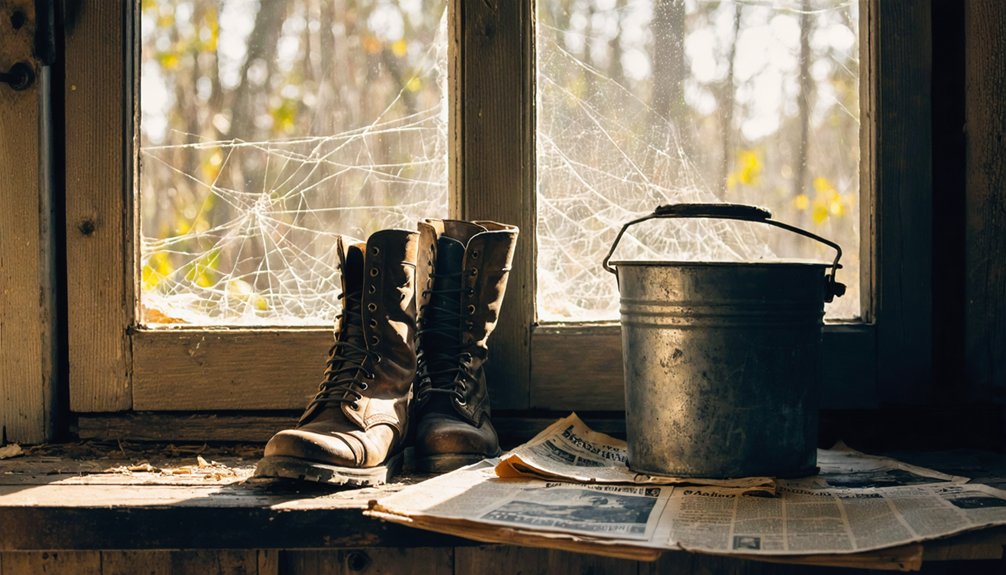
Scattered across abandoned Midwest ghost towns, an array of mining equipment and personal artifacts serves as a compelling bridge to the region’s industrial past.
You’ll discover mining artifacts ranging from picks and shovels to massive stamp mills, each telling stories of the grueling work that shaped these communities. These remnants of daily life paint a vivid picture of frontier industrialization and personal struggle.
- Explore weathered grave markers revealing diverse cultural backgrounds through inscriptions in multiple languages
- Examine original building foundations and partial log cabins showcasing period construction techniques
- Find glass bottles, broken dishes, and household items scattered near former residences
- Investigate industrial relics like steam engines and ore processing equipment that powered local economies
Frequently Asked Questions
How Do Paranormal Investigators Safely Explore Abandoned Ghost Town Structures?
Keep your wits about you by following strict safety protocols, bringing a partner, using proper paranormal equipment, wearing protective gear, and obtaining legal permission before exploring abandoned structures.
What Legal Permits Are Required to Metal Detect in Midwest Ghost Towns?
You’ll need federal ARPA permits for historic sites, state DNR permits for state parks, and written landowner permission for private ghost towns. Don’t forget to check local municipal detecting regulations.
Can Visitors Take Artifacts Home From Ghost Town Sites?
You can face up to $250,000 in fines for removing artifacts from ghost towns. Due to artifact preservation laws and ethical considerations, it’s illegal to take items home from public or private sites.
Which Ghost Towns Have the Most Documented Paranormal Activity?
You’ll find the most documented ghost stories and urban legends at Villisca’s Axe Murder House, Missouri State Penitentiary, Alton’s McPike Mansion, and the Sallie House in Atchison, Kansas.
How Can Modern Technology Help Date Ghost Town Artifacts and Structures?
You’ll find modern artifact analysis relies on radiocarbon dating, dendrochronology, stratigraphy, and archaeomagnetic dating techniques to precisely determine when ghost town structures and objects were created, used, and abandoned.
References
- https://www.visitkeweenaw.com/blog/post/our-top-7-keweenaw-ghost-towns-to-explore/
- https://www.youtube.com/watch?v=7-vjuqiGWJU
- https://www.geotab.com/ghost-towns/
- https://www.nps.gov/slbe/learn/historyculture/ghosttowns.htm
- https://www.travelawaits.com/2702819/most-haunted-places-midwest/
- https://battlegroundhistory.com/american-midwest/
- https://www.atlasobscura.com/lists/abandoned-places-midwest
- https://jasontdunn.com/files/ghost_towns_big_cities.pdf
- https://ageconsearch.umn.edu/record/132433
- https://www.richmondfed.org/-/media/richmondfedorg/publications/research/econ_focus/2011/q3/pdf/feature2.pdf