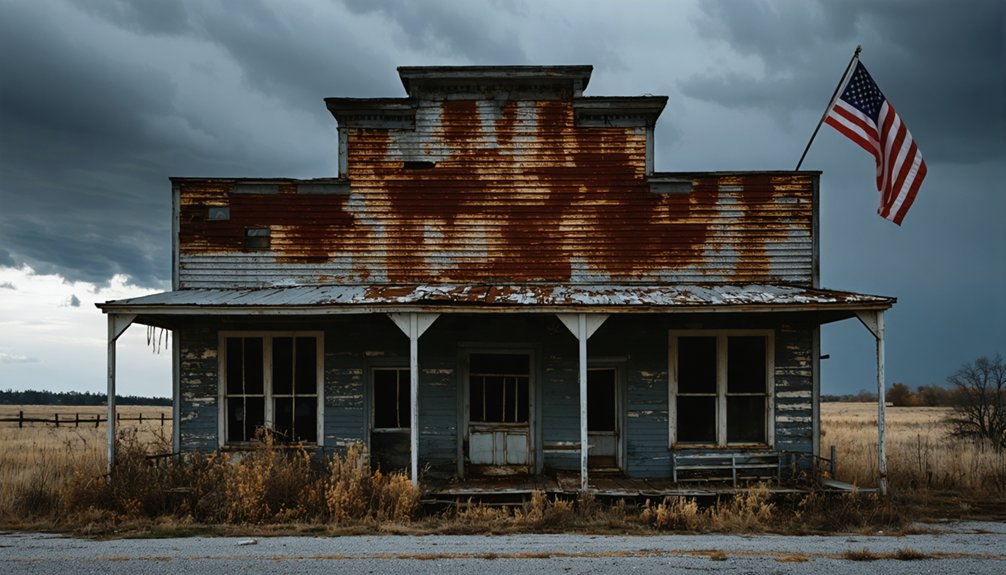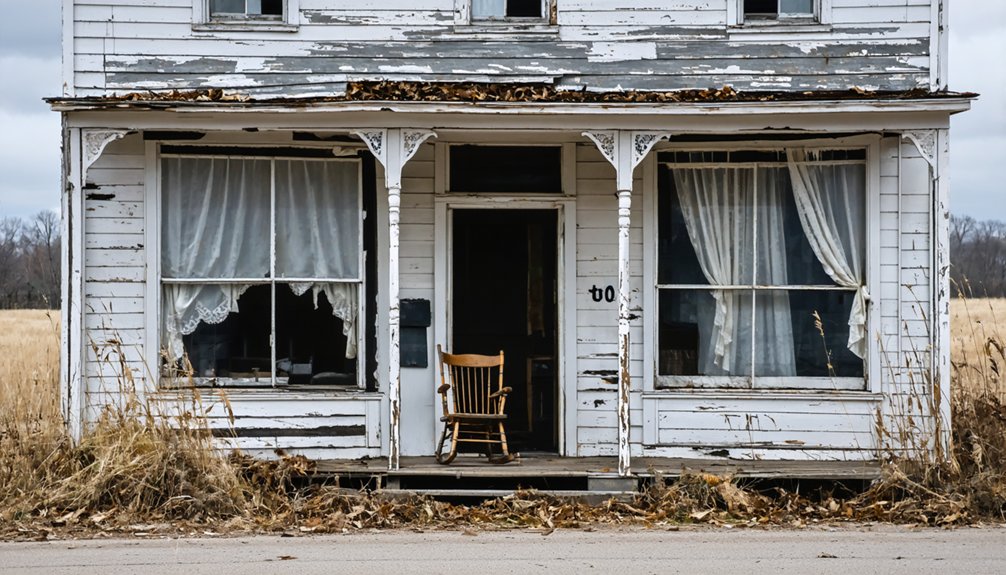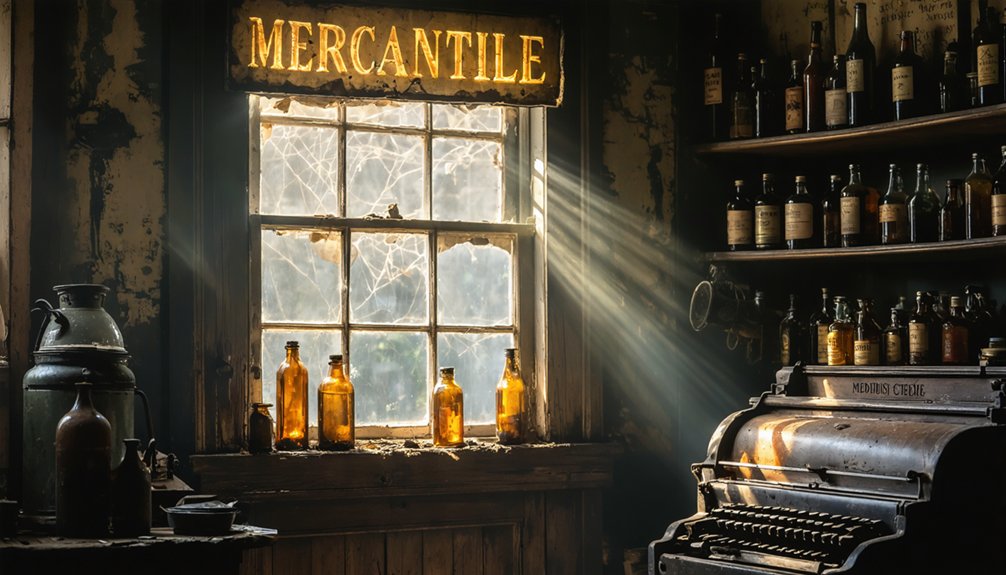
You’ll step back in time as you explore abandoned Midwest mining towns that flourished during the 1800s copper and iron rushes. These ghost towns showcase Victorian architecture, weathered industrial structures, and cultural heritage through preserved homes, churches, and massive factories. From the Cliff Mine site to Fayette Ghost Town, you’ll discover stories of boom-and-bust cycles, immigrant communities, and supernatural legends that shaped America’s heartland, offering glimpses into our nation’s dramatic industrial transformation.
Key Takeaways
- Experience firsthand the rise and fall of America’s industrial heritage through preserved ruins of mines, factories, and railroad hubs.
- Discover stunning Victorian-era architecture featuring ornate details, grand porches, and unique construction techniques that defined 19th-century design.
- Immerse yourself in rich cultural history through immigrant stories, mining communities, and the dramatic economic transformations of the Midwest.
- Capture unique photography opportunities of weathered structures while exploring supernatural tales and unexplained phenomena.
- Connect with American history through extensive trail networks linking abandoned settlements, mining camps, and frontier trading posts.
Step Back in Time Through Historic Mining Communities
When you explore the ghost towns of the Midwest’s mining era, you’ll discover communities that emerged during the copper and iron rushes of the 1800s, particularly in Michigan’s Upper Peninsula.
Explore forgotten Midwestern mining towns, where copper and iron transformed wilderness into bustling communities during the 1800s.
Towns like Central, Mohawk, and Delaware sprang up rapidly around mining operations, growing from nothing to bustling communities of over 1,000 residents.
You’ll find traces of rich cultural heritage in the ruins of homes, schools, and churches built by Cornish, Irish, and German immigrants who shaped these towns.
As you walk through these preserved sites, you’ll encounter remnants of steam-powered mines that once extended 1,400 feet underground, along with stamp mills and engine houses that powered local economies.
These sites offer a direct connection to the immigrant influence that defined America’s industrial expansion.
Sites like Fayette State Park showcase 20 preserved buildings that offer a remarkable window into the daily lives of these historic communities.
The region’s prosperity ultimately declined following the devastating effects of the 1913 miners strike and subsequent economic challenges.
Discover Architectural Treasures of the Past
You’ll find exquisite Victorian-era details in the weathered buildings, from ornate gingerbread trim to towering bay windows that once graced prosperous merchant homes.
Throughout these ghost towns, preserved industrial structures like mills and foundries stand as evidence to the region’s manufacturing heritage, their sturdy stone walls and massive timber beams showcasing period construction techniques.
The ravages of time have left their mark on these architectural treasures, creating fascinating patterns of aged wood, rusted metal, and worn stone that tell stories of the buildings’ long histories.
The historic Cliff Mine site represents America’s first copper mining boom, drawing thousands of workers to the region between 1845-1878.
Visitors can explore these sites as vital heritage tourism sites that showcase America’s westward expansion and industrial development.
Victorian-Era Design Elements
Majestic spires and ornate gingerbread trim stand as monuments to the Victorian era’s architectural legacy throughout Midwest ghost towns.
You’ll discover how these structures showcase the perfect blend of pioneer practicality and sophisticated Victorian ornamentation details. From elaborate stone mansions to modest wooden churches, each building tells a story of frontier ambition and architectural craftsmanship techniques. The Lemp Mansion in St. Louis exemplifies this Victorian grandeur, built in the 1860s with its distinctive period features. The Methodist Church of Milton, Indiana, built in 1878, remains as one of the few surviving structures of its once-thriving community.
As you explore these historic sites, you’ll encounter:
- Steep gables adorned with decorative brackets and intricate woodwork that capture the essence of 19th-century design
- Grand front porches featuring hand-carved columns and delicate trim work that once hosted social gatherings
- Tall narrow windows crowned with elegant arches and colorful stained glass that filtered light into lavishly decorated interiors
Preserved Industrial Buildings
Towering remnants of America’s industrial might stand as proof to the Midwest’s manufacturing legacy.
You’ll discover architectural preservation at its finest in these historic structures, from early grain elevators to massive factory complexes like Ford’s River Rouge. These buildings, once the heartbeat of Midwest economies, showcase innovative construction techniques using materials from simple wood to revolutionary steel and concrete designs. European architects praised these structures, especially the grain elevator designs, viewing them as monumental as ancient landmarks.
You’ll find yourself walking through authentic pieces of industrial heritage that shaped entire communities. These preserved buildings tell stories of technological advancement, labor movements, and economic transformation. The stark decline of cities like U.S. Steel’s Gary demonstrates how deeply these industrial giants influenced regional prosperity.
While many structures face preservation challenges from decay and contamination, they’re invaluable educational resources. As you explore these architectural treasures, you’ll witness firsthand how these facilities influenced town layouts and served as powerful cultural symbols, much like medieval cathedrals of their era.
Weathered Structural Details
Decades of exposure to harsh Midwest weather have left their mark on these architectural treasures, creating a compelling record of time’s passage.
As you explore these weathered facades, you’ll discover how freeze-thaw cycles have carved their story into crumbling brick and stone, while peeling paint reveals layers of history beneath. These structures, ranging from standing commercial buildings to empty foundations, showcase different stages of abandonment. Similar to the haunting beauty captured by light painting techniques, the natural interplay of light and shadow adds depth to these deteriorating structures.
The architectural decay offers invaluable insights into 19th-century construction techniques and local adaptations to Midwest climate conditions.
- Examine Victorian-era woodwork through weathered porches and gabled roofs, where intricate details still cling to life.
- Spot original craftsmanship in worn but distinct decorative lintels and arches.
- Trace the path of time through faded business signs, worn doorways, and rusted hardware that tell tales of bustling community life.
Encounter Tales of Mystery and Local Legends
Deep within the abandoned streets and weathered buildings of Midwest ghost towns, you’ll encounter spine-chilling tales that have captivated visitors for generations.
From the glowing Blue Lady of Denton Road to the mournful spirit of Minnie Quay along Lake Huron, ghostly apparitions emerge from tragic histories that shaped these forgotten communities.
Spectral figures born of heartbreak and disaster still wander these desolate places, keeping alive the stories of towns time forgot.
You’ll discover haunting legends born from mining disasters, industrial collapses, and devastating natural events that forced entire towns to relocate.
At sites like the Fayette Ghost Town and Franklin Cemetery, you’ll explore locations where unexplained voices and mysterious lights challenge rational explanation.
Many of these stories interweave indigenous folklore with industrial-era tragedies, creating a rich tapestry of supernatural tales that preserve the memory of these once-thriving communities through their most chilling encounters.
Support Historic Preservation Efforts
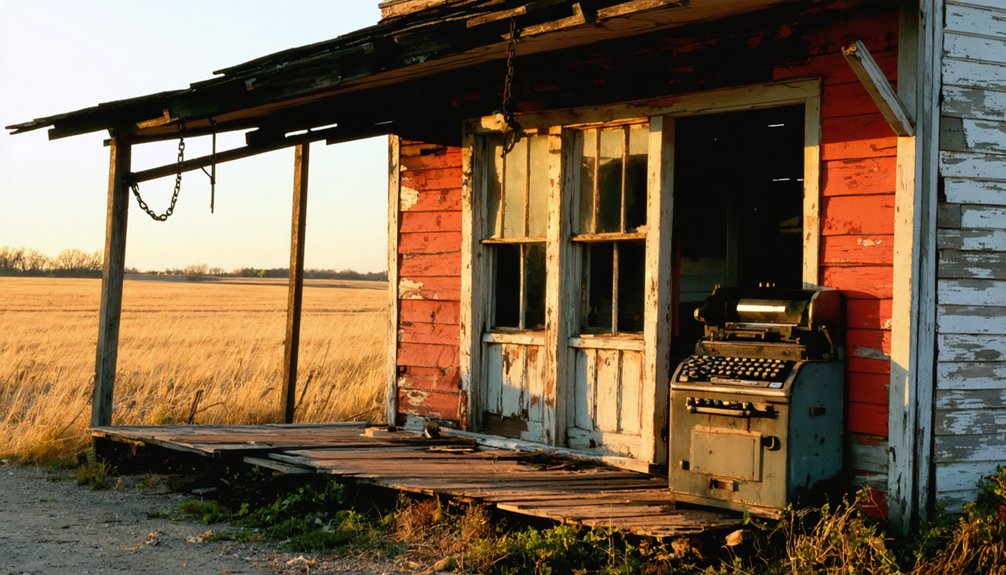
By supporting historic preservation efforts in Midwest ghost towns, you’re helping safeguard irreplaceable pieces of American heritage.
Through your visits, entrance fees, and tour participation, you’re directly contributing to restoration projects that protect unique architectural treasures and cultural landmarks.
Community involvement and local advocacy have transformed these abandoned settlements into living museums that tell the story of America’s frontier spirit.
- Your tourism dollars fund essential building stabilization work, preventing the loss of authentic 19th-century structures.
- Your participation in guided tours helps train local volunteers in preservation techniques and historical interpretation.
- Your support enables public-private partnerships to secure crucial preservation grants and maintain these historic sites.
Every visit strengthens the economic foundation needed to protect these remarkable places for future generations while creating sustainable jobs in local communities.
Blend Outdoor Adventure With Historical Discovery
You’ll discover extensive trail networks connecting abandoned frontier settlements throughout the Midwest’s most scenic landscapes.
These carefully preserved pathways let you trek between weathered structures and historical landmarks while spotting native wildlife and geological formations that shaped early settlement patterns.
Following these historic routes, you can experience both rugged outdoor adventure and tangible connections to pioneer life as you explore former mining camps, logging outposts, and river trading posts.
Scenic Historical Trail Networks
Throughout the Midwest, extensive networks of historical trails weave together the region’s rich industrial past with modern outdoor recreation opportunities.
You’ll discover scenic vistas spanning river valleys, prairies, and woodlands while tracing the footsteps of pioneers, miners, and railroad workers. These trails connect you to cultural heritage through preserved ghost towns, historic architecture, and industrial relics.
- Follow former railroad corridors past abandoned mining towns with remnants of hotels, company stores, and iron furnaces.
- Explore interpretive markers detailing Native American settlements, pioneer life, and industrial boom-and-bust cycles.
- Connect with multiple historic sites along multiuse pathways that link rivers, mountains, and small towns.
These trail networks transform your outdoor adventure into an immersive journey through America’s industrial revolution and settlement history.
Nature Meets Pioneer Legacy
When exploring Midwest ghost towns, you’ll discover how natural landscapes shaped pioneer settlements and their eventual decline. You can trace the impact of glacial valleys, mineral-rich terrain, and dense forests that once attracted determined settlers seeking opportunity in these untamed territories.
As you wander through these historic sites, you’ll witness pioneer resilience in the remnants of structures built from local materials – log cabins, sawmills, and stores that served as community hubs.
These settlements adapted to their surroundings, whether establishing mining operations in rugged terrain or building logging communities in vast woodlands. Though many towns succumbed to nature’s challenges like flooding and resource depletion, their ruins tell compelling stories of human adaptation.
Today, these natural landscapes offer both outdoor adventure and a window into the raw frontier spirit that defined pioneer life.
Witness the Rise and Fall of Industrial America
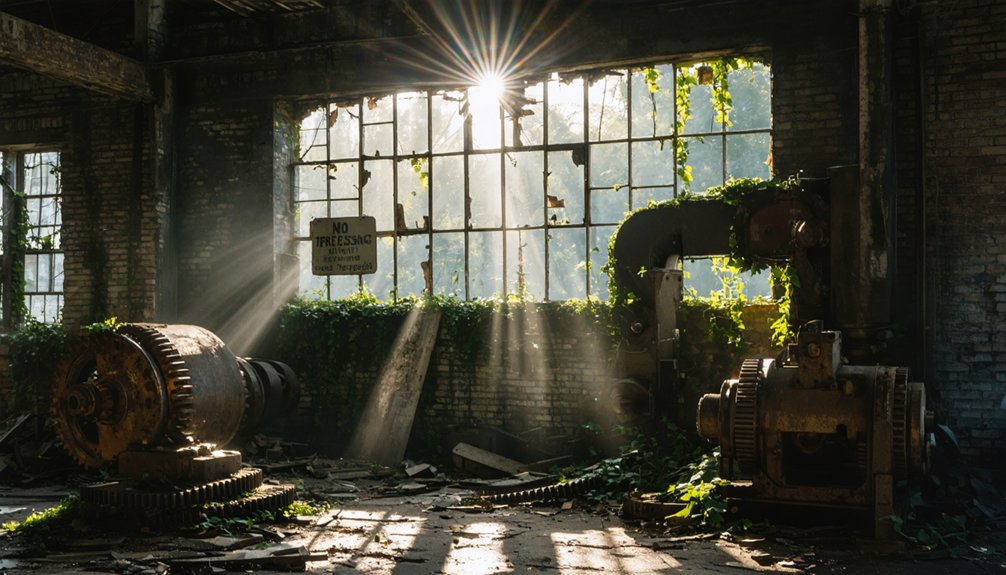
The rise and fall of industrial America comes alive through the Midwest’s abandoned towns, where shuttered factories and empty streets tell stories of both tremendous growth and devastating decline.
As you explore these remnants of industrial heritage, you’ll witness how mining companies, steel mills, and manufacturing plants once transformed quiet prairies into bustling communities.
These places showcase dramatic economic transformations that shaped America’s heartland.
- Stand before massive abandoned factories where thousands of workers once crafted steel and machinery.
- Walk through former mining towns where entire communities sprung up and vanished with the boom-bust cycle.
- Explore old railroad hubs that connected these industrial powerhouses before being silenced by modernization.
Your journey through these ghost towns reveals how single-industry communities rose and fell with America’s changing industrial fortunes.
Capture Unique Photography Opportunities
Midwest ghost towns offer photographers an extraordinary canvas of haunting beauty and historical resonance. You’ll discover diverse architectural subjects, from weathered churches and abandoned factories to vintage storefronts and rustic grain elevators.
Exploring the ghostly tours in Kansas’ historic towns reveals captivating stories intertwined with the remnants of the past. Each step through these towns unveils hidden gems, from eerie cemeteries to the crumbling structures of once-vibrant communities. This blend of history and mystery offers an enchanting experience for those who seek to uncover the secrets of the Midwest.
These locations present unique photography techniques for capturing time’s passage through peeling paint, crumbling brick, and weather-worn wood. Early morning light creates ethereal atmospheres, while fog adds mystery to your shots.
Time’s raw artistry emerges through abandoned surfaces, while dawn light and misty mornings transform decay into atmospheric beauty.
You can employ creative ghost town aesthetics through long exposures and light painting at night. Wide-angle views capture the town’s isolation, while close-ups reveal intricate historical details.
Just remember to secure necessary permissions and watch for safety hazards in unstable structures. Your photographs will preserve these vanishing pieces of American history, documenting the visual story of communities that time left behind.
Frequently Asked Questions
Are Ghost Town Tours Safe for Children and Elderly Visitors?
You’ll find ghost town tours safe when choosing family-friendly activities and age-appropriate content, but you must follow safety guidelines, maintain supervision, and stick to well-maintained areas with proper preparation.
What Should I Wear and Bring on a Midwest Ghost Town Tour?
You’ll need comfortable footwear with good traction, weather-appropriate clothing in layers, water, snacks, a map, fully charged phone, flashlight, first aid kit, and camera for documenting your exploration.
Can I Take Artifacts or Souvenirs From Ghost Town Sites?
No, you can’t remove artifacts from ghost town sites – it’s illegal and damages artifact preservation efforts. Instead, take photos to capture memories while protecting these sites’ historical significance for future generations.
Which Seasons Offer the Best Ghost Town Touring Experiences?
You’ll discover the most enchanting experiences during fall, when autumn adventures combine perfect weather and festive events. Spring visits offer a close second, with mild temperatures and fewer crowds to restrict exploration.
Are There Accessible Options for Visitors With Mobility Limitations?
You’ll find extensive wheelchair accessibility throughout Midwest ghost town tours, with ADA-compliant pathways, ramps, and trained tour guide accommodations. Most locations offer accessible restrooms and modified routes for mobility needs.
References
- https://www.travelawaits.com/2702819/most-haunted-places-midwest/
- https://ghostcitytours.com
- https://leisuregrouptravel.com/spooky-experiences-await-in-the-midwest/
- https://thetravelingwildflower.com/hauntedplacestovisit/
- https://www.hauntedgalenatourcompany.com
- https://usghostadventures.com/kansas-city-ghost-tour/
- https://www.visitkeweenaw.com/blog/post/our-top-7-keweenaw-ghost-towns-to-explore/
- https://www.atlasobscura.com/lists/abandoned-places-midwest
- https://www.visitkeweenaw.com/things-to-do/museums-history/ghost-towns/
- https://myfamilytravels.com/hidden-mining-towns-in-michigan-waiting-to-be-explored/