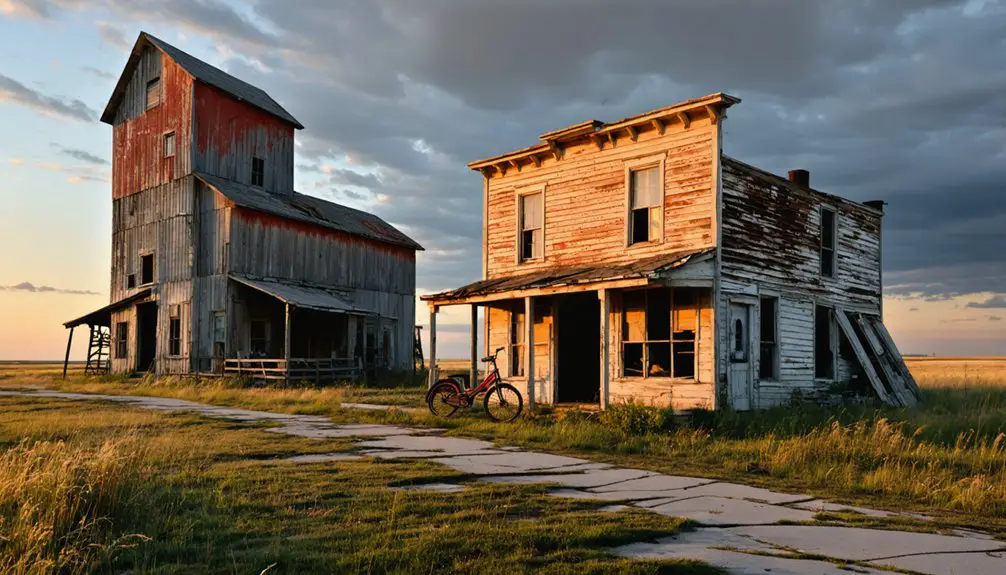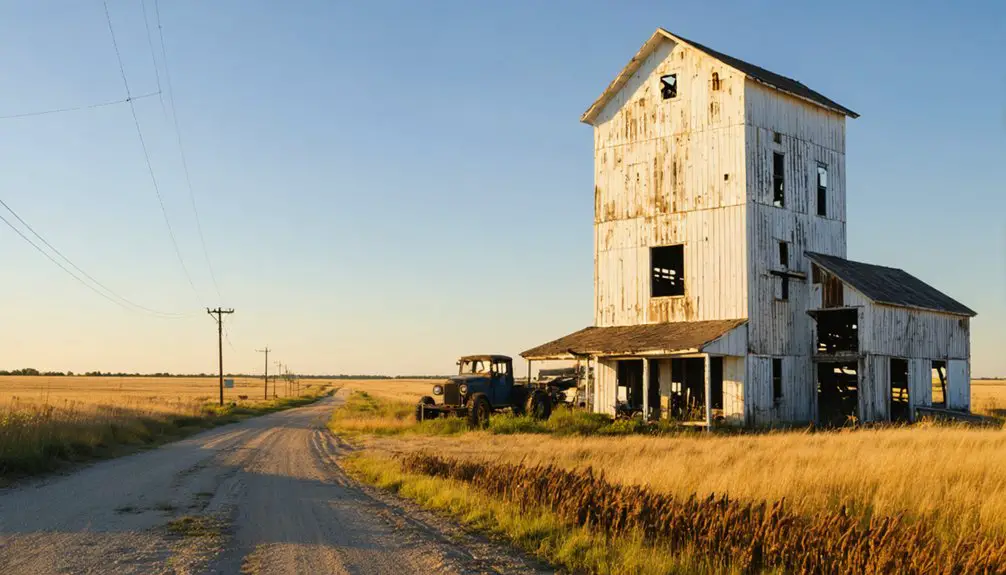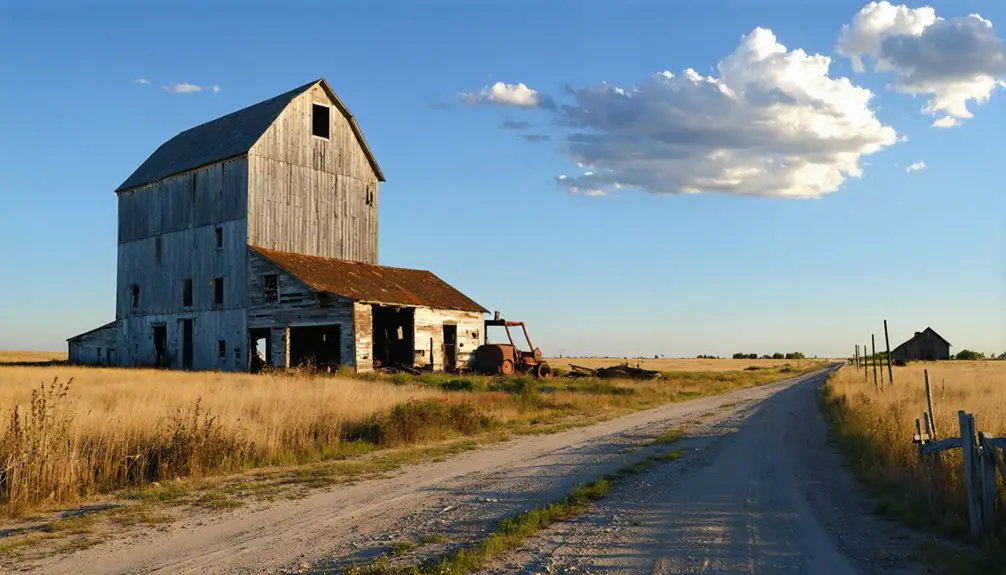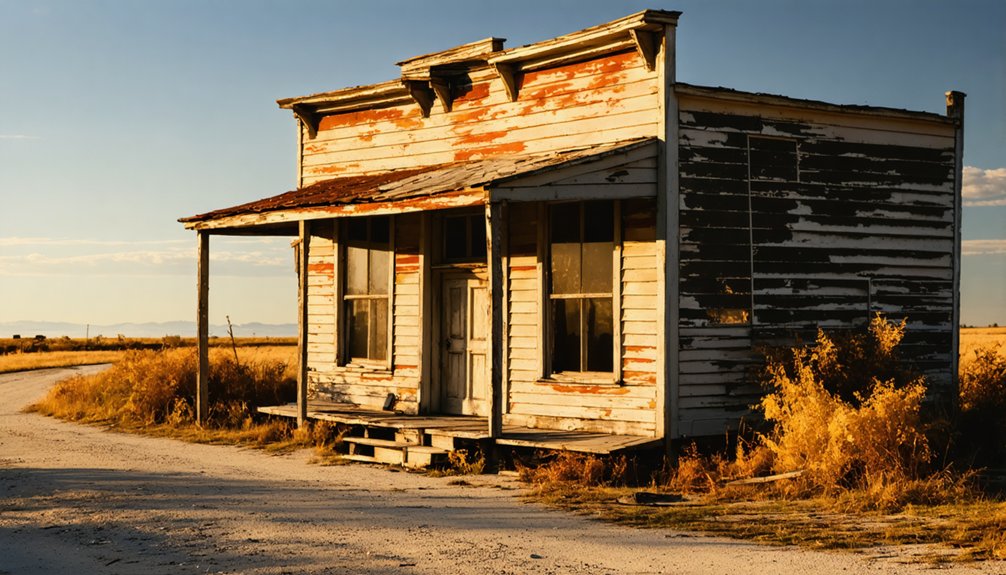
You’ll find North Dakota’s ghost towns most accessible and photogenic during the fall months of September through November. The combination of stable road conditions, mild temperatures, and vibrant autumn colors creates ideal exploration conditions, especially around historic sites like Wheelock and Hesper. Mid-September offers peak fall foliage, while October’s golden hues perfectly complement abandoned structures like the Sims church. The season’s clear weather and historical events, including Haunted Fort weekends, add layers to your ghost town adventure.
Key Takeaways
- Fall (September-November) offers the most favorable conditions with stable roads, vibrant foliage, and special events like Haunted Fort weekends.
- Spring (March-May) reveals hidden artifacts and foundations while providing stunning wildflower photography opportunities around abandoned buildings.
- Winter (December-February) transforms ghost towns into serene snowscapes, ideal for unique photography and snowmobile access to remote locations.
- May and October provide the best lighting conditions for photography, with fewer visitors and clearer visibility of building details.
- Late spring through early fall ensures the most reliable road conditions and accessibility to remote ghost town locations.
Winter Wonderland: December Through February
While North Dakota’s harsh winters may seem intimidating, December through February offers a unique perspective on the state’s abandoned settlements.
You’ll find snowy landscapes transforming ghost towns into serene winter wonderlands, with sites like Sims and its historic church standing stark against pristine white backdrops. The ghostly beauty peaks at locations like San Haven sanatorium, where ice-draped ruins create haunting vistas perfect for photography.
Winter’s icy embrace transforms abandoned churches and sanitariums into ethereal landscapes, where snow-draped ruins whisper tales of North Dakota’s past.
Abandoned structures like Lincoln Valley’s bar serve as dramatic backdrops against the winter scenery. You can access these remote treasures via 2,800 miles of groomed snowmobile trails connecting places like Arena and Thelen. Visitors can stay warm in heated yurts at Cross Ranch while exploring nearby ghost towns.
Winter parks near Mandan and Bottineau serve as ideal base camps for your explorations. Though temperatures drop below freezing, the season’s festivals like Vinterfest and Shiverfest add cultural richness to your ghost town adventures, especially near Lake Sakakawea and Devils Lake.
Spring Photography Season: March Through May
You’ll discover a whole new side of North Dakota’s ghost towns as winter’s snow melts away between March and May, gradually exposing weathered foundations and long-hidden artifacts.
Professional photographers David Cobb and Heeb provide expert guidance while exploring these historic sites during the spring season.
The spring thaw makes dirt roads increasingly passable, letting you access remote locations that were challenging to reach during winter months.
One highlight is exploring the historic Lutheran church in Sims, which has been lovingly restored and still holds services every other week.
Nature adds its own artistic touches as prairie wildflowers begin dotting the landscape around abandoned buildings, creating striking photo opportunities against the backdrop of historic structures.
Melting Snow Reveals History
Spring thaw across North Dakota’s ghost towns offers a unique window into the past as melting snow gradually exposes historical artifacts and architectural details typically hidden during winter months.
Many of these locations are completely barren sites today with no remaining structures above ground.
Having documented over 65,000 miles across every county in North Dakota, photographers have extensively mapped accessible ghost town locations throughout the state.
While we’d like to make specific claims about how snow melting patterns reveal historical sites during March through May, there isn’t sufficient research data to definitively describe these seasonal changes.
The impact of spring conditions on historical visibility at North Dakota’s abandoned settlements requires further study, including analysis of weather patterns, site accessibility, and preservation factors.
Until detailed seasonal research becomes available, we recommend consulting local historical societies and weather services to plan your ghost town visits. They can provide current conditions and access information for specific sites you’re interested in exploring during the spring months.
Roads Become More Accessible
As snow recedes across North Dakota’s prairies from March through May, previously inaccessible ghost town roads transform into navigable routes for photographers and history enthusiasts.
You’ll find road accessibility improving steadily throughout these months, starting with Highway 200’s clearance in March, which opens paths to abandoned sites like Blabon and Finley. Crystal Springs draws visitors to see its historic fountain constructed in 1935 from local fieldstone.
April’s drying conditions stabilize the gravel backroads leading to remote locations like Carson and the Enchanted Highway near Regent. Experienced travelers recommend bringing plenty of supplies and gas since amenities are scarce along these routes.
By May, seasonal conditions reach their prime – you can safely navigate to secluded spots like Sully Springs in the Badlands or explore the remnants near Lake Sakakawea.
The spring timeframe also offers ideal natural lighting for photography, with minimal traffic to interrupt your documentation of these historic sites.
Wildflowers Frame Buildings
The natural prairie awakens alongside North Dakota’s ghost towns from March through May, painting weathered structures with vibrant wildflower displays.
You’ll find prairie coneflowers and pasque flowers emerging first, followed by lupines and shooting stars that create striking contrasts against abandoned buildings. By May, Indian paintbrush adds bold red accents to your ghost town scenes. The dark blue skies provide dramatic backdrops for these spring blooms. Remember to pack sturdy shoes for safely navigating the wildflower-covered terrain.
For the best photography techniques, take advantage of the spring’s low-angle light, which highlights wildflower species against weathered facades.
You’ll encounter fewer visitors during these months, allowing unobstructed shots of flora-framed structures. Crystal Springs’ school and church, as well as sites near the Badlands Summit Trail, offer prime locations where you can capture golden hour shots of wildflowers embracing these historic remnants.
Peak Summer Exploration: June Through August
During North Dakota’s peak summer months, adventurous explorers will find ghost town visits most accessible, with June through August offering reliable road conditions and comfortable daytime temperatures.
Due to limited available data on seasonal conditions and visitor patterns for North Dakota’s ghost towns, it’s recommended that you contact local historical societies and tourism offices before planning your summer exploration.
These organizations can provide current information about road accessibility, site conditions, and any scheduled preservation activities that might affect your visit.
When researching ghost town history or gathering exploration tips, verify details through multiple sources to guarantee accurate, up-to-date information.
While summer is traditionally a popular time for outdoor activities in North Dakota, specific peak periods for ghost town visitation aren’t well documented in available records.
Fall Colors and Historical Sites: September Through November
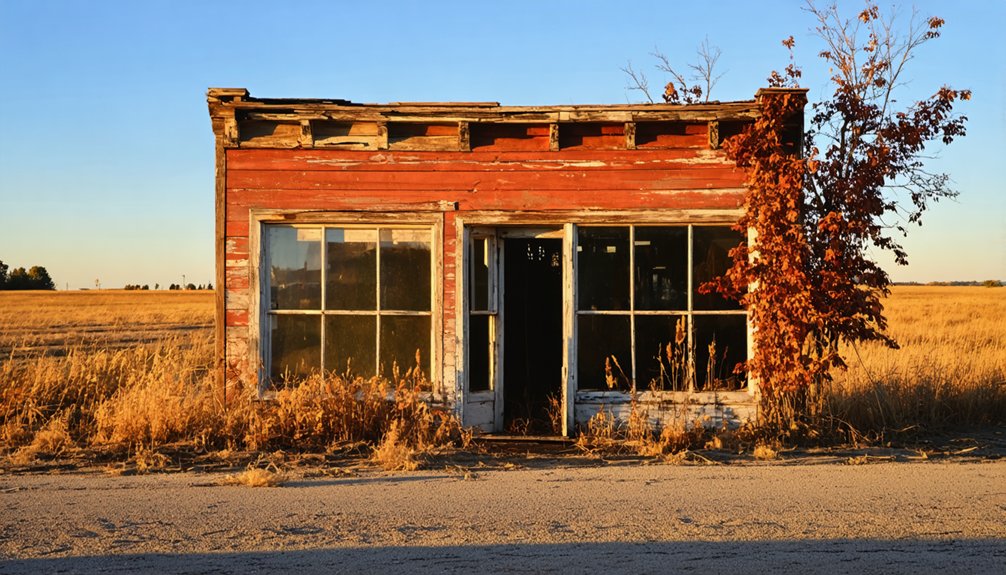
Fall’s dramatic transformation of North Dakota’s landscape creates an ideal backdrop for ghost town exploration, with vibrant autumn colors sweeping across the state from early September through November.
You’ll discover peak fall foliage surrounding abandoned settlements like Wheelock and Hesper in mid-September, while the historic Sims church stands magnificently against October’s golden hues.
The Pembina Gorge and Sheyenne River Valley offer prime ghost town exploration opportunities amid peak colors through mid-October.
- Combine your visit with Haunted Fort weekends at Fort Abraham Lincoln State Park
- Explore 13 historic bridges in Valley City during mid-October’s peak colors
- Visit the allegedly haunted Sims Lutheran Church against autumn backdrops
- Experience Medora’s Wild West Fall Fest near ghost town locations
- Discover Dogtooth’s remnants while the Badlands display golden fall scenery
Weather Considerations for Each Region
When planning ghost town excursions across North Dakota’s diverse regions, you’ll need to carefully consider each area’s distinct weather patterns and seasonal challenges.
While thorough regional climate data isn’t readily available for ghost town locations specifically, you’ll want to research current local conditions before planning your trip. Regional variations can greatly impact travel logistics and site accessibility throughout the year.
Always check local weather patterns and conditions before visiting remote ghost towns, as regional climate differences affect accessibility.
Contact local tourism offices and historical societies to gather up-to-date information about road conditions, seasonal tourism patterns, and climate impacts in your target area. Pay special attention to accessibility challenges during spring thaw and winter months, when some remote locations may become difficult or impossible to reach.
Consider scheduling your visits during peak seasons when weather conditions typically allow for safer exploration.
Seasonal Road Access and Safety Tips
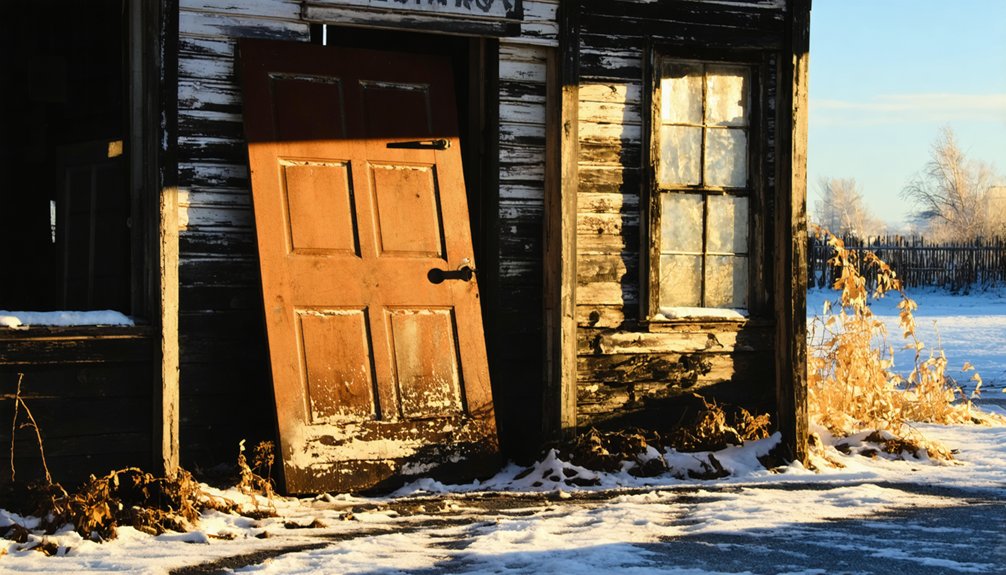
You’ll need to carefully plan your route through North Dakota’s ghost towns based on seasonal road conditions, as winter snow can make remote stretches of Highway 21 and Highway 200 challenging to navigate.
When exploring during winter months, you’re advised to bring emergency supplies and notify others of your planned route, especially for sites that are 50-90 miles from major cities like Bismarck or Minot.
Summer offers more reliable road conditions, but you’ll still want to watch for hazards like freight trains on parallel BNSF lines and sudden terrain changes near southwestern buttes.
Road Conditions By Season
Although North Dakota’s ghost towns beckon year-round, seasonal road conditions greatly impact accessibility and safety for visitors.
You’ll find road maintenance varies considerably, with spring thaw creating challenging ruts and washboard surfaces that demand careful vehicle preparation.
Fall offers ideal conditions with stable, dried gravel surfaces, while winter brings impassable snow and ice formations.
- Spring thaw softens unpaved roads, requiring high-clearance vehicles and reduced speeds
- Summer’s dust clouds limit visibility on gravel roads, especially during dry spells
- Fall provides the most stable road surfaces after summer drying and before winter storms
- Winter ice and snow make many backroads completely inaccessible
- Seasonal maintenance schedules affect road quality, particularly in remote areas
These conditions directly determine which ghost towns you can safely explore during your journey.
Winter Travel Precautions
Since winter travel to North Dakota’s ghost towns presents serious challenges, thorough preparation becomes essential for both safety and survival. Your vehicle readiness checklist must include a fully fueled tank, emergency kit with blankets, flashlights, and traction aids like sand or cat litter.
Don’t forget jumper cables and ice scrapers for winter-specific challenges.
Clothing essentials focus on strategic layering – you’ll need a thick coat, snow boots, gloves, hat, and face protection. Pack extras of each, and always carry dry replacement layers.
Before departing, check the ND Roads app for conditions, inform others of your route, and maintain a charged phone. If stranded, stay with your vehicle, keep the exhaust pipe clear, and set up emergency markers.
Special Events and Church Services
While most North Dakota ghost towns stand empty year-round, several sites host engaging seasonal events and attractions.
North Dakota’s ghost towns may be deserted most of the year, but select locations come alive with seasonal activities and events.
You’ll find haunted attractions and historical reenactments concentrated in the fall months, particularly around Halloween. The State Historical Society coordinates many events at preserved sites like Fort Rice and Fort Buford, where you can experience military history come alive.
- Ghost tours and zombie shootouts at abandoned locations during Halloween season
- Historical reenactments at old forts highlighting soldier life and wartime experiences
- Weekend access to Bonanzaville Village museum with pioneer-era exhibits
- State Museum exhibits showcasing ghost town artifacts and photographs
- Special battlefield and trading post tours when weather and road conditions permit
No regular church services are held at these abandoned sites, as their focus remains on preserving and sharing North Dakota’s rich historical heritage through guided experiences.
Best Months for Building Photography
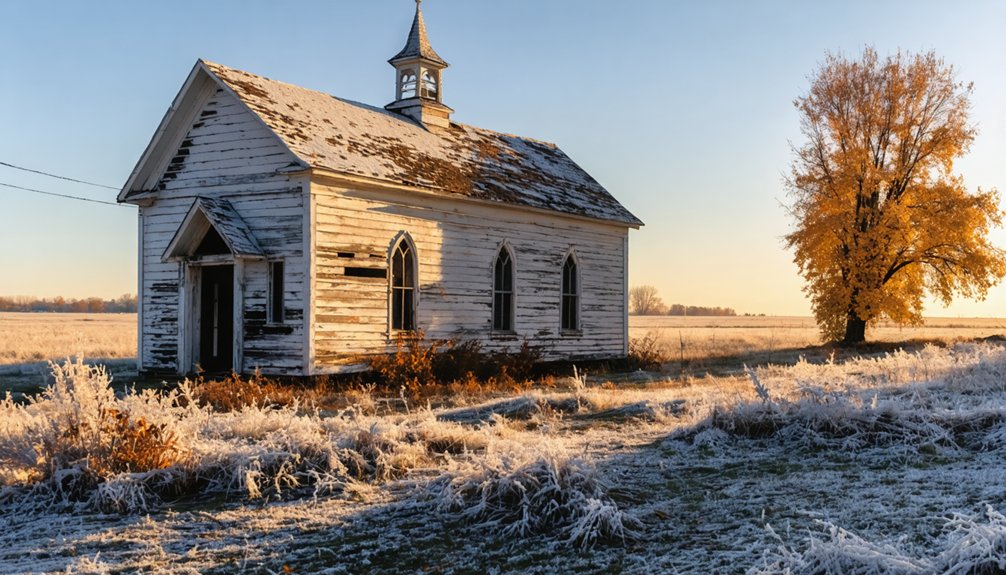
Before venturing out to photograph North Dakota’s ghost towns, understanding the seasonal lighting conditions will dramatically improve your results.
You’ll find ideal shooting conditions in May when clear skies and dry roads make building details more accessible. The golden hour after sunrise perfectly illuminates architectural styles, while creating dramatic shadows that highlight ornate features.
October’s Indian summer provides steady weather for capturing both exterior and interior shots.
For unique compositions, visit in December when snow blankets the buildings, creating striking contrasts. Arrive before sunrise at 5 a.m. to track the sun’s color changes through windows and doorways.
You’ll need a tripod for stability, and don’t forget your wide-angle lens to capture entire building facades.
Remember to secure your photography permit for pre-sunrise access to these historic sites.
Frequently Asked Questions
Are Metal Detectors Allowed When Exploring North Dakota Ghost Towns?
Like Indiana Jones’s quest for artifacts, you’ll need explicit permission due to metal detecting regulations and historical preservation concerns. Most ghost towns are private or state-owned, making detection typically forbidden.
Which Ghost Towns Have the Most Paranormal Activity Reports?
You’ll find the most ghost sightings at San Haven Sanatorium, with its haunted history of 1,000+ deaths. Sims’ Gray Lady and Medora’s Chateau de Mores also consistently generate significant paranormal reports.
Can Visitors Collect Artifacts or Souvenirs From Ghost Town Sites?
Keep your hands off these timeless treasures! You absolutely cannot collect artifacts – it’s illegal and strips away historical significance. Take only photos to preserve ghost towns’ authentic stories for future generations.
Do Any Ghost Towns Require Permits or Permission for Access?
You’ll need explicit permission to access most North Dakota ghost towns due to private property regulations. Ghost town access restrictions apply even to abandoned sites – always check with landowners first.
Are There Guided Tours Available to Multiple Ghost Towns?
While 130+ ghost towns dot North Dakota, you’ll find limited guided explorations. Only Photo Cascadia and David Cobb’s ghost town tours offer structured visits to multiple abandoned sites, but they’re seasonal.
References
- https://us1033.com/a-haunting-look-at-some-real-life-north-dakota-ghost-towns/
- https://northernsentry.com/2025/06/26/north-dakota-ghost-towns/
- https://ghostsofnorthdakota892857007.wordpress.com/2015/10/30/true-ghost-towns-population-zero/
- https://www.amyallender.com/north-dakota-ghost-towns/
- https://www.youtube.com/watch?v=8GO57Im_dss
- https://www.onlyinyourstate.com/experiences/north-dakota/ghost-towns-nd
- https://kids.kiddle.co/List_of_ghost_towns_in_North_Dakota
- https://www.ghosttowns.com/states/nd/nd.html
- https://www.nd.gov/news/snow-slopes-and-wildlife-plan-your-winter-getaway-north-dakota
- https://us1033.com/exploring-bismarck-ghost-towns-north-dakota/