Planning a ghost town road trip to Bean City, Florida means heading off Highway 27 near Route 80 and stepping into layers of forgotten history. You’ll find broken foundations, swampy patches, and sugarcane fields where string bean farms once thrived before the catastrophic 1928 Okeechobee Hurricane wiped nearly everything out. The road deteriorates fast, so bring a reliable vehicle and prepare to explore on foot. Stick around to uncover the full story behind this eerie, abandoned settlement.
Key Takeaways
- Bean City is located off Highway 27 near Route 80 at coordinates 26°41’16″N 80°45’39″W in Palm Beach County.
- Bring a reliable 2WD vehicle, as the road deteriorates quickly and exploration beyond the blocked road requires walking.
- The 1928 Okeechobee Hurricane destroyed nearly all structures, leaving only rubble, broken foundations, and swampy patches to explore.
- Originally a thriving string bean farming community, the town was later repurposed for sugarcane fields after the hurricane’s devastation.
- Expect minimal historical preservation at the site, offering a raw, unfiltered ghost town experience through ruins and landscape.
What’s Left of Bean City, Florida Today
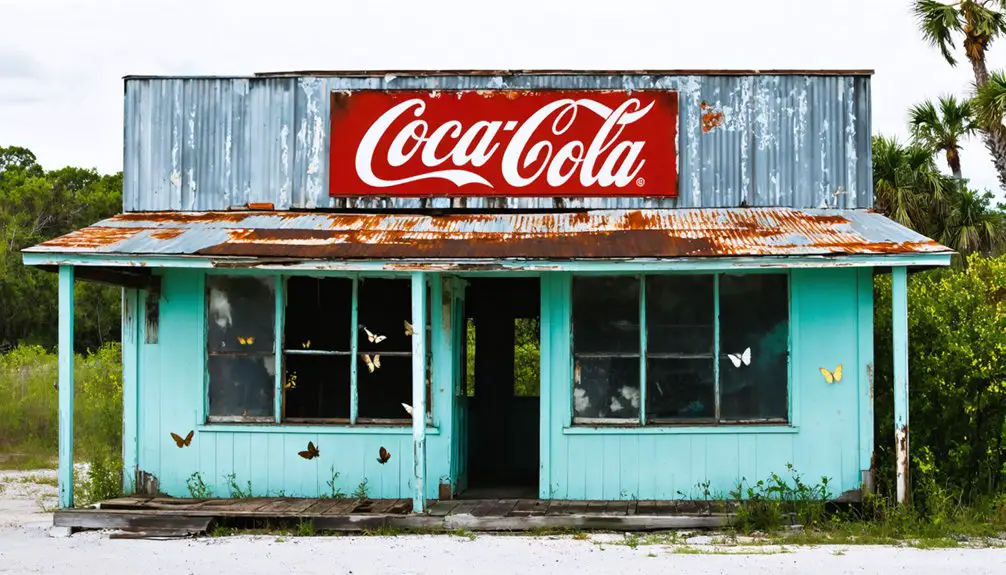
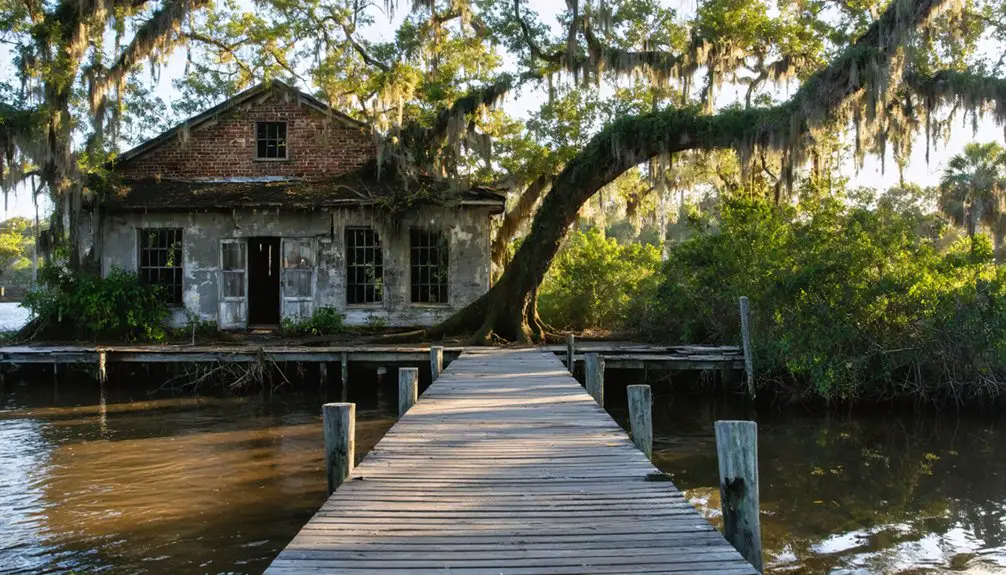
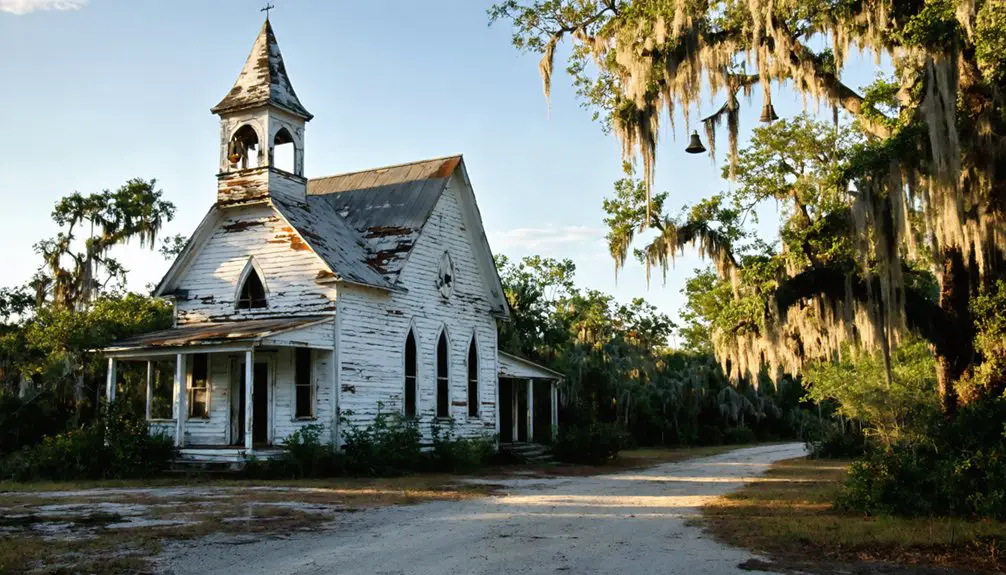
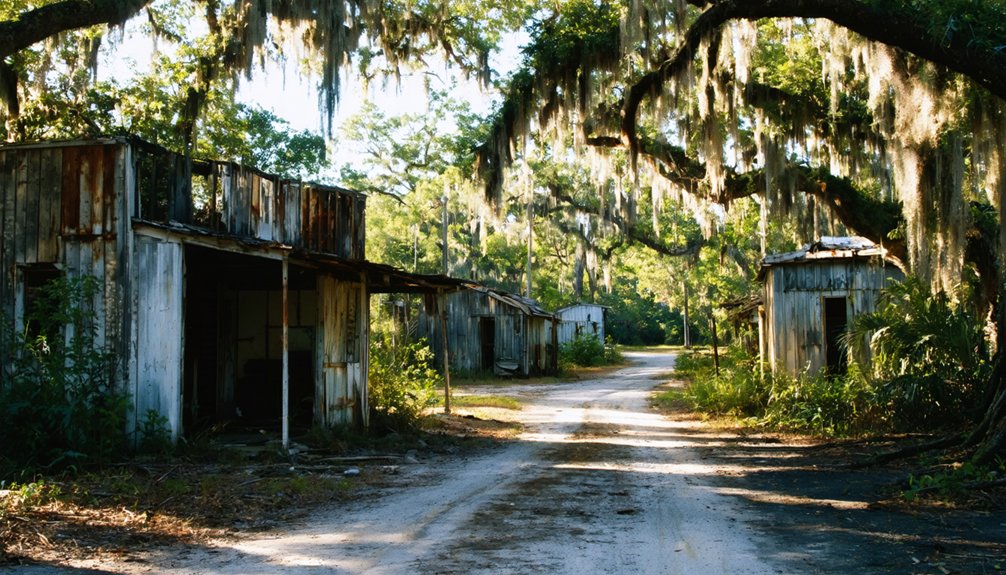
What remains of Bean City today is a far cry from the bustling farming community it once was. When you arrive, you’ll find roughly six houses scattered near the Palm Beach and Hendry County border, though signs indicate demolition has already claimed several of them. The abandoned structures you’ll encounter are mostly rubble, broken foundations, and swampy patches where buildings once stood.
Local legends describe a thriving bean-farming town that hurricanes and time simply swallowed whole. Today, sugarcane fields dominate the landscape, erasing nearly every trace of the original settlement.
The road gets blocked off just past the former townsite, so explore on foot beyond that point. It’s rough, raw, and real — exactly the kind of place that rewards curious, freedom-seeking travelers willing to venture off the beaten path.
The Rise and Fall of Bean City’s String Bean Farms
Before sugarcane swallowed the land whole, Bean City thrived as a scrappy agricultural settlement built entirely around one crop: string beans. The town earned its name honestly, growing beans across the southern ridge of Lake Okeechobee and supporting an entire community of farm workers, owners, and management.
Then came 1928. The Okeechobee Hurricane didn’t just flood the fields — it erased them. Packing houses collapsed, electric plants went dark, and the bean economy never recovered.
What replaced it wasn’t freedom or reinvention — it was corporate sugarcane, reshaping every acre the original settlers once worked.
Agricultural decline hit hard and fast, leaving little room for historical preservation. Today, you won’t find a thriving farm town. You’ll find fields of cane where a community once stood.
How the 1928 Hurricane Ended the Original Town
The 1928 Okeechobee Hurricane didn’t just damage Bean City — it obliterated it. When the storm hit, floodwaters swallowed the entire settlement, demolishing every structure except one lone house. Packing houses, electric plants, and the community’s infrastructure vanished beneath the surge.
The bean fields that once defined this town’s identity? Gone.
What you’re witnessing today is a story that historical preservation efforts barely captured before time erased the evidence. Local legends describe a thriving agricultural community that simply ceased to exist overnight. Survivors eventually returned and rebuilt portions of the town, but Bean City never fully recovered its original character.
The hurricane fundamentally rewrote the settlement’s future, pushing residents toward sugarcane farming on land that string beans once dominated.
How to Reach Bean City Off Route 80
Tucked along the original path of Highway 27, Bean City sits just off Route 80 near the Palm Beach and Hendry County border — and you’ll want a reliable 2WD vehicle before you attempt the rough road leading to the site.
Locals know this stretch as Corkscrew Road, a name that carries its own local legends among those who’ve explored the region’s forgotten past. Navigate carefully, because the road deteriorates quickly and gets blocked just past what remains of the former settlement.
Locals call it Corkscrew Road — a name steeped in legend, where the pavement ends and the past begins.
The exact coordinates — 26°41’16″N 80°45’39″W — will guide you precisely to the site.
Historical preservation efforts appear minimal here, with rubble, broken foundations, and swampy patches replacing what once stood.
Come prepared, stay aware of your surroundings, and respect the land you’re crossing.
Is Bean City Worth the Drive?
Once you’ve made the trek down that rough stretch of Corkscrew Road, you might find yourself asking whether Bean City delivered what you came for. Honestly, it depends on what you’re seeking. If you’re chasing polished historical markers and preserved buildings, you’ll leave disappointed. What remains is rubble, broken foundations, and swampy silence.
But if you understand historical significance, you’ll recognize what once stood here — a resilient farming community swallowed first by a catastrophic 1928 hurricane, then quietly erased by time and sugarcane fields. Preservation challenges have clearly won this battle, leaving almost nothing behind.
Still, that emptiness tells its own story. Standing where Bean City once thrived gives you something no museum replicates — raw, unfiltered history beneath your feet and open Florida sky above.
Frequently Asked Questions
What Crops Were Grown in Bean City Before String Beans?
There’s no record of crops grown before string beans in Bean City’s historical crop cultivation. You’d find that agricultural practices there began with string beans, defining the town’s identity from its earliest founding days.
When Did Bean City’s Post Office Permanently Close Its Operations?
Like a flame flickering out, Bean City’s post office permanently closed its doors in 1973. You’ll find no local legends or historic landmarks there now—just echoes of a forgotten era swallowed by sugarcane fields.
Was Bean City’s School Open Before the 1928 Hurricane Struck?
Yes, you’ll find that Bean City’s school opened in 1923, five years before the 1928 hurricane struck. This historic school closure resulted directly from hurricane impact analysis, as the storm’s devastation completely reshaped the community’s educational landscape forever.
What County Is Bean City Officially Located in Today?
With 6 houses remaining, you’ll find Bean City’s historical landmarks officially nestled in Palm Beach County, Florida. Local legends echo through its sugarcane fields, where freedom-seekers like you can explore its mysterious, forgotten past.
Did Bean City Ever Have Electricity Before the Hurricane Destroyed It?
Yes, Bean City had electricity! Historical rumors and local legends confirm it — you’d have found a functioning electric plant powering the town before the 1928 hurricane’s floodwaters wiped out that infrastructure completely, severing the settlement’s modern conveniences forever.
References
- https://www.ghosttowns.com/states/fl/beancity.html
- https://en.wikipedia.org/wiki/List_of_ghost_towns_in_Florida
- http://wikimapia.org/7335251/Bean-City
- https://www.palmbeachpost.com/story/news/local/2025/03/04/history-ghost-lost-towns-palm-beach-county-florida/78970195007/
- https://palmbeachpast.org/2011/03/palm-beach-countys-lost-towns-the-complete-list/
- https://www.narcity.com/miami/17-abandoned-ghost-towns-you-must-visit-in-florida
- https://floridastateonline.com/ghost-towns-in-florida/